Finland-Uzbekistan Experience: Human Rights Discussed

Finland-Uzbekistan Experience: Human Rights Discussed

March 03 , 2025

|

266

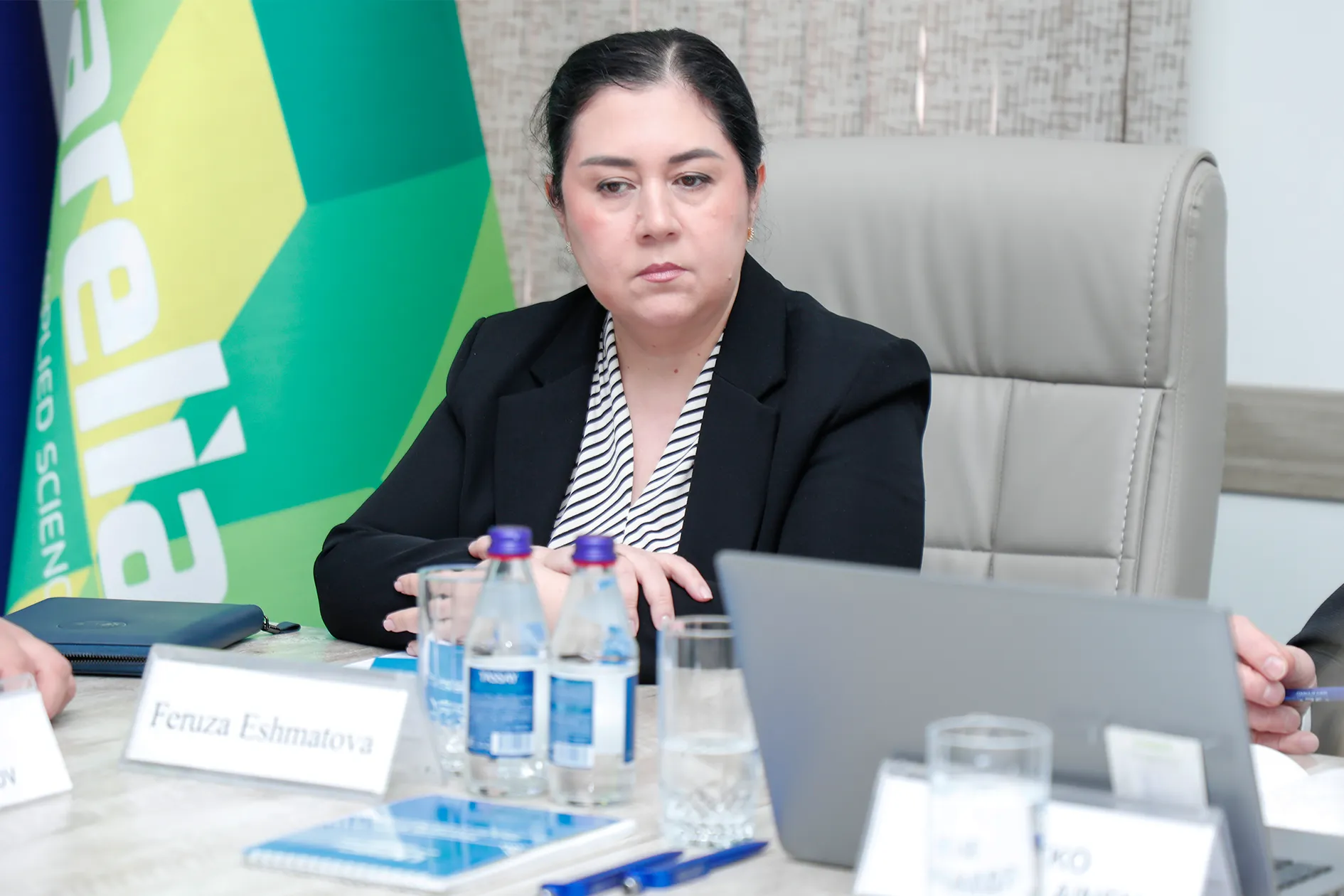
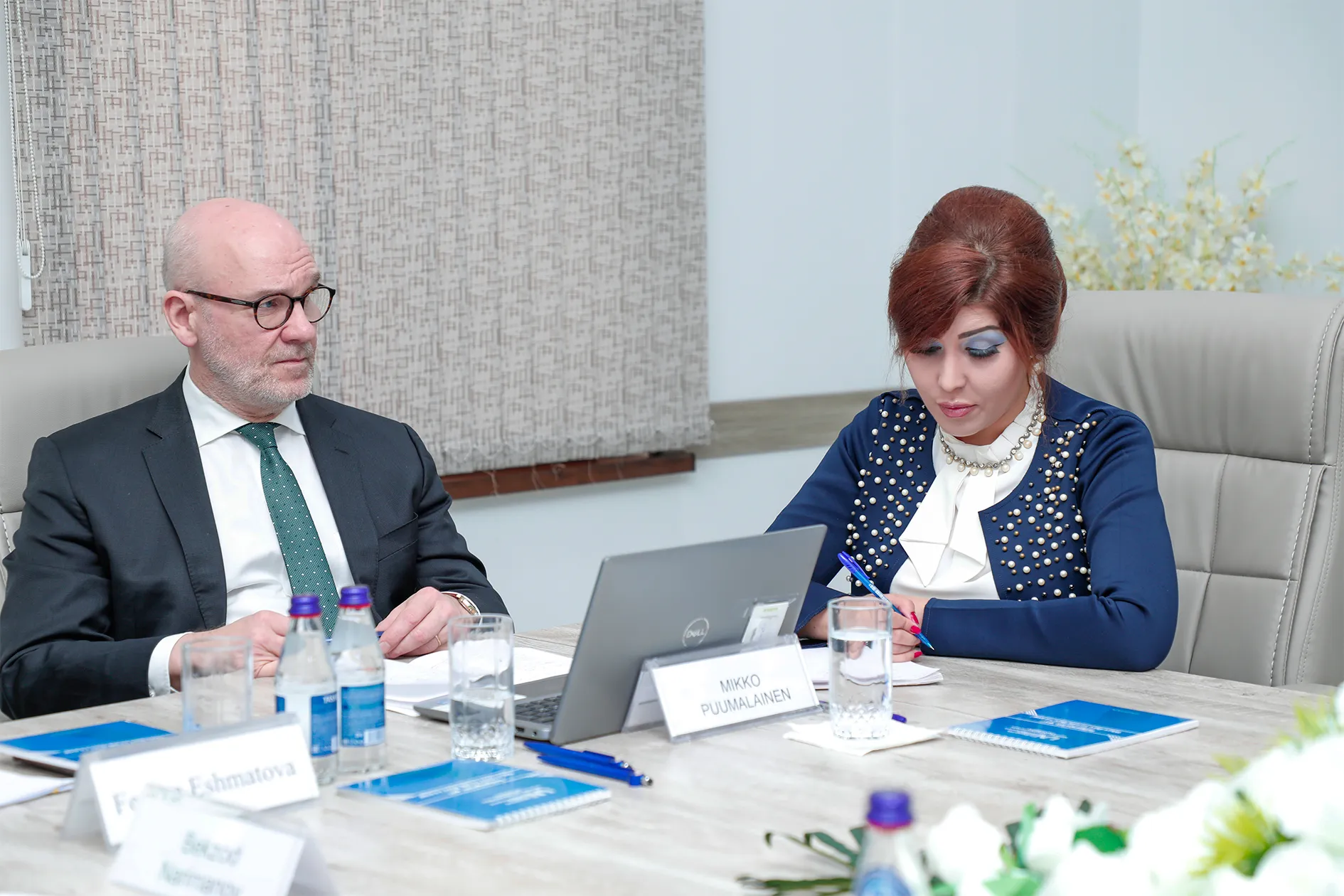
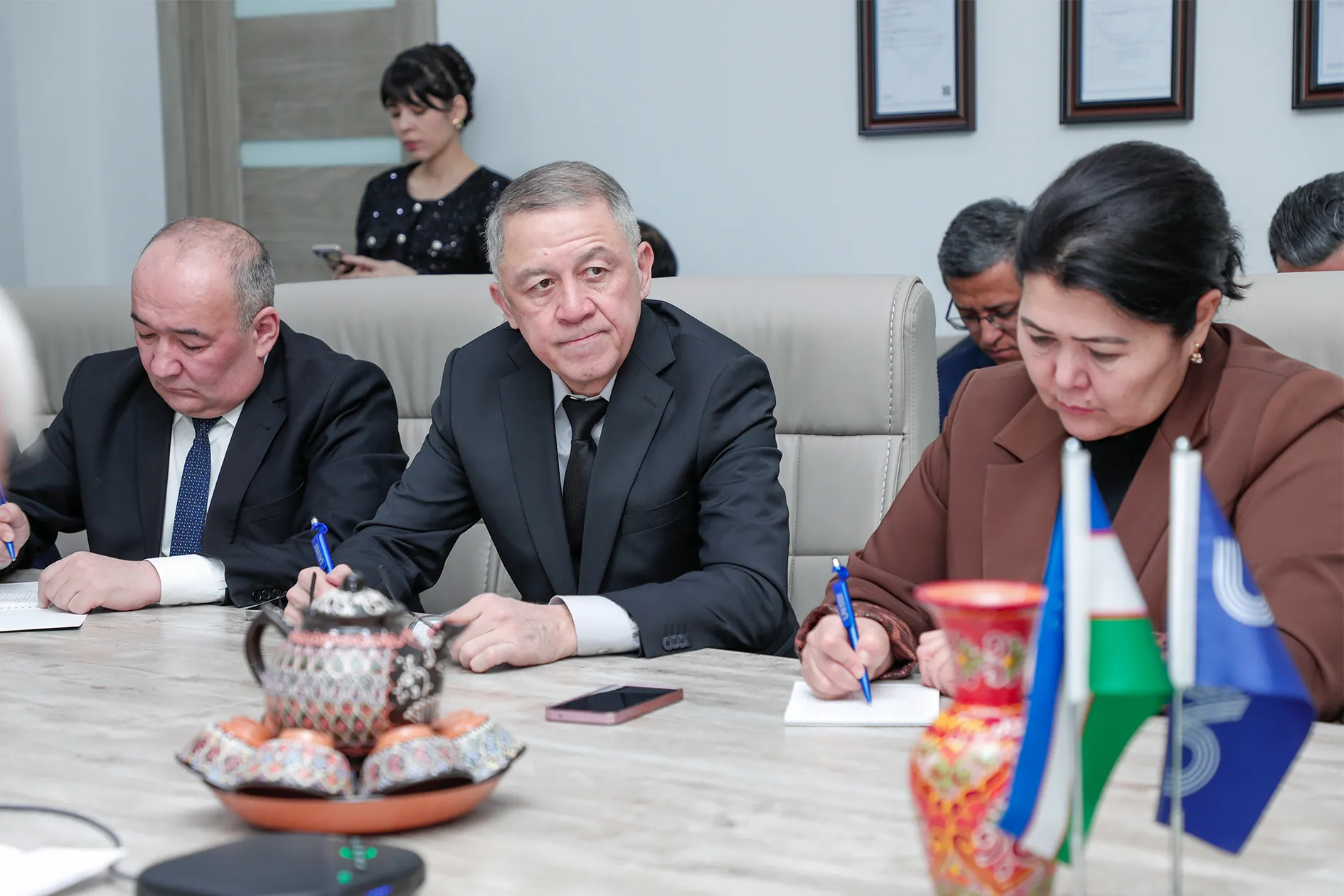
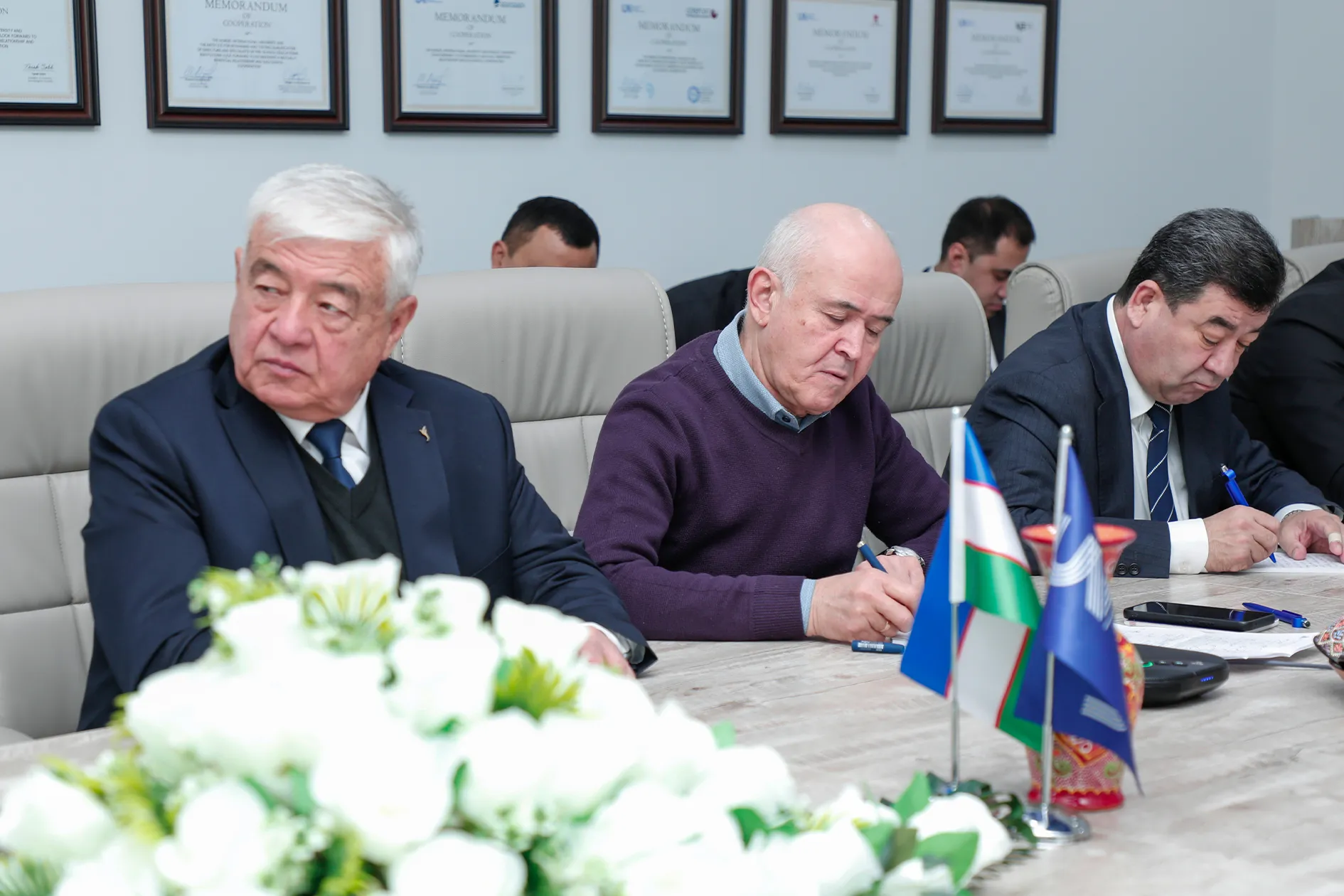
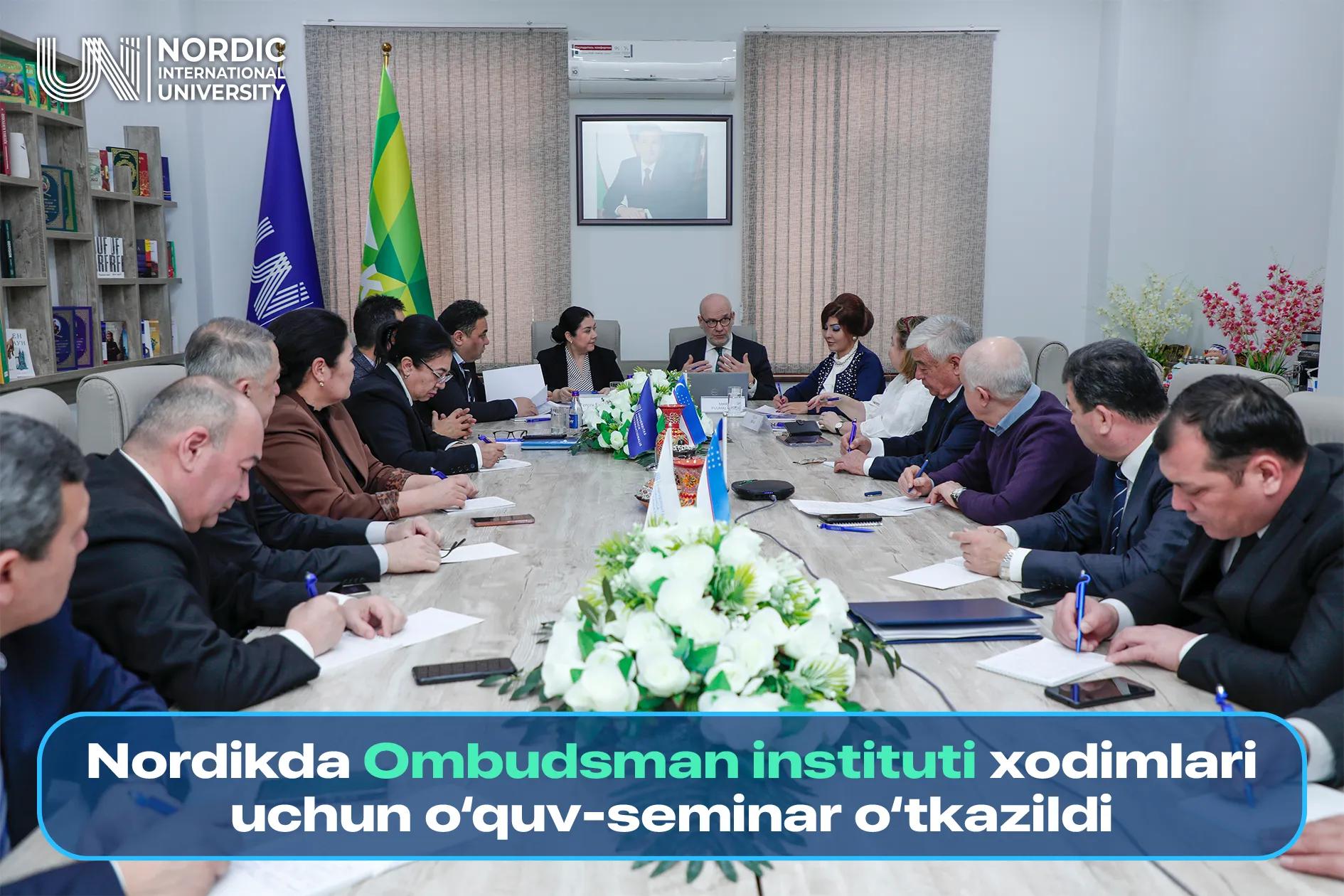
A seminar was conducted in collaboration with the Nordic University, the Parliamentary Commissioner for Human Rights (Ombudsman), and the Rule of Law Center of the University of Helsinki.

The seminar, which was held for the staff of the Ombudsman institution, was attended by the Parliamentary Commissioner for Human Rights of Uzbekistan, Feruza Eshmatova, Finnish Deputy Chancellor of Justice Mikko Pumalainen, and Director of the Rule of Law Center Tuija Brax, who shared their experience and best practices.


In Finland, the practice of monitoring the work of the President, the government and other state bodies from a legal standpoint, as well as the fairness of court proceedings while respecting the independence of the judicial system, the non-violation of the basic laws of citizens, and the prevention of excessive bureaucracy was studied. 


The Ombudsman staff also conducted presentations on the latest legislative updates and discussed the issues of further improvement of the protection of human rights.

Artboard-10-29
Preview
Artboard-4-55
Preview
Artboard-9-32
Preview
Artboard-5-55
Preview
Artboard-3-56
Preview
Artboard-6-51
Preview
Print

Latest news

O‘zbekiston–Shvetsiya ta’lim muloqoti: global stipendiya dasturi doirasida yangi imkoniyatlar

O‘zbekiston–Shvetsiya ta’lim muloqoti: global stipendiya dasturi doirasida yangi imkoniyatlar

Ushbu uchrashuv O‘zbekiston yoshlarini Yevropaning nufuzli ta’lim va kasbiy rivojlanish imkoniyatlari bilan bog‘lash yo‘lidagi navbatdagi muhim tashabbus bo‘ldi.


Muloqotda elchixona vakillari bilan bir qatorda O‘zbekiston Respublikasi Oliy ta’lim, fan va innovatsiyalar vazirligi, "El-yurt umidi" jamg‘armasi, Xalqaro Nordik universiteti hamda Jahon iqtisodiyoti va diplomatiya universiteti vakillari ishtirok etdilar. 


Elchixona sa’y-harakatlari natijasida O‘zbekiston 34 ta davlat qamrab olingan GPS dasturi ro‘yxatiga kiritildi. Bu dastur, ayniqsa, bakalavriat bosqichini tamomlayotgan iqtidorli yoshlar uchun Shvetsiyada tahsil olish va professional tajriba orttirish yo‘lida yuksak imkoniyatlar eshigini ochadi.


Muloqot davomida XNU rahbariyati tomonidan universitet faoliyati va xalqaro yo‘nalishlari bo‘yicha taqdimot o‘tkazildi. Shuningdek, hamkorlikni yanada kengaytirish maqsadida Xalqaro Nordik universitetida fin tilidan tashqari shved tilini o‘rgatish kurslarini boshlash taklif etildi. Bu ta’limiy integratsiyani mustahkamlash va madaniy yaqinlashuvni kuchaytirishga xizmat qilishi bilan ahamiyatlidir.


Muhokamalar yakunida Xalqaro Nordik universiteti O‘zbekiston va Shimoliy Yevropa davlatlari o‘rtasidagi akademik, ilmiy va madaniy aloqalarni rivojlantirishda “intensiv hub” sifatida muhim rol o‘ynayotgani e’tirof etildi.

Nordik xalqaro maktabidan sovg‘alar karvoni

Nordik xalqaro maktabidan sovg‘alar karvoni

Nordik xalqaro maktabi ustozlari va o‘quvchilarning ota-onalari tashabbusi bilan o‘tkazilgan an’anaviy xayriya tadbirida mehr-eʼtibor va samimiyat tuyg‘ulari ustuvor bo‘ldi. 


Bolajonlarning Qorboboga yozgan beg‘ubor maktublari beiz qolmadi — har bir tilaklari amalga oshirildi.


🎁 Yangi yil sovg‘alari, iliq tilak va tabriklar, kuy-qo‘shiqlar, quvnoq lahzalar va eng muhimi — samimiy mehr bolalar qalbiga nur, yuzlariga esa tabassum ulashdi. ✨

Digital Transformation and Artificial Intelligence in Higher Education: A Step Toward University 4.0 and 5.0

Digital Transformation and Artificial Intelligence in Higher Education: A Step Toward University 4.0 and 5.0

At the seminar, Alisher Abdullayev, Director of the Center for the Development of Digital Education Technologies under the Ministry of Higher Education, Science and Innovation of the Republic of Uzbekistan, shared new knowledge and practical experience with faculty members on global trends, applied solutions, and strategic approaches that are fundamentally transforming higher education.


Quote:

“Artificial intelligence learns, analyzes, makes decisions, and develops itself like a human. Today it is an assistant; tomorrow it will become a strategic partner in education.

 • Universities are no longer factories, but centers of innovation.

 • Future universities are based on the principle of knowledge + personalization, individualization + global integration.

 • Individual work with each student is now becoming a real opportunity.

 • Modern university laboratories must have GPU servers, because artificial intelligence cannot develop without infrastructure.

 • AI can assist in writing articles, but it cannot replace the researcher.

 • Universities should no longer chase technology, but become centers that create and manage it.”


During the seminar, modern university models were analyzed in depth, and the importance of moving toward the concepts of University 4.0 and 5.0 was emphasized.


Through AI technologies:

 • students’ knowledge levels are analyzed

 • learning trajectories are personalized

 • efficient use of time and resources is ensured


Artificial intelligence is creating new opportunities for students, teachers, and universities.


The speaker paid special attention to the practical application of AI in educational processes, including:

 • analysis and assessment of essays,

 • automatic generation of tests and assignments,

 • in-depth analysis of GPA and academic activity,

 • monitoring examinations through AI proctoring.


Scientific research and AI mean both opportunity and responsibility. The seminar thoroughly analyzed not only the possibilities of using AI in scientific activity, but also the risks:

 • incorrect conclusions

 • misinterpretation of context

 • errors related to citations and authorship

 • decline in the quality of original research


Issues such as the DOI system, adherence to academic ethics, and avoiding predatory journals were also highlighted as pressing scientific concerns.


Today, administrative, academic, and financial processes in higher education are fully digitized:

207 higher education institutions, 1.7 million students, 45,000 faculty members, 30 key information systems, and 40 electronic services have been integrated into a single platform.


Through HEMIS AI, students receive individualized academic and career recommendations; AI mock interviews are conducted; resumes and vacancies are matched; and graduate employment is monitored.


The seminar once again emphasized that artificial intelligence in higher education is not the future, but a tool of today. The main task is to use technology wisely, responsibly, and in accordance with scientific ethics.


At the end of the seminar, faculty members’ suggestions and feedback were heard, and their questions were answered.

Quality, Results, and New Milestones: NORDIC University’s 2025 Outcomes Reviewed

Quality, Results, and New Milestones: NORDIC University’s 2025 Outcomes Reviewed

During the meeting, a comprehensive review was conducted of the academic and non-academic activities implemented within the framework of 2025, declared as the “Year of Advancing Educational Quality and Strengthening Scientific Research.”


Throughout the year, the university’s consistent steps toward sustainable development across all its structures were highly recognized, along with its systematic approaches to improving education quality and enhancing scientific potential. In particular, the geography of international cooperation expanded and was further strengthened through new negotiations, visits, memorandums, and scholarly exchanges. The scope of scientific research, publications, grants, and projects broadened, and a distinctive Nordic experience in the field of education export was formed.


In addition, digital development and effective governance mechanisms, the system of spiritual and educational activities, achievements of faculty and students, scientific successes, and the activities of newly established centers were analyzed. It was emphasized that these processes contribute significantly to reinforcing education quality with positive outcomes.


At the meeting, the Rector outlined the key priorities, strategic directions, and clear objectives for the team within the framework of 2026 — “Towards a Green University: Training Competitive Professionals Based on Global Labor Market Demand.”


These directions aim to elevate education quality to a new level, develop scientific research in line with international standards, and strengthen the university’s global competitiveness.


In particular, introducing AI-integrated approaches into the educational process and further improving academic programs based on labor market demands were identified as priority tasks.


Measures were also set to expand academic mobility opportunities for faculty and students, ensure thorough preparation for international and national accreditations, and develop faculties based on industry cluster models.


Furthermore, the introduction of KPI and ranking systems for education quality, systematic support for student employment and startup initiatives, increasing the share of practice-oriented subjects, and improving course design and assessment systems were highlighted as important tasks.


In addition, ensuring consistency in targeted efforts within admissions and marketing processes and actively promoting Nordic’s scientific outputs in international academic databases were defined as key objectives. Through these approaches, the consistent development of a digital, open, and human-centered university model is envisaged.


Important information was also shared regarding international professional development opportunities for faculty members, new academic programs, and the upcoming training week.


At this meeting, the team of Nordic International University was encouraged to move forward more proactively based on a clear strategy, well-structured plans, and collective responsibility.

Follow the official channel on Telegram

Subscribe to our YouTube channel

Follow our page on Facebook

Connect with our LinkedIn profile