The framework for the training of pedagogical personnel in our country will undergo further enhancement

The framework for the training of pedagogical personnel in our country will undergo further enhancement

February 07 , 2025

|

319

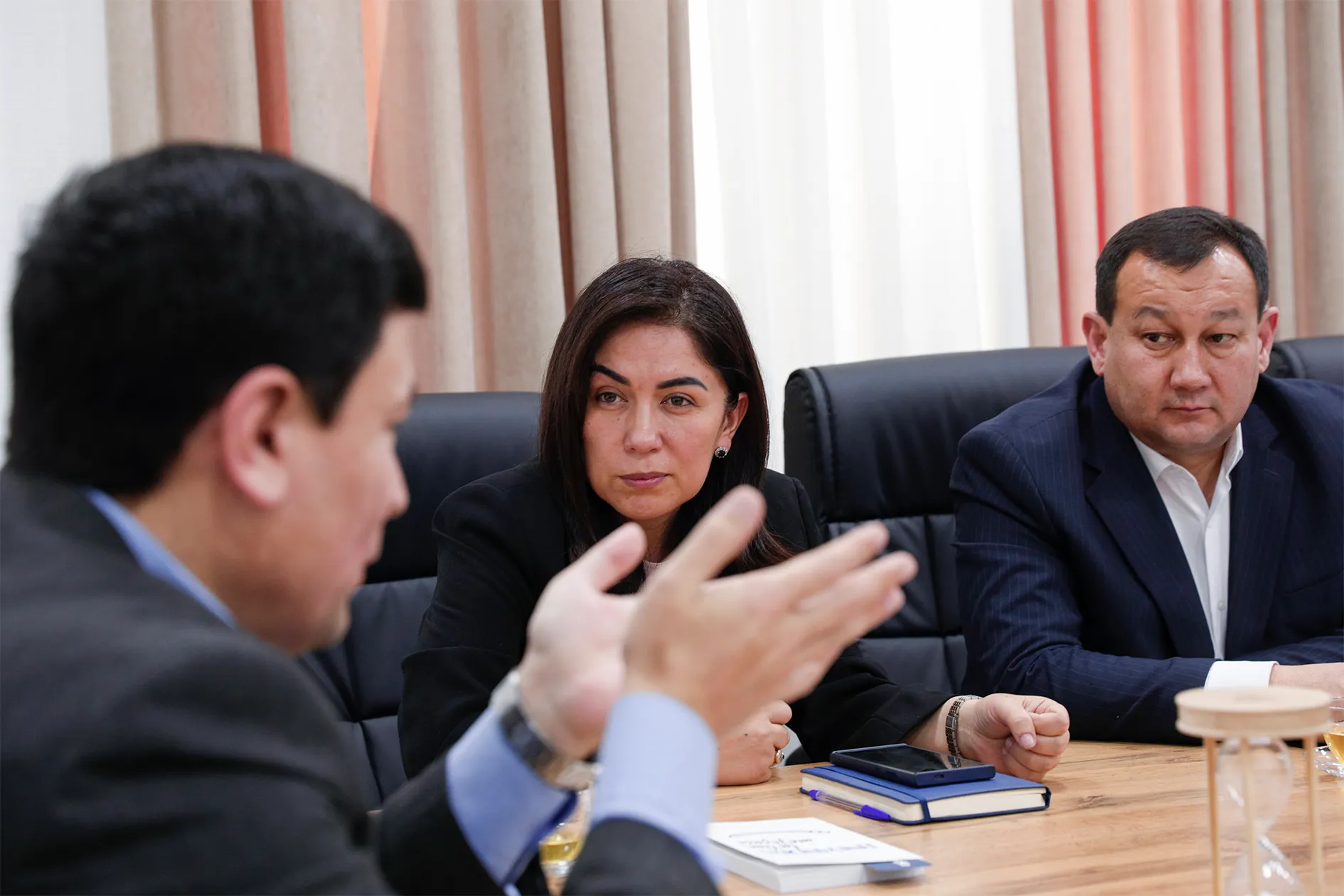
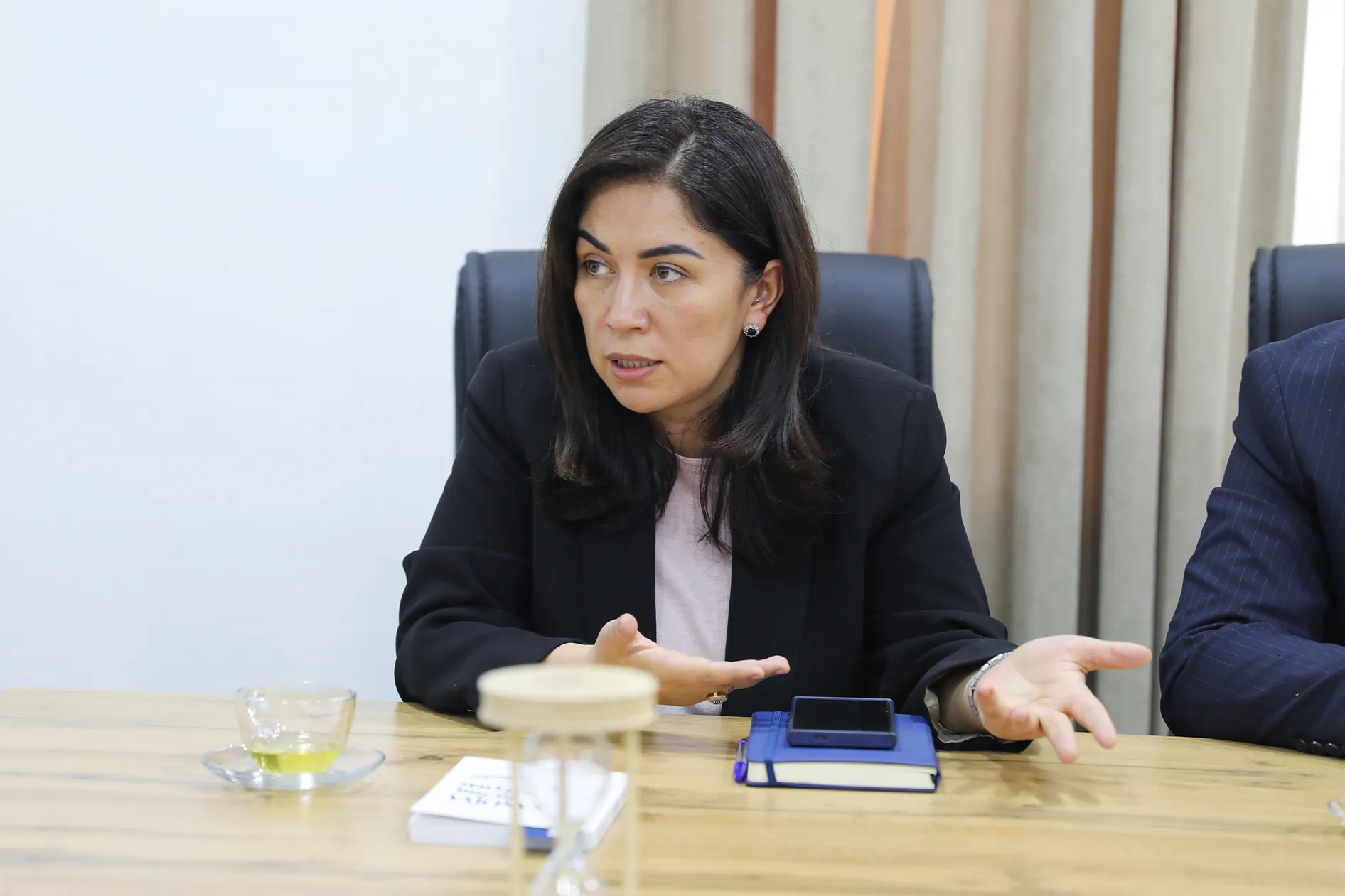
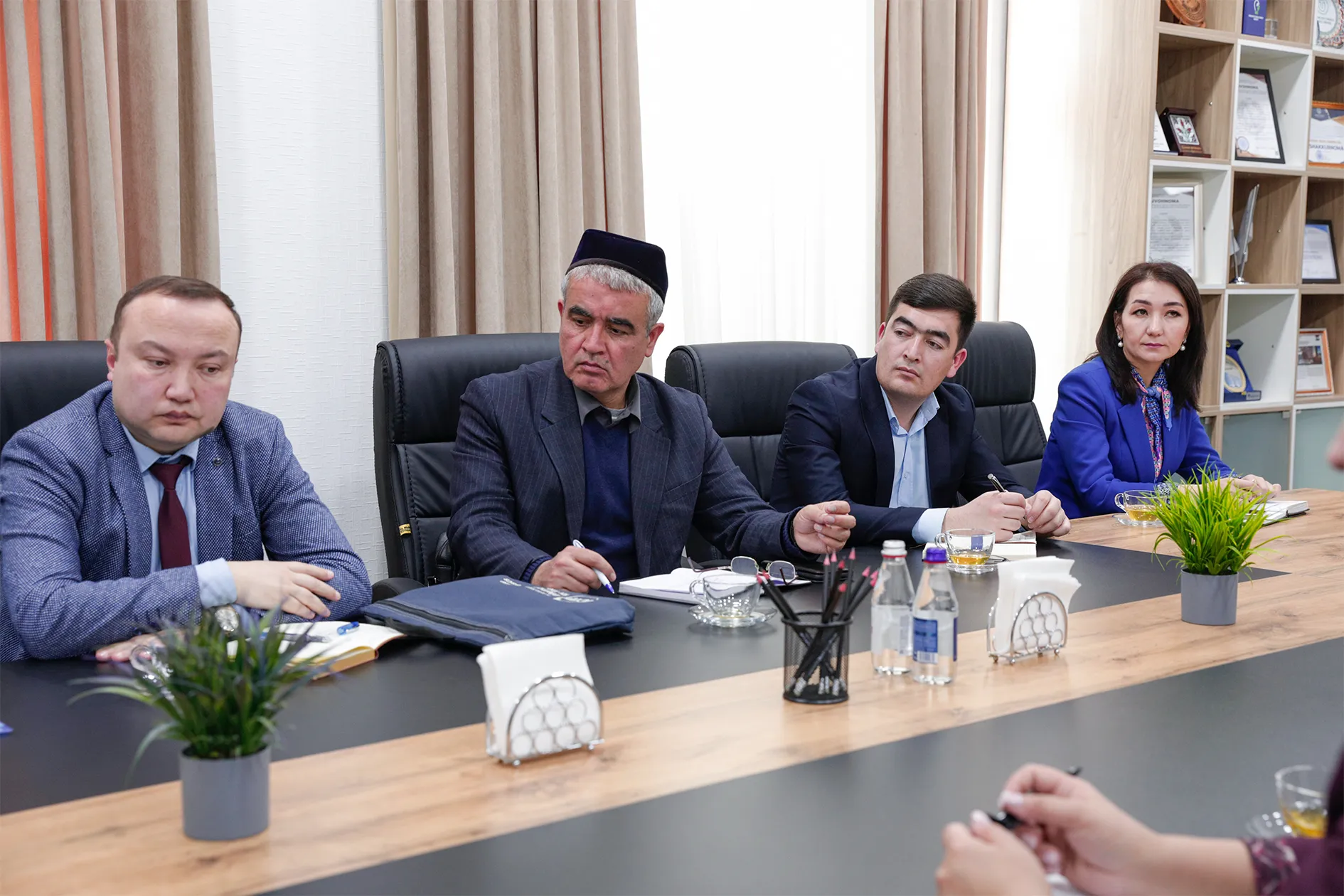
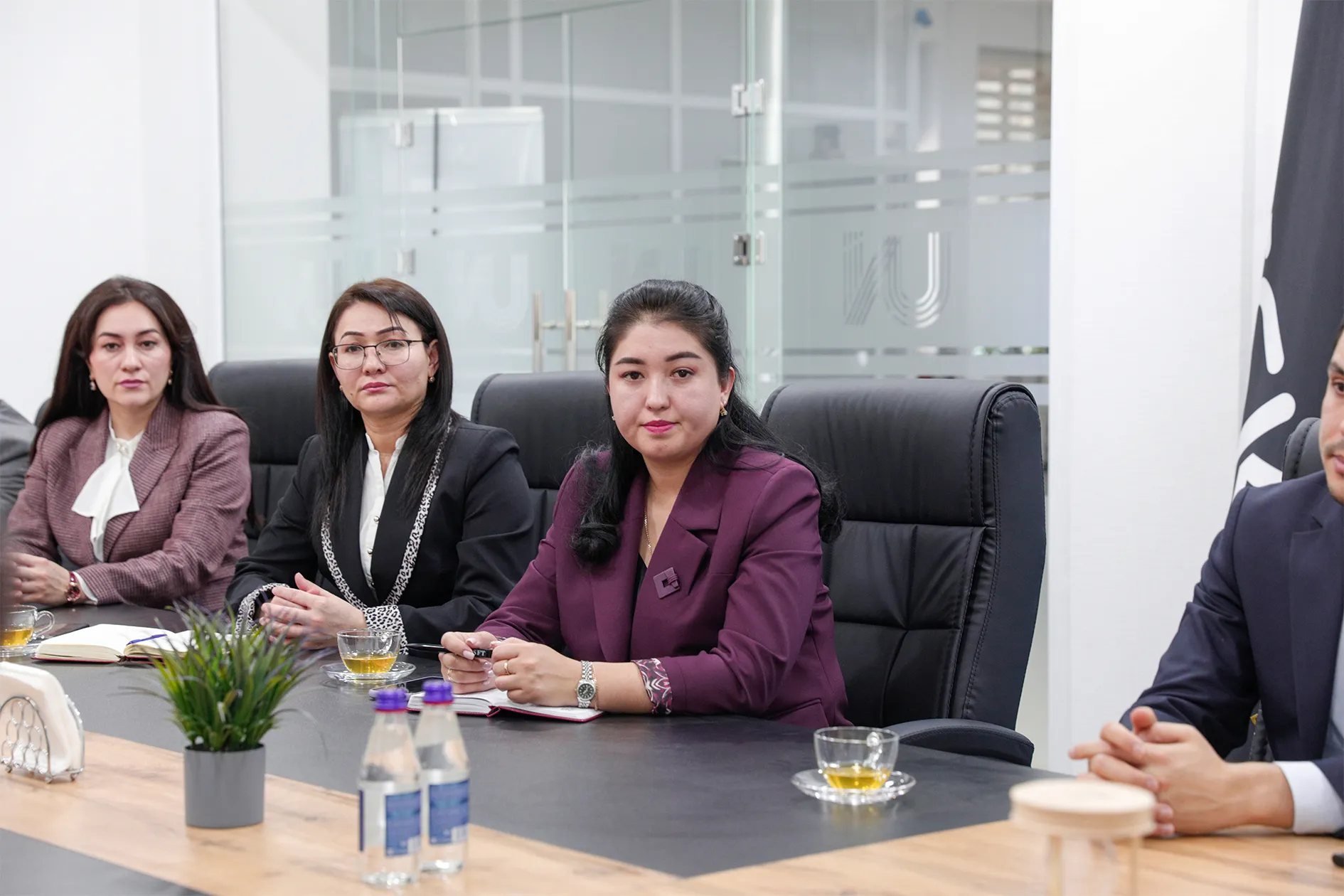
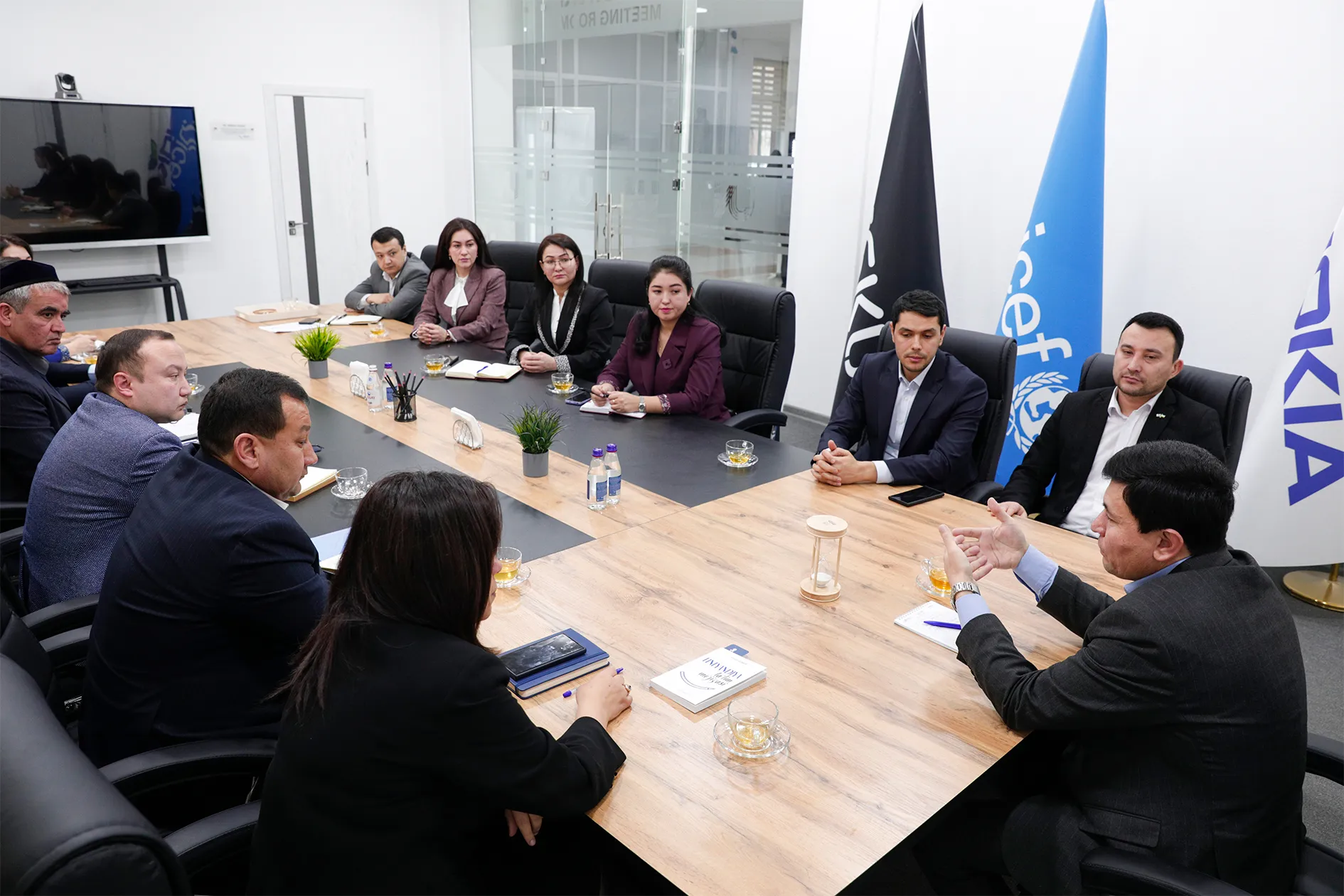
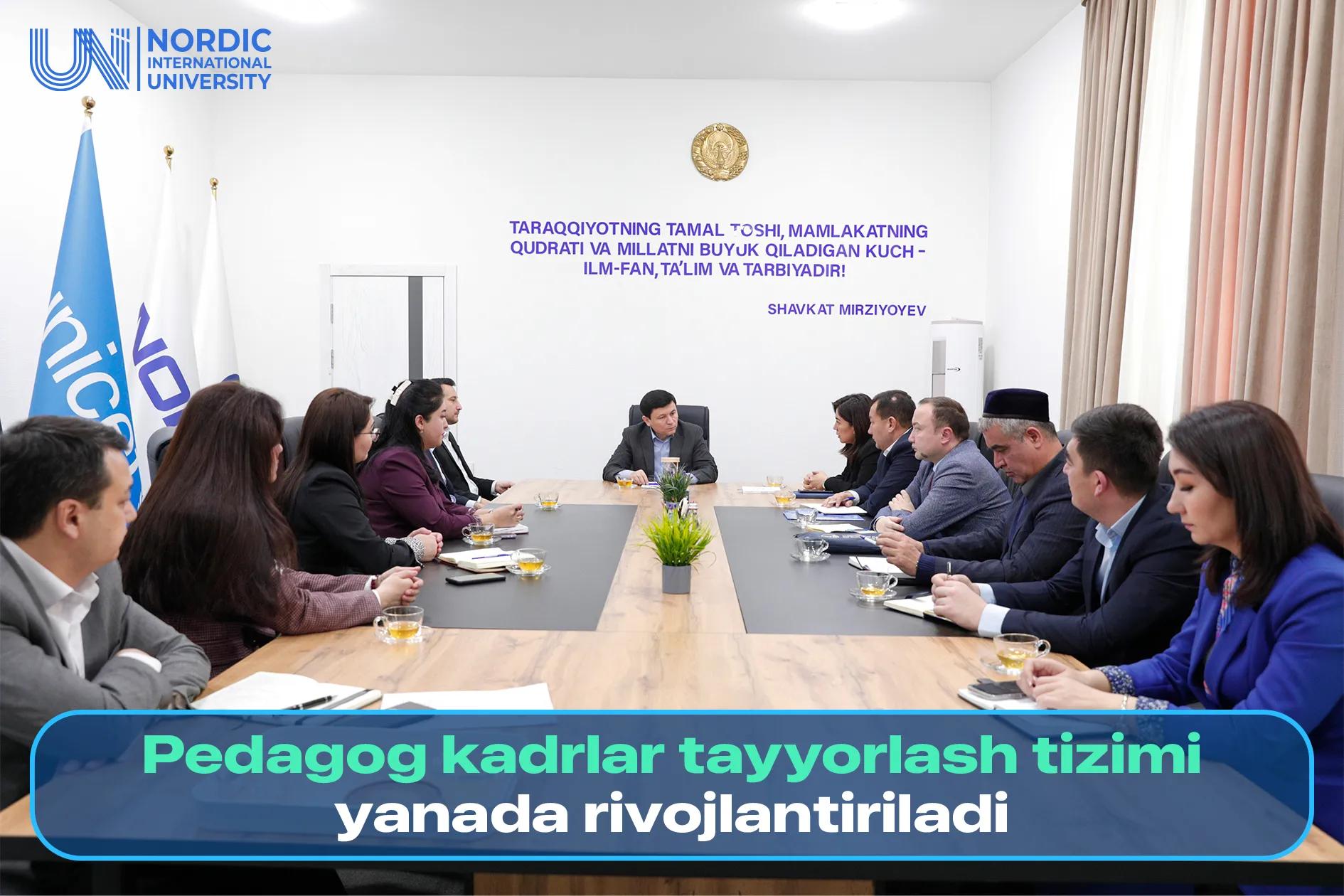
A meeting was convened at the Nordic University, attended by the Rector of the Uzbekistan-Finland Pedagogical Institute (UzFIPI) and heads of department...

Small initiative groups are functioning under the direction of the Higher Education Council of the Republic. Sherzod Mustafakulov, the Rector of Nordic International University, is leading initiatives to facilitate the training of pedagogical personnel.


A platform is being developed to facilitate ongoing communication with rectors and specialists from higher education institutions that provide instruction in the field of pedagogy. This initiative aims to establish a foundation for identifying prevailing challenges within the sector.


Today, a delegation led by Shahzoda Negmatova, the Rector of UzFIPI, visited as a member of the small project working group.


During the meeting, significant proposals were presented concerning the enhancement of efficacy in higher education, the development of innovative initiatives, and the improvement of the training system for specialists equipped with contemporary practical skills.


The strategic objectives established by the President of the Republic of Uzbekistan during the sessions of the Legislative Chambers of the Oliy Majlis from November 18 to November 20 were deliberated upon, and the measures currently being executed were evaluated.


It was underscored that the achievement of quality indicators in higher education, the formulation of educational and regulatory documents, and the establishment of admission criteria must comprehensively consider the requirements of employers and the labor market.


In the context of preparing pedagogical personnel, the discourse encompassed the challenge of resolving the gap between university graduates and the demands of the labor market. Additionally, it addressed the organization of dual education and the implementation of scientific and innovative activities in alignment with contemporary requirements. It was resolved to enhance the qualifications of pedagogical personnel with the assistance of the Nordic University by coordinating educational excursions and examining international practices.


The meeting also addressed the necessity of harmonizing policies across universities regarding the preparation of pedagogical personnel. Additionally, it emphasized the importance of enhancing the proposed concepts for improving the pedagogical personnel preparation system through the active involvement of all members of the small group.


Within the context of the small group's initiatives, emphasis is being placed on strategies aimed at enhancing the quality of school education by increasing the capabilities and professional competencies of educational staff.


Ultimately, the cultivation of national pride and respect for universal values within the minds and consciousness of young individuals, alongside their education in contemporary knowledge and perspectives, as well as their preparation for successful careers in science, information technology, and other domains, is fundamentally reliant on the professional competencies and expertise of educators.

Artboard-4-38
Preview
1212
Preview
Artboard-3-39
Preview
Artboard-6-35
Preview
Artboard-5-38
Preview
Print

Latest news

Quality, Results, and New Milestones: NORDIC University’s 2025 Outcomes Reviewed

Quality, Results, and New Milestones: NORDIC University’s 2025 Outcomes Reviewed

During the meeting, a comprehensive review was conducted of the academic and non-academic activities implemented within the framework of 2025, declared as the “Year of Advancing Educational Quality and Strengthening Scientific Research.”


Throughout the year, the university’s consistent steps toward sustainable development across all its structures were highly recognized, along with its systematic approaches to improving education quality and enhancing scientific potential. In particular, the geography of international cooperation expanded and was further strengthened through new negotiations, visits, memorandums, and scholarly exchanges. The scope of scientific research, publications, grants, and projects broadened, and a distinctive Nordic experience in the field of education export was formed.


In addition, digital development and effective governance mechanisms, the system of spiritual and educational activities, achievements of faculty and students, scientific successes, and the activities of newly established centers were analyzed. It was emphasized that these processes contribute significantly to reinforcing education quality with positive outcomes.


At the meeting, the Rector outlined the key priorities, strategic directions, and clear objectives for the team within the framework of 2026 — “Towards a Green University: Training Competitive Professionals Based on Global Labor Market Demand.”


These directions aim to elevate education quality to a new level, develop scientific research in line with international standards, and strengthen the university’s global competitiveness.


In particular, introducing AI-integrated approaches into the educational process and further improving academic programs based on labor market demands were identified as priority tasks.


Measures were also set to expand academic mobility opportunities for faculty and students, ensure thorough preparation for international and national accreditations, and develop faculties based on industry cluster models.


Furthermore, the introduction of KPI and ranking systems for education quality, systematic support for student employment and startup initiatives, increasing the share of practice-oriented subjects, and improving course design and assessment systems were highlighted as important tasks.


In addition, ensuring consistency in targeted efforts within admissions and marketing processes and actively promoting Nordic’s scientific outputs in international academic databases were defined as key objectives. Through these approaches, the consistent development of a digital, open, and human-centered university model is envisaged.


Important information was also shared regarding international professional development opportunities for faculty members, new academic programs, and the upcoming training week.


At this meeting, the team of Nordic International University was encouraged to move forward more proactively based on a clear strategy, well-structured plans, and collective responsibility.

An Unforgettable New Year’s Ball for Nordic Students!

An Unforgettable New Year’s Ball for Nordic Students!

During the festive evening, the university rector, Sherzod Mustafakulov, delivered a heartfelt congratulatory message, inspiring the young people with his sincere wishes and encouragement.


A festive table, fun games, exciting contests and prizes, 👑 the King and Queen of the Ball — all of this gave the evening a special splendor!


Special guests — MC Sancho, DJ Denzo, and DJ Bella — raised the energy and atmosphere to the highest level with their dynamic performances and music sets! 🔥


🌟✨ It was truly a joyful New Year’s celebration full of dance, happiness, and bright memories!

The Spirit of Art at Nordik

The Spirit of Art at Nordik

Vocal performances ranging from world classics and national traditional music to modern pop were presented on stage with live performance, powerful voices, and professional skill.


Each performance touched the hearts of the audience and was met with warm applause.


This live music evening dedicated to youth creativity was filled with bright and unforgettable moments.

The Finnish Model in Education: Samarkand Educators Explore the Jyväskylä Experience

The Finnish Model in Education: Samarkand Educators Explore the Jyväskylä Experience

The Finnish education model prioritizes a balance between methodological freedom and responsibility in teacher training, continuity across preschool, primary, secondary, and higher education levels, a student-centered approach, and developmental assessment formats.


During the professional development program, key aspects of education are being studied. Active exchange of experience, lesson observations, and professional discussions are taking place.


Participants note that the practices being studied are directly applicable and effective in real educational contexts.


Based on the training program, a solid foundation is being created for sustainable and systematic improvement of the education system in the Samarkand region in the future.

Follow the official channel on Telegram

Subscribe to our YouTube channel

Follow our page on Facebook

Connect with our LinkedIn profile