Psychology Forum: Modern Challenges, Innovative Solutions!

June 03 , 2025
399
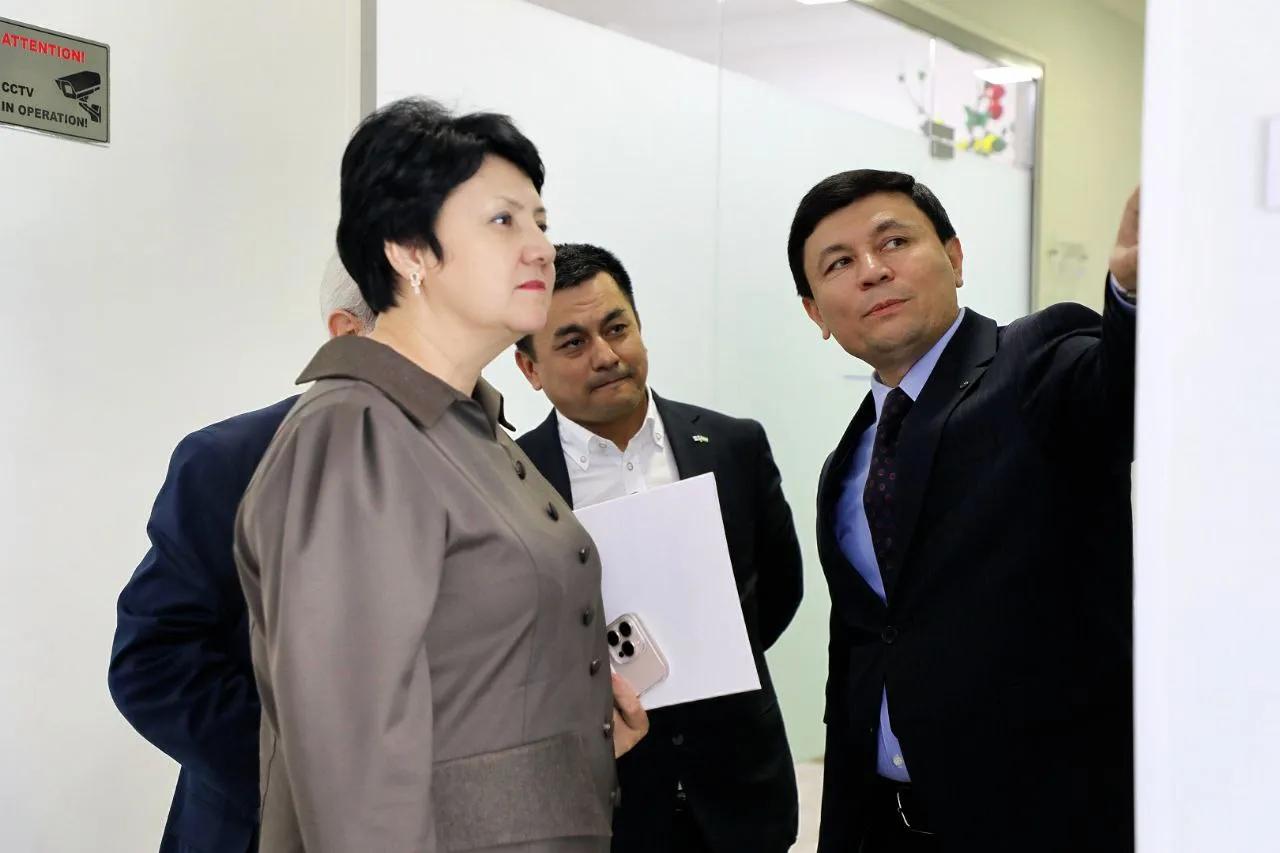
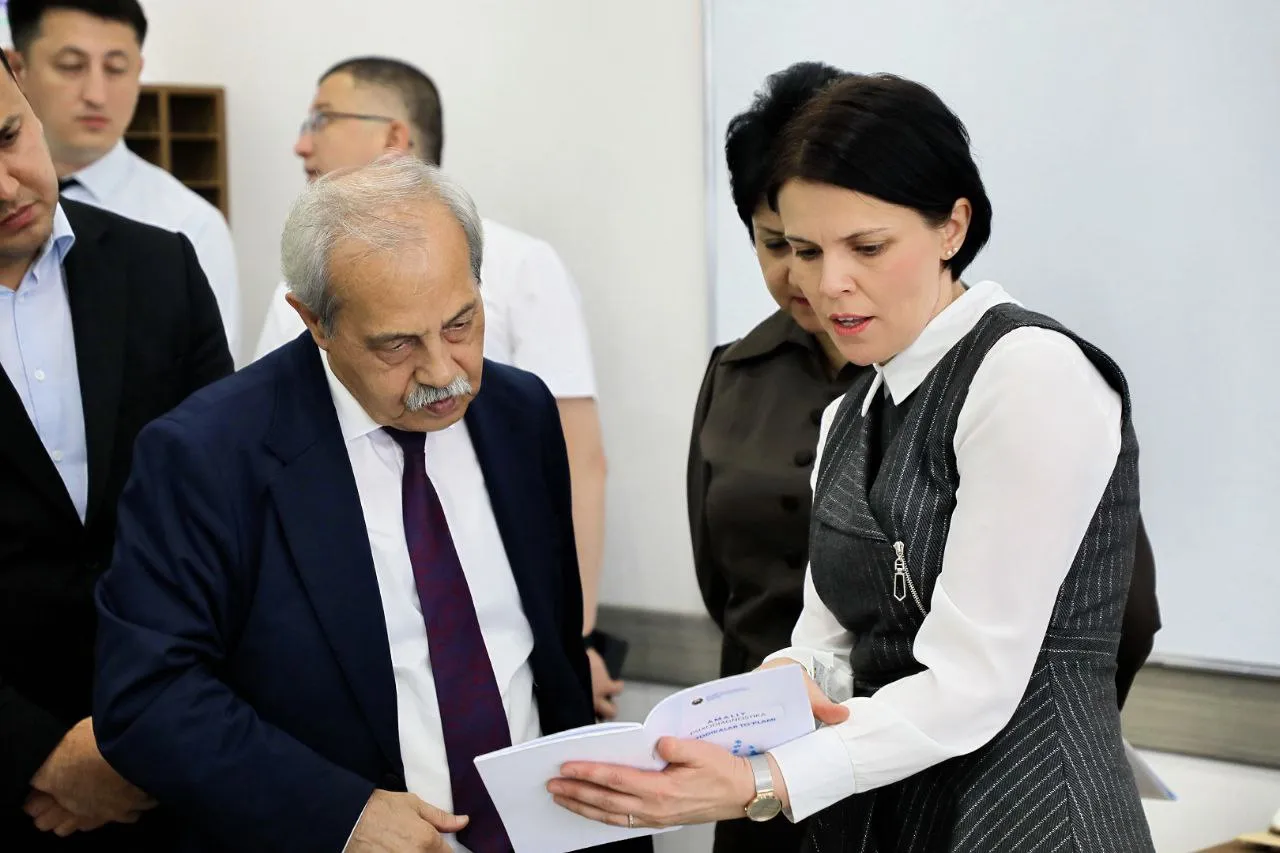
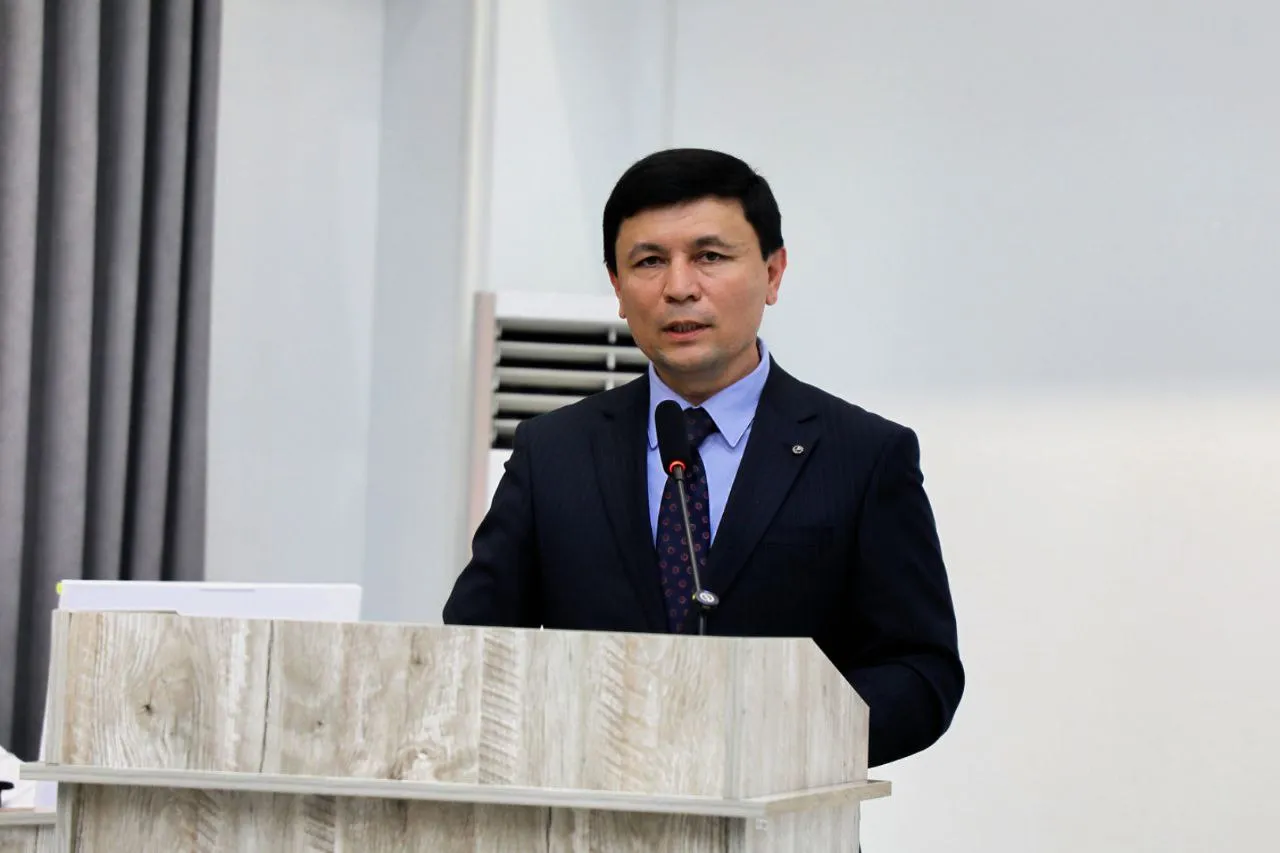
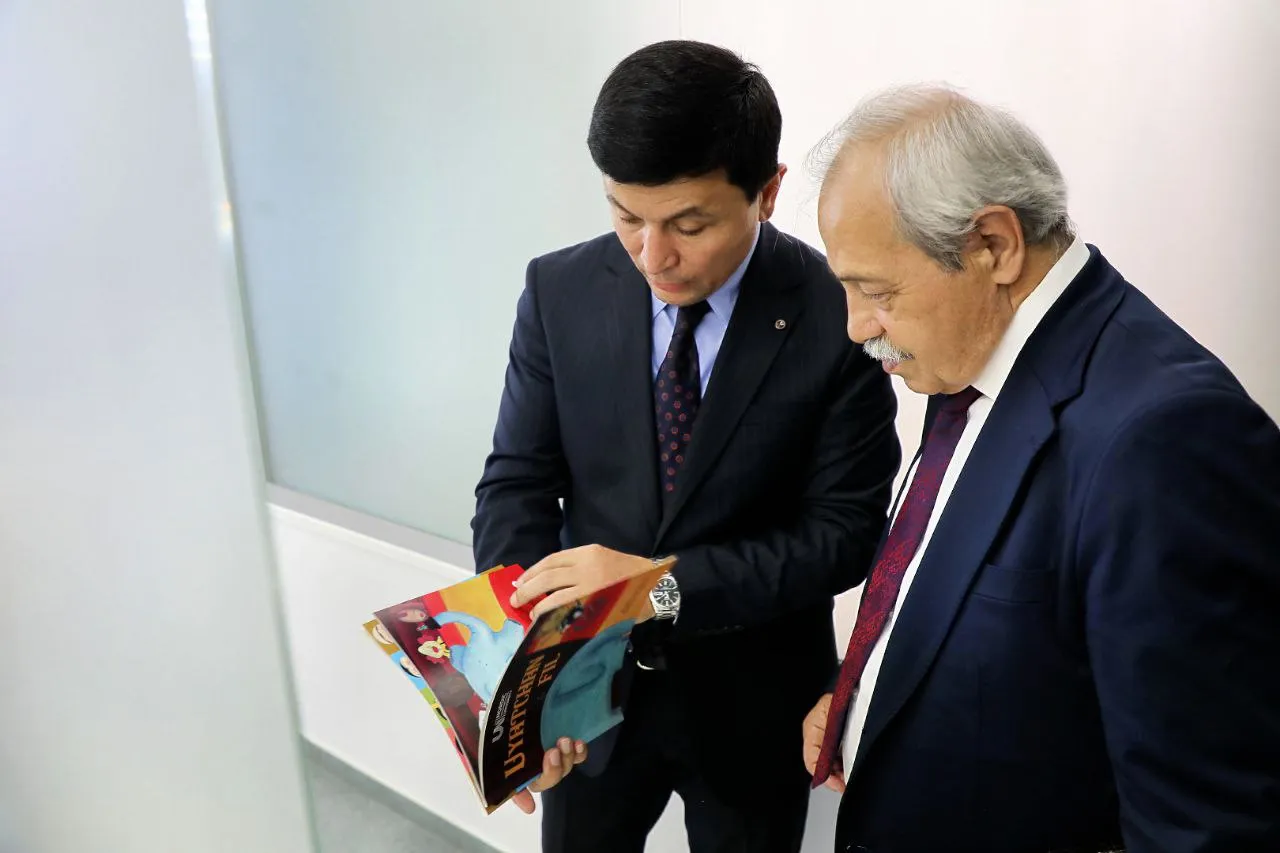
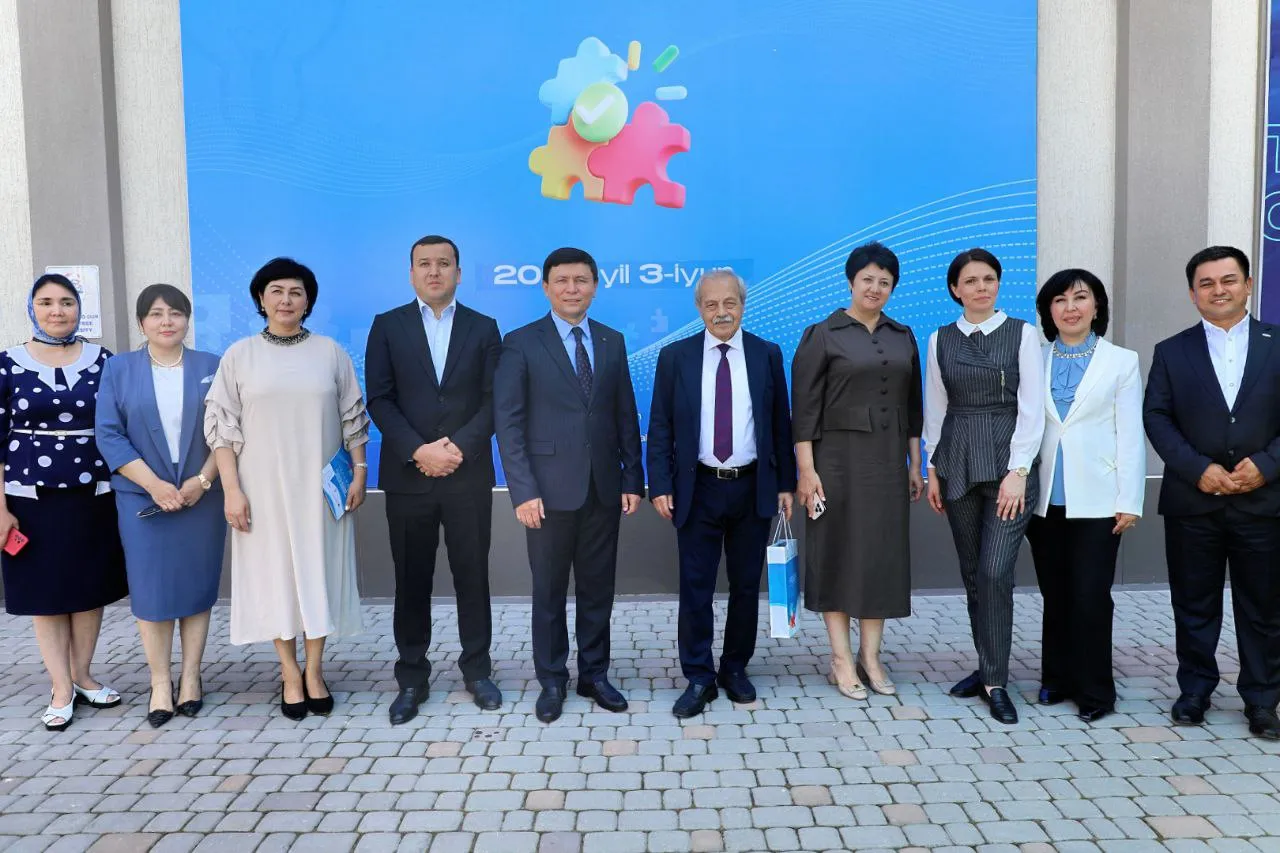
A forum titled “Psychology: Modern Challenges, New Ideas, and Solutions” was held in collaboration between Nordic International University and the Republican Scientific-Methodological Center for the Development of Education.
Participants included Yuliya Risyukova, Director of the Republican Scientific-Methodological Center for the Development of Education; E’zoza Karimova, Deputy Minister of Preschool and School Education and Rector of the Uzbekistan National Pedagogical University; academician Gayrat Shodumarov, Rector of Profi University; representatives from the Academy of State Policy and Governance under the President of Uzbekistan; professors and scholars from Nordic International University; and experienced specialists from the psychological centers “Dar” and “Syntone Premium.” They shared their expertise through open discussions and practical workshops.
This scientific-intellectual meeting served as a significant platform for gaining new insights and experiences.
An open dialogue and exchange of ideas were held on the topic “Why is psychological support necessary for participants in the education process?”
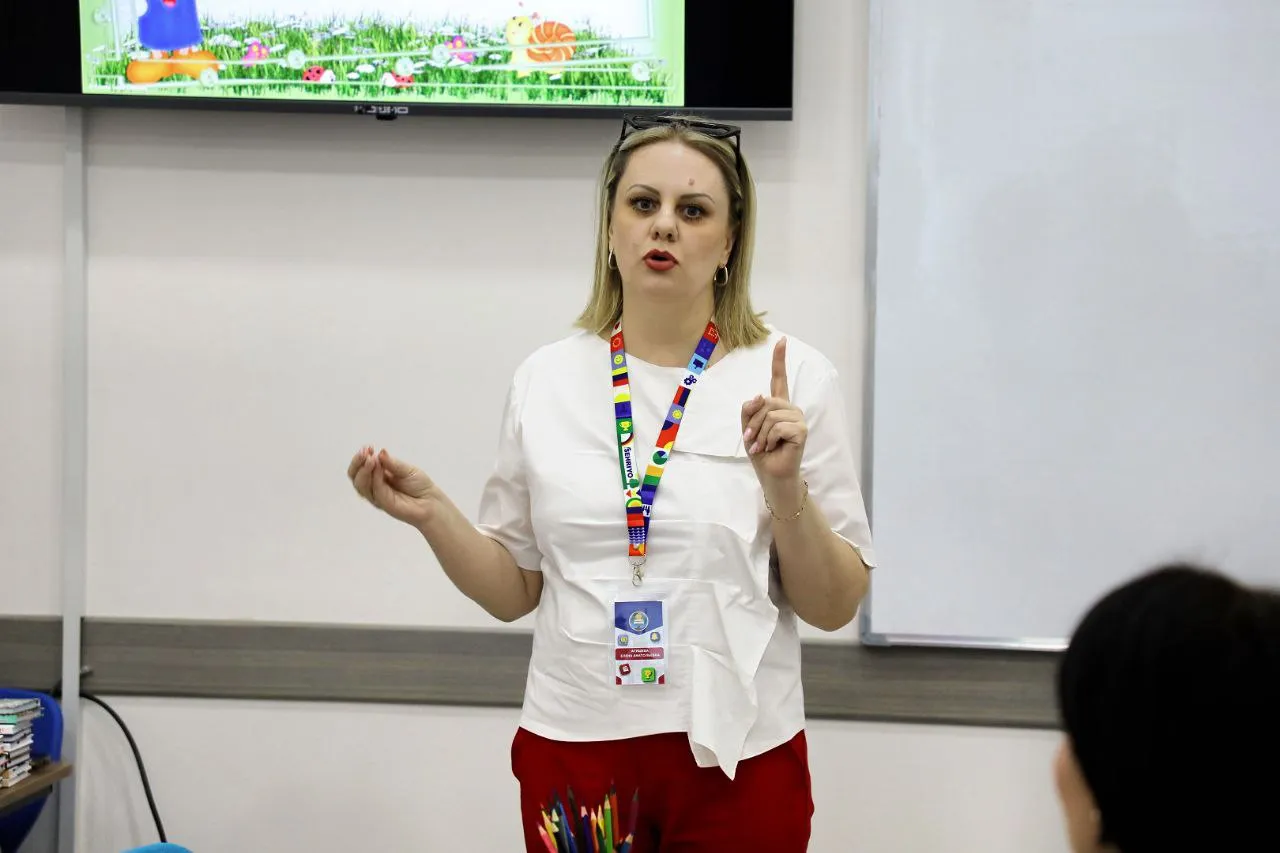
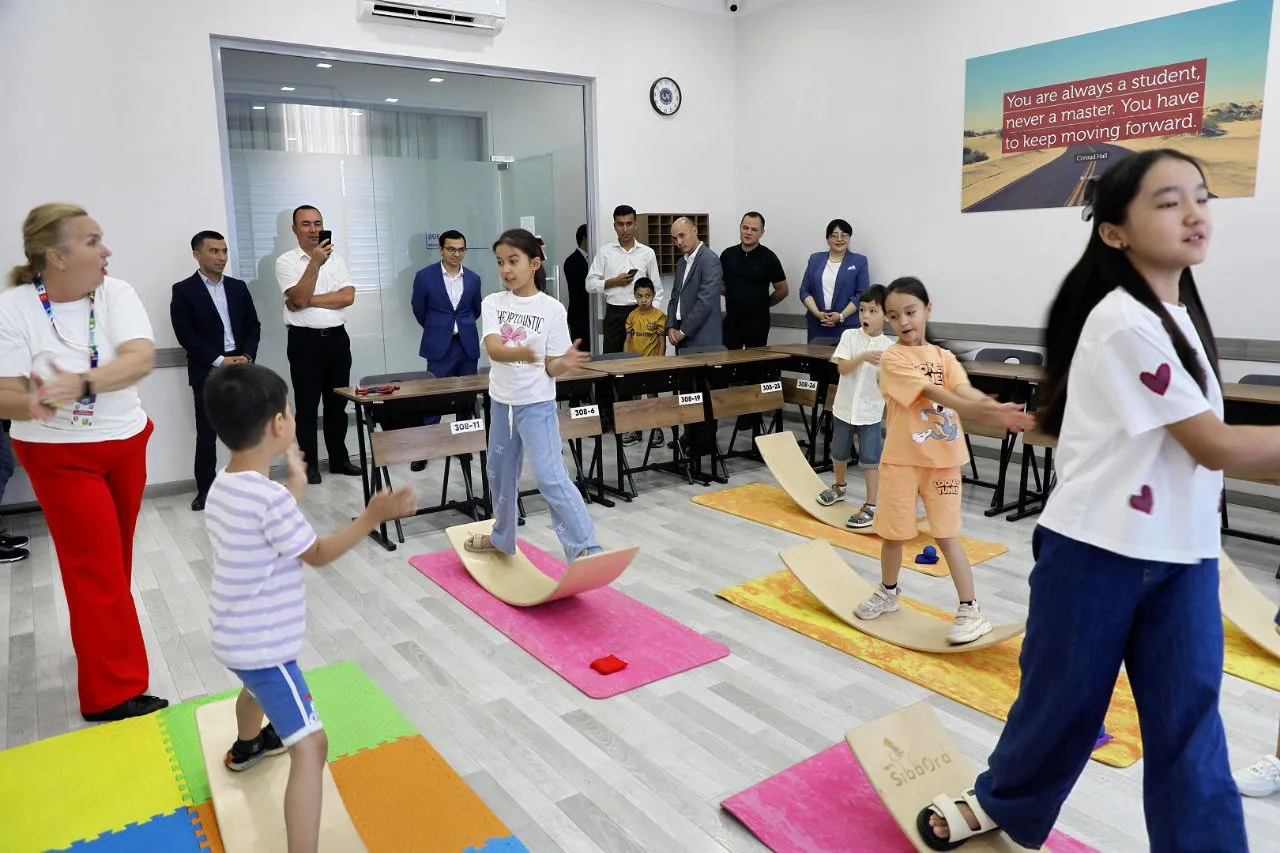
During the forum, participants engaged in exhibitions and practical training sessions focused on various developmental areas for children, including Reggio pedagogy, art therapy, fairy tale therapy, neuropsychology, and emotional intelligence.
In the section meetings, discussions were held on topics such as working with children and parents in crisis situations, methods for transforming resistance into cooperation, enhancing collaboration among psychologists, educators, and students, as well as issues related to digital safety and psychology.
A competition for “The Best Methodological Guide on Psychological Support for Education Participants” was announced, marking an important initiative aimed at improving the quality of psychological services.
The international forum presented innovative solutions tailored to local contexts based on the experiences of leading countries. Concrete directions for the future were outlined through shared ideas, scientific analysis, and practical approaches. This event not only fostered scientific exchange but also paved the way for broader collaborations.
Latest news

The Legacy of Amir Temur in the Minds of Youth
During the roundtable discussion, renowned Temur studies scholar, Candidate of Historical Sciences, and Professor Akbar Zamonov delivered an in-depth and analytical presentation. He elaborated on the personality of Amir Temur, his unique approaches to state governance, and the enduring relevance of his historical legacy in the modern world.
The primary objective of the event was to strengthen a sense of historical awareness and national pride among young people, while fostering key qualities such as strategic thinking, leadership, and responsibility through the example of Amir Temur.
The meeting featured an analytical lecture followed by an interactive Q&A session and open dialogue with students. This engagement not only enriched participants’ historical knowledge but also encouraged independent and critical thinking.
Students from the university’s History and Journalism programs actively participated in the roundtable discussion.

International Dialogue: Integrating Analysis and Education
During the visit, a substantive exchange of ideas took place with the esteemed guest — an international expert possessing extensive experience in journalism and educational management. The discussions focused on key global education trends, contemporary governance approaches, and emerging models of academic development, while also outlining prospective avenues for collaboration.
Particular attention was given to launching joint initiatives, including the organization of international conferences, the development of sustainable solutions, and the creation of evidence-based practical frameworks. The dialogue also emphasized knowledge exchange and the establishment of new academic platforms for students and researchers.
As a result of the meeting, mutual understandings were reached on expanding international scientific and analytical platforms, paving the way for deeper institutional cooperation.

Partnership with ETS: Advancing International Certification and Academic Mobility
The delegation was led by Anna Gutkowska-Zając, Regional Director for Eurasia and Central Asia at Educational Testing Service (ETS).
During the visit, both parties engaged in comprehensive discussions focused on enhancing the quality of education. Key areas of cooperation included professional development for faculty, the organization of joint training sessions, seminars, and webinars based on ETS-certified modern content, and the implementation of advanced methodologies in English language teaching.
Particular emphasis was placed on effective preparation for the TOEFL iBT examination, improving assessment literacy among students and educators, and fostering a systematic approach to international certification. In addition, both sides explored opportunities to establish a solid foundation for global academic mobility.
As a significant outcome of the visit, a Memorandum of Understanding (MoU) was signed between the two institutions. The document outlines clear strategic priorities aimed at improving educational quality, expanding the adoption of innovative approaches, and strengthening international integration.
This partnership is expected to further reinforce long-term collaboration between the International Nordic University and ETS, contributing to sustainable development in education and broader global engagement.

Point of View: A Powerful Force Showcasing National Prestige
In an article published in the Xalq so‘zi newspaper and authored by the Rector of the International Nordic University, Sherzod Mustafakulov, the key priorities emphasized during the meeting are thoroughly analyzed, alongside a number of forward-looking approaches and proposals aimed at building an effective system.
As highlighted in the article, a continuous vertical integration model — “school–federation–university” — ensures the consistent development of talented youth, while individualized development programs remain crucial for each athlete. Particular attention is also given to advancing the sports economy, establishing clubs and academies, ensuring digital transparency, and strengthening the integration of science and sports. Sport, it is argued, should become one of the central pillars of the national development strategy.
To deepen the analysis, the article also examines the best international practices in promoting mass sports development.
A more comprehensive insight and extended perspectives can be found in the April 10 issue of Xalq so‘zi.