News
Master class from Sergey Stanovkin: the role of mass media in creating a country's brand

February 24 , 2025
396
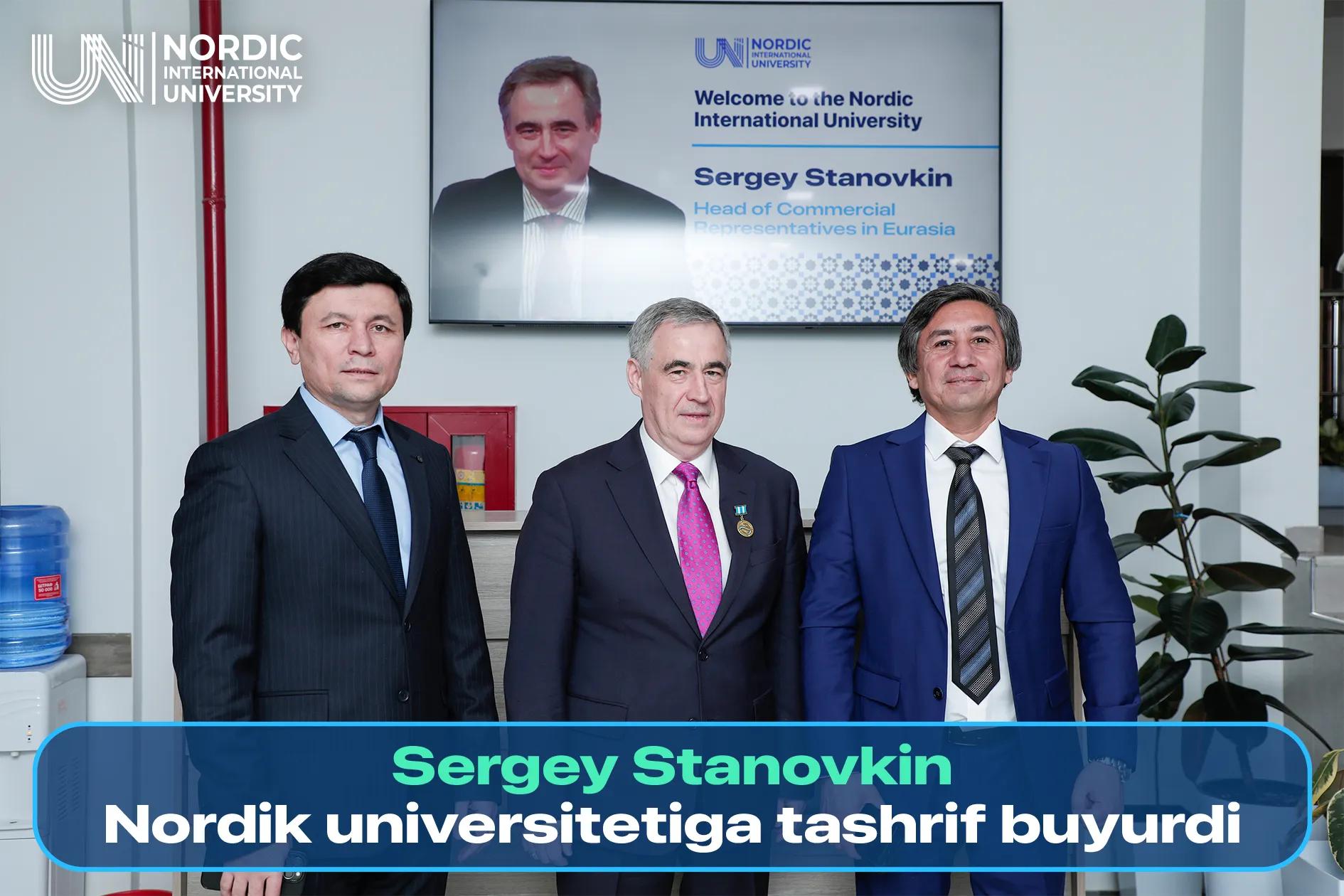
International Nordic University "Uzreport Academy of Journalism, Media and Communications" was visited by Sergey Stanovkin, head of commercial representatives of BBC for Eurasia, director of "European News Academy" and "Dars consulting".
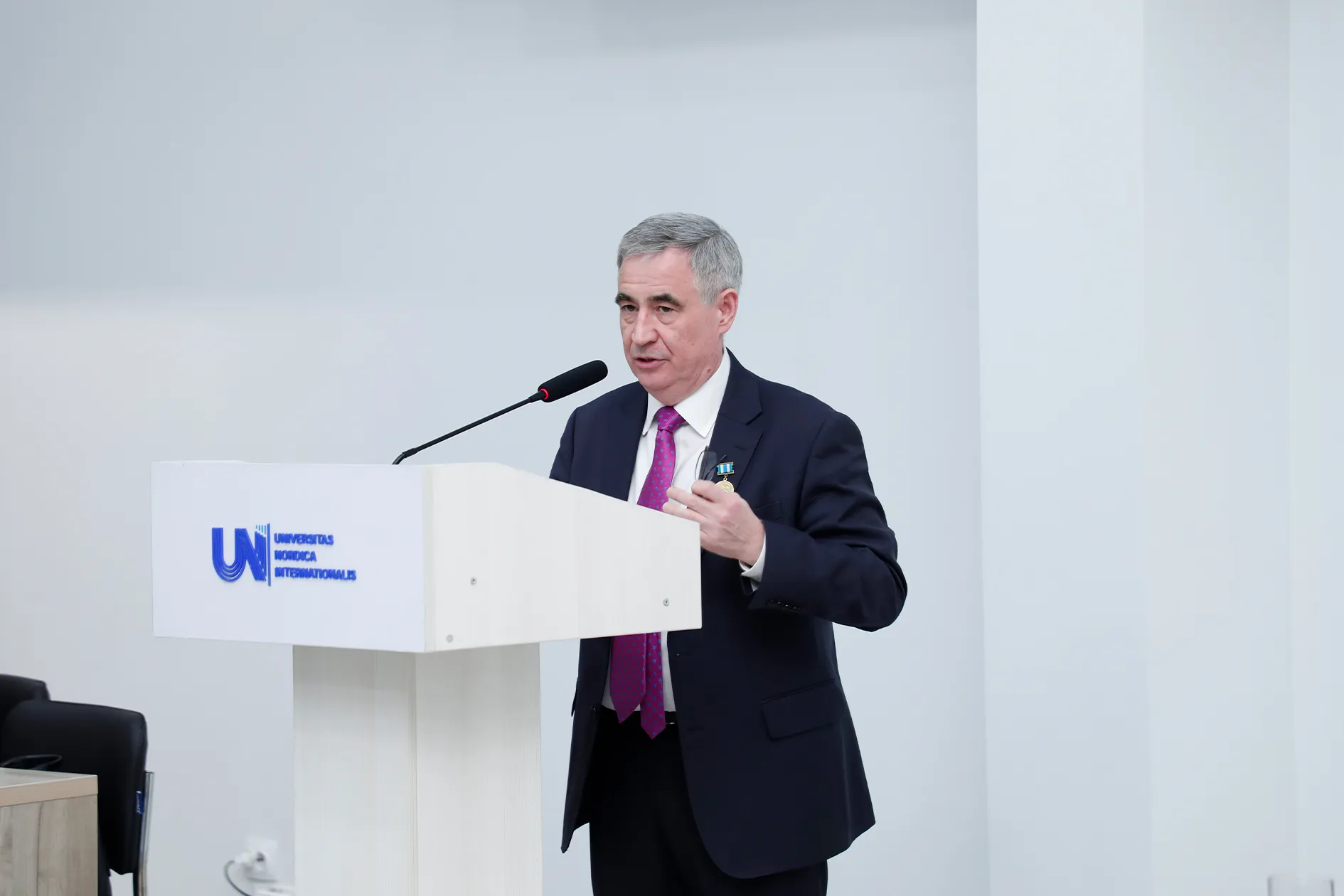
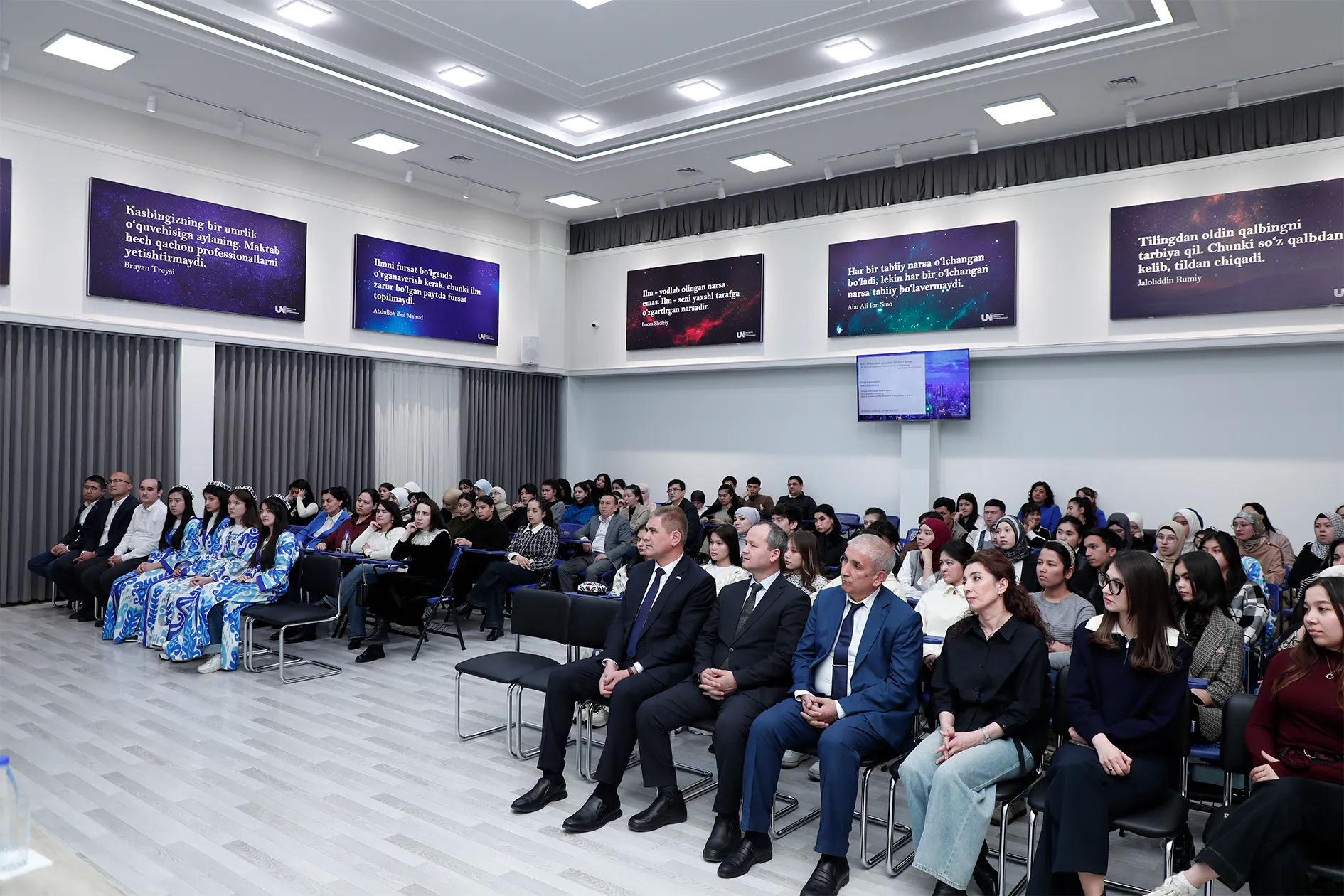
A meeting of students of Journalism department and specialty was organized with an experienced representative of the BBC editorial office. Sergey Stanovkin communicated with the students his experience in the field of international mass media and communications, his skills in managing commercial television programs, and his skills in promoting the innovative possibilities of global cooperation.
The speaker touched on the issue of stereotypes and recognized the importance of studying and forming them. He noted that it is difficult to fight with stereotypes, but it is often possible to use them.
At the meeting, students were presented with research data on the brand integrity and reputation levels of a number of mass media. Levels of credibility and reputation, their acceptance among the public were interpreted on the basis of diagrams.
"Personal competence of employees is a success factor in the field of public communications, especially the promotion of the country's brand and investments. This means not just developing and disseminating information, but mastering the art of strategic communications and acting in accordance with common brand goals.
The journalist's personal communication skills during the interview process and the ability to avoid difficult questions have a direct impact on the state's PR activities. In the interview process, it is important not only to analyze the information in depth, but also to present the material creatively.
The ability to correctly assess the information environment, choose the right media platforms and use them effectively, quickly analyze, verify and deliver in the most effective format is important.
At a time when fake news can damage the country's image, the journalist's ability to quickly and accurately check and confirm information and fight against false information is very important," said Sergey Stanovkin.
The importance of analyzing media platforms and taking into account their quantitative and qualitative aspects was also emphasized in the conversation. It was mentioned that success in the media strategy depends on the combination of tangible and intangible factors, that the reliability of the media source is often more important than the novelty of the message.
Also, it was analyzed based on various indicators how viewers watch and perceive different brands such as BBC World News, Bloomberg, CNBC, CNN. In particular, it was reported that the values of each brand are reflected in such indicators as reliable, effective, motivating, always the first to inform, and must be seen.
During the conversation, the speaker also shared his experience on important aspects of creating future brands of different countries. Video materials revealing the uniqueness of a number of countries, such as Norway and Germany, were shown.
It was mentioned that the country's brand is mentioned in global social media communications, it is appropriate to use clear, analytical information about its advanced technologies, heritage and culture, standard of living, in which areas it is the most experienced, natural beauty, compliance with environmental standards.
Some scenes from the 90-second mini-film prepared by the British studio DARS FILMS on the order of the Ministry of Foreign Affairs of Kazakhstan were shown. Based on the film, the history of modern Kazakhstan's development, competitive advantages and methods of presenting achievements were reviewed. Through the combination of the past and the present, the dynamic development of the country was revealed, and the future brand of the country was shown as having great potential for development.
In the lecture, the goals, tasks and solutions faced by journalists in promoting the country's image and brand were revealed in all aspects.
The master class took a broad look at the future of audiovisual media in the era of globalization and digital transformation. Students received answers to many questions they were interested in.
It was announced that the BBC's excellent experience in creating television, radio services and website content will serve as a unique experimental school for students and teachers training journalists, and in this regard, the BBC is ready to cooperate with the "Uzreport Academy of Journalism, Media and Communications" of the International Nordic University.
Sergey Stanovkin was awarded the title of Honorary Professor of the International Nordic University by the management of the university.
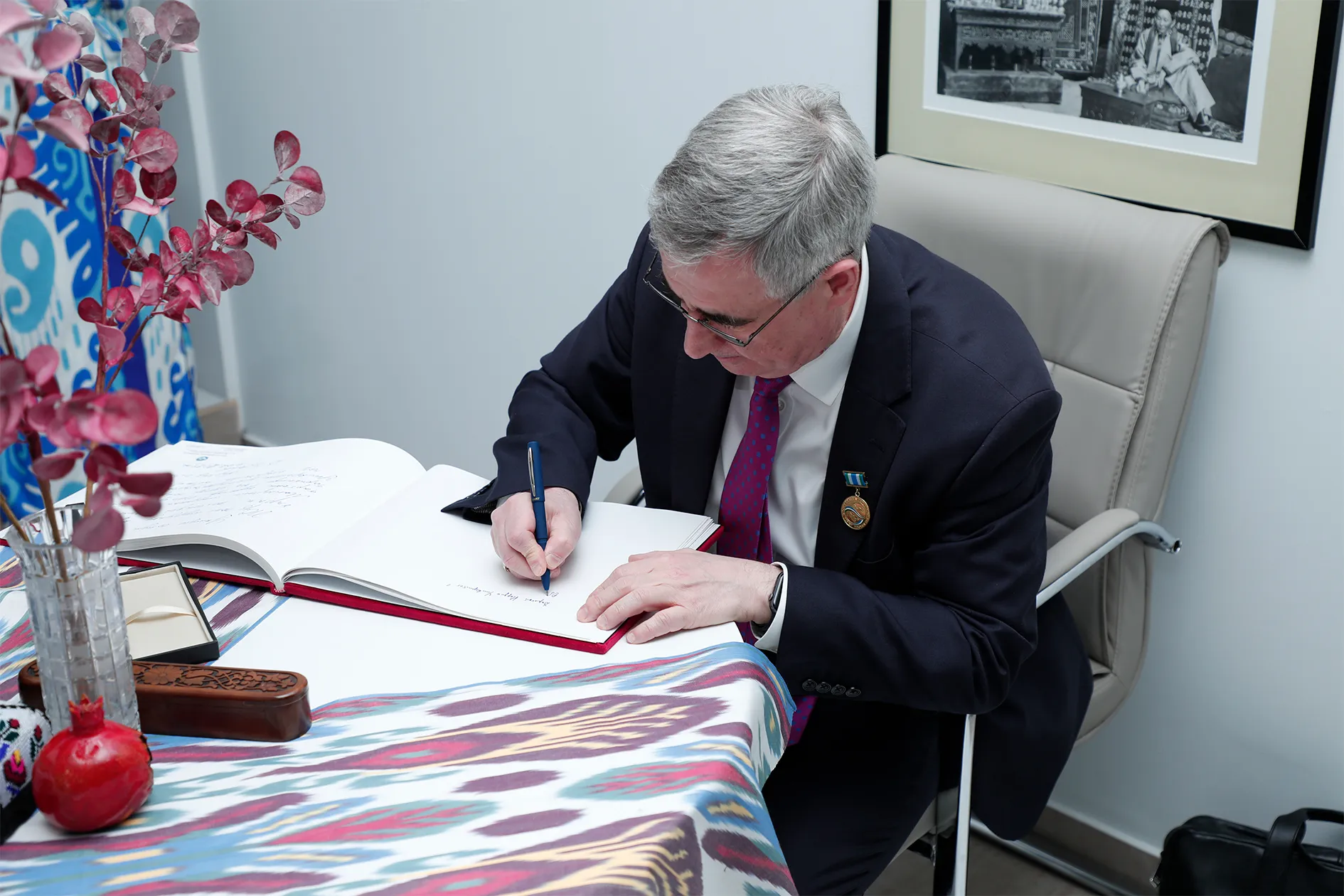
The influential guest wrote down his warm thoughts in the book of Nordic expressions.


Latest news

The 12th Meeting of the NIU Council: Review of 2025 and Prospects for 2026
First, reports were presented by responsible officials on the agenda item “Review of scientific research activities carried out at the university in 2025 and approval of the 2026 plan.” The effectiveness of research activities, the quality of publications and studies, and the results achieved in priority scientific areas were analyzed. Goals and performance indicators for 2026 were defined.
The Council also reviewed and approved a number of important documents regulating the educational process, including regulations, a Roadmap, and guidelines.
In particular, the newly adopted guidelines on the use of artificial intelligence established procedures for the responsible, transparent, and effective use of modern technologies in education and scientific research.
During the meeting, several other issues were considered, such as the submission of documents for obtaining the academic title of professor; the results of surveys conducted among students and staff (including a problem bank, proposals, and conclusions); and recommendations for publishing educational materials developed by faculty members.
As a result of the meeting, important decisions were adopted aimed at strengthening the integration of scientific governance, academic quality, and innovative approaches at the university. Tasks were set for 2026 to increase the effectiveness of research activities and to elevate the quality of education to a new level.
At the meeting, faculty members who achieved notable scientific accomplishments and received recognition during the year were warmly honored and congratulated on their successes.

Uzbekistan–Sweden Educational Dialogue: New Opportunities within a Global Scholarship Program
This meeting became another important initiative aimed at connecting young people of Uzbekistan with prestigious educational and professional development opportunities in Europe.
Along with representatives of the Embassy, the dialogue was attended by representatives of the Ministry of Higher Education, Science and Innovations of the Republic of Uzbekistan, the “El-yurt umidi” Foundation, Nordic International University, and the University of World Economy and Diplomacy.
As a result of the Embassy’s efforts, Uzbekistan was included in the GPS program list covering 34 countries. This program opens significant opportunities, particularly for talented young people completing their undergraduate studies, to pursue education and gain professional experience in Sweden.
During the dialogue, the leadership of Nordic International University delivered a presentation on the university’s activities and international academic initiatives. In addition, in order to further expand cooperation, a proposal was made to launch Swedish language courses, alongside Finnish, at Nordic International University. This initiative is intended to strengthen educational integration and enhance cultural exchange.
At the conclusion of the discussions, Nordic International University was recognized as playing an important role as an “intensive hub” in the development of academic, scientific, and cultural cooperation between Uzbekistan and the countries of Northern Europe.

Gifts Caravan from Nordic International School
The traditional charity event, initiated by the teachers of Nordic International School and the parents of its students, was filled with care, kindness, and sincere compassion.
The children’s pure and heartfelt letters to Santa Claus did not go unanswered — every single wish came true.
New Year gifts, warm wishes and congratulations, songs and music, cheerful moments, and most importantly, genuine love and care brought light to the children’s hearts and smiles to their faces.

Digital Transformation and Artificial Intelligence in Higher Education: A Step Toward University 4.0 and 5.0
At the seminar, Alisher Abdullayev, Director of the Center for the Development of Digital Education Technologies under the Ministry of Higher Education, Science and Innovation of the Republic of Uzbekistan, shared new knowledge and practical experience with faculty members on global trends, applied solutions, and strategic approaches that are fundamentally transforming higher education.
Quote:
“Artificial intelligence learns, analyzes, makes decisions, and develops itself like a human. Today it is an assistant; tomorrow it will become a strategic partner in education.
• Universities are no longer factories, but centers of innovation.
• Future universities are based on the principle of knowledge + personalization, individualization + global integration.
• Individual work with each student is now becoming a real opportunity.
• Modern university laboratories must have GPU servers, because artificial intelligence cannot develop without infrastructure.
• AI can assist in writing articles, but it cannot replace the researcher.
• Universities should no longer chase technology, but become centers that create and manage it.”
During the seminar, modern university models were analyzed in depth, and the importance of moving toward the concepts of University 4.0 and 5.0 was emphasized.
Through AI technologies:
• students’ knowledge levels are analyzed
• learning trajectories are personalized
• efficient use of time and resources is ensured
Artificial intelligence is creating new opportunities for students, teachers, and universities.
The speaker paid special attention to the practical application of AI in educational processes, including:
• analysis and assessment of essays,
• automatic generation of tests and assignments,
• in-depth analysis of GPA and academic activity,
• monitoring examinations through AI proctoring.
Scientific research and AI mean both opportunity and responsibility. The seminar thoroughly analyzed not only the possibilities of using AI in scientific activity, but also the risks:
• incorrect conclusions
• misinterpretation of context
• errors related to citations and authorship
• decline in the quality of original research
Issues such as the DOI system, adherence to academic ethics, and avoiding predatory journals were also highlighted as pressing scientific concerns.
Today, administrative, academic, and financial processes in higher education are fully digitized:
207 higher education institutions, 1.7 million students, 45,000 faculty members, 30 key information systems, and 40 electronic services have been integrated into a single platform.
Through HEMIS AI, students receive individualized academic and career recommendations; AI mock interviews are conducted; resumes and vacancies are matched; and graduate employment is monitored.
The seminar once again emphasized that artificial intelligence in higher education is not the future, but a tool of today. The main task is to use technology wisely, responsibly, and in accordance with scientific ethics.
At the end of the seminar, faculty members’ suggestions and feedback were heard, and their questions were answered.