News
Literature Night: A Look at the Art of Translation and the skills of a Master Translator

March 05 , 2025
236
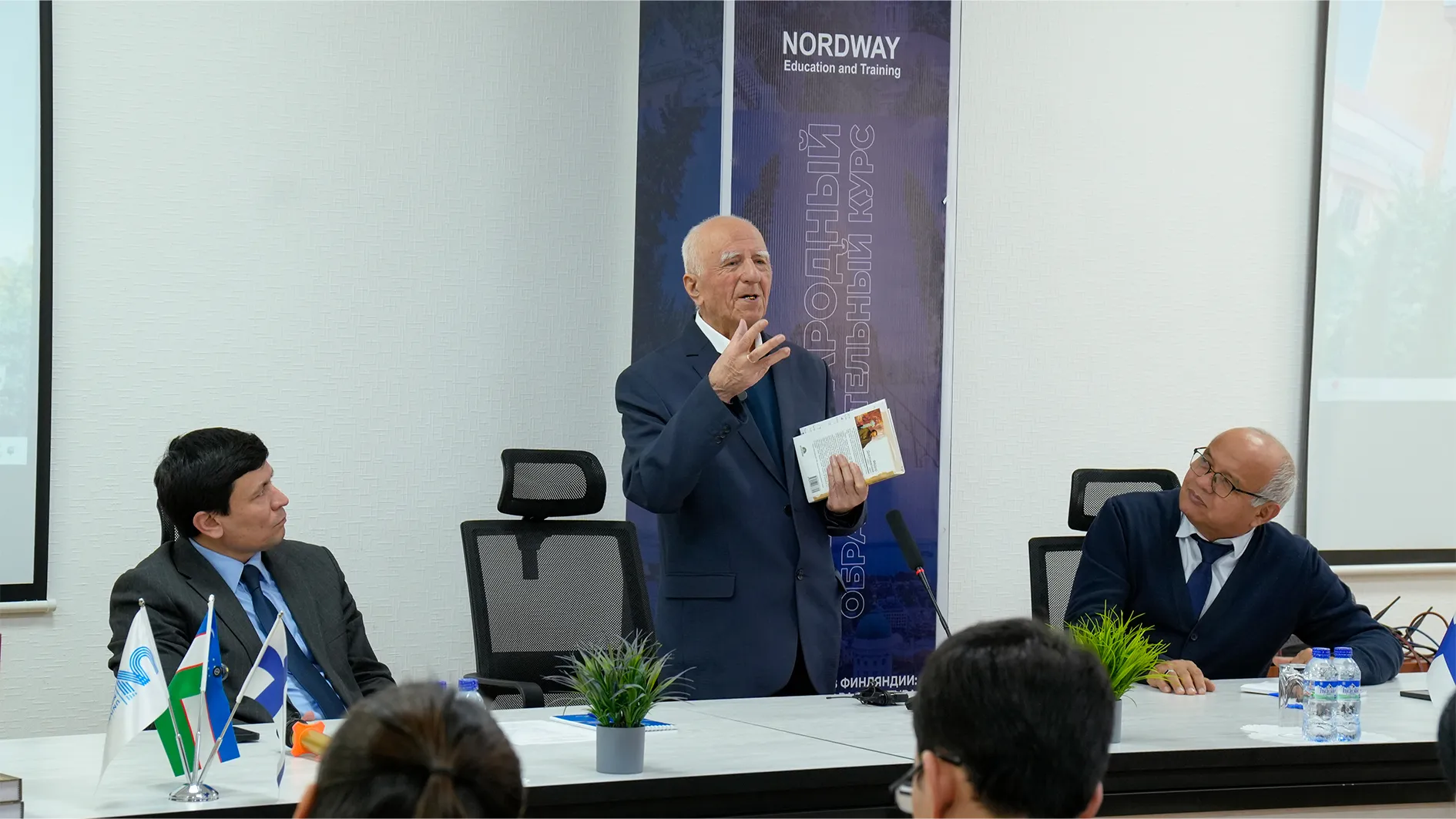
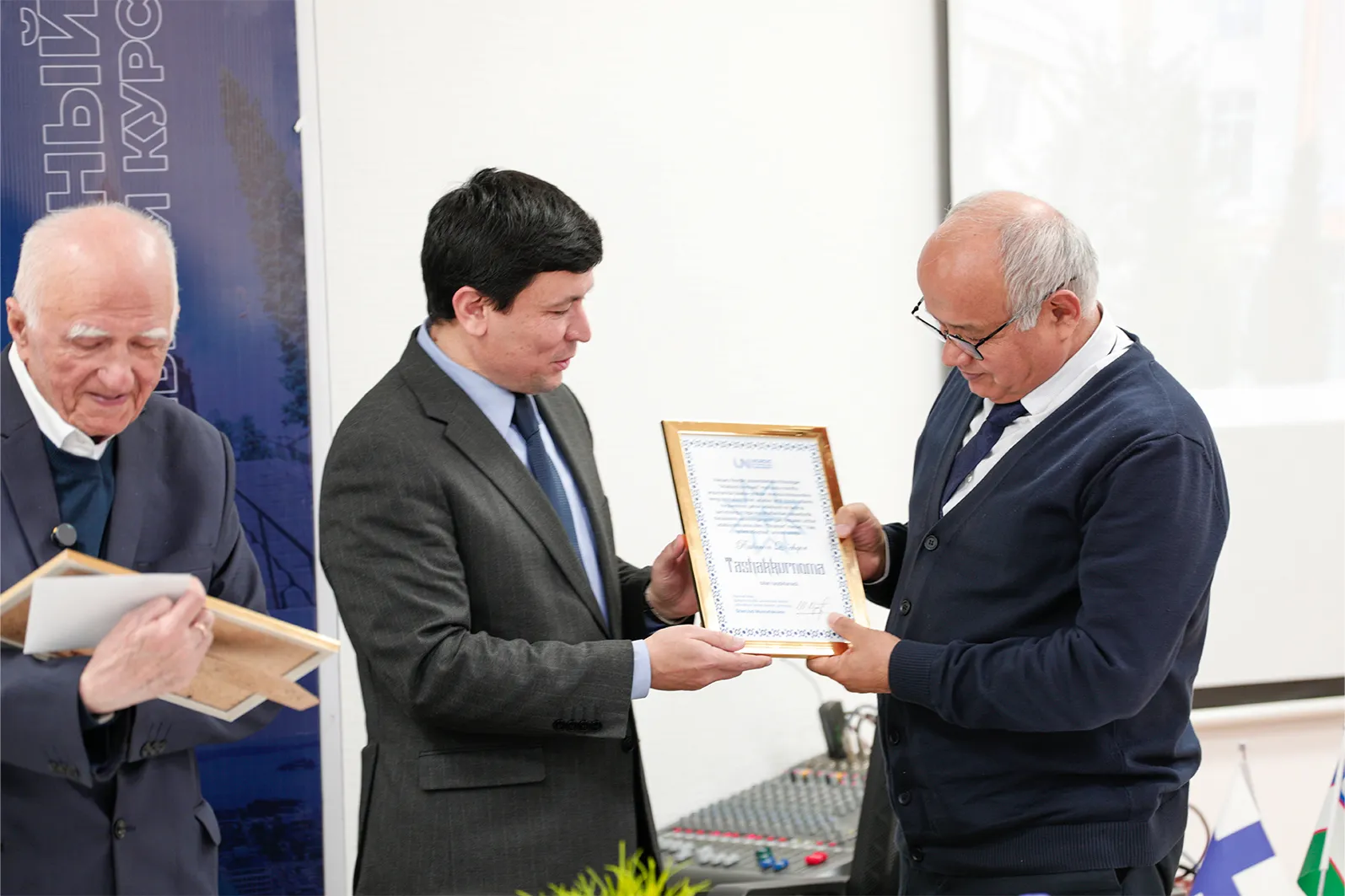
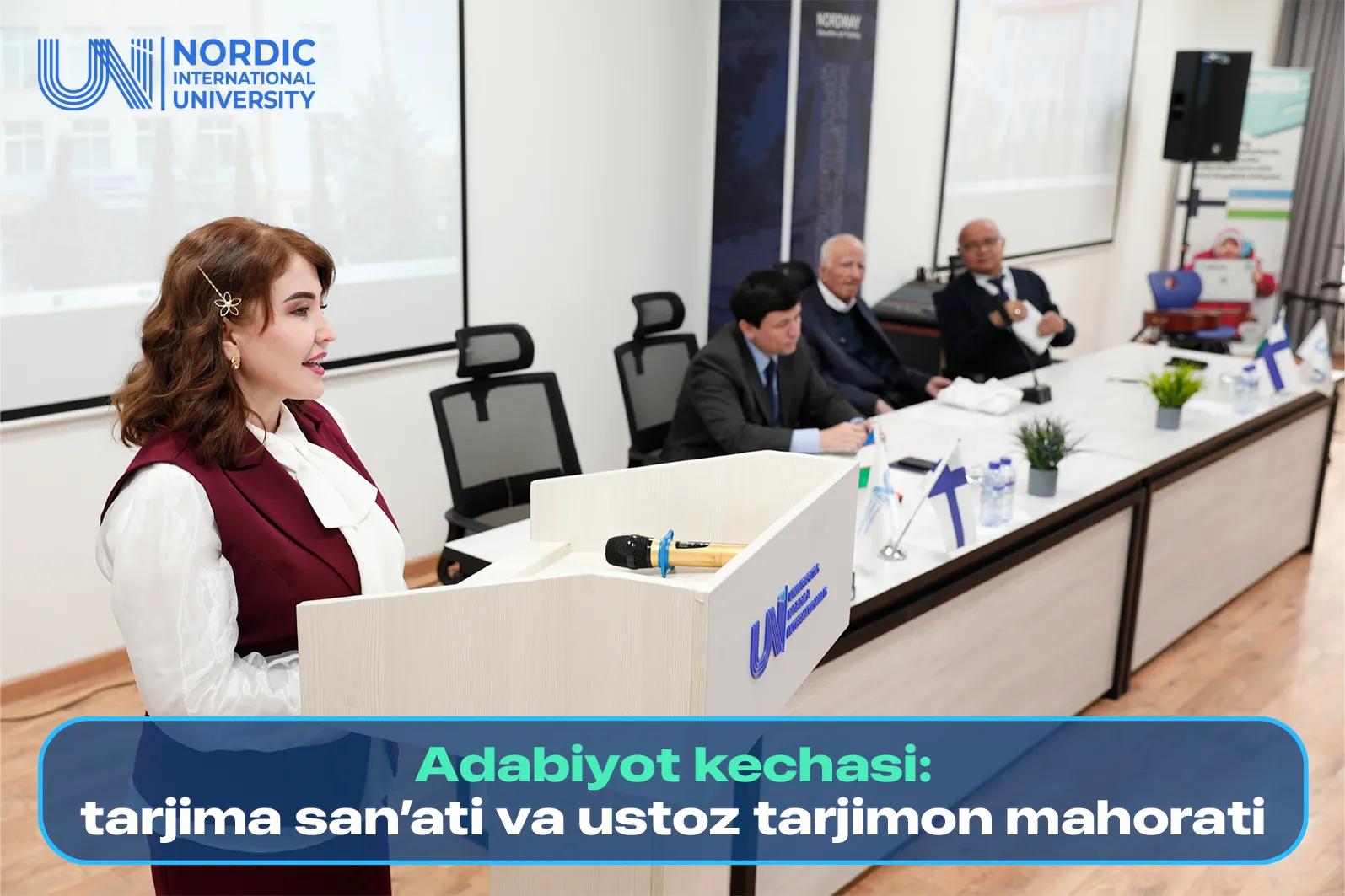
At Nordic University, a special “Literature Night” was held featuring Ibrohim G‘afurov—a renowned writer, exceptional translator, literary critic, recipient of the Order of Friendship, and Hero of Uzbekistan—alongside Rahmon Qo‘chqor, a distinguished literary scholar, recipient of the “Shuhrat” Medal, and the “Excellence in Public Education” titleholder.
Literature uplifts the soul, sharpens taste, and enlightens the mind. This traditional literary event, dedicated to the discussion of world-renowned masterpieces, focused on a deep analysis of Fyodor Dostoevsky’s Crime and Punishment.
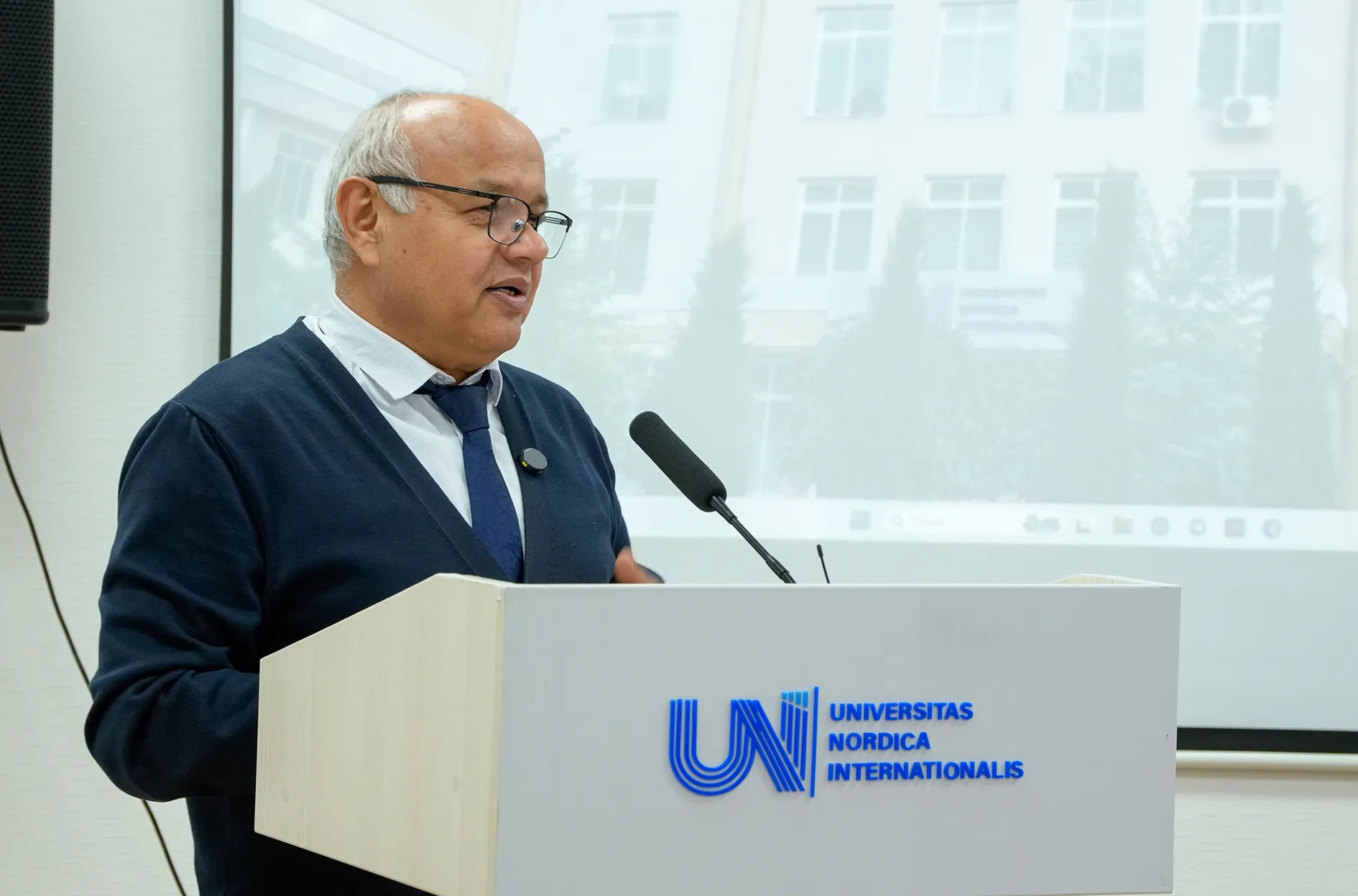
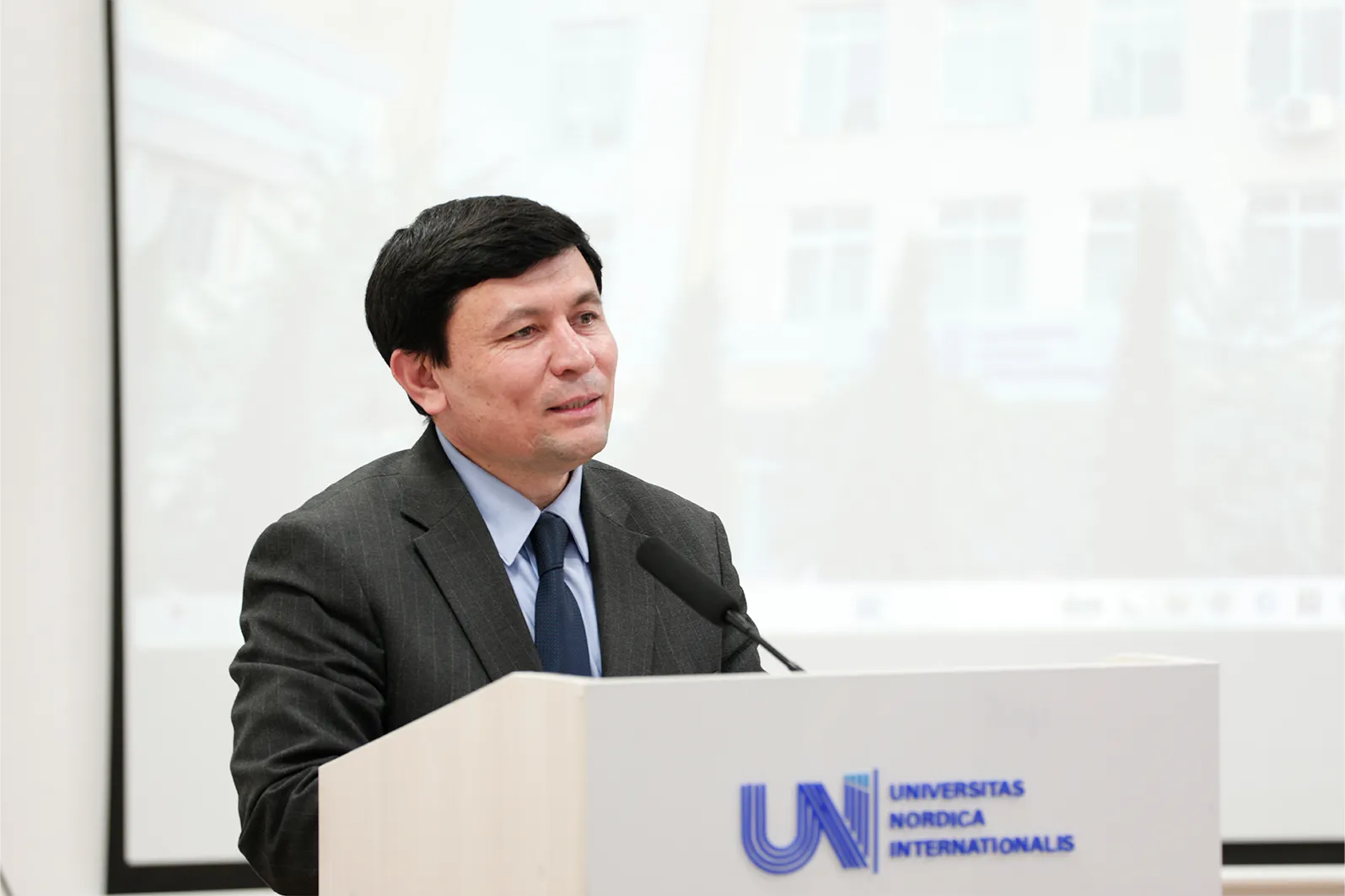
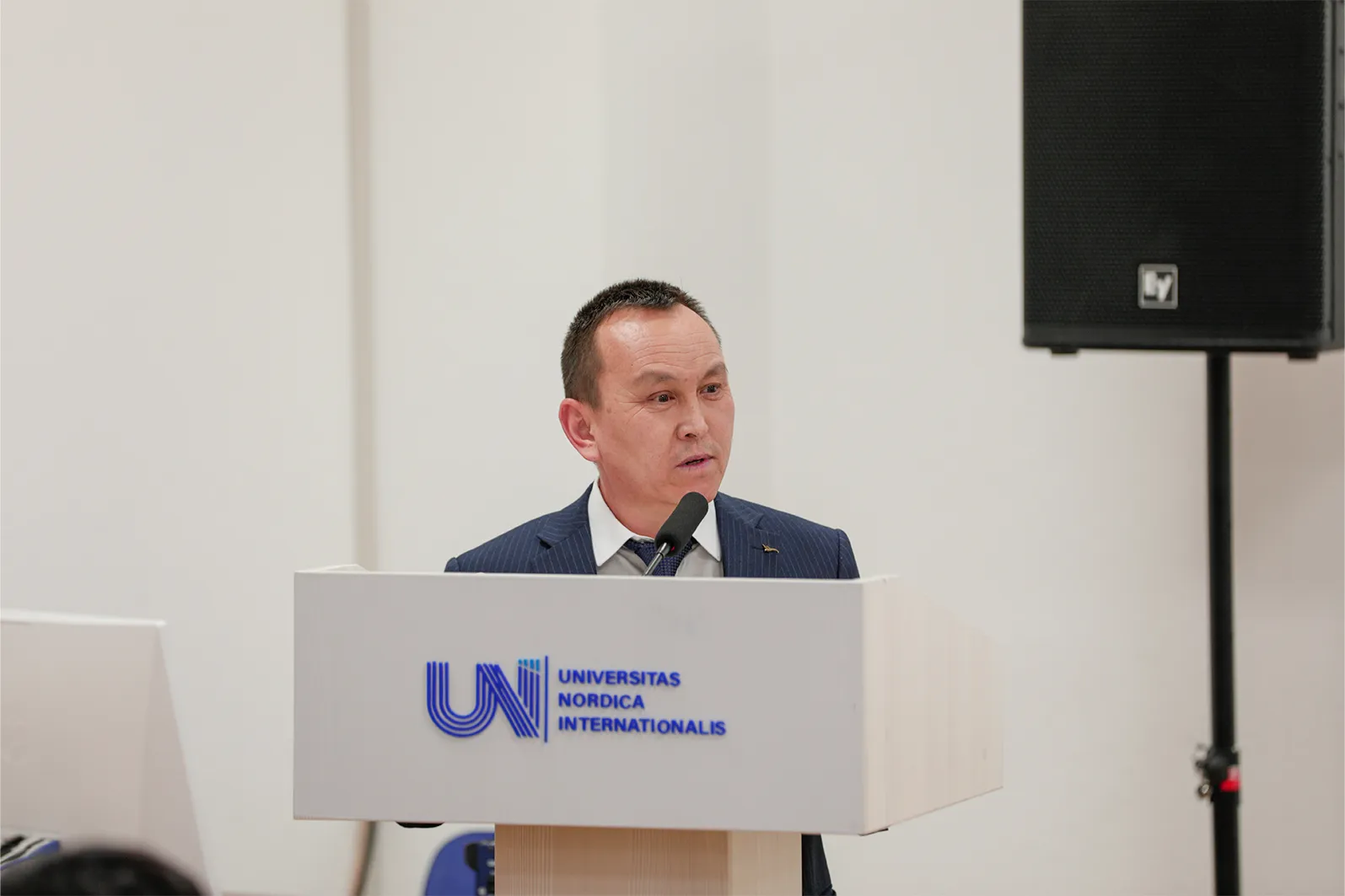
The event, attended by students from the Journalism and Music Education faculties, was opened by Rector Sherzod Mustafakulov, who highlighted the creative journey of skilled translator Ibrohim G‘afurov and the author of the "Hayrat" show
Rahmon Qo‘chqor, as well as their significant contributions to literature and academia. He also spoke about Crime and Punishment, one of the most influential and widely analyzed works in world literature, and its unforgettable protagonist.
During the event, Ibrohim G‘afurov provided students with profound insights into the art of translation, its challenges, and the psychological and character intricacies reflected in Dostoevsky’s works.
“Journalism and literature are deeply connected. Discussing Dostoevsky’s works allows us to gain a deeper spiritual understanding of what literature truly is. My passion for literature ignited in childhood, and I believe that if a love for books is nurtured early, it lasts a lifetime, regardless of circumstances. Dostoevsky’s works introduce a fascinating new artistic dimension. When I realized that translation has the power to refine minds, influence morality, and unite people around significant issues, I developed a deep interest in this craft.
Engaging with world literature has transformed my life’s purpose—choosing and translating books that enrich the human spirit, expand knowledge, and promote wisdom, etiquette, and beauty. Dostoevsky’s works, in particular, lack redundancy; their sharp and beautifully structured narratives feel as familiar as our own literature. A translation must be so artistically perfect that the reader becomes fully immersed, experiencing no hesitation or doubt. The most noble and universal emotions must be conveyed as they are. Even as I re-read my own translation of Crime and Punishment before today’s event, I felt a profound sense of excitement and wonder…”
— Ibrohim G’afurov
At the event, Rahmon Qo‘chqor also shared a comprehensive analysis of Crime and Punishment, discussing the artistic brilliance of the novel, the phenomenon of Dostoevsky, and the translator’s unique mastery in capturing its essence. He emphasized that such translations enhance literary literacy and require deep reflection to truly comprehend. Describing Crime and Punishment, he noted that “it is not just the text, but an entire era that has been translated.” He also expressed appreciation for the significance of this literary gathering.
Students gained insight into the inspiration and challenges behind translation, explored hidden truths within the novel, and discovered new analytical perspectives.
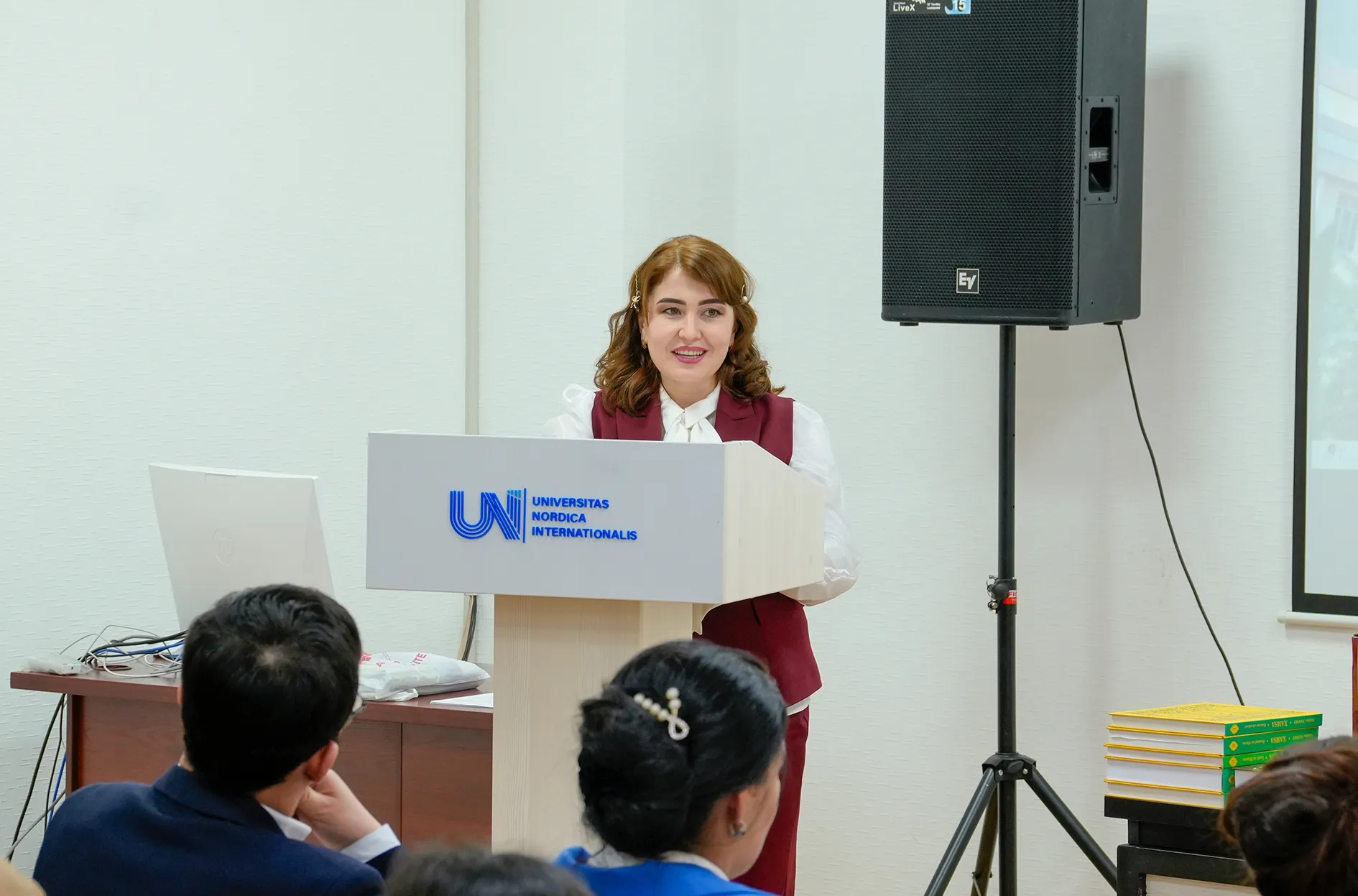
The event also featured student reflections on Crime and Punishment, as well as a musical interlude by the “Nordic Taronasi” ensemble, performing classical pieces.
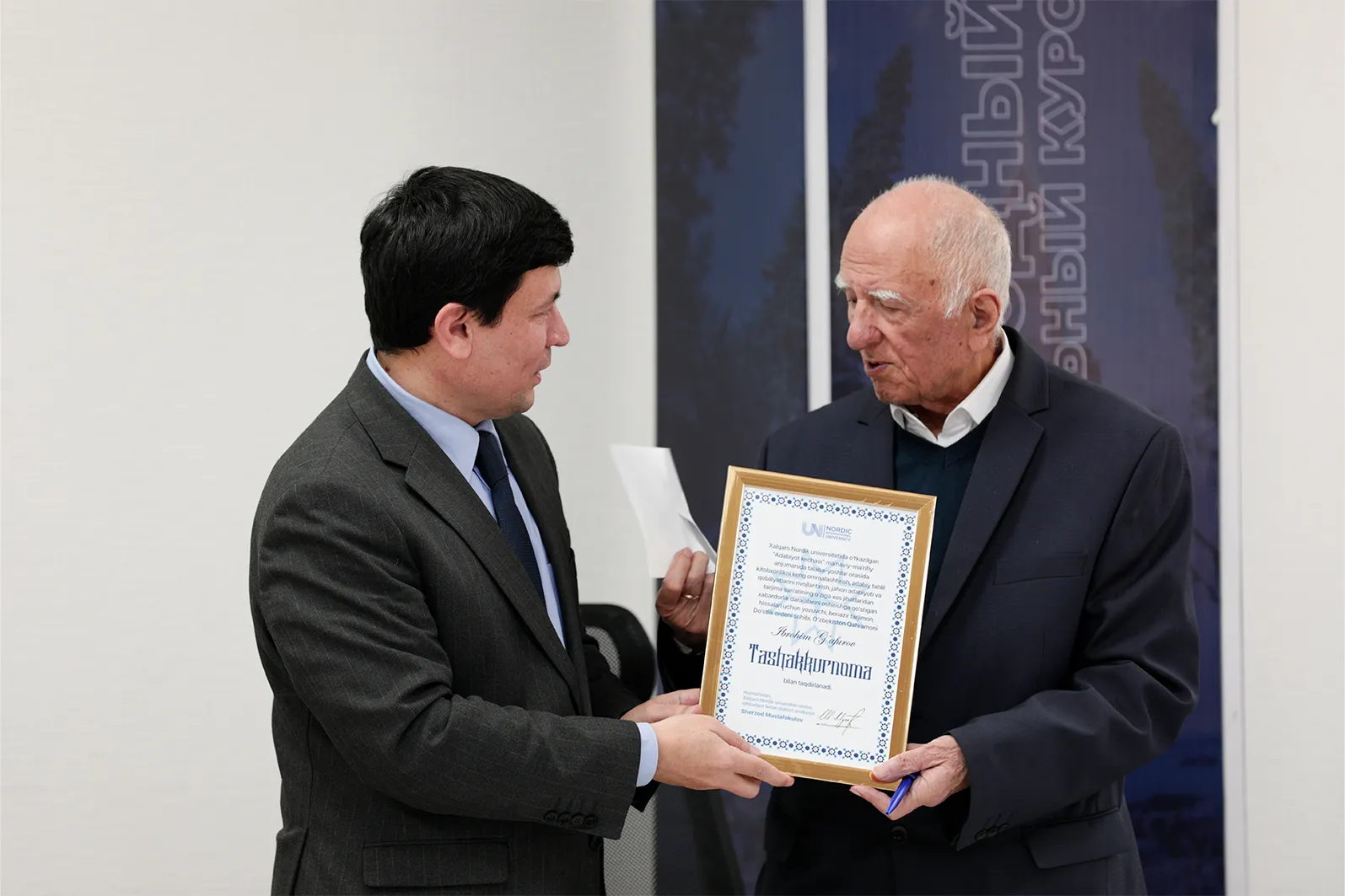
To conclude the gathering, the guests were honored for their participation, and the evening ended on a high note.
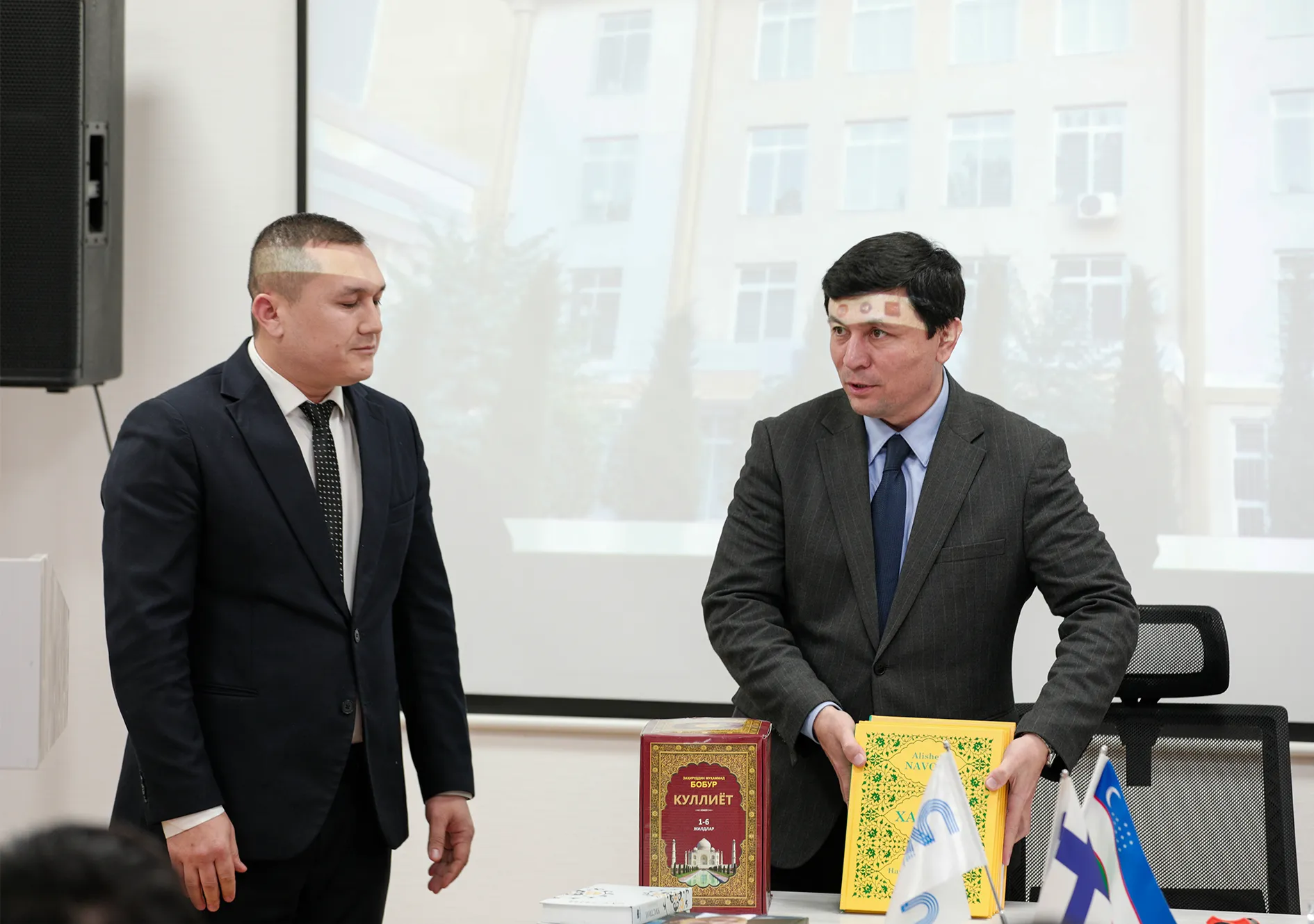
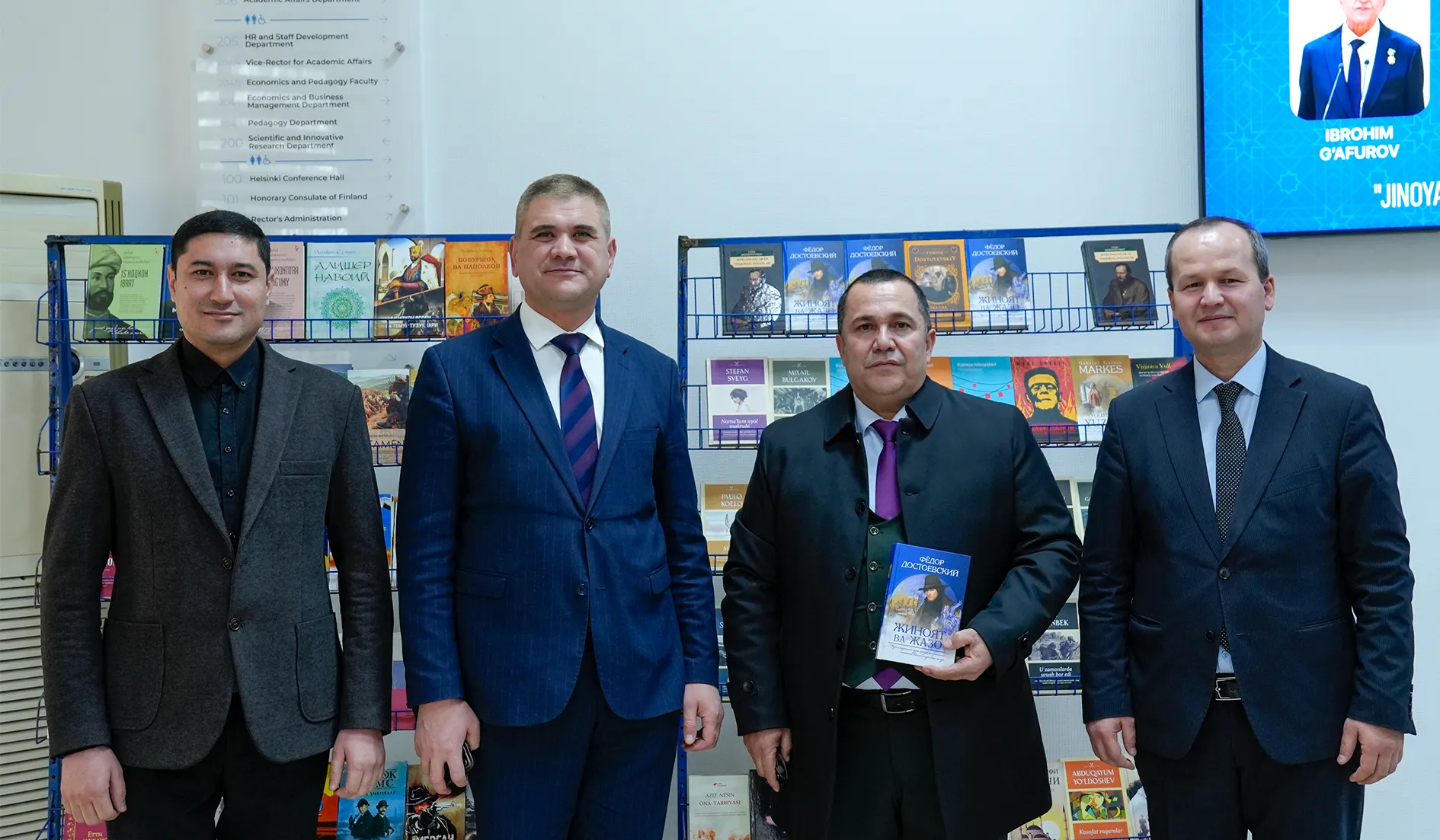
As part of the event, the “Yangi asr avlodi” Publishing House hosted a special exhibition of Ibrohim G‘afurov’s translations, including Dostoevsky’s works and many other newly published books.


Latest news

Nordic Rector Meets with Researchers
The university leadership is creating a supportive academic environment for them, providing scientific supervision and opportunities for professional development.
With the aim of supporting young scholars, Rector Sherzod Mustafakulov held an open dialogue with researchers and doctoral students.
During the meeting, current research topics, opportunities for publishing articles in prestigious internationally indexed journals, participation in grants and projects, as well as issues related to enhancing the scientific potential of doctoral students and providing them with systematic support were discussed in detail.

A New Resource for Future Finance Professionals
It consistently presents the principles and functions of taxation, the tax base and rates, as well as calculation and payment mechanisms, illustrated with real-life examples.
The textbook is a systematic, practical, and up-to-date resource designed to develop solid knowledge and professional competencies among students studying economics, finance, and accounting.
Author: Zafarjon Abdullayev

Training Week: A Platform for Professional Growth for Nordic Educators
The trainings delivered by experienced trainers—covering artificial intelligence and digital education, gamification and innovative methods, assessment, and lesson planning—are serving as a strong platform for educators’ professional development.
The practical sessions provide broad opportunities for teachers to update their knowledge and skills.

The 12th Meeting of the NIU Council: Review of 2025 and Prospects for 2026
First, reports were presented by responsible officials on the agenda item “Review of scientific research activities carried out at the university in 2025 and approval of the 2026 plan.” The effectiveness of research activities, the quality of publications and studies, and the results achieved in priority scientific areas were analyzed. Goals and performance indicators for 2026 were defined.
The Council also reviewed and approved a number of important documents regulating the educational process, including regulations, a Roadmap, and guidelines.
In particular, the newly adopted guidelines on the use of artificial intelligence established procedures for the responsible, transparent, and effective use of modern technologies in education and scientific research.
During the meeting, several other issues were considered, such as the submission of documents for obtaining the academic title of professor; the results of surveys conducted among students and staff (including a problem bank, proposals, and conclusions); and recommendations for publishing educational materials developed by faculty members.
As a result of the meeting, important decisions were adopted aimed at strengthening the integration of scientific governance, academic quality, and innovative approaches at the university. Tasks were set for 2026 to increase the effectiveness of research activities and to elevate the quality of education to a new level.
At the meeting, faculty members who achieved notable scientific accomplishments and received recognition during the year were warmly honored and congratulated on their successes.