Youth, Peace, and Security: Central Asian Youth at the Negotiating Table

April 28 , 2026
80
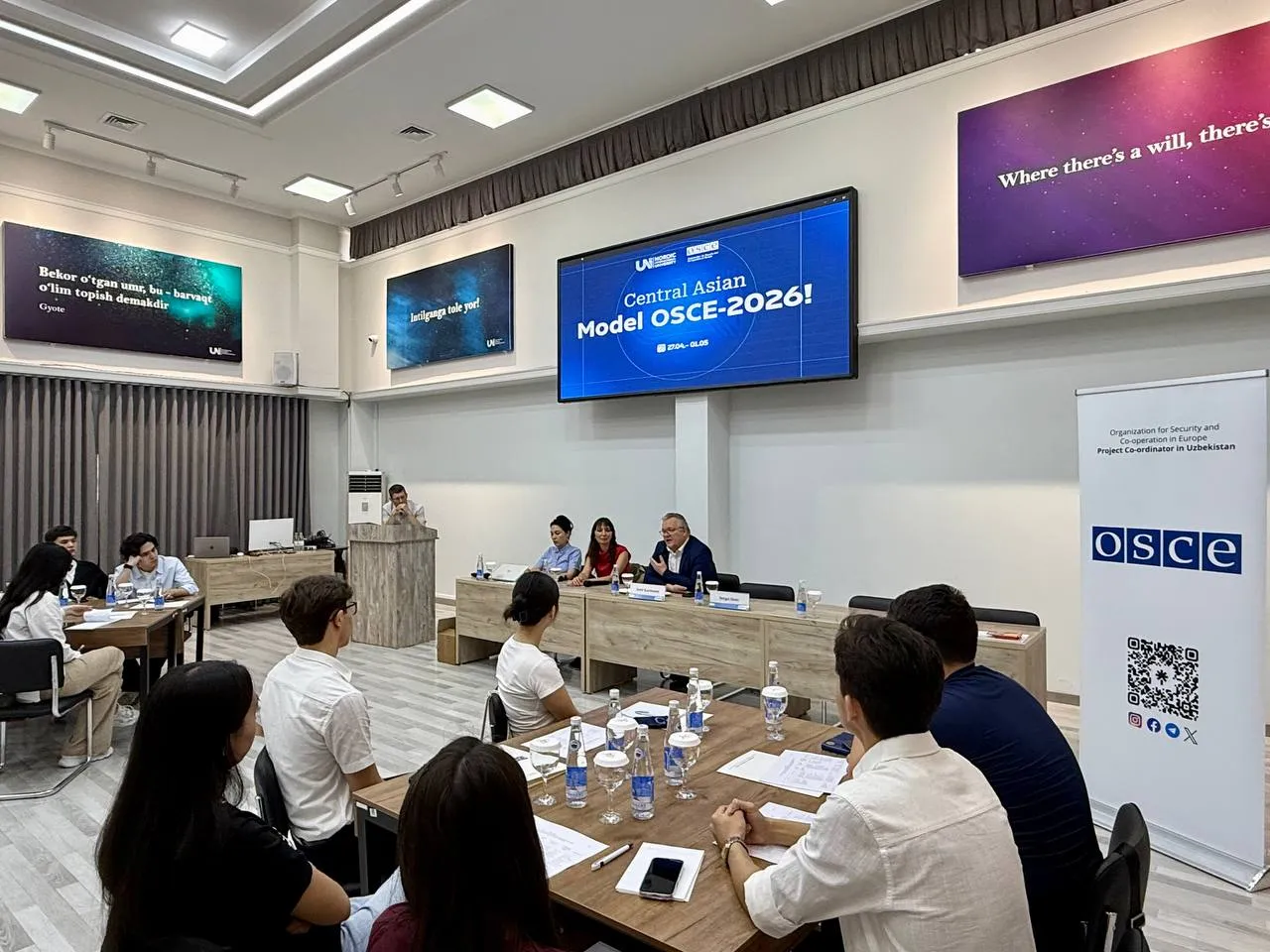
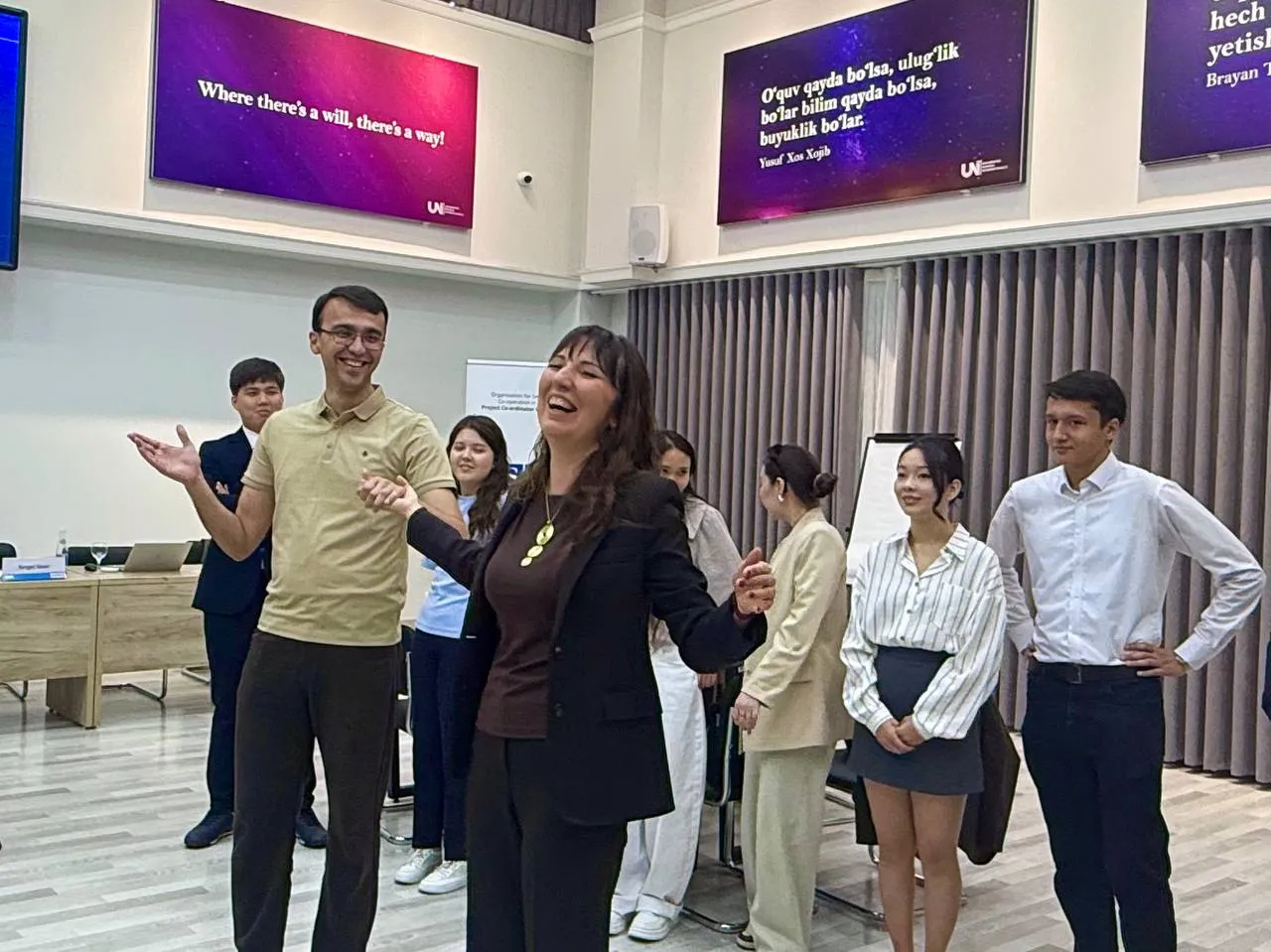
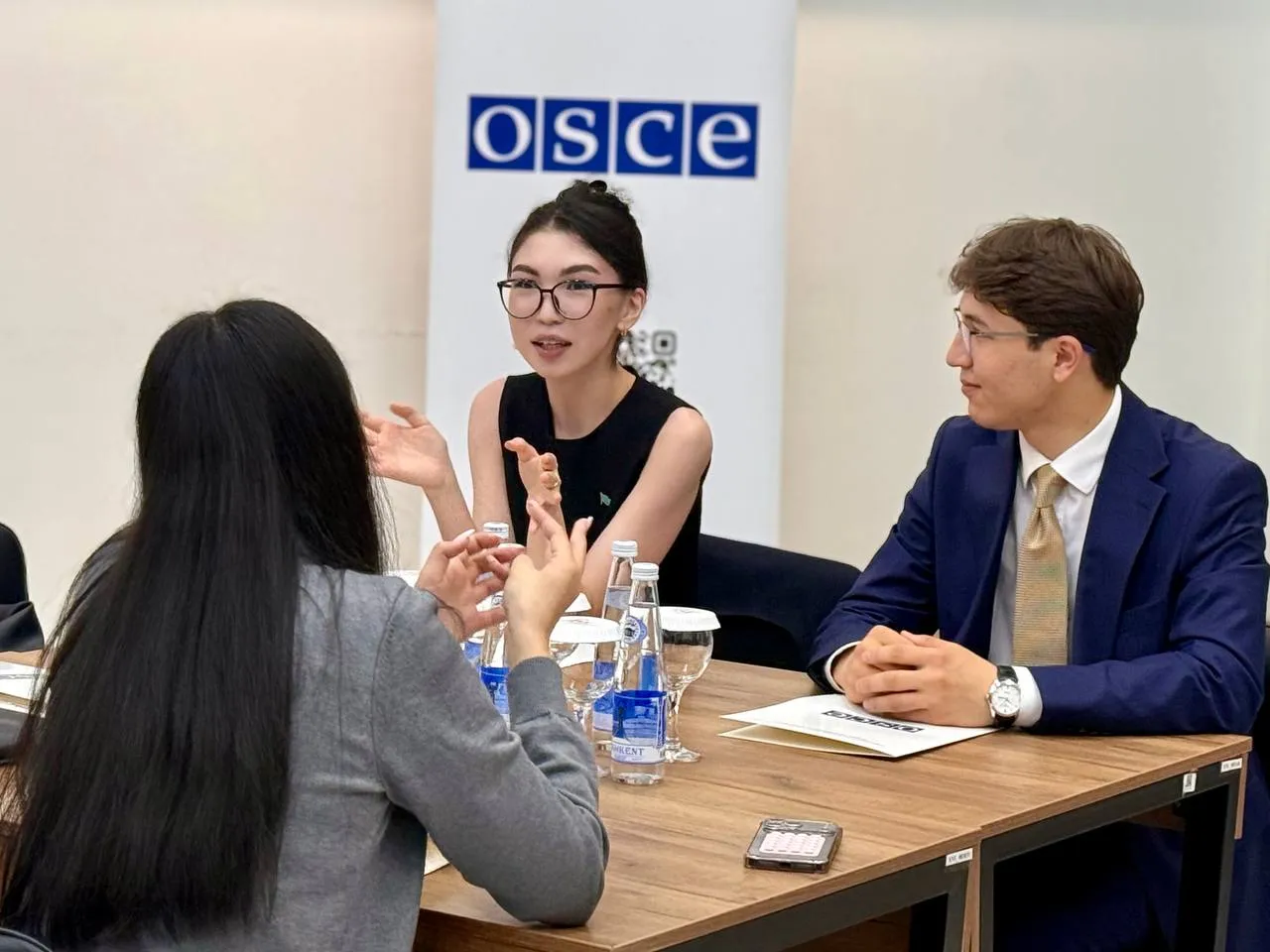
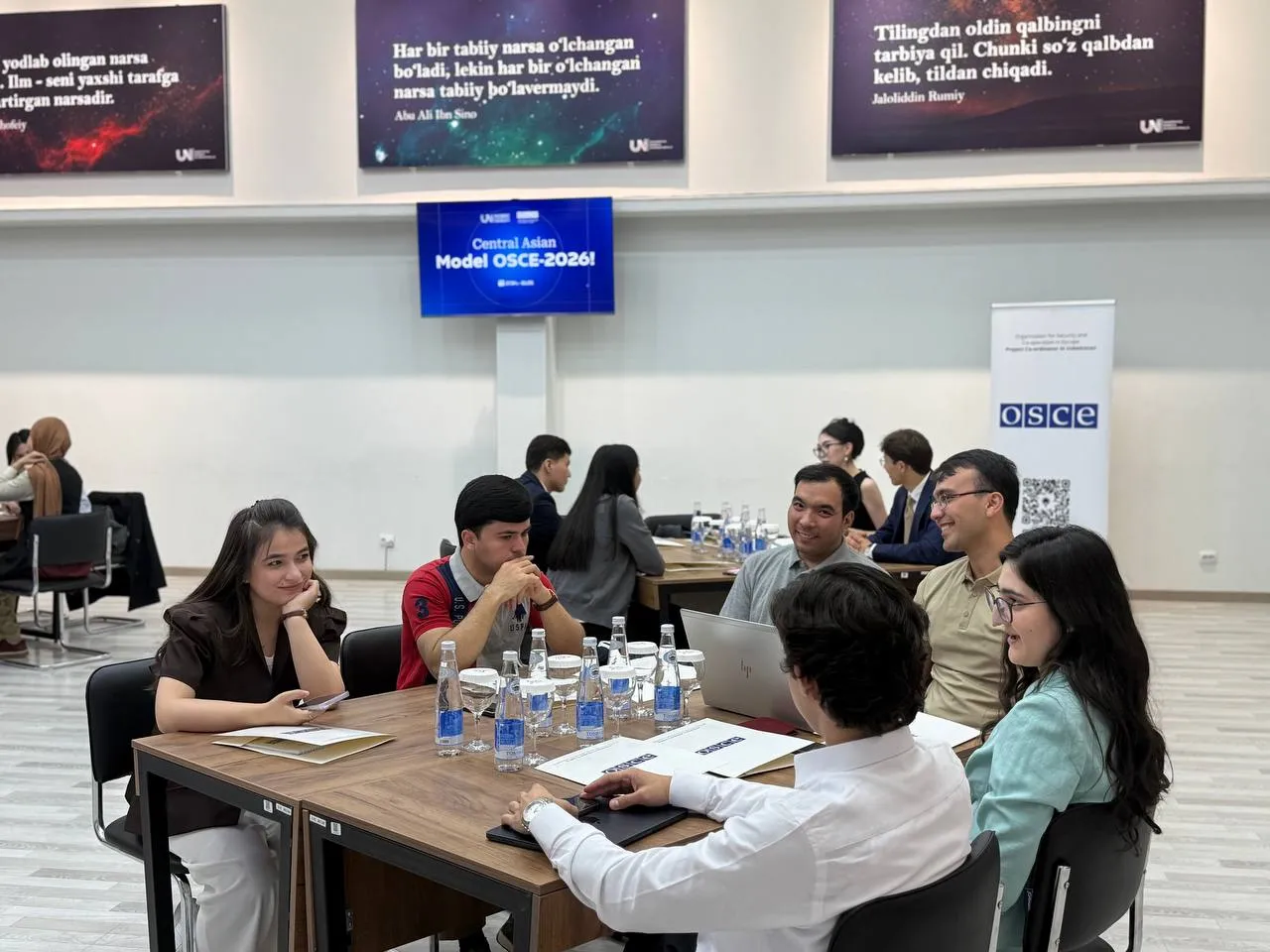
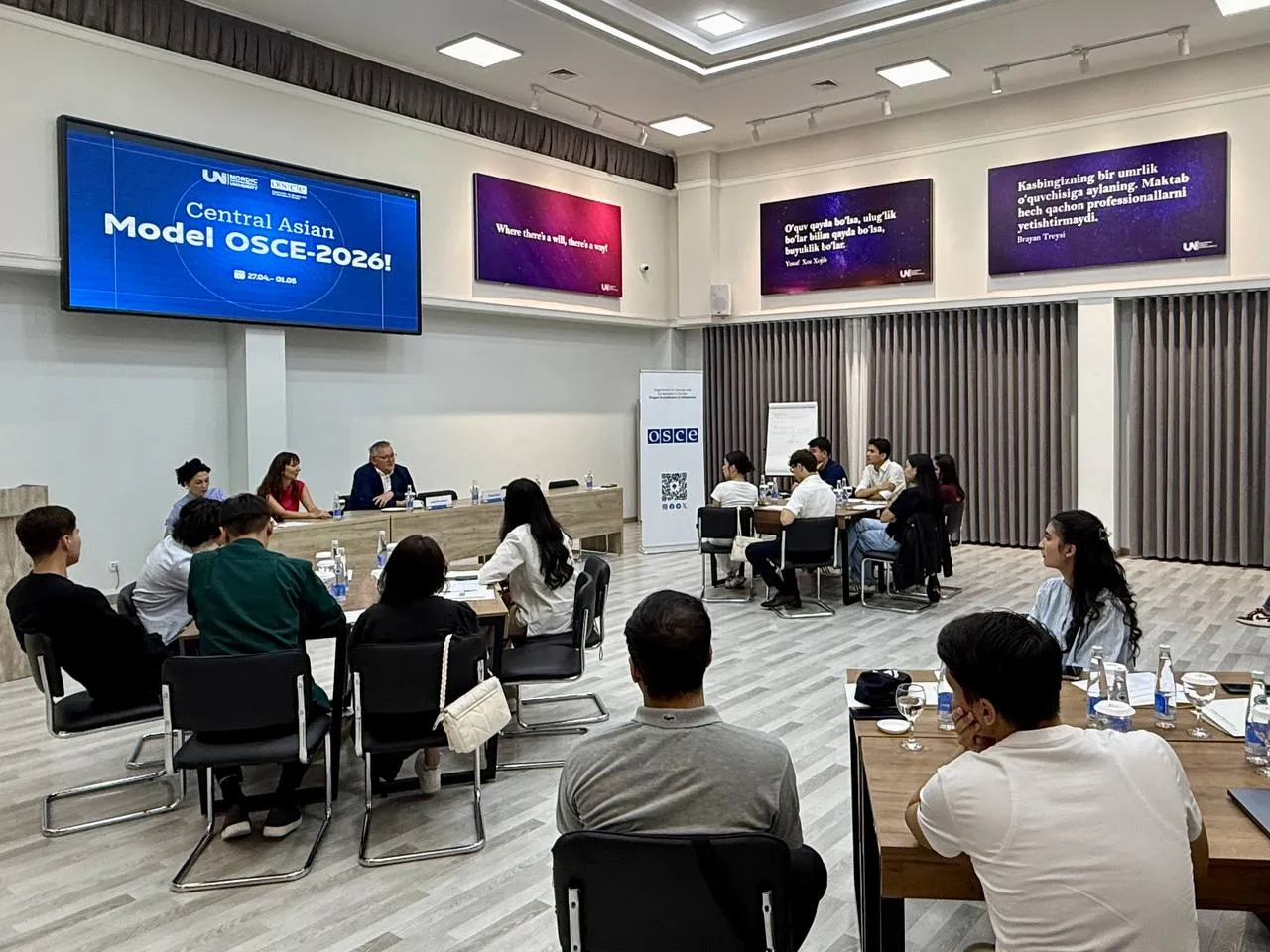
The international educational forum “Central Asian Model OSCE 2026” is currently taking place at the Nordic International University.
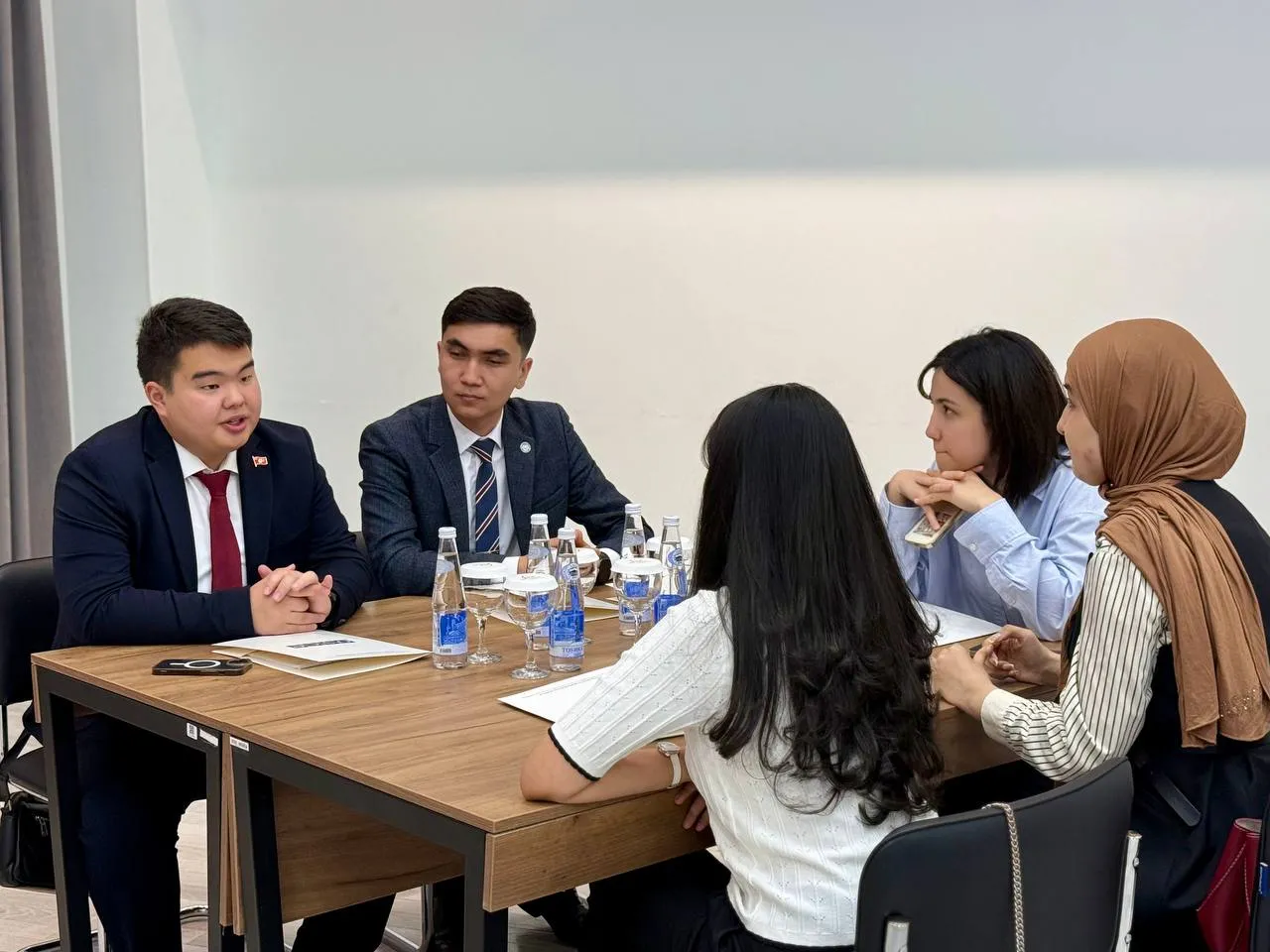
Launched on April 27, this prestigious event has brought together 25 outstanding young participants selected from four Central Asian countries—Kazakhstan, Kyrgyzstan, Tajikistan, and Uzbekistan.
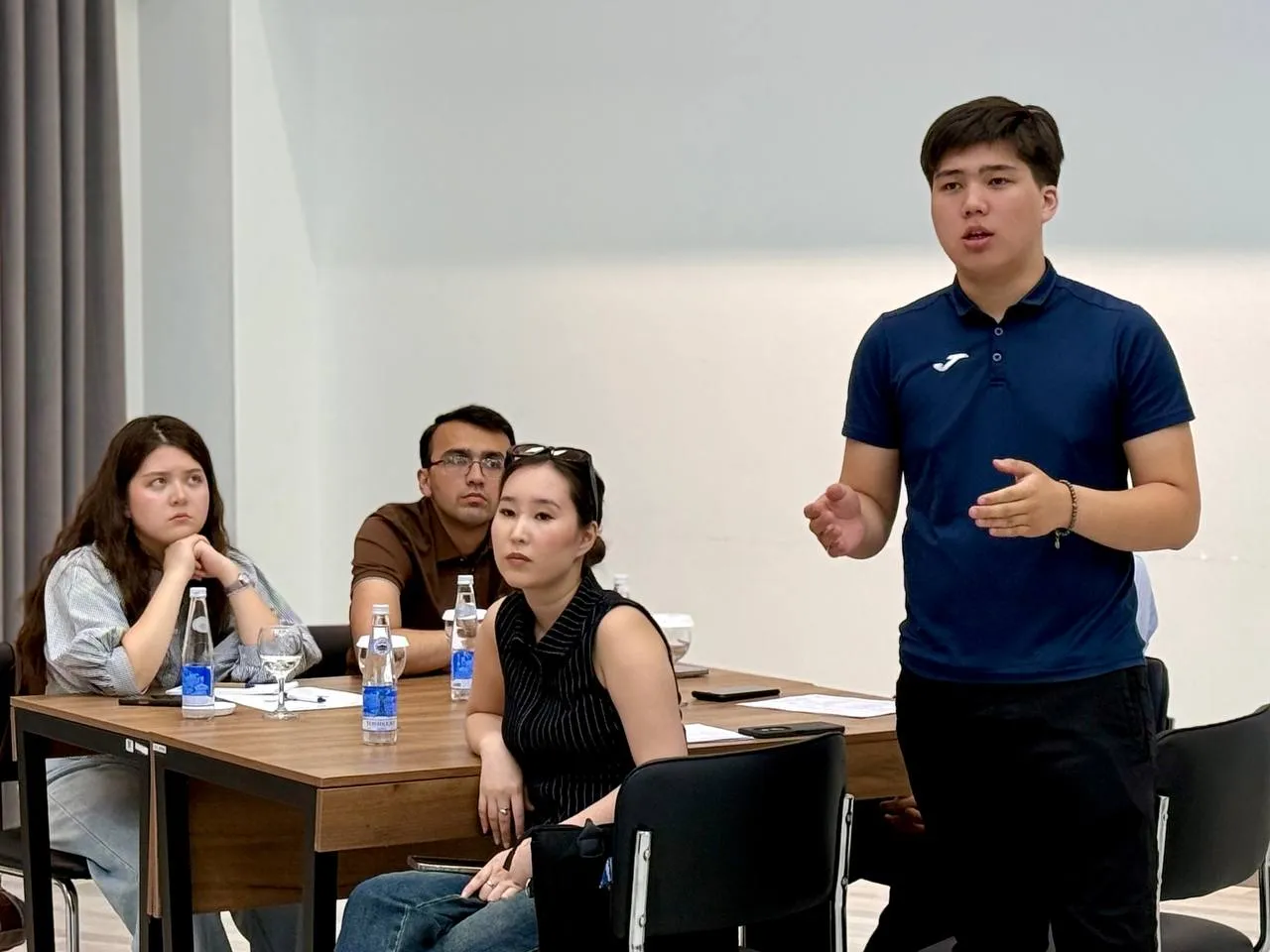
Within the framework of this initiative, participants are testing their knowledge and skills through a diplomatic simulation—an interactive process closely mirroring real-life international negotiations. Assuming the roles of diplomats, they articulate positions on global security issues, draft resolutions, and seek pathways to consensus. This process not only reinforces their theoretical understanding but also cultivates critical competencies such as analytical thinking, negotiation, communication, and decision-making.
Particularly noteworthy are the discussions held under the United Nations agenda on “Youth, Peace, and Security,” which further enhance the relevance of the event. This, in turn, highlights Uzbekistan’s proactive stance in advancing youth diplomacy.
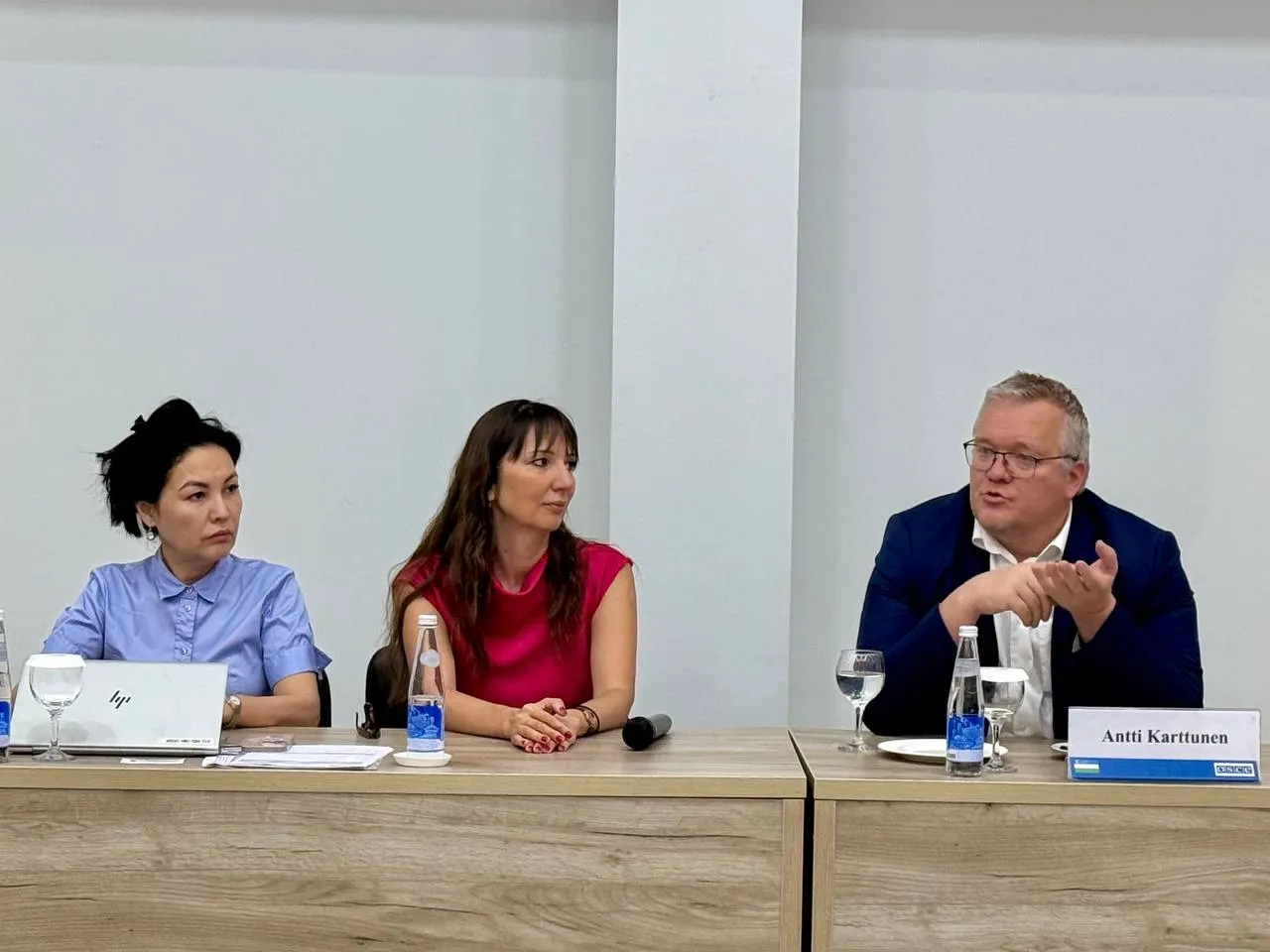
The five-day program is structured to integrate theory with practice in a gradual and systematic manner. According to the OSCE Project Co-ordinator in Uzbekistan, Ambassador Antti Karttunen,
“Participation in the Model OSCE program provides young people with practical experience in diplomacy and negotiations, while also deepening their understanding of how international organizations operate. By bringing together participants from across Central Asia, this initiative strengthens regional cooperation and supports youth engagement in addressing shared security challenges.”
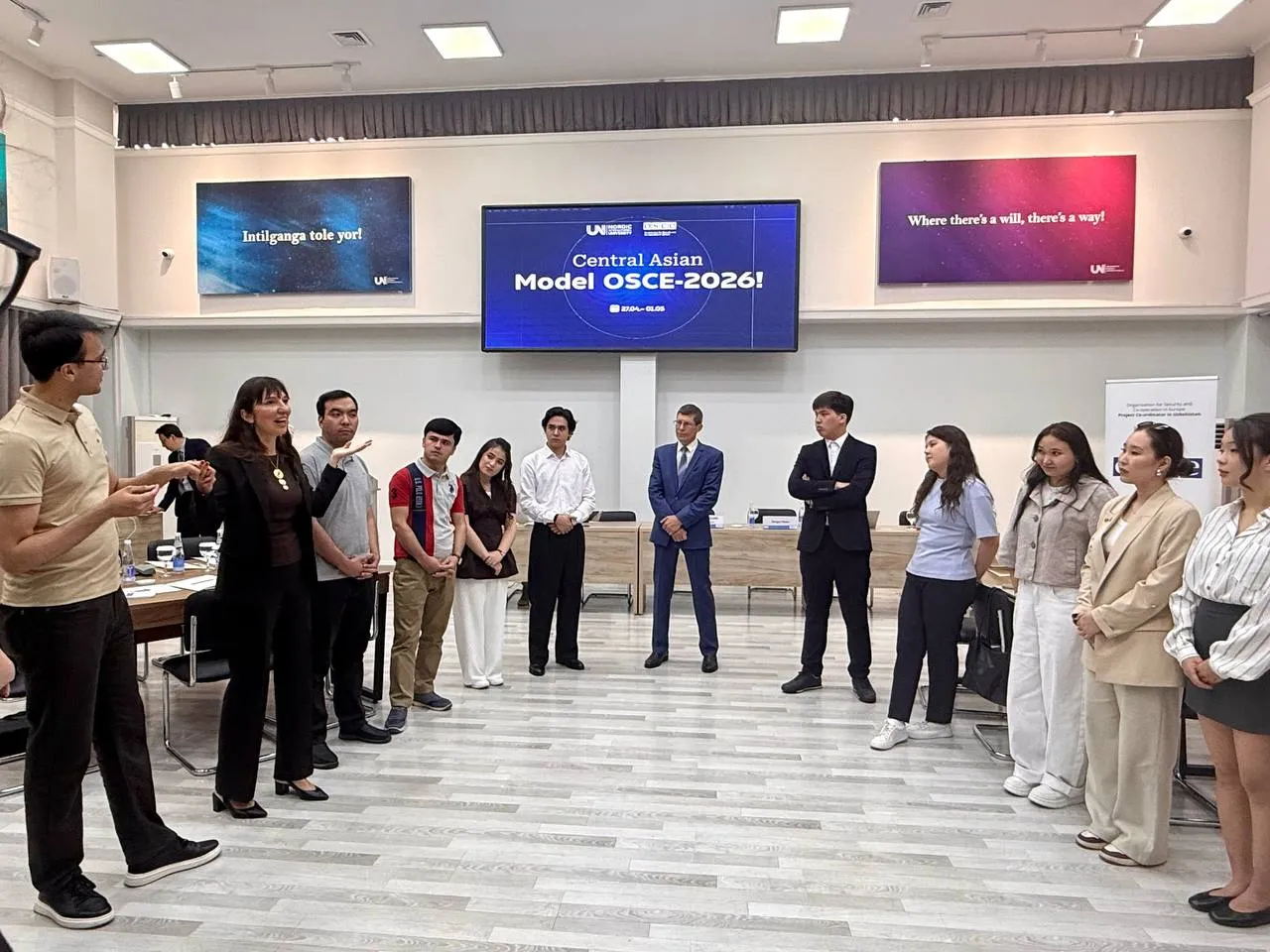
Throughout the program, participants gain insight into the work of the Organization for Security and Co-operation in Europe, engage in discussions on pressing security issues, explore the role of youth in decision-making, and analyze the implementation of UN Security Council Resolution 2250 on Youth, Peace, and Security.
A strong emphasis is placed on experiential learning. Through interactive sessions, participants engage in multilateral negotiations on key topics. Particular attention is given to gender equality, inclusive participation, and the vital role of youth in promoting peace and security.
Latest news

10,000+ Engineers: “Engineers of the Future” Festival in Full Swing
Within its framework, in cooperation with the Shanghai Cooperation Organization and the Commonwealth of Independent States, a total of 12 international and 27 national-level competitions and contests are planned.
This prestigious event has brought together over 10,000 young engineers, with the delegation of Nordic International University actively participating.
Winners of the “Future Scientist” competition are showcasing their innovative projects at the exhibition, while our professors are contributing as judges and mentors, guiding and inspiring the next generation.

A Symbol of Recognition and Trust: A Letter of High Esteem from the Omani Ambassador
The Ambassador Extraordinary and Plenipotentiary of the Sultanate of Oman to Uzbekistan, Wafa Jabr Al-Busaidi, addressed an official letter of high regard to the Rector of the university.
In his letter, the Ambassador particularly commended the university’s leading position in the academic and scientific sphere, its active role in promoting enlightenment, and its significant contribution to supporting research initiatives.
In addition, the Ambassador presented the University with a book entitled “A Reformer on the Throne.” This gesture goes beyond a symbolic gift—it represents a profound expression of trust and a commitment to strengthening bilateral cooperation.
The book is dedicated to the life and reform-oriented governance of Sultan Qaboos bin Said, offering insightful perspectives at the intersection of history and politics. Now housed in the university’s library, this distinguished work serves as a valuable academic resource for students and researchers alike.
This meaningful contribution marks another important step toward deepening scientific and educational collaboration.

Creative Challenge: Students Move Toward New Tourism Experiences
Students from O‘zbekiston Xalqaro Islom akademiyasi participated as special guests.
Throughout the event, student teams from both institutions showcased the academic and practical capacities of their universities through engaging presentations. The competition served as a platform for proposing innovative ideas aimed at advancing the tourism sector.
One of the most compelling aspects of the event was the dramatization of real-life, tourism-related scenarios through short stage performances, bringing professional situations vividly to life. Dynamic discussions, new connections, and creative solutions highlighted the participants’ readiness for their future careers and earned them well-deserved recognition.
At the same time, key areas for further development were clearly identified, providing valuable direction for their academic and professional growth.
🤝 In the end, the greatest victory was friendship. All participants were awarded diplomas and memorable gifts, yet the most meaningful reward was undoubtedly the acquisition of new experiences.
Encouragingly, the future of tourism lies in the hands of such passionate and dedicated young professionals.

The Finnish Model and Uzbek Education: Toward Integration
The cohort of participants is notably distinguished: alongside 14 professors and lecturers from higher education institutions across the country, the group also includes physics and mathematics teachers selected based on the Tashkent experience, who were awarded educational vouchers as winners of the Toshkent hokimi sovrini olimpiadasi. This unique composition ensures a productive synergy of academic expertise and practical teaching experience.
Currently, the participants are based in Jyväskylä, where they are undergoing training within the advanced educational environments of Finlandiya and Shvetsiya. The program offers in-depth exposure to a continuous education system spanning from early childhood to higher education, alongside teacher training models, contemporary pedagogical methodologies, and mechanisms for educational digitalization.
The Finnish education model continues to stand out globally for its effectiveness and sustainability. Its core strengths lie in a learner-centered approach, the high professional status of teachers, the extensive integration of innovative and digital solutions, and an assessment system that prioritizes motivation over pressure.
Importantly, this program goes beyond conventional experience exchange by incorporating a transfer mechanism—aimed at adapting acquired knowledge and practices to the Uzbek education system and implementing them in practice. Upon completion, participants are expected to apply advanced methodologies, expand digital learning environments, and contribute to elevating the overall quality of education to a new level.
In today’s global educational landscape, competitiveness is defined not only by knowledge, but also by systemic thinking and innovation. This initiative, led by the “Nordic Training” Center, effectively integrates these key dimensions—knowledge, experience, and transformation—thereby laying a solid foundation for the sustainable development of national education.