University Council Meeting No. 3: Strategic Priorities Reviewed

March 30 , 2026
890
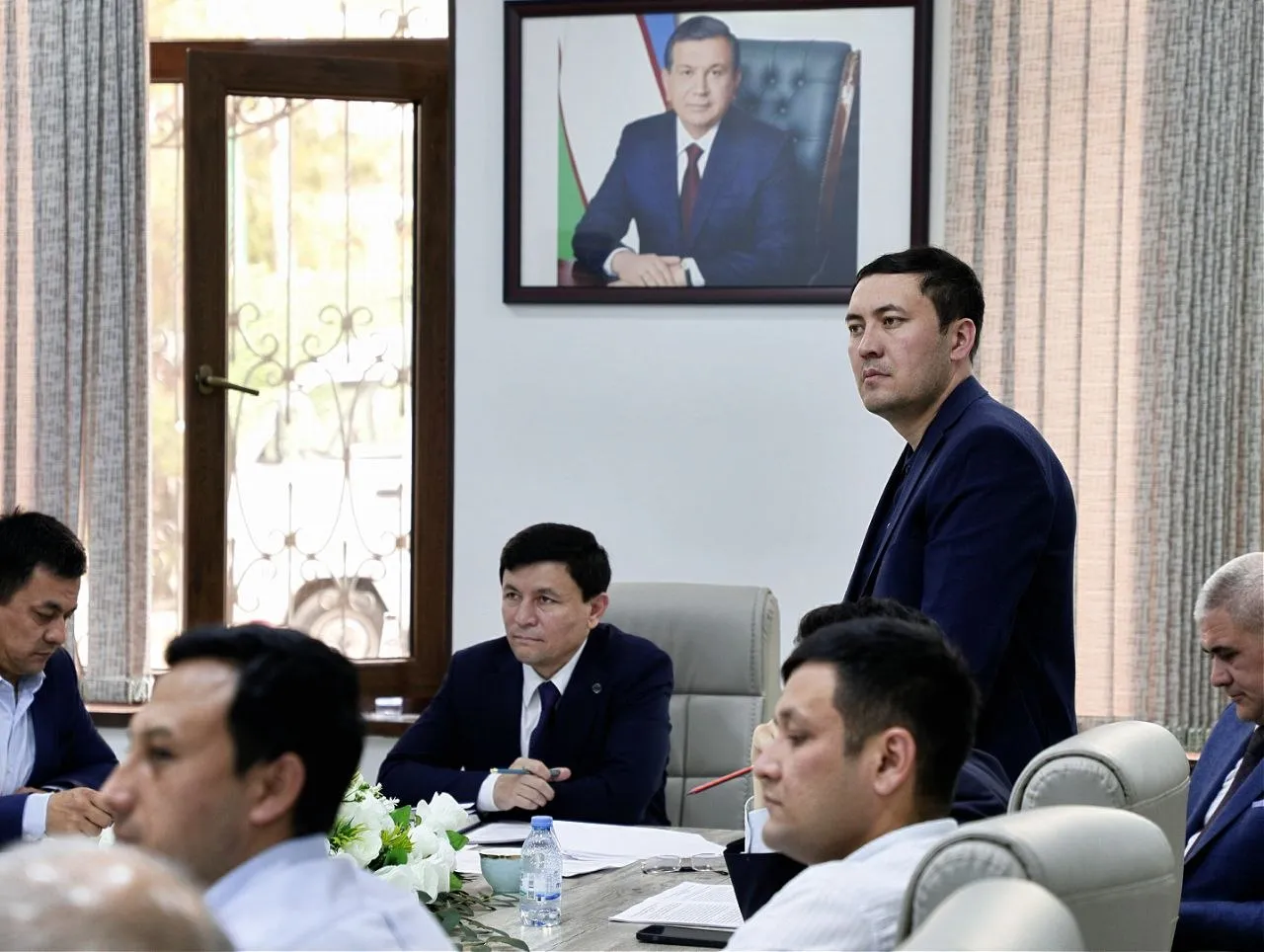
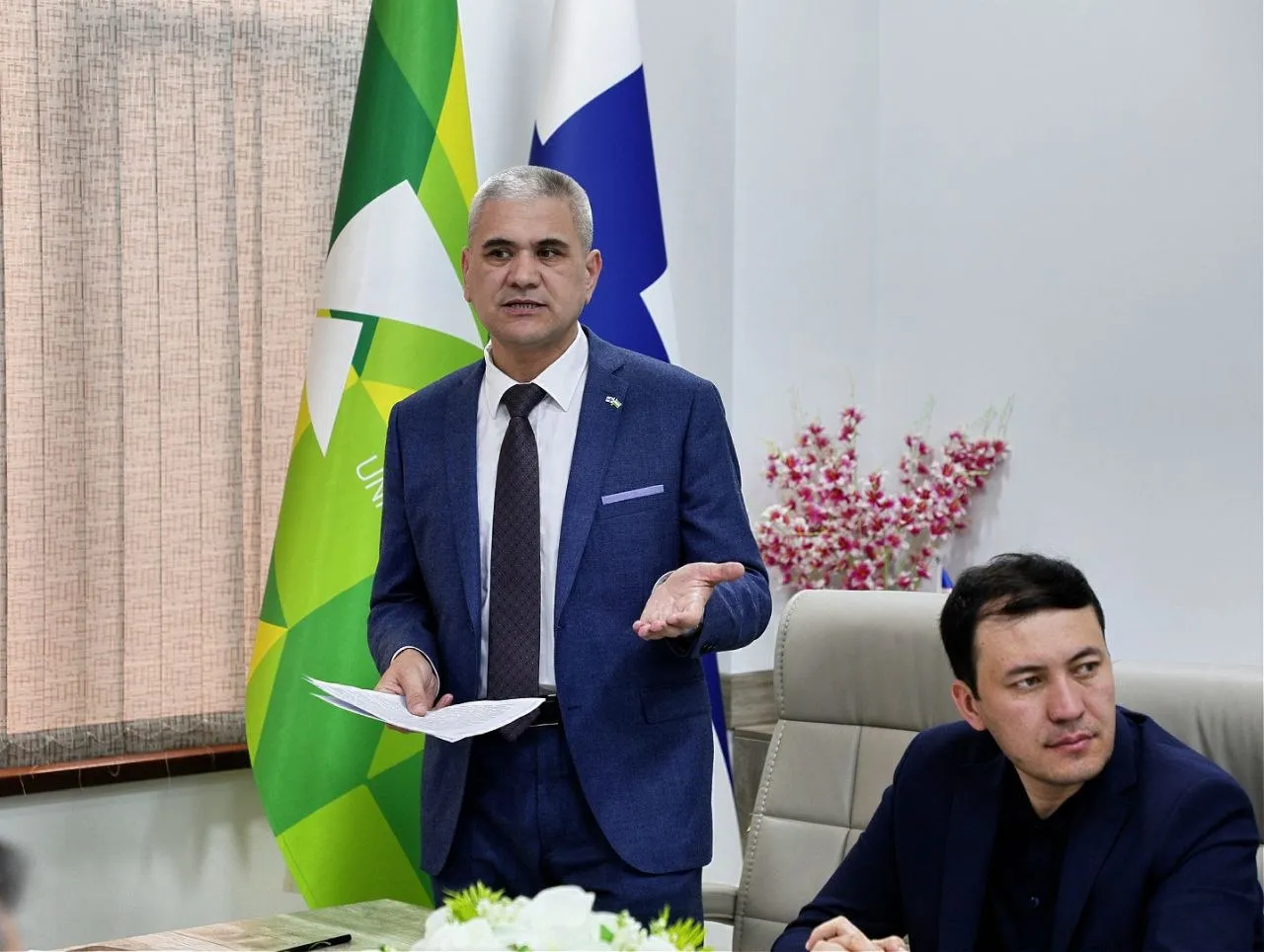
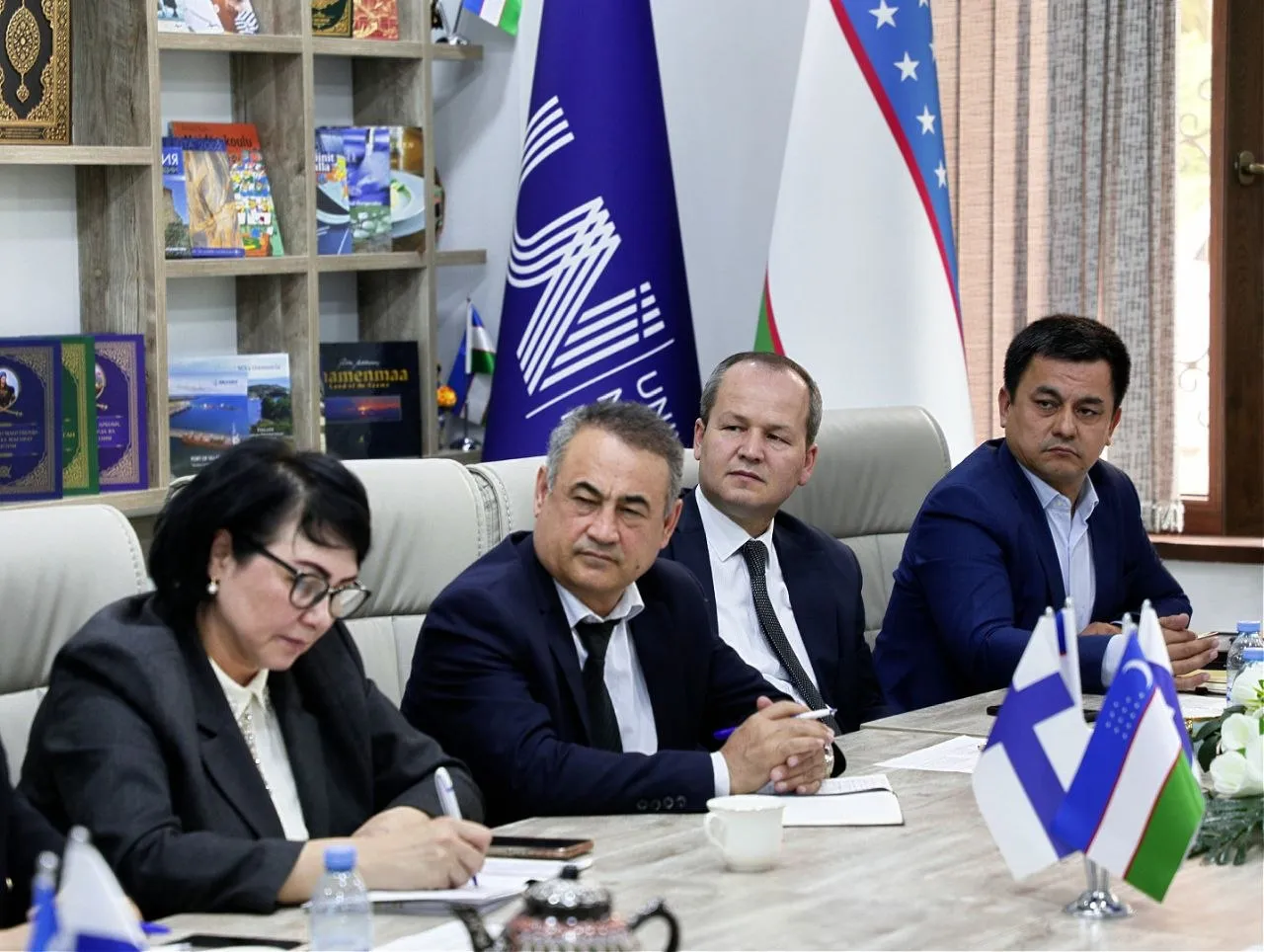
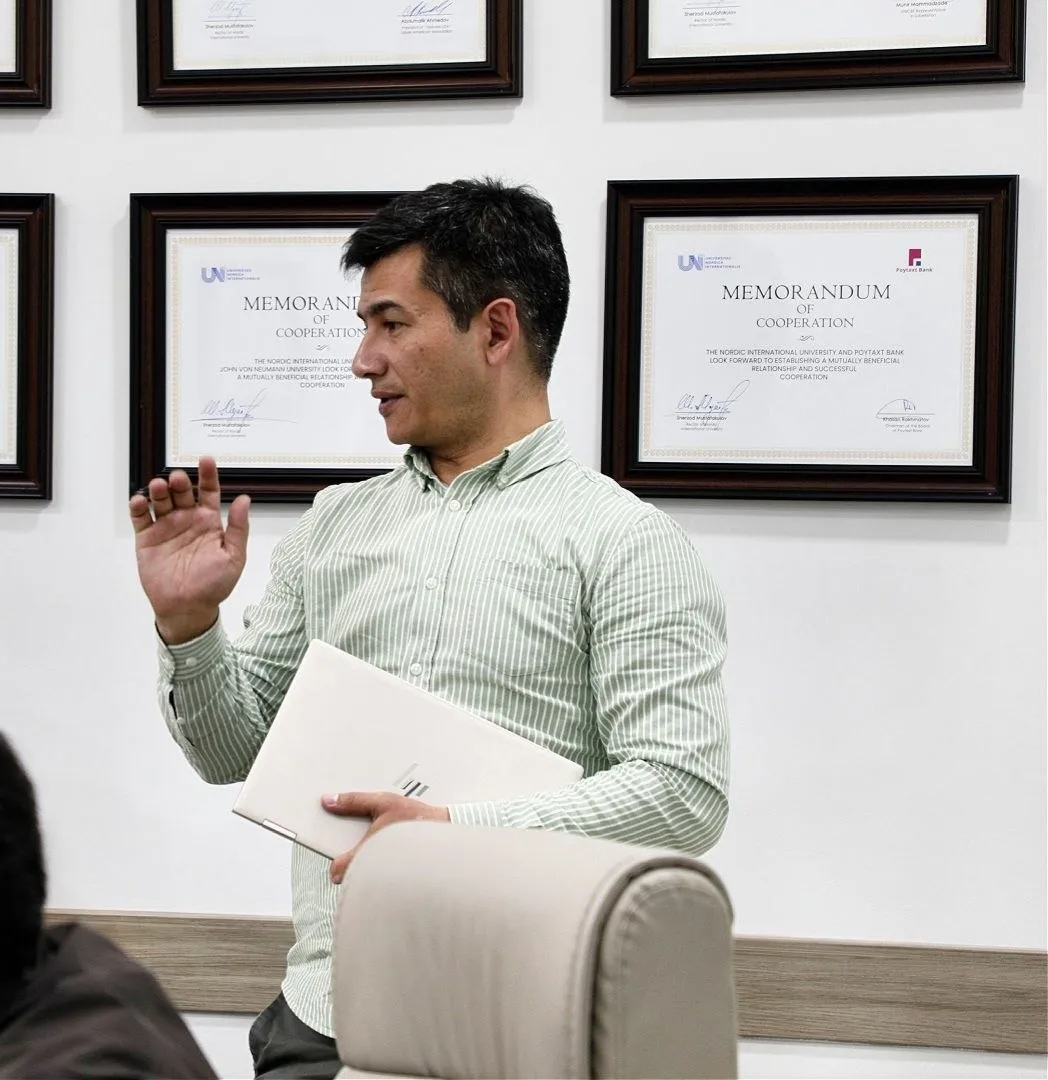
At the meeting of the Council held at Nordic University, key issues related to ongoing reforms, the advancement of research activities, and the enhancement of educational quality were comprehensively discussed.
Particular emphasis was placed on the implementation of ministerial board decisions, the adoption of a systematic approach, and ensuring measurable outcomes.
Reports presented by responsible officials highlighted completed initiatives, the integration of innovations into the educational process, and the progress achieved in improving overall efficiency. At the same time, the need to further strengthen monitoring and evaluation mechanisms, as well as internal control systems, was underlined.
A central item on the agenda was the review of the University’s Research and Development Concept for 2026–2030. The document outlines key priorities such as aligning research with practical impact, expanding international collaboration, attracting grants and investments, and supporting early-career researchers.
The meeting also addressed the digitalization of research activities, commercialization of scientific outputs, and the development of a robust startup ecosystem. In addition, extensive discussions were held on improving education quality, adopting best international practices, gathering student feedback through surveys, and meeting modern competency requirements for academic staff.
Within the framework of the “Work and Travel – 2026” program, specific tasks were defined to prepare students for participation abroad, facilitate their adaptation to the international labor market, and enhance their practical experience.
Special attention was also given to the organization of the “TasIMO – 2026” International Mathematics Olympiad at a high standard. Rector Sherzod Mustafakulov provided instructions on broad promotion of the event, effective use of digital platforms, expansion of participant geography, and the high-quality organization of subsequent stages.
Furthermore, reports on the training of scientific personnel and accreditation processes were reviewed. Necessary measures were identified to approve individual work plans and methodological programs of independent researchers, as well as to improve academic and regulatory documents developed for specialized accreditation.
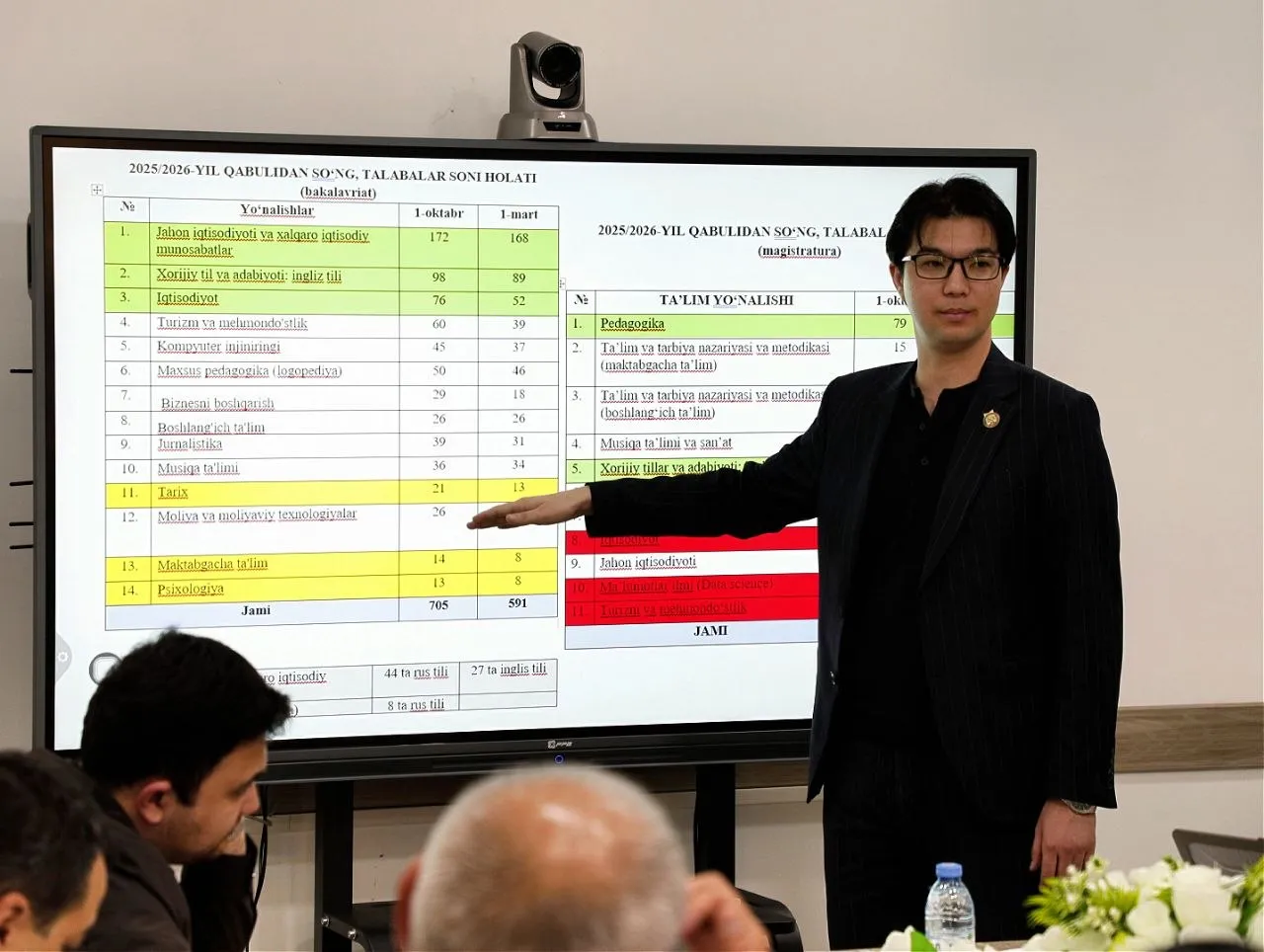
The Council also considered the effective organization of the upcoming admission campaign, with analytical reports presented by responsible departments.
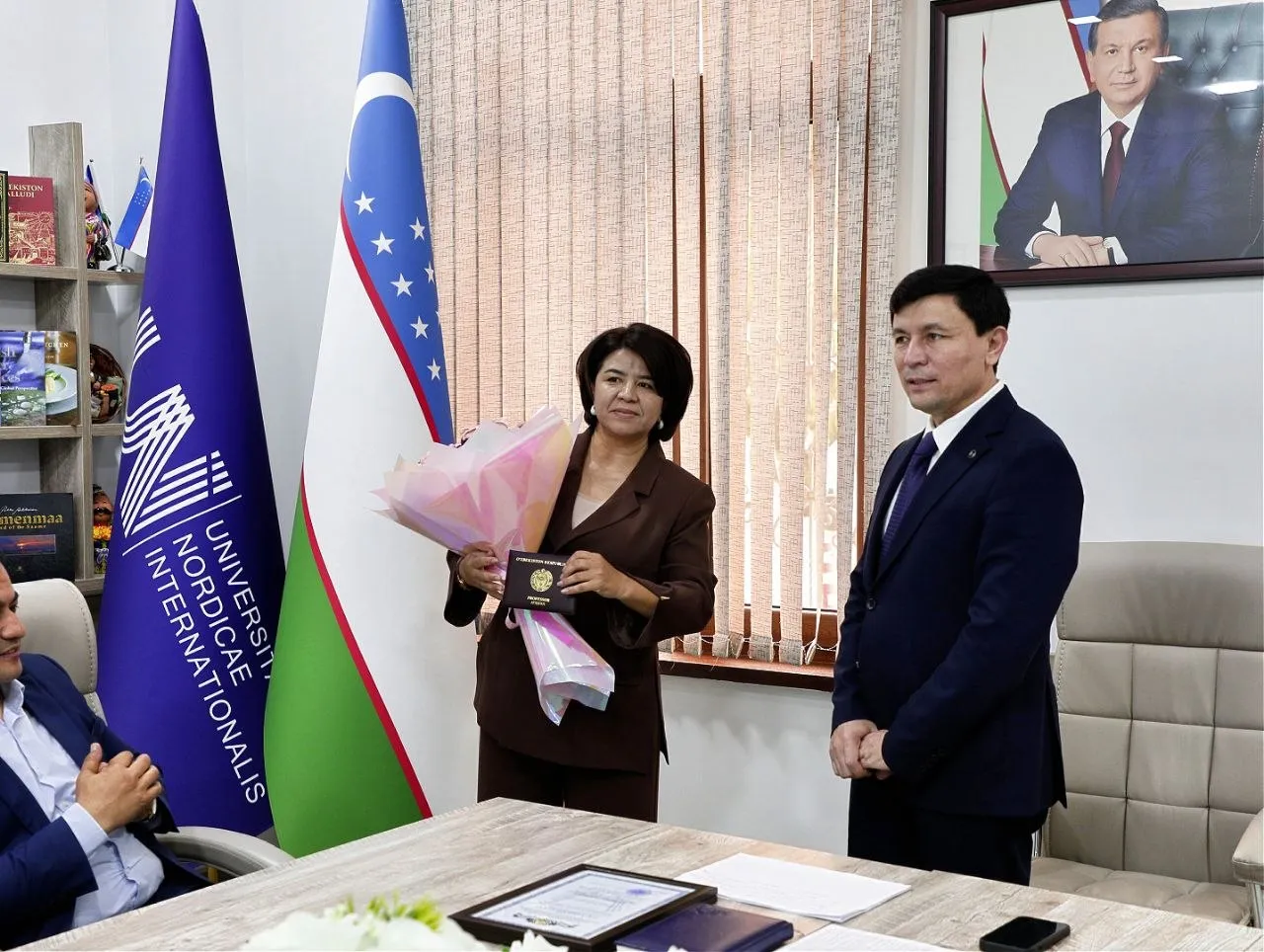
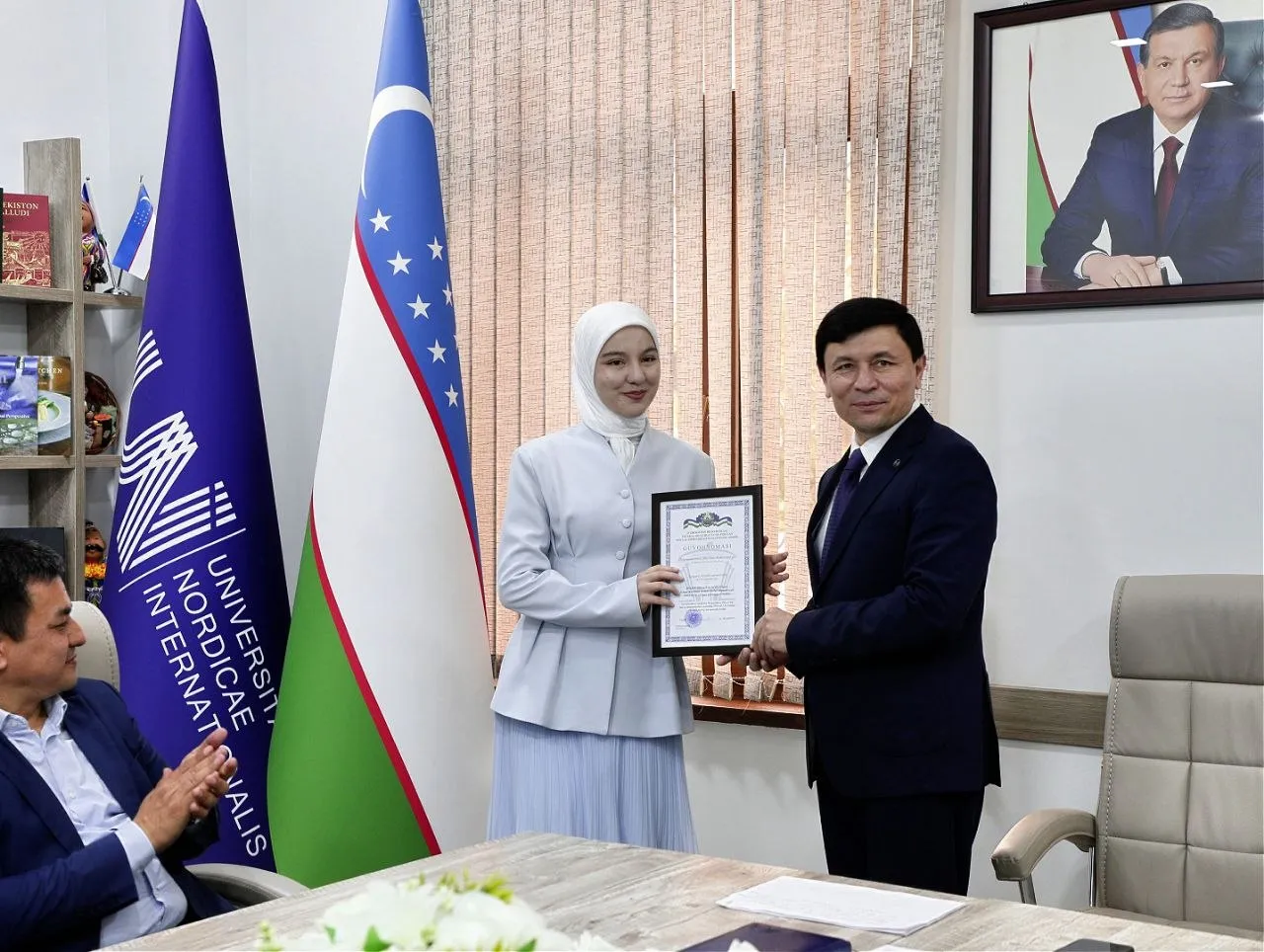
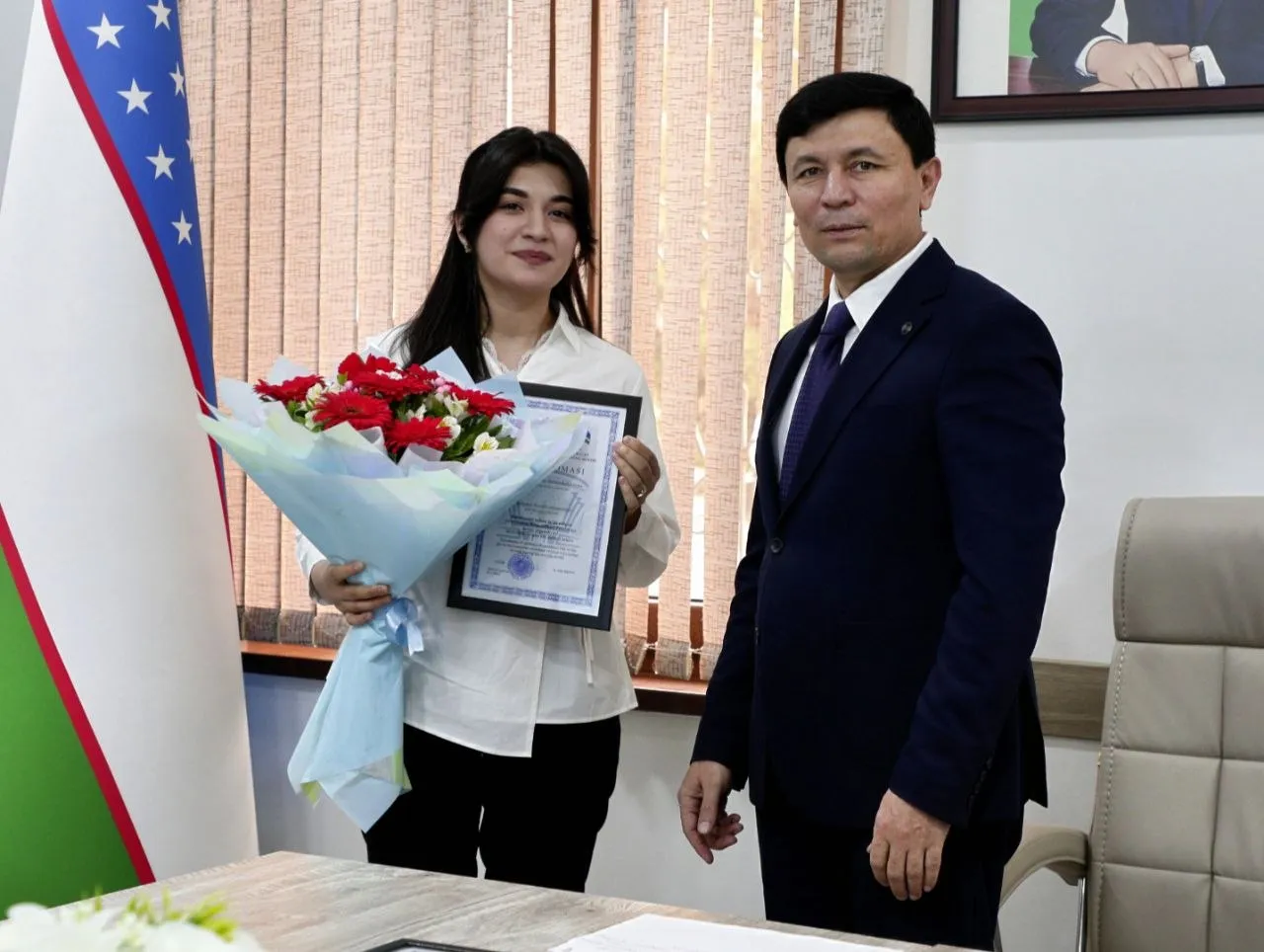
Following the discussions, relevant decisions were adopted on all agenda items. The meeting concluded with the Chair of the Council extending sincere congratulations to faculty members and scholarship-winning students for their outstanding academic achievements.

Latest news

Uzbekistan’s Economy Maintains Strong Growth Momentum
Ensuring macroeconomic stability, mitigating external and internal risks, accelerating sectoral development, and enhancing investment activity have become central pillars of the state’s economic policy framework.
📰 A recent article published in the May 2 issue of Xalq so‘zi presents a comprehensive analytical perspective on these developments.
The publication addresses several critical questions shaping the current economic agenda:
To what extent are ongoing economic reforms delivering tangible results?
How are investment inflows and export growth being sustained?
Which sectors are acting as key drivers of economic expansion?
Most importantly, how sustainable is the current growth trajectory?
The analysis reveals that behind the headline figures lies a process of deep structural transformation, characterized by innovative policy approaches and increasing adaptability to global economic challenges. In particular, the dynamics within industry, services, and the investment climate stand out as especially noteworthy.
At the same time, the article provides a balanced assessment by outlining existing challenges, structural constraints, and priority areas for future policy action. For readers interested in understanding both the current state and forward-looking trends of Uzbekistan’s economy, this piece offers valuable and evidence-based insights.
✍️ Author: Munis Abdullayev, Head of Department at the International Nordic University.

Federation – Nordic – Inclusive School Partnership: “Every Young Person Has Potential”
Within the framework of priority tasks outlined by the President in the field of sports, a chess and checkers tournament was organized with the participation of the Chess Federation of Uzbekistan, students of the 77th specialized boarding school, and university undergraduates.
In contemporary education policy, inclusivity has become an essential principle. In this regard, the tournament served not only as a competitive platform but also as a meaningful mechanism to foster intellectual development, encourage social engagement, and practically implement the idea that “every young person has potential.”
The event was attended by representatives of the Chess Federation of Uzbekistan as well as international grandmasters, who engaged in open dialogue with participants. This created a unique opportunity for young attendees to gain direct insights from high-level professionals, transforming the event into both a competition and a valuable learning experience.
Additionally, a presentation of chess-related literature was held, facilitating knowledge exchange. A curated selection of top-quality books was presented as gifts to participants.
🏆 Winners of the Chess Tournament (University Students):
🥇 Zafar Zoitjonov
🥈 Farangiz Abdumuminova
🥉 Aziz Azimov
🔲 Winners in Checkers (School Students):
🥇 Shukrullokhon Salomov
🥈 Diyorbek Joniqulov
🥉 Oybek Rahimqulov
Nordic University remains committed to nurturing intellectually capable generations, developing future leaders, and ensuring equitable access to quality education through consistent and forward-looking initiatives.

A New Paradigm in Education Policy: Artificial Intelligence and Language Competencies
The forum provided an in-depth scholarly discussion of the key priorities of contemporary education policy, including digitalization, innovative pedagogy, and the integration of artificial intelligence.
In the context of ongoing globalization, proficiency in foreign languages has evolved beyond a mere communicative necessity into a critical factor of economic and academic competitiveness. As emphasized during the conference, artificial intelligence technologies are driving a fundamental transformation in this domain, elevating the education system to a qualitatively new stage.
From an education policy perspective, three major directions were placed at the center of discussion:
— the development of individualized learning trajectories through digital transformation and adaptive learning platforms;
— the enhancement of translation quality through automated systems based on advanced linguistic models;
— the automation of semantic analysis and interpretation processes through intelligent linguistics.
These directions clearly illustrate the transition from the traditional model of “knowledge transmission” to a more advanced paradigm of “knowledge management and production” within the education system.
Within the framework of the conference, particular attention was given to innovative pedagogical approaches based on artificial intelligence, the conceptual foundations for integrating AI technologies into education, the digital analysis of literary texts, and the linguistic as well as functional capacities of AI in translation studies. These areas have significant practical implications for improving the quality of education, modernizing teaching methodologies, and optimizing translation processes.
The conference was held at an international level, bringing together professors, researchers, field specialists, and talented students from both foreign countries and national higher education institutions. The event fostered an active exchange of advanced ideas and contributed to strengthening academic collaboration.
Participant Giuseppe Chiaramonte shared his impressions, emphasizing that the proper integration and responsible use of artificial intelligence in education, along with effectively guiding students, constitute one of the most crucial responsibilities of modern educators. Comparing the experiences of Central Asian countries, he particularly highlighted Uzbekistan’s openness to innovation, its support for new ideas, and the favorable environment for their practical implementation.

A Glimpse into a Great Legacy: Students at an Essay Competition
His invaluable legacy — Temur tuzuklari — has, for centuries, served as a school of statecraft and human values.
With the aim of fostering a deeper understanding of this remarkable heritage and interpreting it through a contemporary lens, an essay competition was organized among students.
As participants explored the theme “The Temur’s Code: A School of Justice and Governance,” they not only revisited history but also sought answers to pressing questions of the present day.
This competition became a distinctive platform for nurturing critical thinking, analytical insight, and self-awareness among young people, while inspiring them to draw lessons from the past in shaping a conscious and responsible future.