Uzbekistan’s Intellectual Potential Showcased at the Final Stage of “TasIMO–2026”

Uzbekistan’s Intellectual Potential Showcased at the Final Stage of “TasIMO–2026”

May 22 , 2026

|

1525

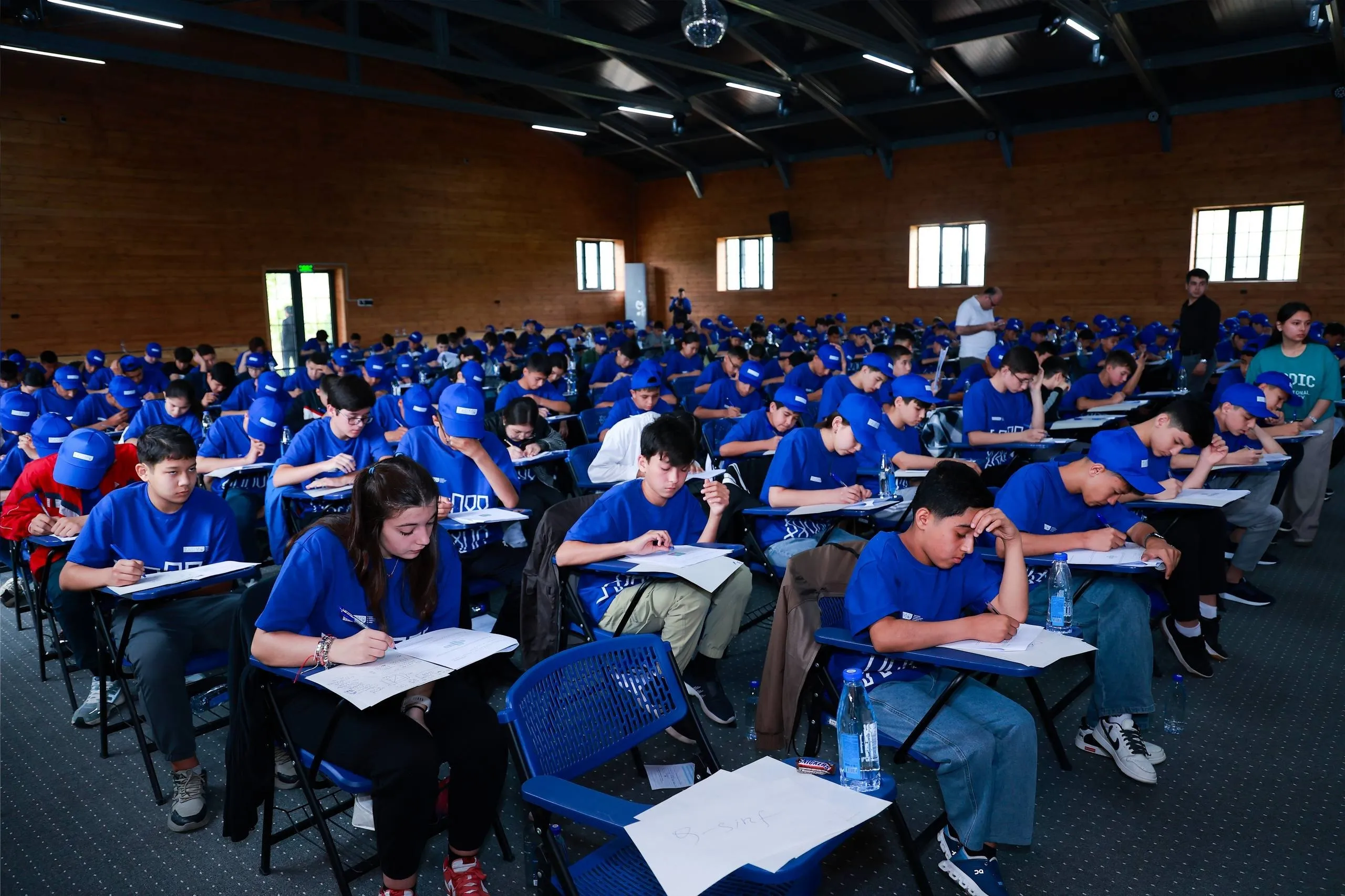
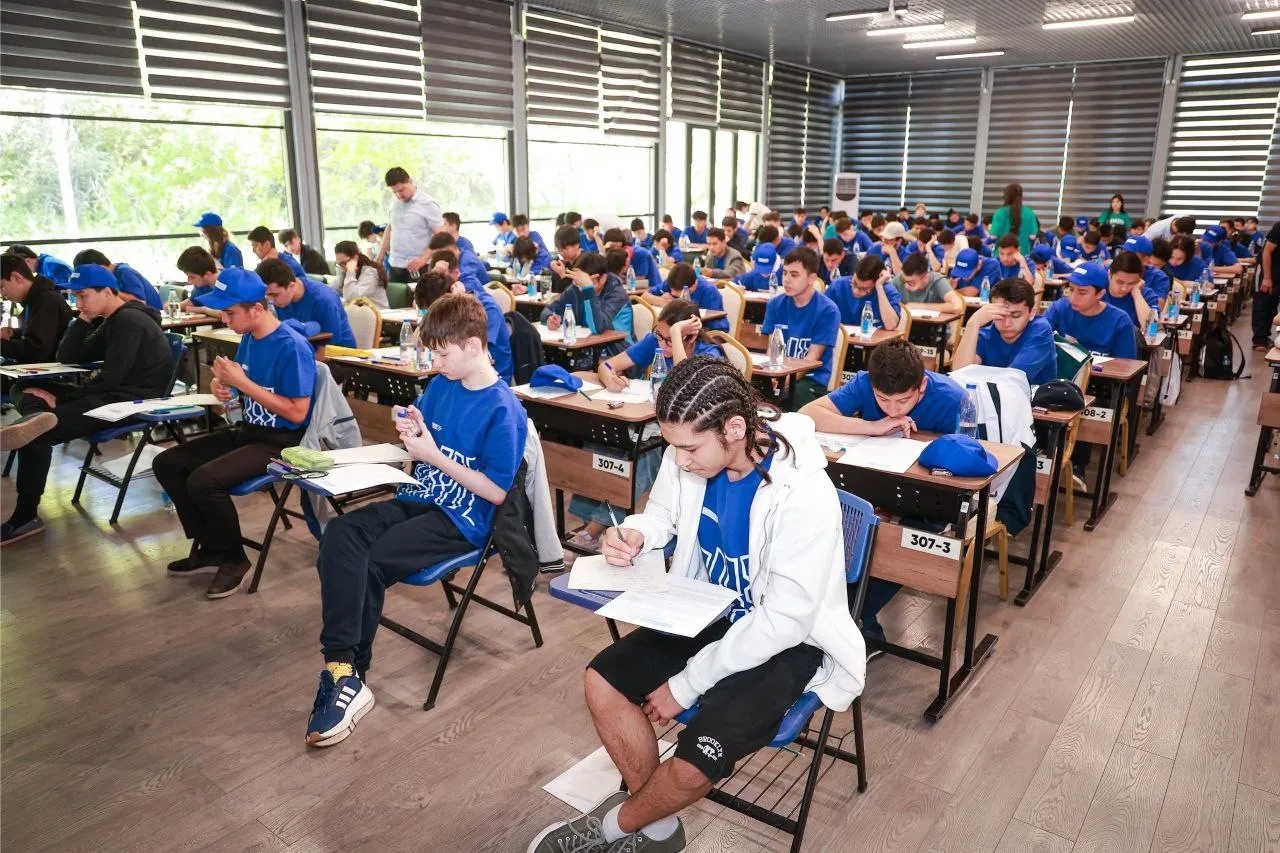
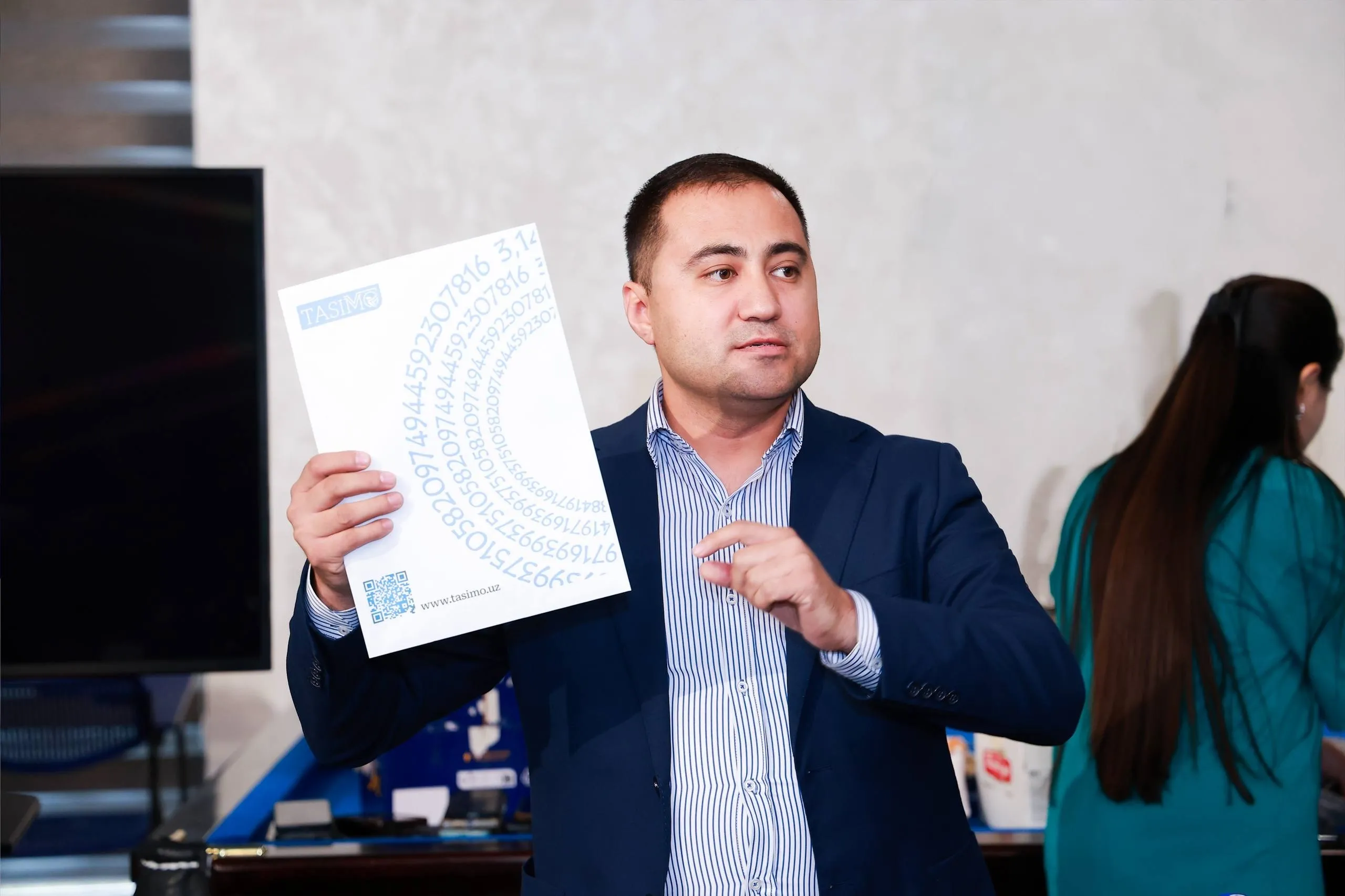
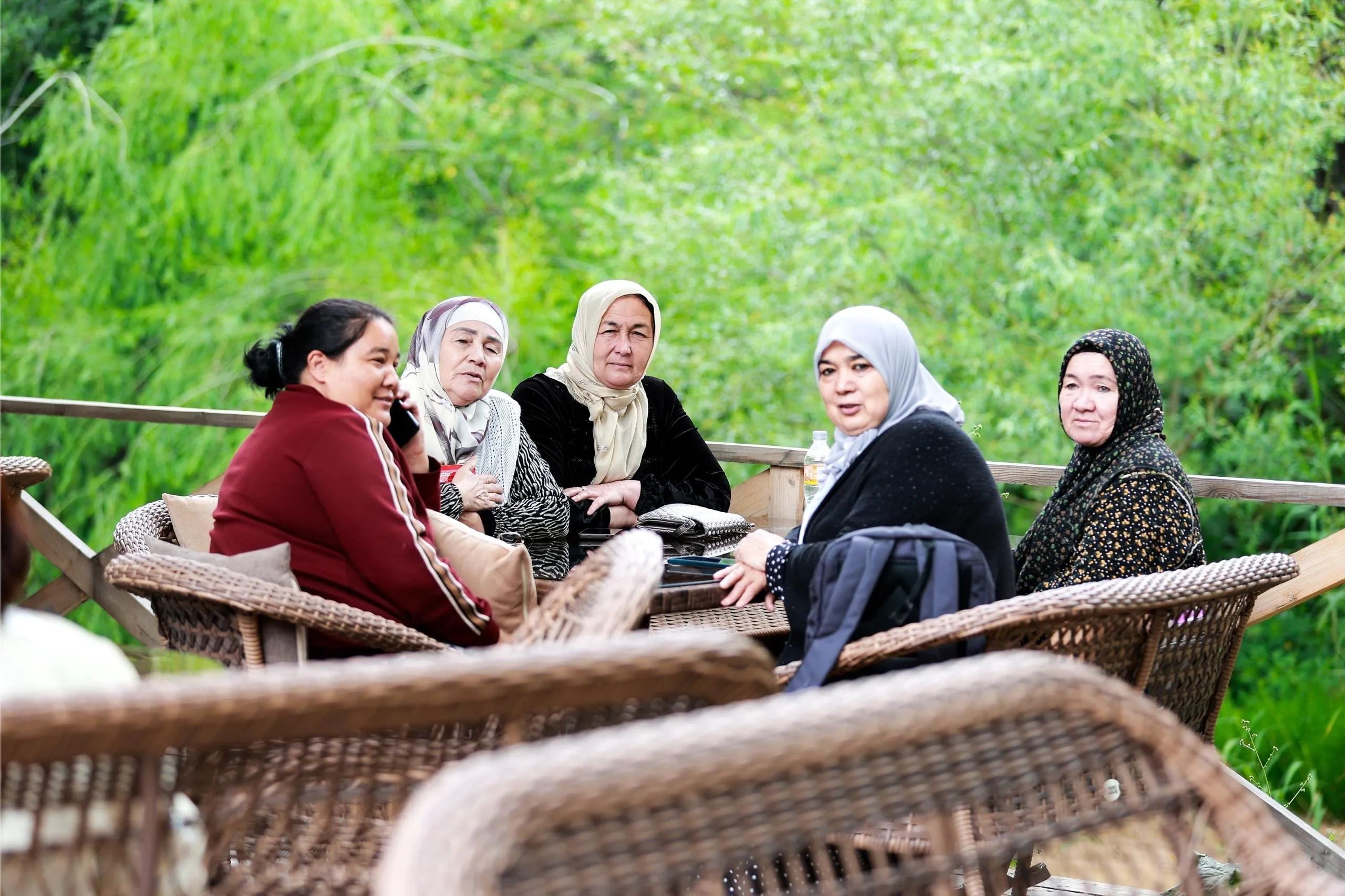
From 19 to 21 May this year, the final stage of the “TasIMO–2026” Tashkent International Mathematics Olympiad was held at a high organizational level at the “Green Hills Resort” mountain resort complex in the Bo‘stonliq district of the Tashkent region.

The project was initiated by the International Nordic University and the IDC Educational Center in cooperation with the Ministry of Higher Education, Science and Innovations of the Republic of Uzbekistan, the Ministry of Preschool and School Education, UNICEF, the United States’ Rowan University, and Finland’s Karelia University of Applied Sciences.


This prestigious initiative served not only as an intellectual competition among gifted students, but also as a practical reflection of Uzbekistan’s policy of openness in international education, academic integration, and intellectual diplomacy.


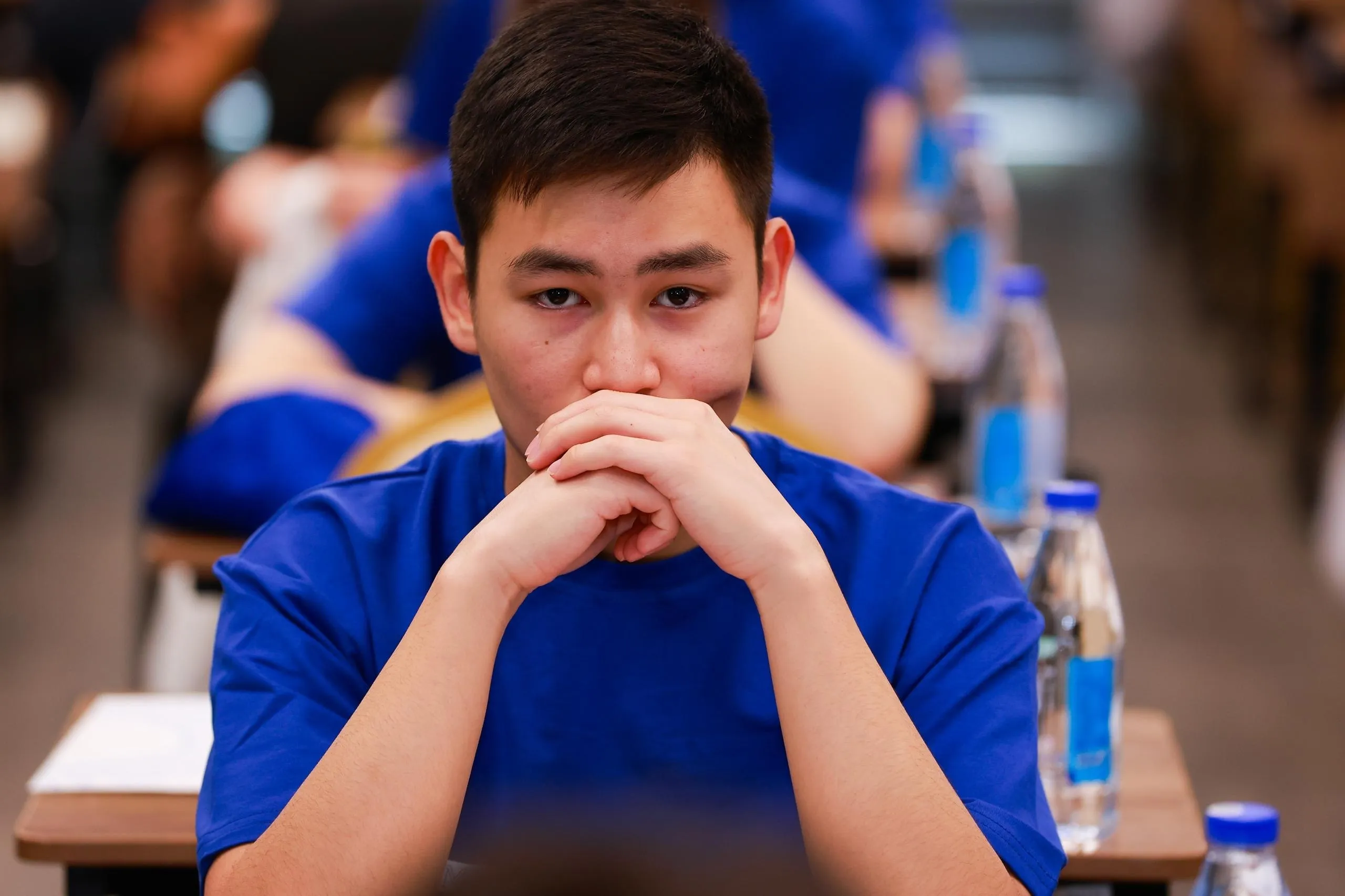
The final stage brought together 150 talented young mathematicians selected from all regions of Uzbekistan, alongside more than 200 participants from numerous countries, including the United States, Germany, the United Kingdom, Russia, Kazakhstan, Pakistan, and Bulgaria. As a result, the Olympiad evolved into an influential international platform fostering scientific and intellectual collaboration among young people from different nations.


The general sponsor of the event was Asia Alliance Bank, while media partners included UzReport TV, as well as the newspapers “Xalq so‘zi” and “Narodnoye slovo.”


The Olympiad programme was designed as a three-day large-scale intellectual festival aimed at identifying and supporting gifted youth, preparing them for international academic competitions, and developing their logical thinking, strategic decision-making, and analytical reasoning skills.

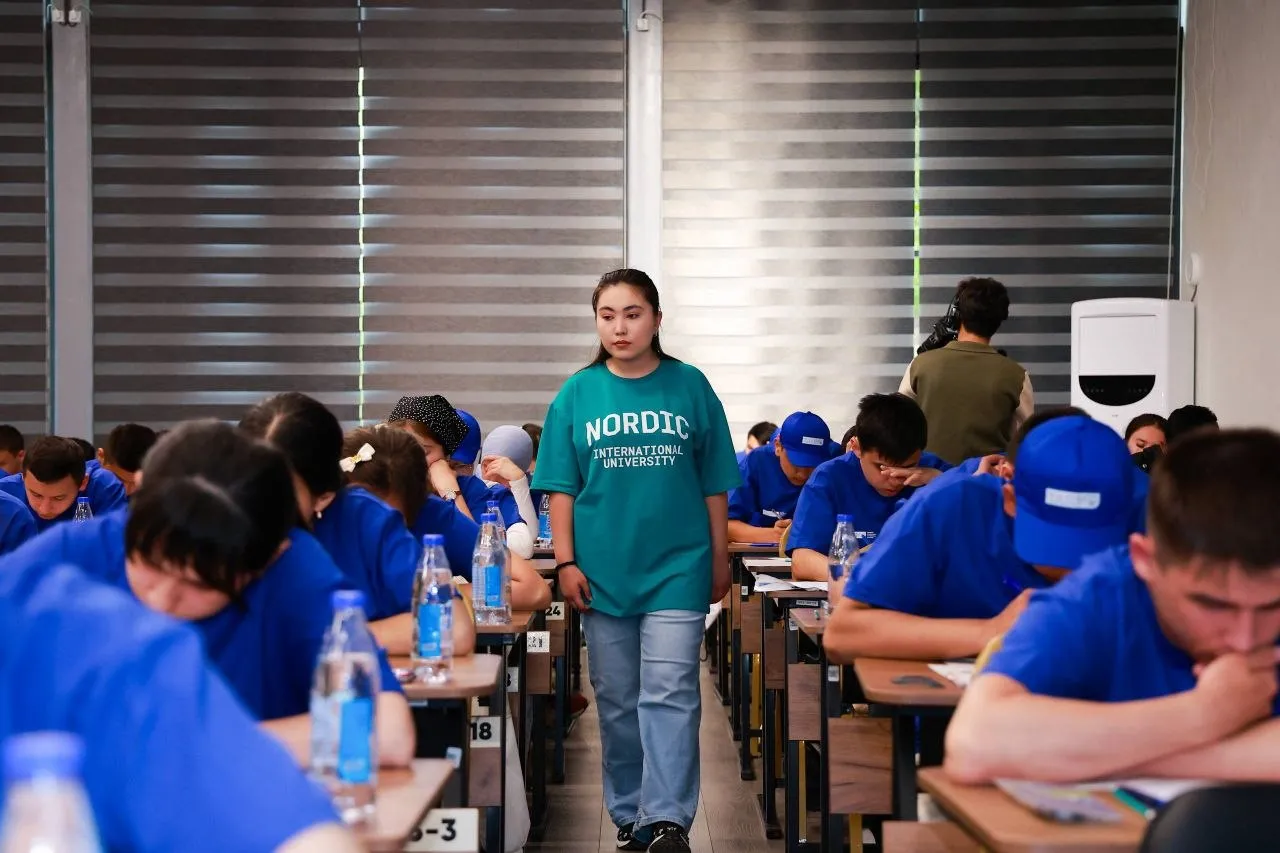
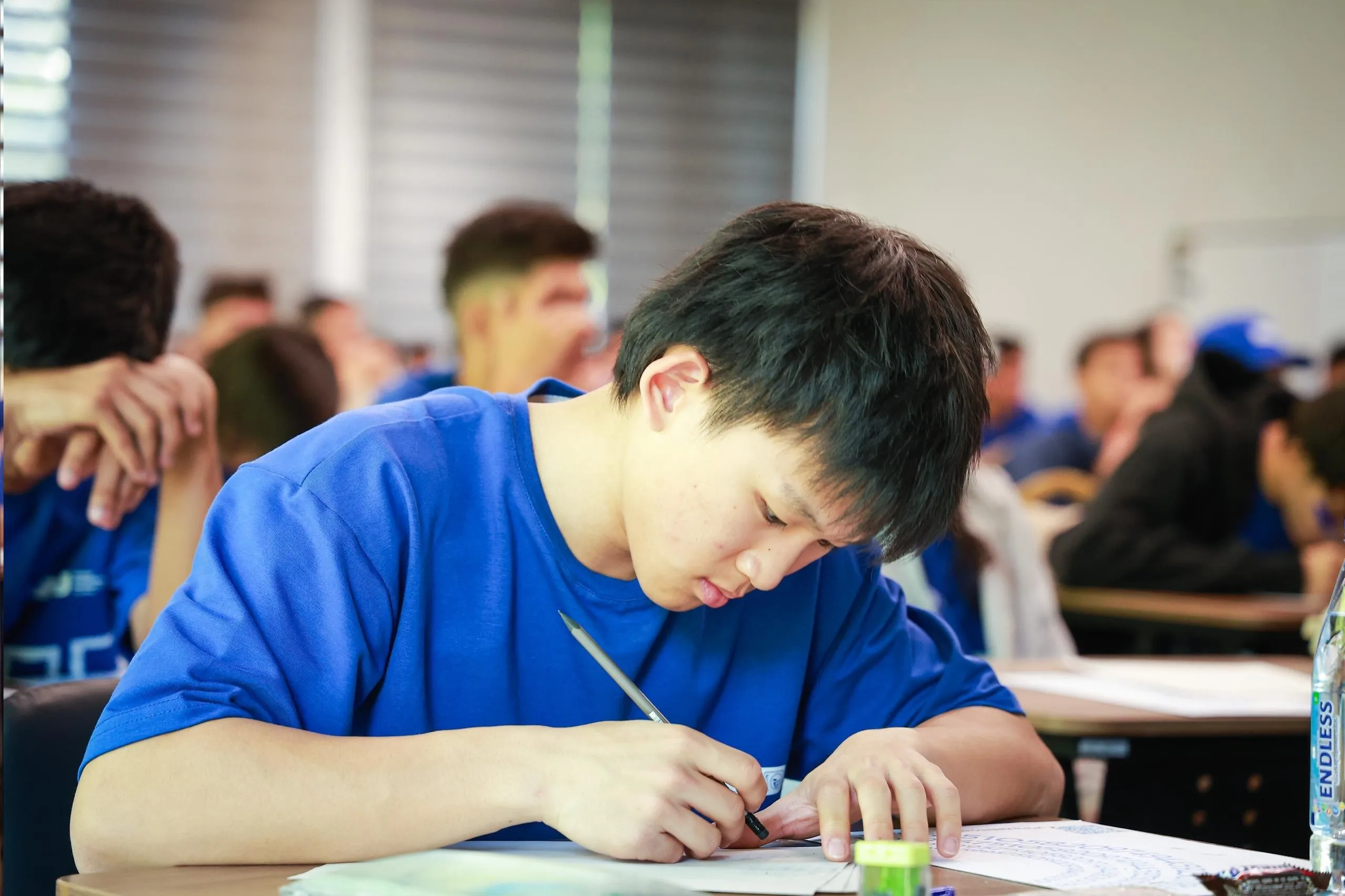
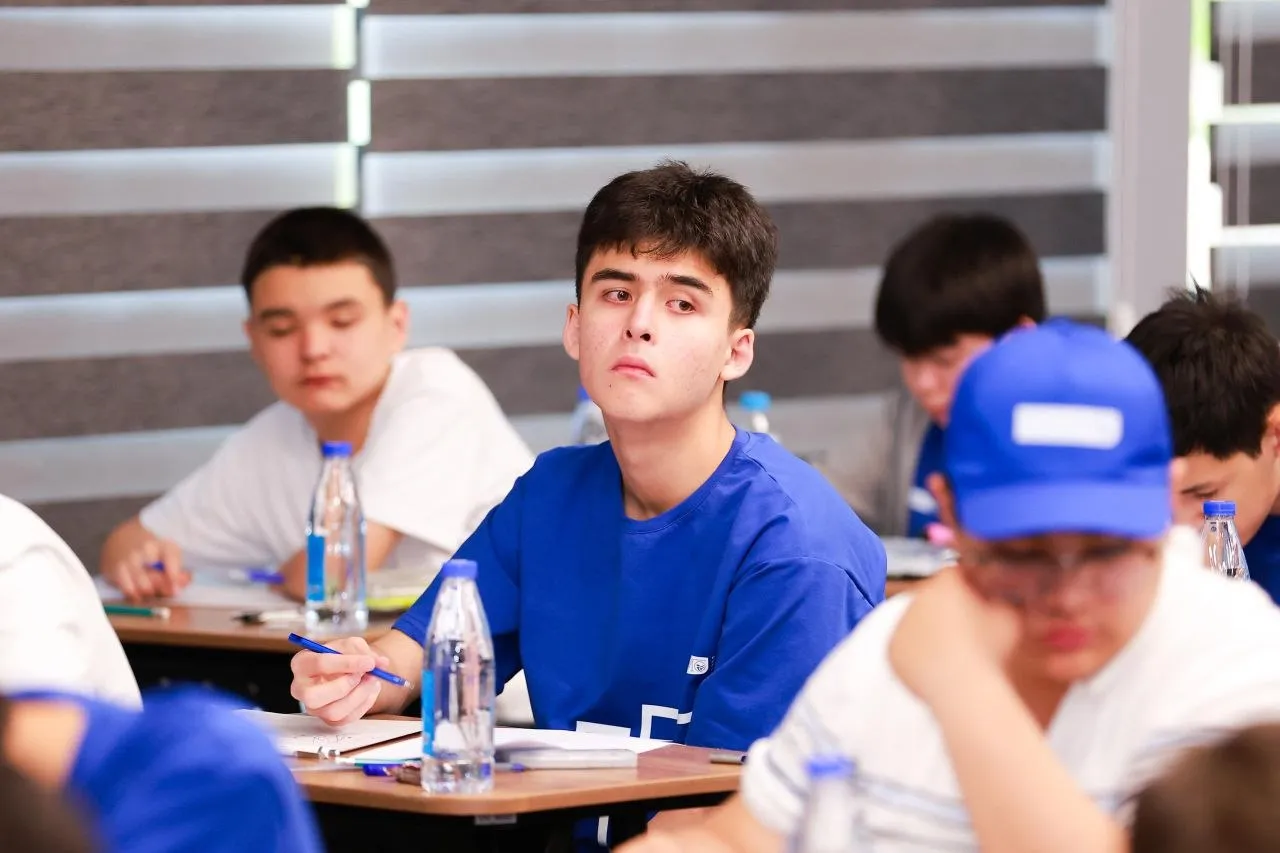
The final stage officially commenced on 19 May, when participants were assigned to examination halls according to their grade levels and the competition rounds began. Students in grades 3–9 completed a 90-minute contest, while participants in grades 10–11 undertook a demanding four-and-a-half-hour mathematical challenge. The tasks were specifically designed to assess logical reasoning, algorithmic thinking, and analytical competence.


Fairness, transparency, and impartiality were established as the core principles of the Olympiad process. More than 25 distinguished jury members made significant contributions to ensuring the high standard of the competition. In particular, international experts such as Alexander Antropov, Patrik Bak, Ivan Chan, David Hruška, Vlad Matei, and Marek Murin, together with many other dedicated professionals, worked tirelessly throughout the assessment and appeals procedures with exceptional professionalism and objectivity. The appeals committee remained active until late evening hours, further strengthening trust among participants, teachers, and parents.


One of the defining features of “TasIMO–2026” was that it provided participants not only with an academic competition environment, but also with opportunities for social and personal development. Within the framework of the Olympiad, participants engaged in problem-analysis sessions, appeal discussions, intellectual exchanges, and interactive workshops that encouraged independent thinking, critical analysis, and self-improvement.

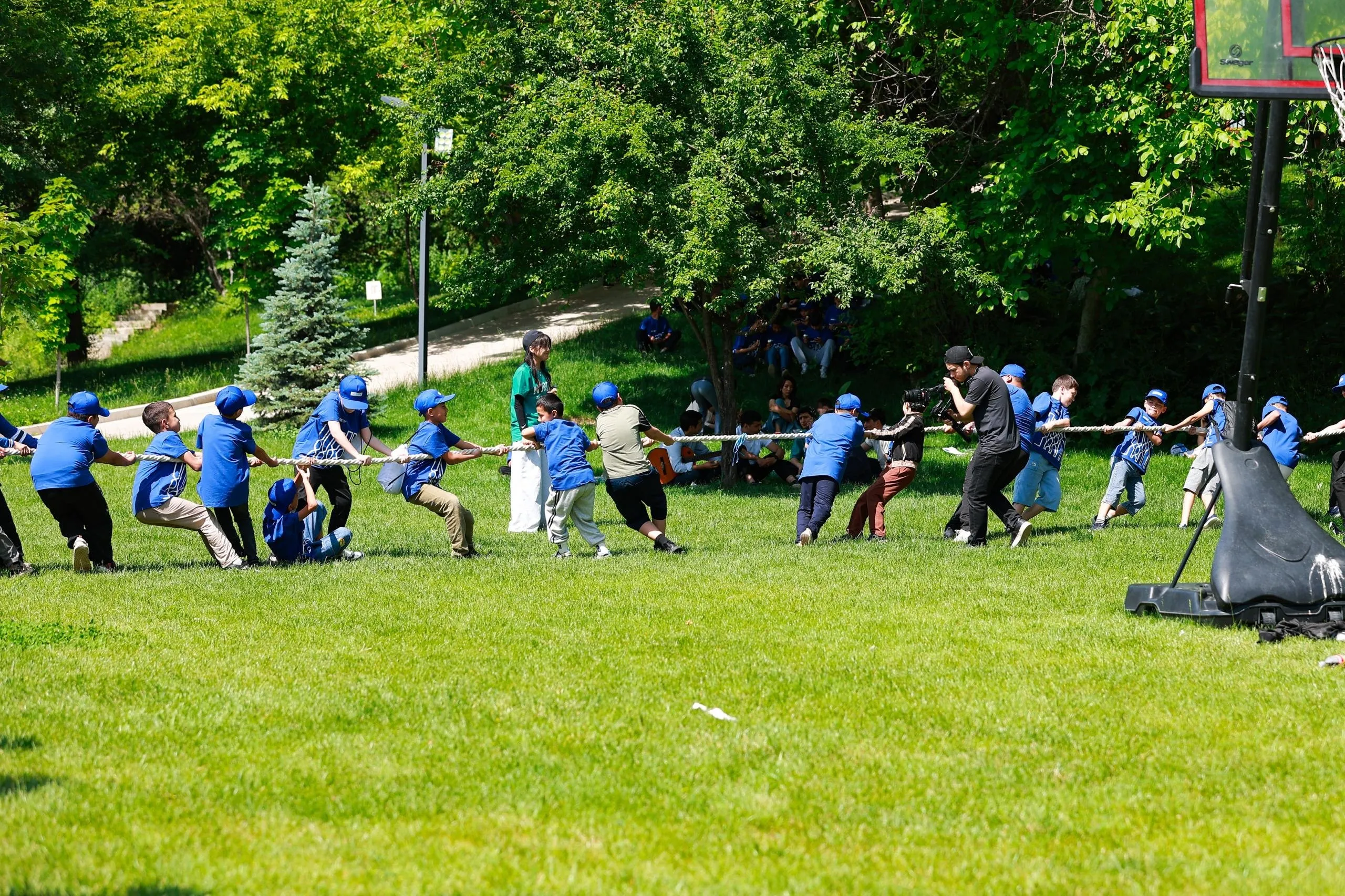
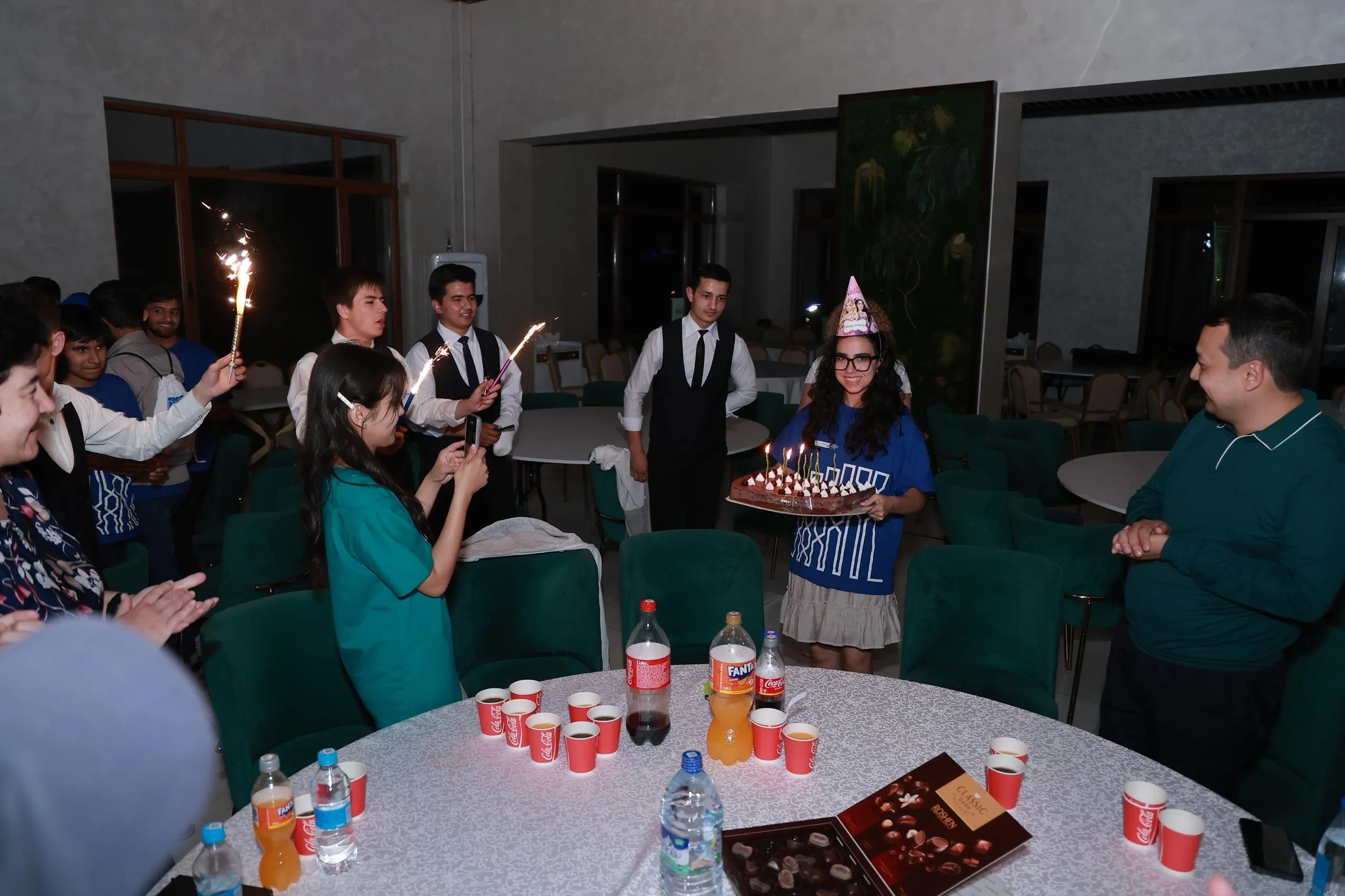
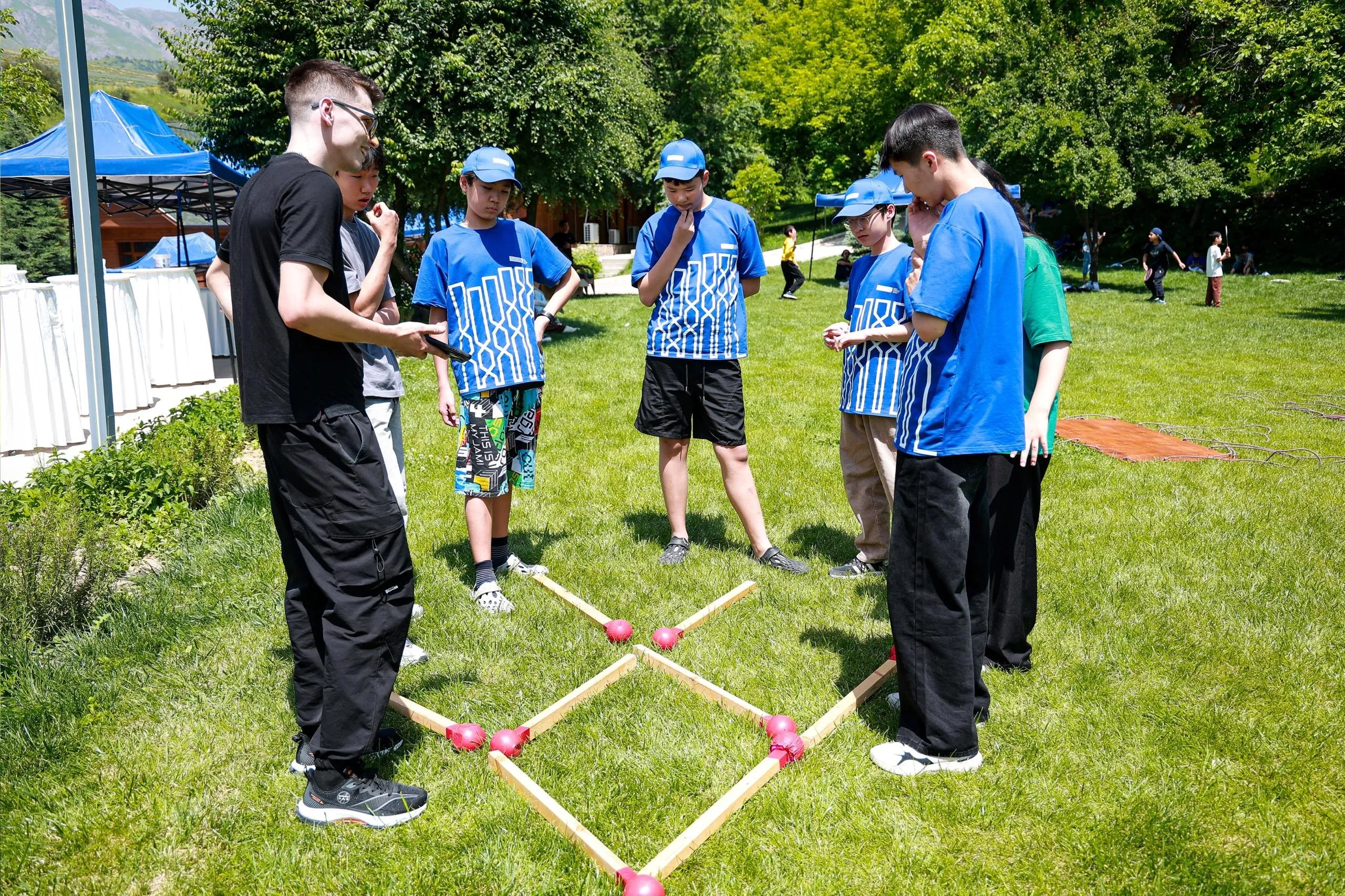
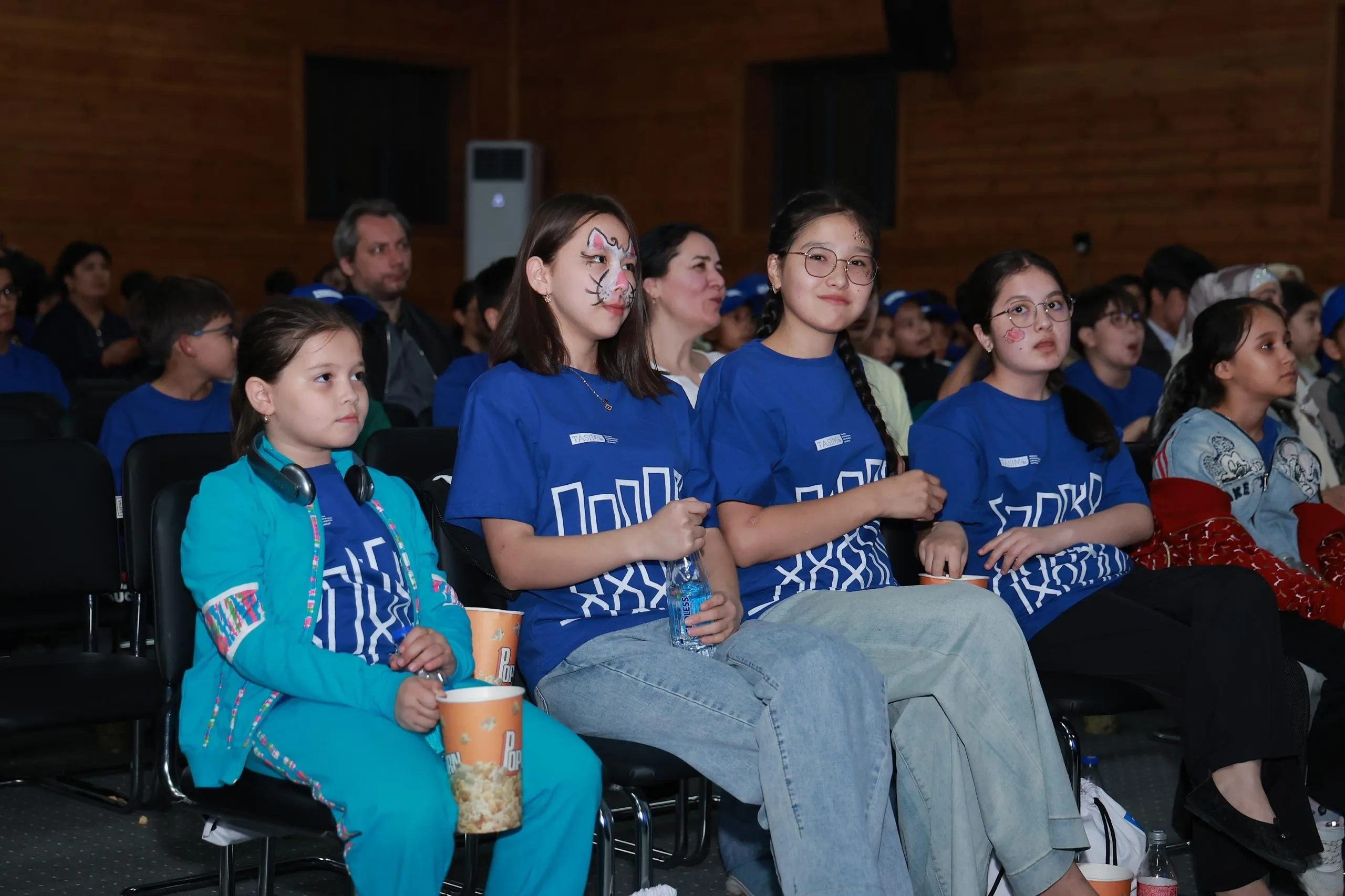
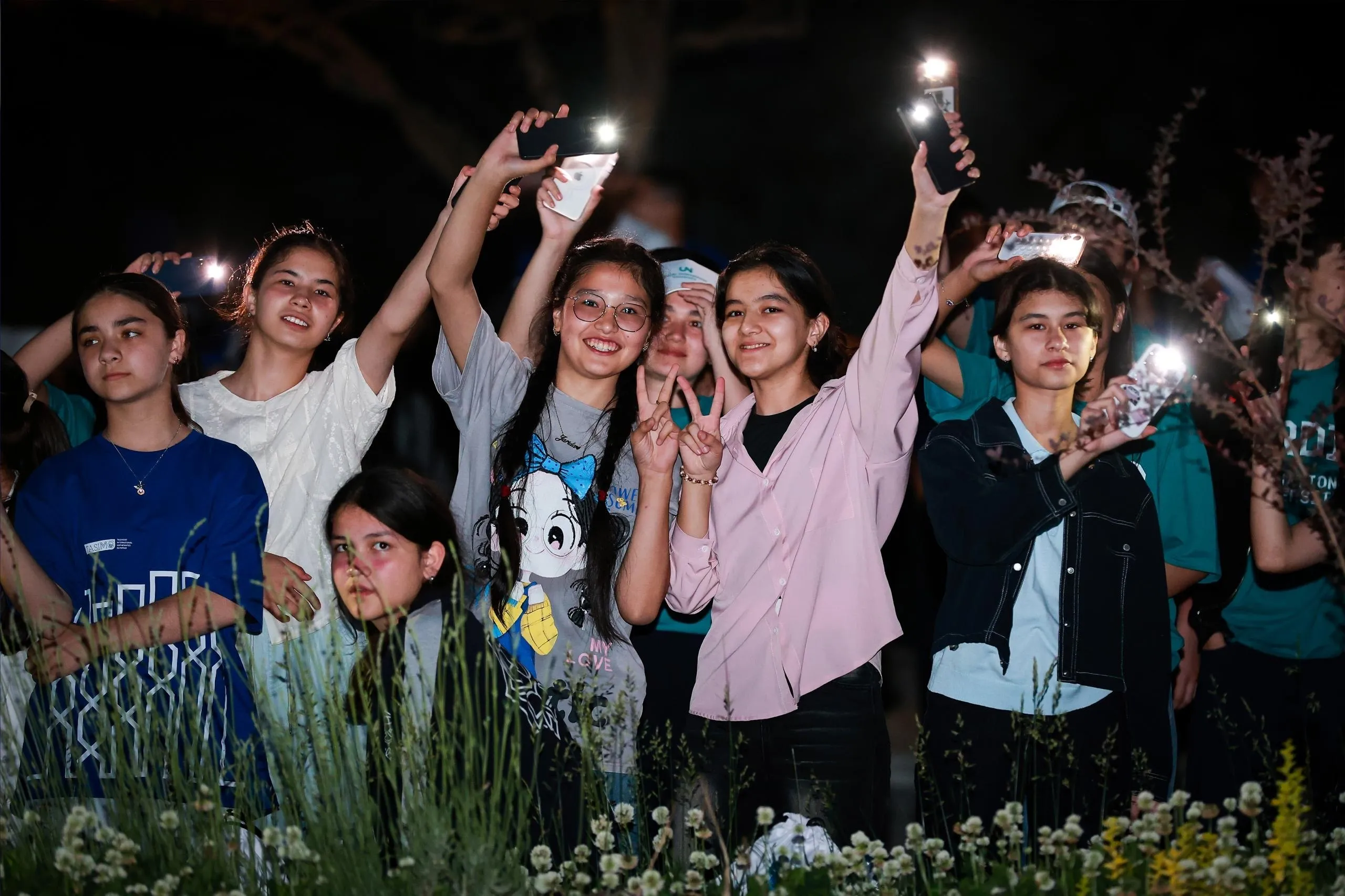
In addition, sports competitions, the intellectual game “Zakovat,” concerts and entertainment programmes, kite flying, tug-of-war contests, team-based activities, nature excursions, a “Pizza Party,” and interactive events inspired by the format of the “Squid Game” contributed to the development of leadership, teamwork, and communication skills among participants.


In today’s modern educational landscape, high academic achievement alone is no longer considered sufficient; emotional intelligence, social adaptability, and global thinking have become equally important indicators of success.


At the final stage of the Olympiad, Uzbekistan’s young mathematics talents achieved remarkable results, securing 9 out of 12 gold medals, 10 out of 15 silver medals, 12 out of 18 bronze medals, and 24 out of 75 “Honourable Mention” certificates. These outstanding achievements clearly demonstrate the strong intellectual potential and academic excellence of the country’s younger generation.
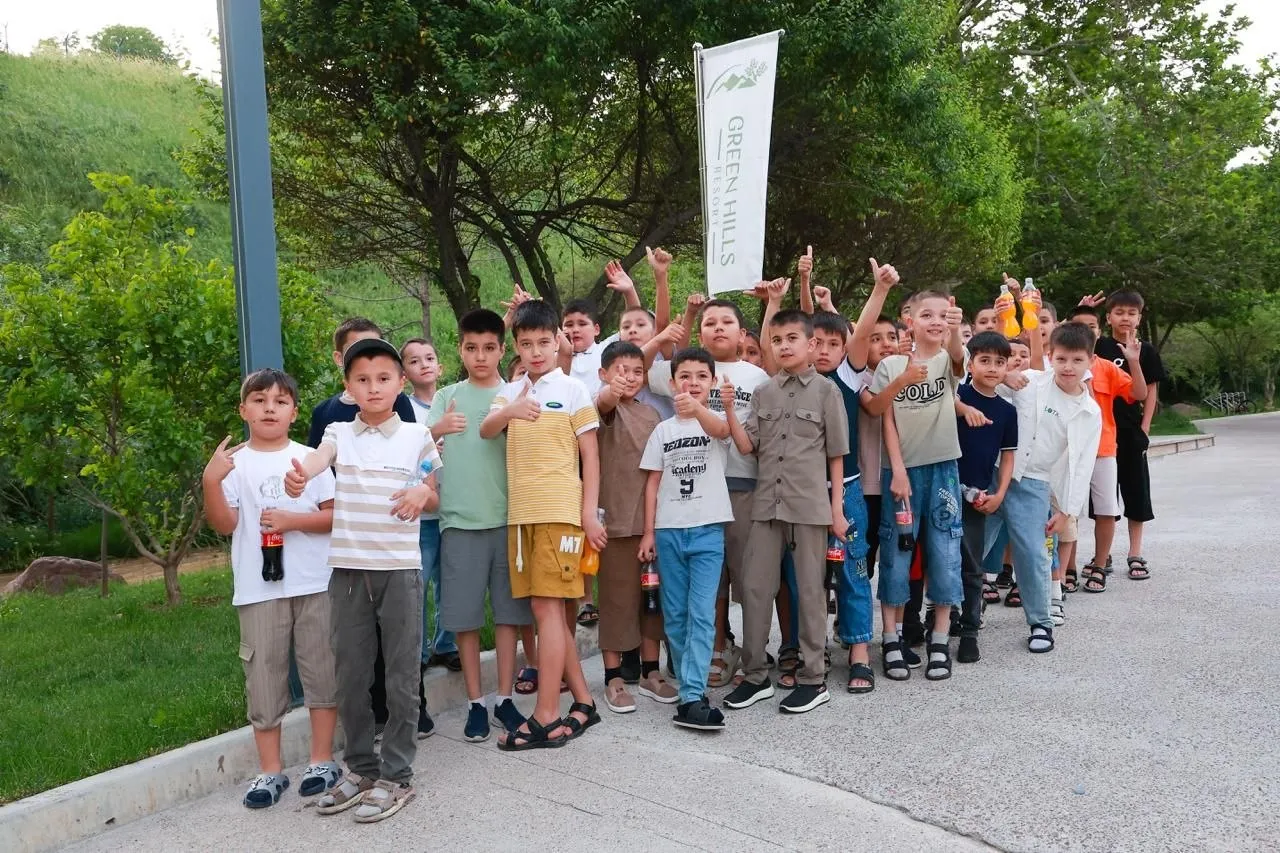
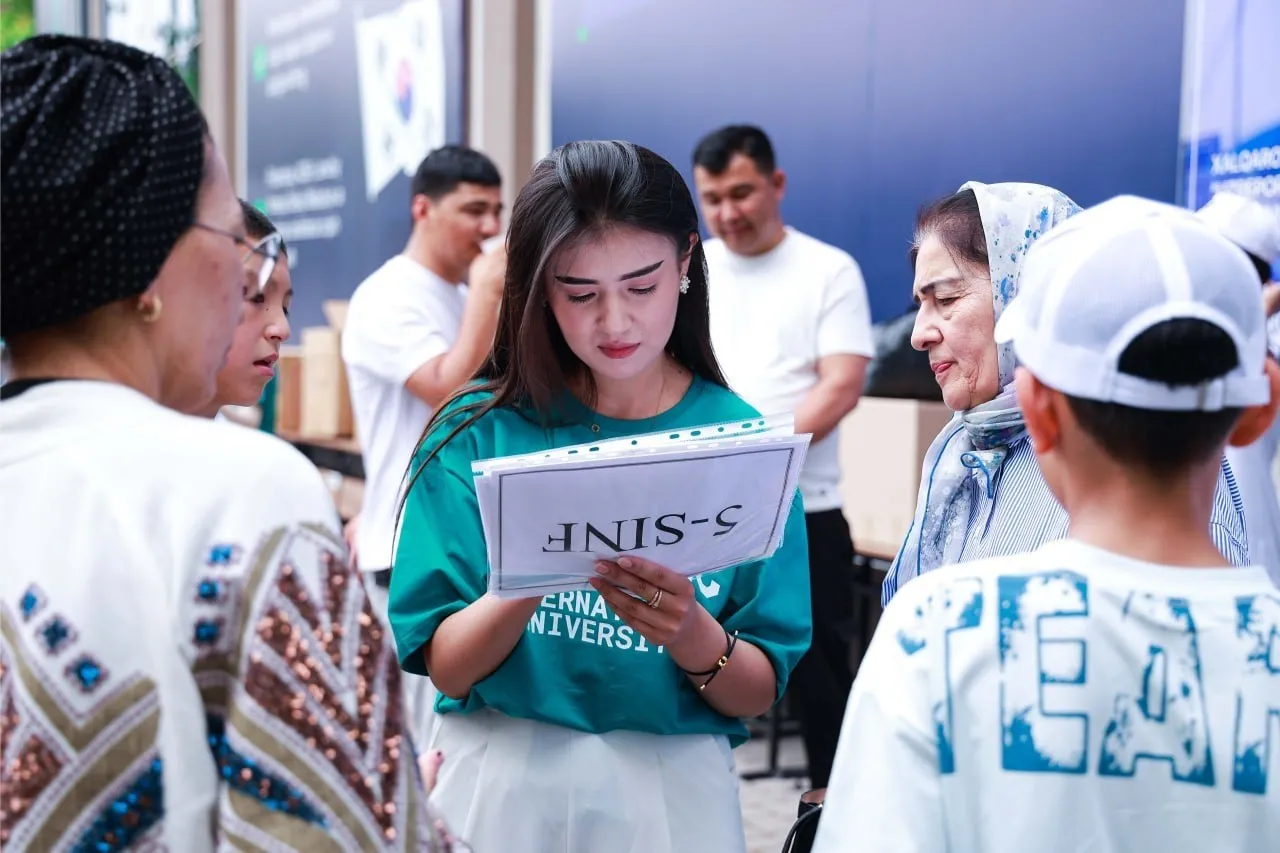
photo-2026-05-22-11-43-27
Preview
photo-2026-05-22-11-31-51
Preview
photo-2026-05-19-11-30-13-2
Preview
photo-2026-05-22-11-43-35-2
Preview
photo-2026-05-22-11-44-01-2
Preview
photo-2026-05-19-12-35-13
Preview
photo-2026-05-19-11-29-34
Preview
photo-2026-05-20-10-11-37
Preview
photo-2026-05-22-11-43-37
Preview
photo-2026-05-19-16-37-59
Preview
photo-2026-05-19-23-00-09
Preview
photo-2026-05-20-15-35-28
Preview
photo-2026-05-19-23-39-50
Preview
photo-2026-05-22-11-40-59
Preview
photo-2026-05-22-11-44-16
Preview
Print

Latest news

New Contributions to Scholarship from Nordic University Press

New Contributions to Scholarship from Nordic University Press

📖 Essentials of Economics, Business and Tourism in English is a modern study guide developed to enhance B1–B2 level English proficiency for students of economics, business, and tourism through discipline-specific language and professional communication.


📘 Documentation Management in Preschool Education Institutions provides a comprehensive overview of the theoretical foundations and practical procedures for maintaining official documentation within preschool education settings, serving as a valuable resource for both students and practitioners.


📗 Fundamentals of Management offers an in-depth exploration of modern management principles, strategic thinking, leadership, efficient resource utilization, and digital transformation, equipping learners with the competencies required in today's dynamic professional environment.


These newly published academic resources not only reinforce students' theoretical knowledge but also cultivate the practical skills and professional competencies required to become competitive, future-ready specialists who can successfully meet the demands of the modern labour market.


Moreover, these publications serve as reliable practical references for professionals working in their respective fields, supporting continuous professional development and the effective application of contemporary knowledge in practice.

Nordik and Xushnudbek: Advancing Education, Media, and Opportunities for Young People

Nordik and Xushnudbek: Advancing Education, Media, and Opportunities for Young People

As young people increasingly rely not only on traditional classrooms but also on digital platforms, open educational resources, and credible information channels, the meeting focused on developing a modern learning ecosystem. Discussions explored prospective collaboration in enhancing educational platforms, creating impactful education and media projects for young audiences, and promoting wider access to knowledge through innovative approaches.


For many years, Xushnudbek Khudoyberdiyev has been a trusted source of timely and reliable information on higher education, legislation, and social issues for prospective students, university learners, and the broader public. His work has played a significant role in helping young people make informed decisions, stay updated on educational opportunities, and strengthen their legal awareness.
International Nordik University, in turn, continues to position innovation at the heart of its development strategy by integrating artificial intelligence, digital learning technologies, and international best practices into a forward-looking academic environment.


The meeting concluded with a shared commitment to establishing long-term cooperation aimed at enhancing the quality of education, fostering open dialogue, and creating new opportunities that empower the younger generation.

Education for a Safer Society: Nordik and UNODC United by a Shared Mission

Education for a Safer Society: Nordik and UNODC United by a Shared Mission

A high-level meeting was held between Mr. Oliver Stolpe, Regional Representative of the United Nations Office on Drugs and Crime (UNODC) for Afghanistan, Central Asia, Iran, and Pakistan, and the leadership of Nordik University.


During the meeting, Mr. Stolpe presented UNODC’s extensive international experience in combating drug trafficking, transnational organized crime, corruption, and other emerging global threats. He emphasized that education, awareness-raising, and preventive measures remain among the most effective and sustainable approaches to addressing drug abuse and transnational crime.


The University leadership, in turn, introduced Nordik as a modern academic hub that integrates education, innovation, and entrepreneurship, highlighting its commitment to developing socially responsible and globally competitive graduates.


The discussions focused primarily on protecting young people from harmful influences. Both parties explored opportunities for cooperation aimed at strengthening students’ resilience against drug abuse, promoting healthy lifestyles, implementing awareness campaigns, and developing joint educational and social initiatives that foster a culture of prevention and civic responsibility.


The meeting concluded with an agreement to hold a follow-up working meeting in September 2026 and to launch a phased implementation of joint preventive and educational projects designed to benefit students and the wider community.

Инновационная платформа Nordik: новая модель диссертационного совета на основе AI-профессоров

Инновационная платформа Nordik: новая модель диссертационного совета на основе AI-профессоров

Может ли искусственный интеллект анализировать диссертации на уровне экспертного сообщества?

Возможно ли выявить методологические недостатки ещё до защиты?

Насколько эффективно AI способен повысить прозрачность, объективность и качество работы диссертационных советов?


Именно этим вопросам была посвящена презентация, в ходе которой разработчики подробно представили возможности новой платформы. Участникам была продемонстрирована практическая симуляция заседания диссертационного совета с участием AI-профессоров, созданных на основе технологий искусственного интеллекта.


Платформа позволяет проводить экспертный анализ диссертационных исследований, выявлять научные и методологические недочёты на ранних этапах подготовки работы, а также формировать обоснованные рекомендации по их устранению ещё до выхода на защиту. Такой подход способствует повышению качества научных исследований и совершенствованию процедуры подготовки диссертаций.


Особое внимание было уделено тому, что искусственный интеллект не рассматривается как замена научного руководителя, эксперта или члена диссертационного совета. Напротив, AI выступает в роли интеллектуального инструмента поддержки принятия решений, предоставляя глубокую аналитику, объективные выводы и оперативные рекомендации, которые помогают экспертам принимать более взвешенные решения.


Представленная платформа стала важным шагом на пути цифровой трансформации науки и высшего образования. Она открывает новые возможности для повышения качества научной экспертизы, совершенствования процессов подготовки и защиты диссертаций, а также более широкого внедрения технологий искусственного интеллекта в систему научного управления.


Разработка ориентирована на научных руководителей, преподавателей вузов, докторантов и всех исследователей, занимающихся научной деятельностью, предлагая современное инновационное решение для развития цифровой научной экосистемы.

Follow the official channel on Telegram

Subscribe to our YouTube channel

Follow our page on Facebook

Connect with our LinkedIn profile