Literature Night: A Look at the Art of Translation and the skills of a Master Translator

Literature Night: A Look at the Art of Translation and the skills of a Master Translator

March 05 , 2025

|

1669

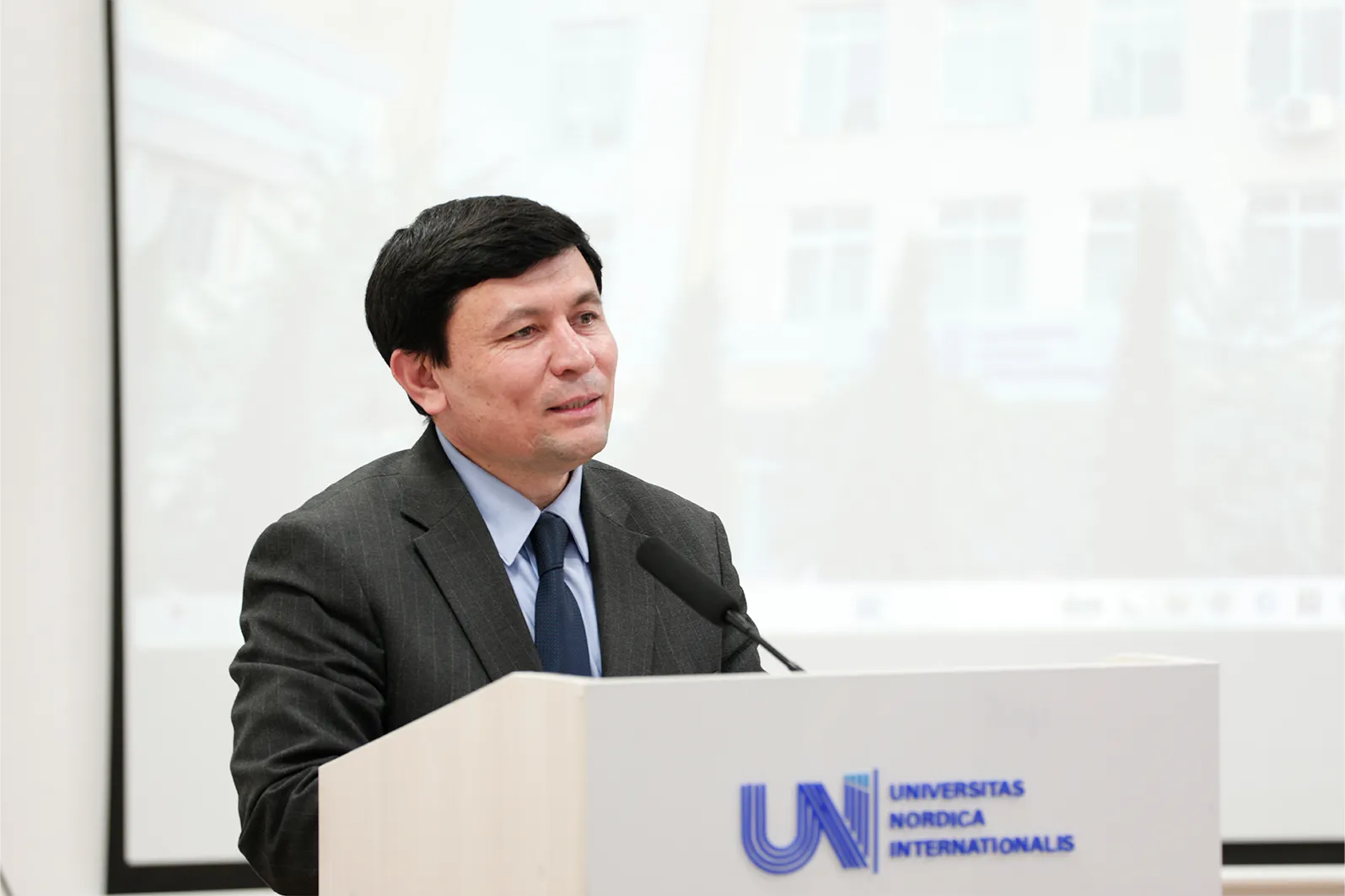
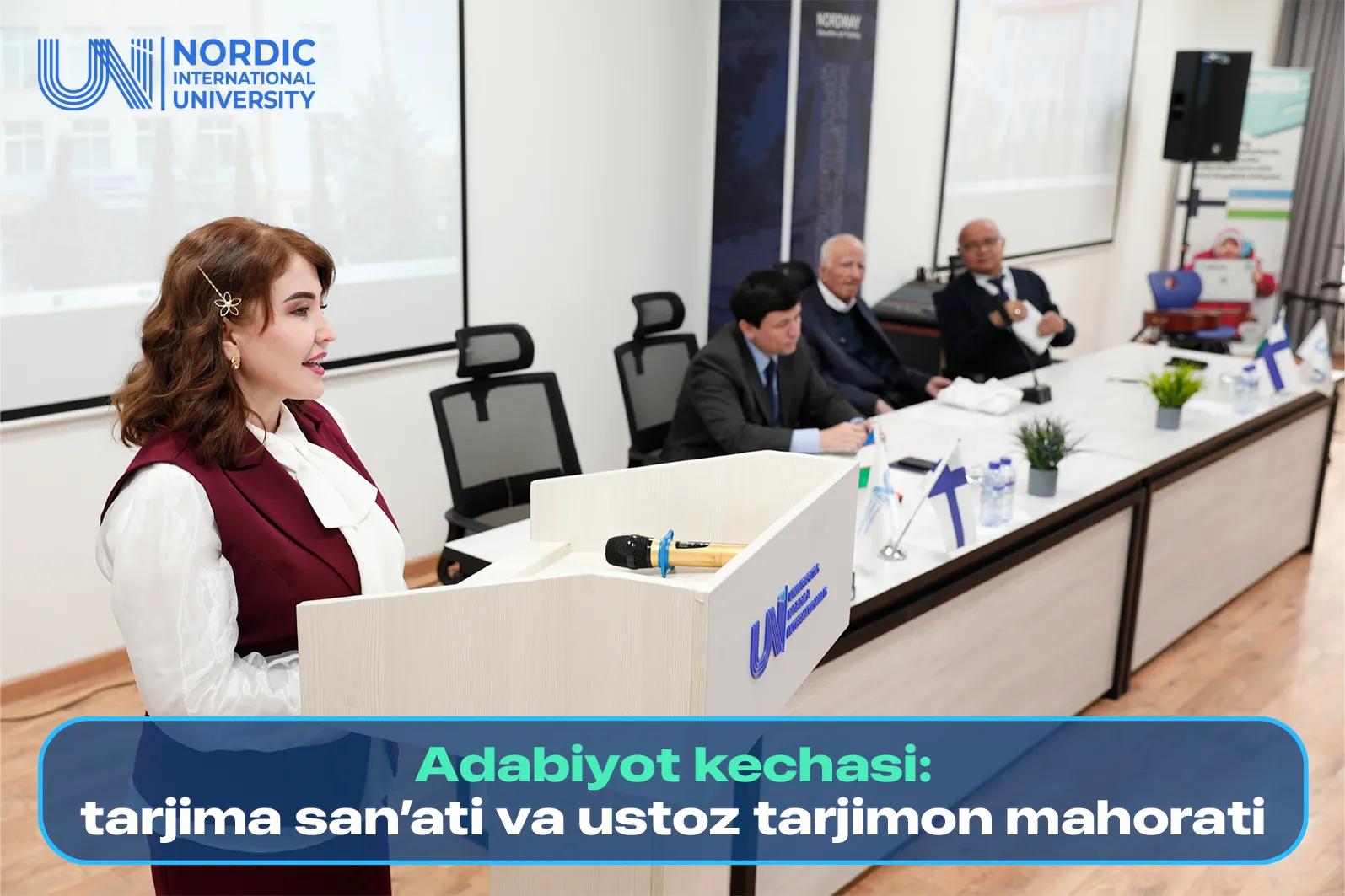
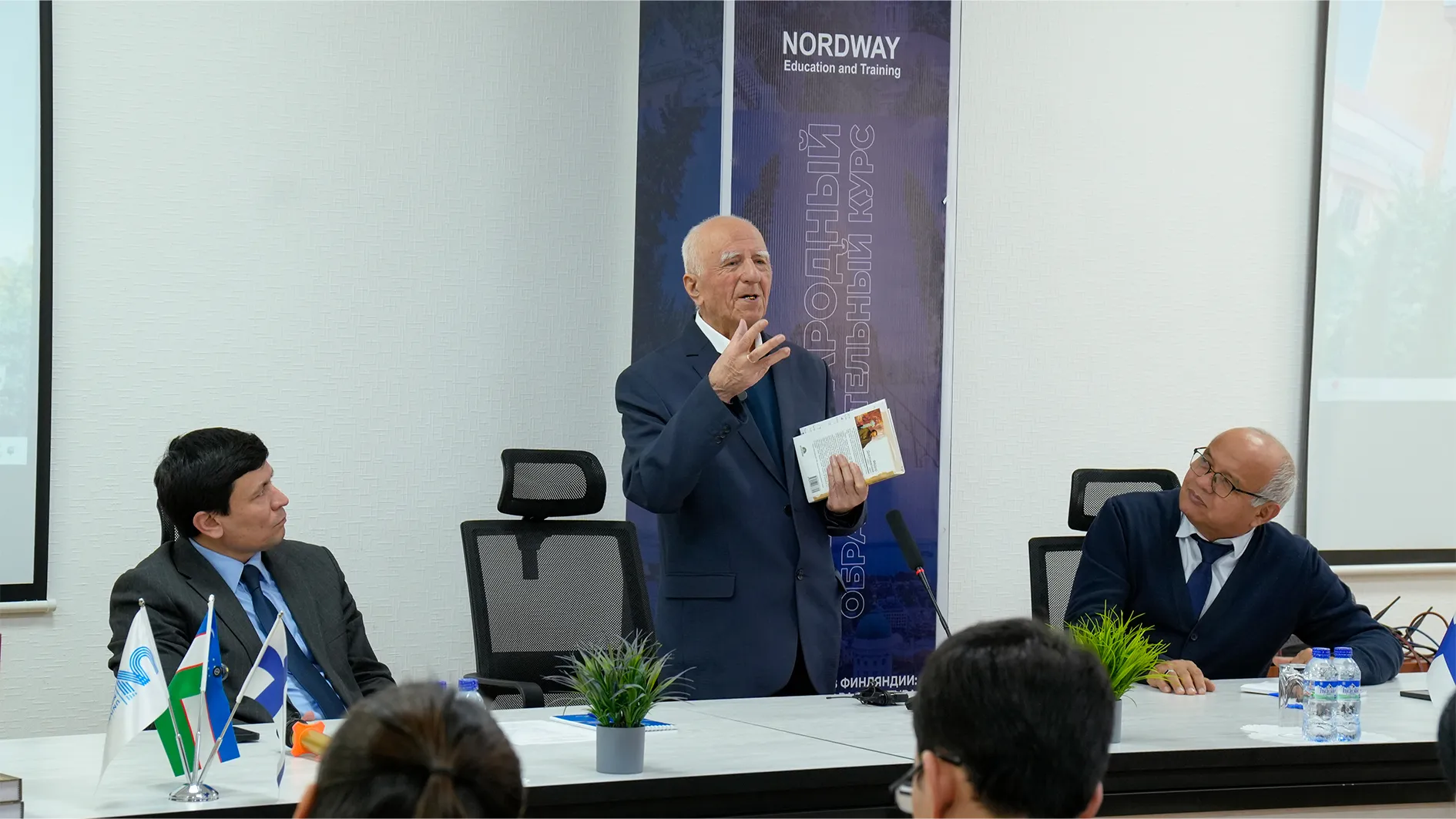
At Nordic University, a special “Literature Night” was held featuring Ibrohim G‘afurov—a renowned writer, exceptional translator, literary critic, recipient of the Order of Friendship, and Hero of Uzbekistan—alongside Rahmon Qo‘chqor, a distinguished literary scholar, recipient of the “Shuhrat” Medal, and the “Excellence in Public Education” titleholder.

Literature uplifts the soul, sharpens taste, and enlightens the mind. This traditional literary event, dedicated to the discussion of world-renowned masterpieces, focused on a deep analysis of Fyodor Dostoevsky’s Crime and Punishment.


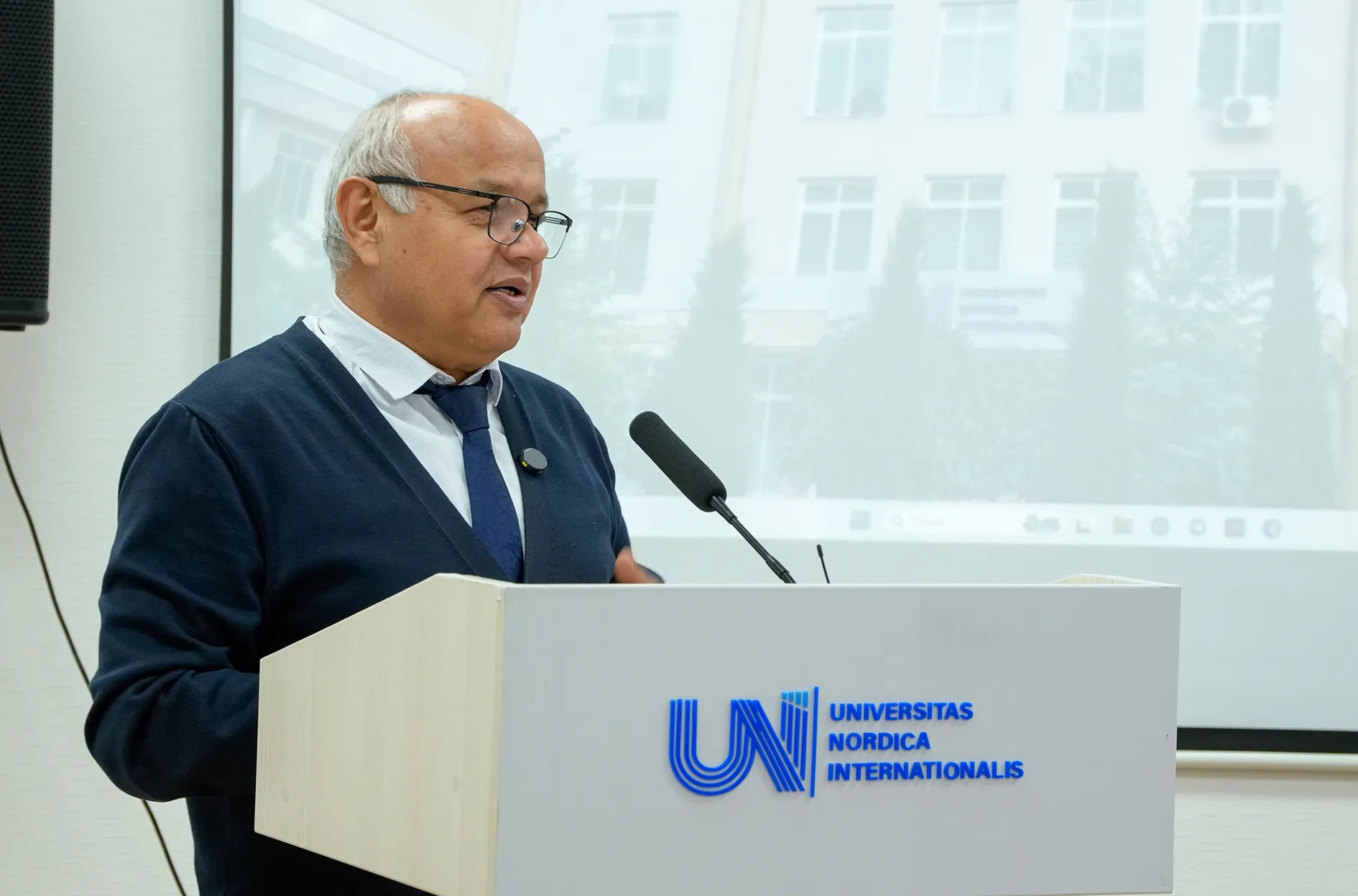
The event, attended by students from the Journalism and Music Education faculties, was opened by Rector Sherzod Mustafakulov, who highlighted the creative journey of skilled translator Ibrohim G‘afurov and the author of the "Hayrat" show 

Rahmon Qo‘chqor, as well as their significant contributions to literature and academia. He also spoke about Crime and Punishment, one of the most influential and widely analyzed works in world literature, and its unforgettable protagonist.


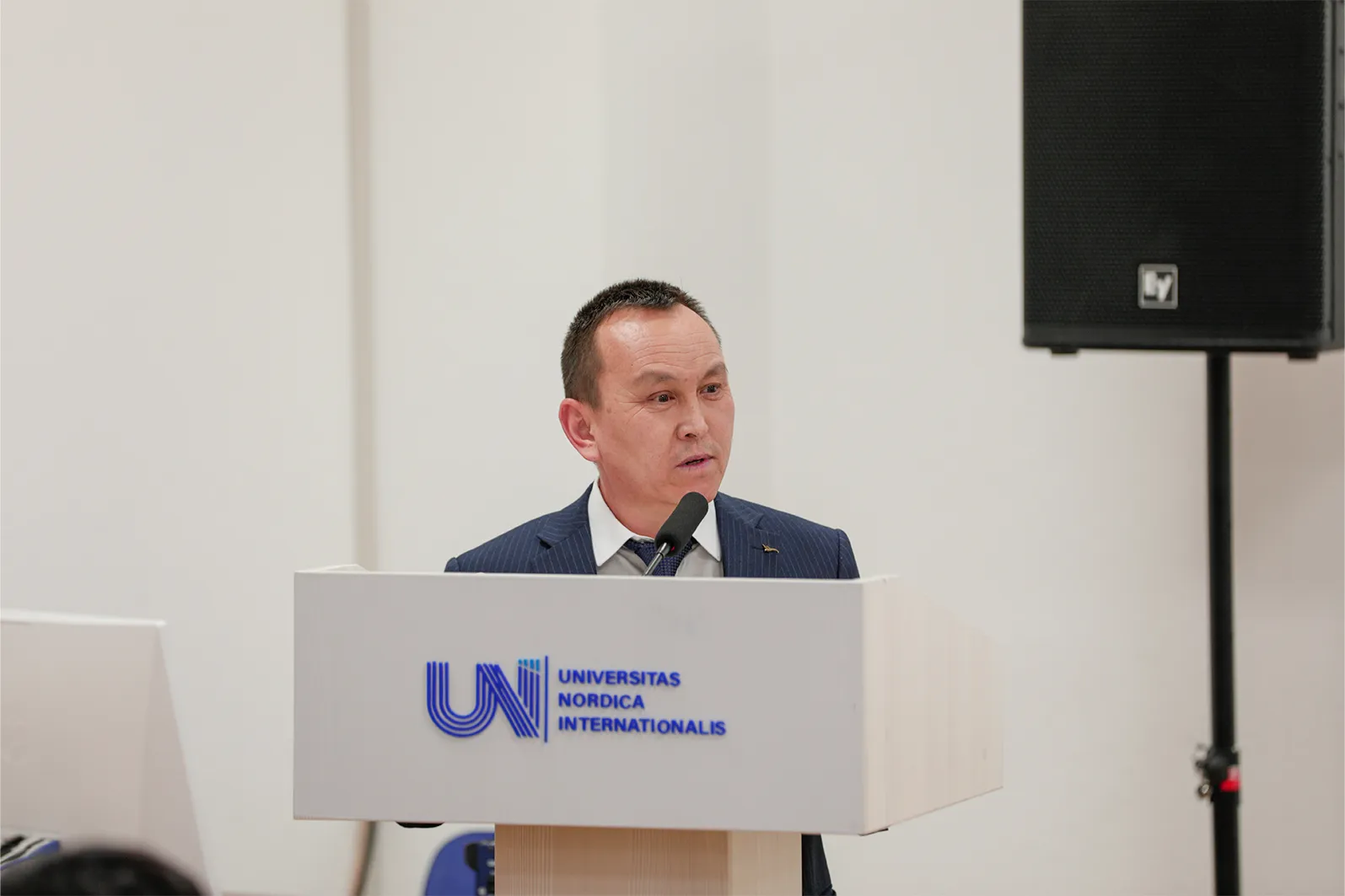
During the event, Ibrohim G‘afurov provided students with profound insights into the art of translation, its challenges, and the psychological and character intricacies reflected in Dostoevsky’s works.


 “Journalism and literature are deeply connected. Discussing Dostoevsky’s works allows us to gain a deeper spiritual understanding of what literature truly is. My passion for literature ignited in childhood, and I believe that if a love for books is nurtured early, it lasts a lifetime, regardless of circumstances. Dostoevsky’s works introduce a fascinating new artistic dimension. When I realized that translation has the power to refine minds, influence morality, and unite people around significant issues, I developed a deep interest in this craft.


 Engaging with world literature has transformed my life’s purpose—choosing and translating books that enrich the human spirit, expand knowledge, and promote wisdom, etiquette, and beauty. Dostoevsky’s works, in particular, lack redundancy; their sharp and beautifully structured narratives feel as familiar as our own literature. A translation must be so artistically perfect that the reader becomes fully immersed, experiencing no hesitation or doubt. The most noble and universal emotions must be conveyed as they are. Even as I re-read my own translation of Crime and Punishment before today’s event, I felt a profound sense of excitement and wonder…”

— Ibrohim G’afurov


At the event, Rahmon Qo‘chqor also shared a comprehensive analysis of Crime and Punishment, discussing the artistic brilliance of the novel, the phenomenon of Dostoevsky, and the translator’s unique mastery in capturing its essence. He emphasized that such translations enhance literary literacy and require deep reflection to truly comprehend. Describing Crime and Punishment, he noted that “it is not just the text, but an entire era that has been translated.” He also expressed appreciation for the significance of this literary gathering.


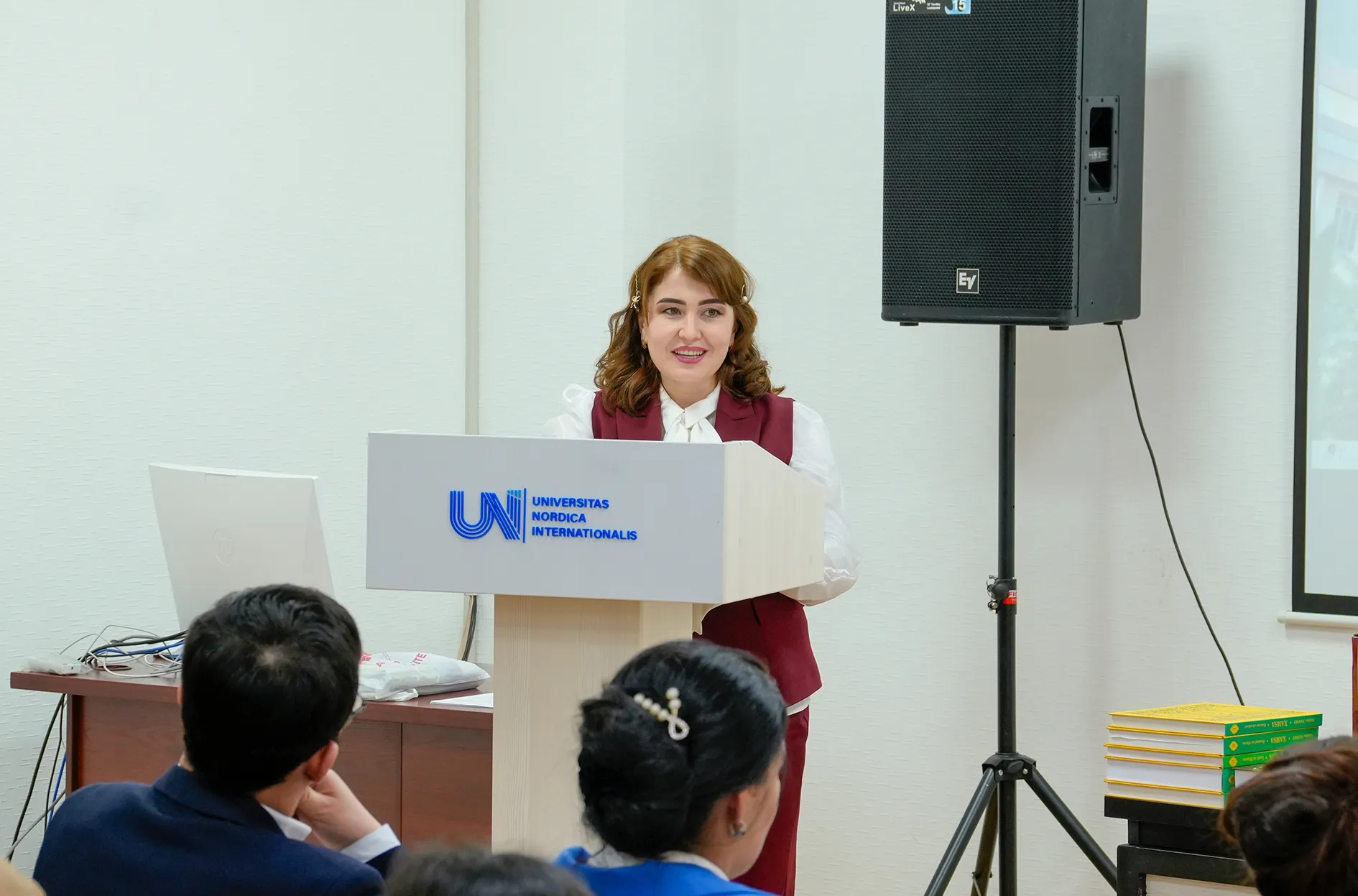
Students gained insight into the inspiration and challenges behind translation, explored hidden truths within the novel, and discovered new analytical perspectives.


The event also featured student reflections on Crime and Punishment, as well as a musical interlude by the “Nordic Taronasi” ensemble, performing classical pieces.


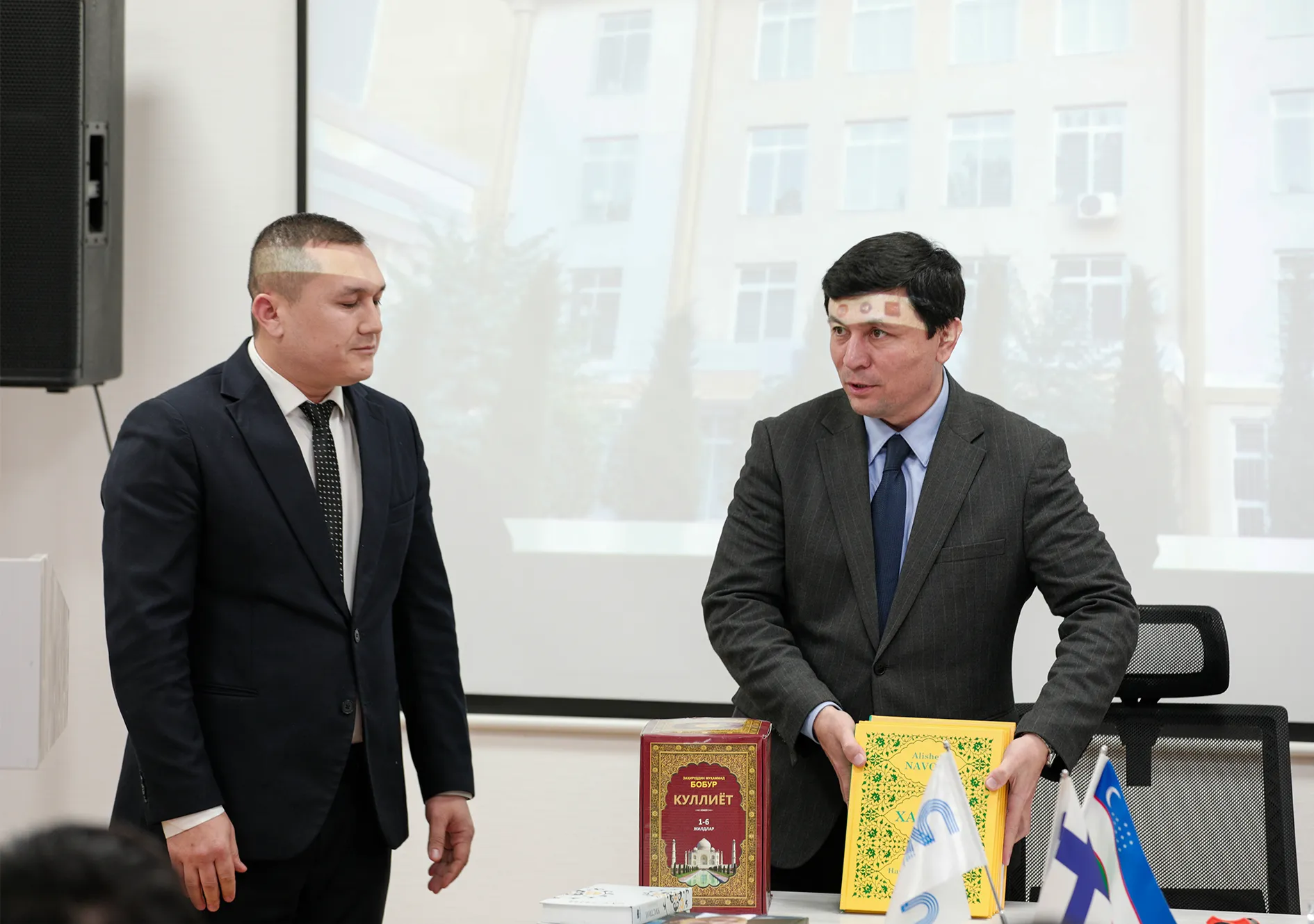
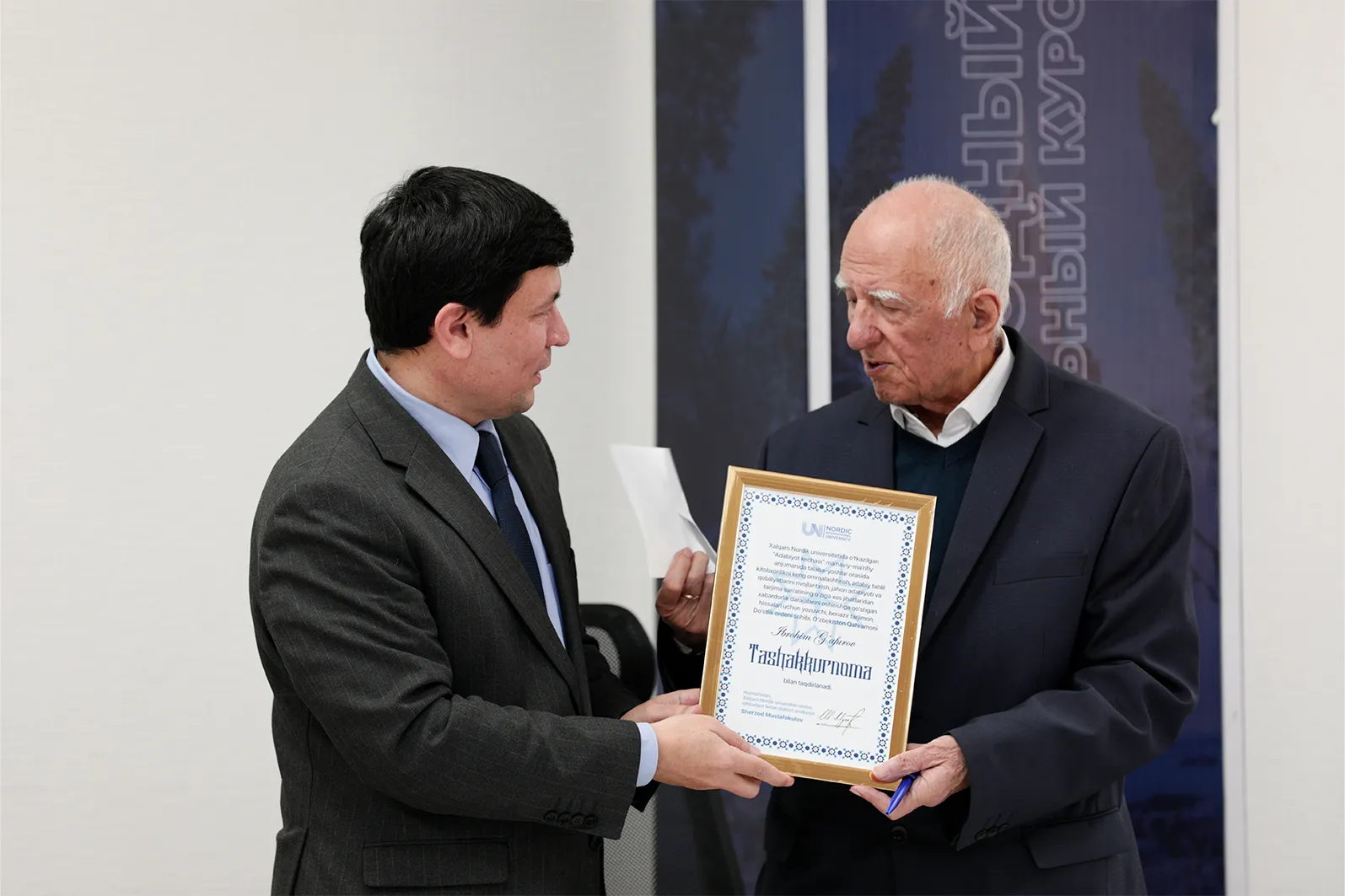
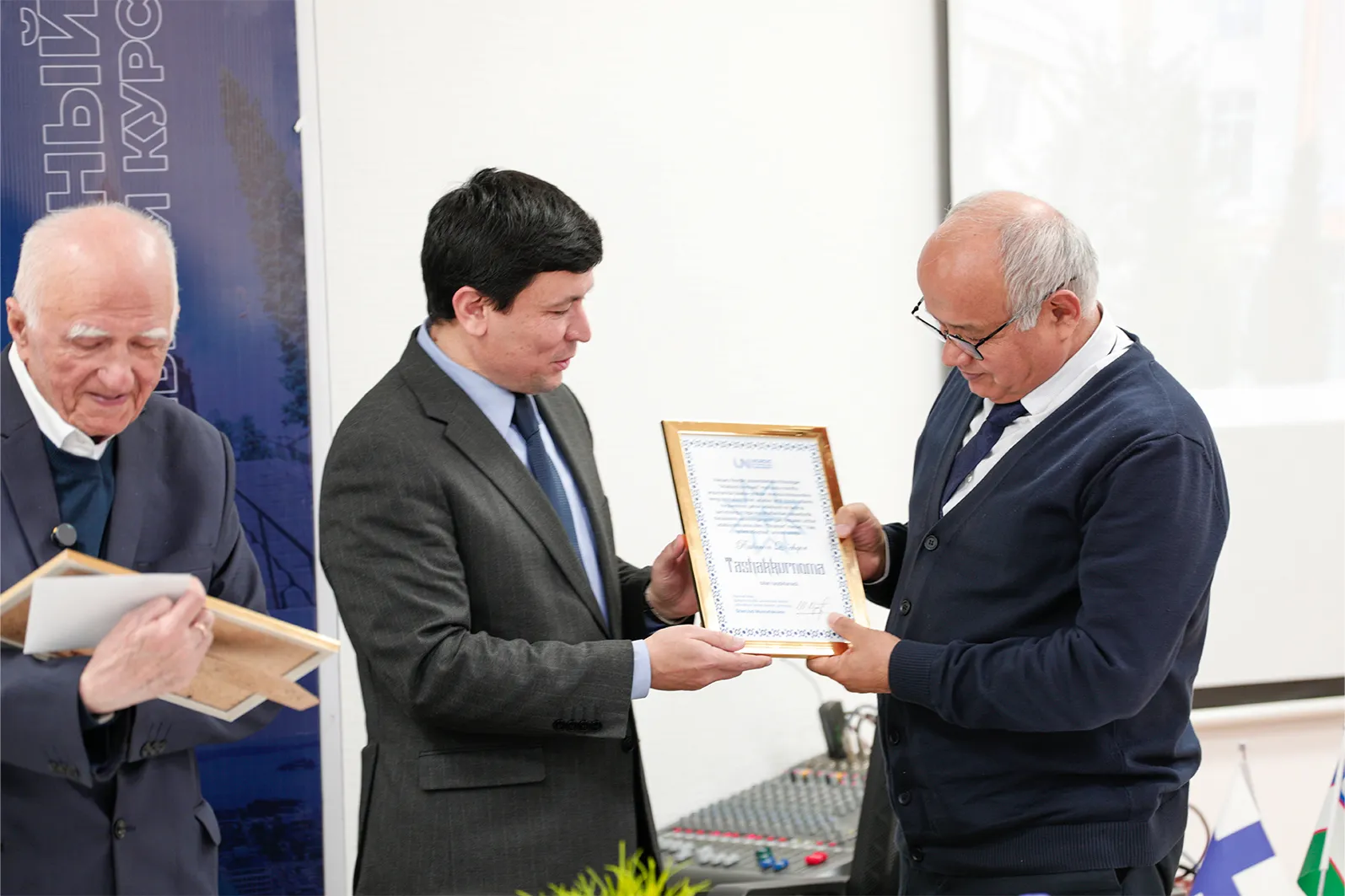
To conclude the gathering, the guests were honored for their participation, and the evening ended on a high note.


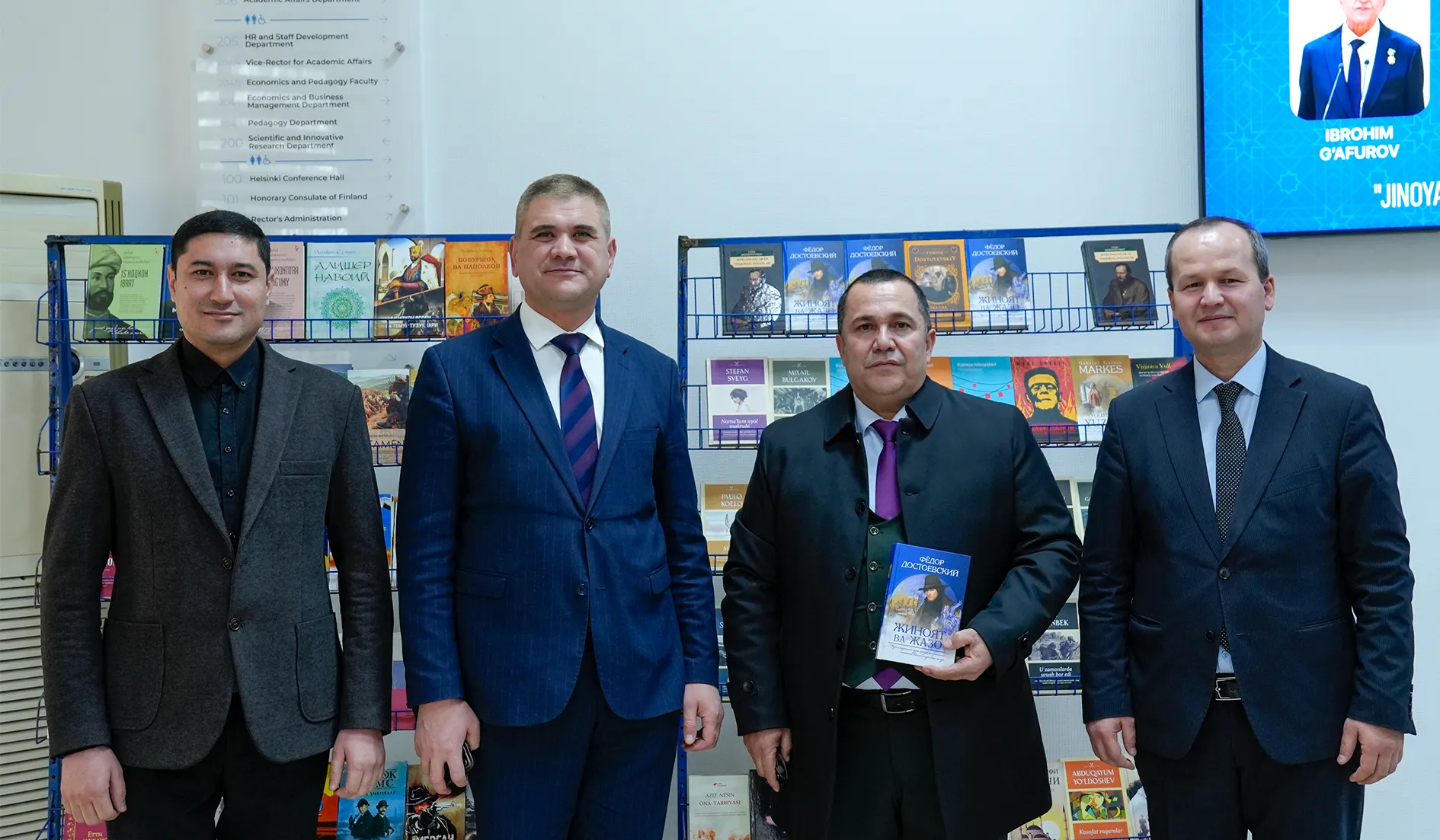
As part of the event, the “Yangi asr avlodi” Publishing House hosted a special exhibition of Ibrohim G‘afurov’s translations, including Dostoevsky’s works and many other newly published books.
Artboard-6-52
Preview
Artboard-4-56
Preview
Artboard-12-22
Preview
Artboard-5-56
Preview
Artboard-8-38
Preview
Artboard-1-58
Preview
Artboard-2-60
Preview
Artboard-9-33
Preview
Artboard-10-30
Preview
Print

Latest news

A New Collection of Knowledge from Nordic!

A New Collection of Knowledge from Nordic!

The Publishing House of Nordic International University has released another series of new textbooks and teaching and methodological manuals.


The newly published works are particularly noteworthy for the broad range of subjects and academic disciplines they cover, as well as for their relevance to contemporary educational priorities and professional demands:


“Investments” — a textbook authored by Khasan Sabirov and Ra’no Mardanova. The publication explores key issues of particular relevance to the modern economy, including investment policy, strategic priority areas, free economic zones, digital investment platforms, green investment, and ESG criteria.


“General Pedagogy” — a teaching manual co-authored by Nilufar Berdiyorova, Dilafruz Miraliyeva, and Ulugbek Jabbarov. The publication brings together, within a coherent academic and methodological framework, essential topics ranging from the fundamental principles of education and upbringing to modern pedagogical technologies, inclusive education, and professional teaching competence.


“Fundamentals of Psychological Training” — a teaching manual authored by Mansur Kholmatov. It examines various types of psychological training, the professional and personal competencies required of trainers, the process of designing and organising training sessions, and a range of practical techniques.


“A Collection of English Grammar Exercises” — a methodological manual by Sabohat Sodiqova. Designed for A1–A2 level learners, the material is systematically structured according to levels of complexity and enriched with a wide range of practical exercises and tests.


“Русский язык” (“Russian Language”) — a teaching manual by N. Azamatova, developed for students of non-philological disciplines studying Russian at the B1 level. The publication is based on a communicative approach to language learning and aims to strengthen students’ practical language competencies.


“Methods of Teaching Visual Arts Activities” — a teaching manual by Nazokat Akhmedova, intended for students specialising in Preschool Education. Alongside methods for organising drawing, appliqué, clay modelling, and construction activities, the manual places particular emphasis on developing children’s aesthetic awareness, creative thinking, and artistic abilities.


Most importantly, these publications go beyond theoretical knowledge. They place strong emphasis on practical exercises, contemporary teaching methodologies, communicative tasks, and subject matter aligned with the evolving demands of today’s professional environment.

A Tribute to a Devoted Man of Letters: O‘tkir Rahmat Awarded the Title of Honorary Professor

A Tribute to a Devoted Man of Letters: O‘tkir Rahmat Awarded the Title of Honorary Professor

Their lives become enduring symbols of selfless service, enlightenment, and unwavering devotion to their homeland. One such distinguished figure is O‘tkir Rahmat—an Honored Journalist of Uzbekistan, recipient of the Order of Mehnat Shuhrati (Labour Glory) and the Shuhrat Medal, laureate of the International Cholpon Prize, an acclaimed writer, publicist, public figure, and Editor-in-Chief of the newspapers Xalq So‘zi and Narodnoye Slovo.


In recognition of his remarkable contribution to the development of national journalism, literature, spirituality, and youth education, Nordik International University conferred upon the eminent writer the academic title of Honorary Professor. The award stands as a testament to his decades of dedicated service and invaluable contribution to Uzbekistan's intellectual and cultural life.


The ceremony featured a comprehensive exhibition of O‘tkir Rahmat's literary works, the presentation of his latest book, A Heart Dedicated to the People, as well as a creative meeting and literary dialogue attended by scholars, students, and distinguished guests.


Participants reflected extensively on the writer's multifaceted creative legacy, his rich contribution to Uzbek literature, and a lifetime devoted to serving the interests of the people.


Born on 15 March 1948 in the village of Uzun, Samarkand Region, O‘tkir Rahmat developed from an early age a profound love for language, unwavering patriotism, and deep empathy for the aspirations and concerns of ordinary people. These qualities ultimately established him as one of the leading representatives of contemporary Uzbek journalism and literature.


Having graduated from Samarkand State University named after Alisher Navoi and the Tashkent State Institute of Law, he began his professional career in journalism in 1974. Throughout his distinguished career, he served in the Presidential Administration, prestigious government institutions, and the country's leading media organizations, occupying numerous responsible positions.


During the years of Uzbekistan's independence, his publicistic writings evolved into a unique spiritual chronicle of the nation's development. As Editor-in-Chief, he transformed newspaper pages into more than just sources of information—they became an influential platform for open dialogue between the state and society, fostering public discourse, civic awareness, and intellectual engagement.


O‘tkir Rahmat's literary heritage represents a remarkable synthesis of poetry, publicism, and prose. His works consistently explore such timeless themes as human dignity, patriotism, spirituality, kindness, and national identity. His numerous books—including Irmoq, Sog‘inch, Jilg‘a, Rayhon Hidi, Shukrona, Oy Yog‘dusi, Ko‘zim Qorachug‘i, Xayol Ifori, Yurakdagi Qush, Xoksor Maysa, Dilchiroq, Mangu Ovoz, Taskin, O‘tli Ruh, and Yillar Oralab—have earned a cherished place in the hearts of readers.


Literary scholars often describe him as "a painter of the human soul." Through vivid depictions of nature, he reveals the essence of humanity, and through the individual, he offers profound reflections on society itself.


During the event, university professors, faculty members, and invited guests emphasized that O‘tkir Rahmat has earned the enduring trust of the people and the sincere admiration of generations of readers. His poems were recited, while many of his verses that have been transformed into songs were performed live.


The ceremony also included the premiere of a documentary film dedicated to the writer's life and creative journey, a book exhibition, an engaging literary discussion, and the official presentation of his new publication, A Heart Dedicated to the People.

The book is both a reflection of an era and a testimony of conscience. Drawing upon decades of personal experience, journalistic observation, and civic responsibility, the author presents a compelling artistic interpretation of contemporary Uzbekistan. Through vivid examples and thoughtful analysis, the work explores the essence of the country's ongoing reforms, the promotion of human dignity, public welfare, spiritual development, and the strengthening of trust between the state and society.


Employing a clear, accessible, and engaging style, the author interprets complex political and social processes in a manner that not only informs readers but also encourages critical thinking, independent judgment, and an active civic mindset.


For this reason, the publication represents not only a work of literary journalism but also one of the significant sources reflecting the spiritual essence of New Uzbekistan's ongoing development.
The meeting with O‘tkir Rahmat became far more than a ceremonial occasion honoring an outstanding writer. It evolved into an inspiring dialogue celebrating a lifetime devoted to public service, responsibility before the written word, and unwavering commitment to enlightenment.


At the conclusion of the ceremony, in accordance with the resolution of the University Council, O‘tkir Rahmat was officially awarded the academic title of Honorary Professor.


University Rector, Professor Sherzod Mustafakulov, together with Academician Bakhriddin Zaripov, warmly congratulated the distinguished writer and highly praised his exceptional contribution to the advancement of Uzbekistan's national journalism, literature, and spiritual life.


The ceremony concluded with the honored guest leaving his heartfelt wishes and reflections in the University's commemorative guest book, Dil Izhori (Expressions of the Heart), as a lasting symbol of friendship, respect, and intellectual partnership.

Today's Newspaper | Xalq So‘zi

Today's Newspaper | Xalq So‘zi

The article provides a scholarly and analytical interpretation of the priority objectives outlined by the President of the Republic of Uzbekistan on the occasion of June 30 – Youth Day. It explores the key challenges and opportunities facing young people in an era shaped by globalization, digital transformation, and the rapid advancement of artificial intelligence.


The author examines some of the most pressing trends of our time, including artificial intelligence, robotics, biotechnology, the digital economy, the ecosystem of future professions, lifelong learning, and continuous professional development. The article also presents valuable insights into the skills and competencies that will be essential for success in the future labor market.


Special attention is given to several strategic initiatives, particularly the "Future Professions Ecosystem", highlighting its role in preparing young people for the evolving demands of the labor market, providing career guidance, and fostering the development of modern competencies.


The publication serves as an important analytical resource not only for young people but also for parents, educators, university leaders, and education professionals interested in the future of human capital development.


📖 Read the full article in today's, July 4, edition of Xalq So‘zi newspaper.

A New Bridge for Public Diplomacy: The Uzbekistan–Finland Friendship Society Officially Launched

A New Bridge for Public Diplomacy: The Uzbekistan–Finland Friendship Society Officially Launched

Guided by this vision, the Uzbekistan–Finland Friendship Society has officially commenced its activities.
The establishment of the Society represents a natural continuation of more than three decades of diplomatic relations between Uzbekistan and Finland, while marking a new stage in the development of public diplomacy between the two countries.


The Society aims to strengthen friendship and mutual understanding between the peoples of Uzbekistan and Finland by expanding cooperation in education, research, innovation, culture, and public diplomacy. It also seeks to foster stronger connections among young people, scholars, researchers, and creative professionals through joint projects, academic conferences, exhibitions, cultural initiatives, and other collaborative programmes that create new opportunities for bilateral engagement.


The inaugural meeting of the Society was held at Nordic International University.


Addressing the participants, Professor Sherzod Mustafakulov, Rector of the University and a member of the Supervisory and Audit Commission of the Uzbekistan–Finland Friendship Society, highlighted the current achievements and future prospects of bilateral cooperation, particularly in higher education and scientific research. He underscored that public diplomacy serves as a vital instrument for strengthening trust between nations and opening new avenues for sustainable cooperation.


G‘anisher Irmatov, Deputy Chairman of the Committee on Interethnic Relations and Compatriots Abroad under the Government of the Republic of Uzbekistan, noted that the Republic of Finland officially recognised Uzbekistan's independence on 30 December 1991, while diplomatic relations between the two countries were established in 1992.


He further emphasised that bilateral cooperation has continued to expand steadily across education, the economy, culture, and numerous other sectors. He also referred to the Presidential Decree of the Republic of Uzbekistan No. PF–21, dated 16 February 2026, which sets the strategic objective of increasing the number of Uzbek language centres for the children of compatriots living abroad to 62, as well as expanding the network of friendship societies with foreign countries to 80. The Uzbekistan–Finland Friendship Society is expected to play a significant role in achieving these national objectives.

During the meeting, Alisher Rahmatullayevich Jo‘rayev, Chairman of the Board of Trustees of Nordic International University and Honorary Consul of Finland in Uzbekistan, was elected Chairman of the Board of the Uzbekistan–Finland Friendship Society. Odil Qo‘ysinov, Vice-Rector of the University, was appointed Deputy Chairman.

The members of the Society's Board and Supervisory and Audit Commission were also formally introduced.


Concluding the meeting, participants exchanged views on the Society's future priorities and expressed confidence that it would become an effective platform for advancing economic, academic, educational, and cultural cooperation between Uzbekistan and Finland. They noted that the Society would further strengthen mutual trust while facilitating the implementation of promising joint initiatives.


The Uzbekistan–Finland Friendship Society represents more than a new institutional framework—it is a dynamic platform that brings the two nations closer through knowledge, innovation, culture, shared values, and meaningful people-to-people dialogue.

Follow the official channel on Telegram

Subscribe to our YouTube channel

Follow our page on Facebook

Connect with our LinkedIn profile