


The project was initiated by the International Nordic University and the IDC Educational Center in cooperation with the Ministry of Higher Education, Science and Innovations of the Republic of Uzbekistan, the Ministry of Preschool and School Education, UNICEF, the United States’ Rowan University, and Finland’s Karelia University of Applied Sciences.
This prestigious initiative served not only as an intellectual competition among gifted students, but also as a practical reflection of Uzbekistan’s policy of openness in international education, academic integration, and intellectual diplomacy.
The final stage brought together 150 talented young mathematicians selected from all regions of Uzbekistan, alongside more than 200 participants from numerous countries, including the United States, Germany, the United Kingdom, Russia, Kazakhstan, Pakistan, and Bulgaria. As a result, the Olympiad evolved into an influential international platform fostering scientific and intellectual collaboration among young people from different nations.
The general sponsor of the event was Asia Alliance Bank, while media partners included UzReport TV, as well as the newspapers “Xalq so‘zi” and “Narodnoye slovo.”
The Olympiad programme was designed as a three-day large-scale intellectual festival aimed at identifying and supporting gifted youth, preparing them for international academic competitions, and developing their logical thinking, strategic decision-making, and analytical reasoning skills.
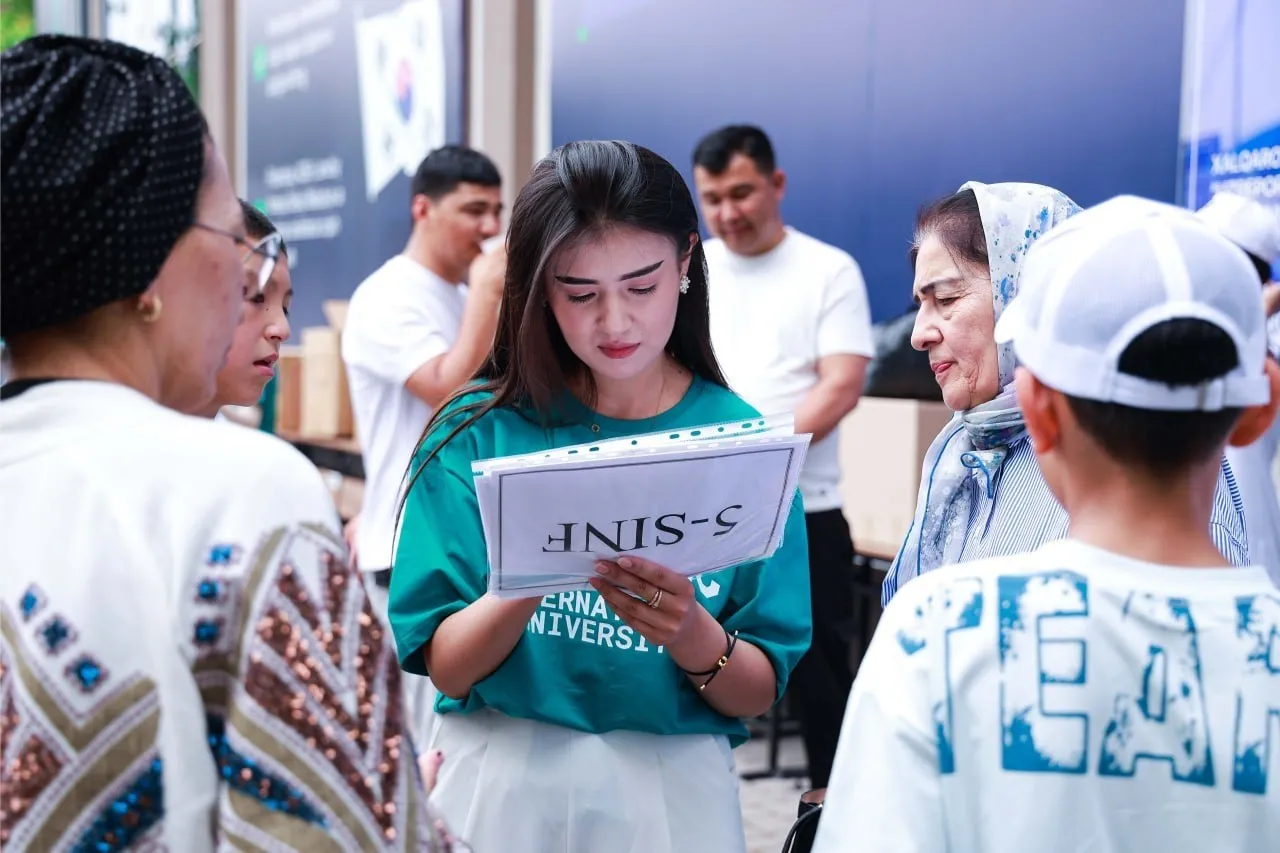
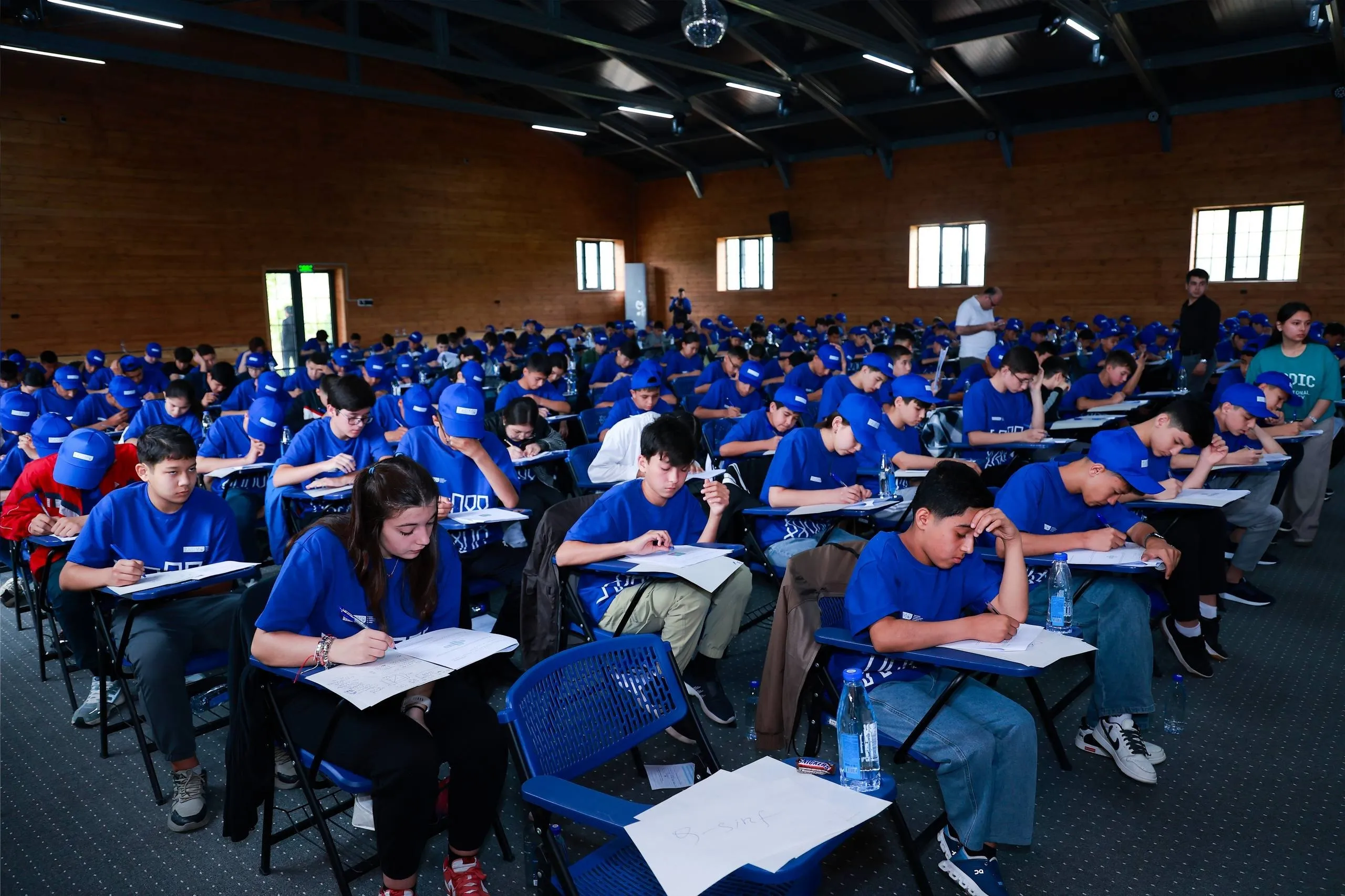
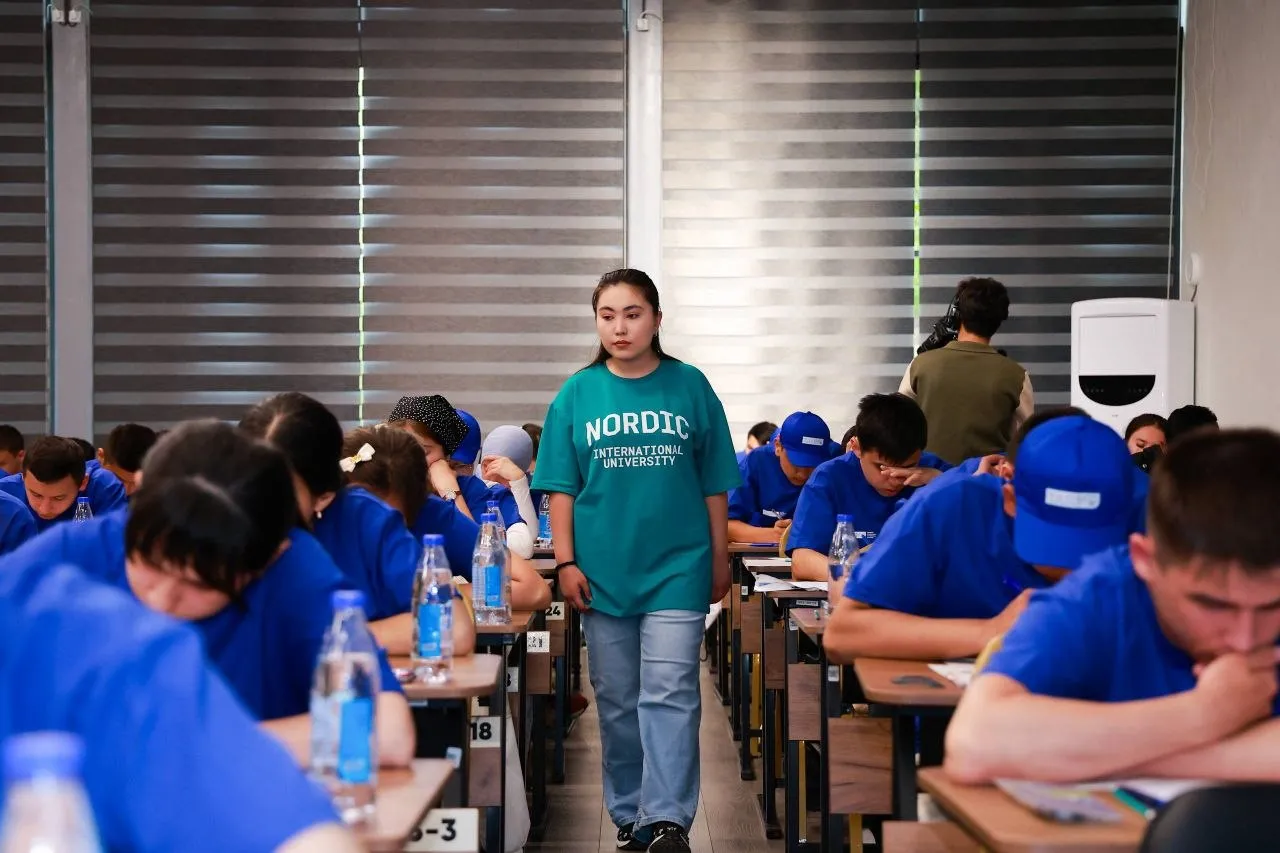
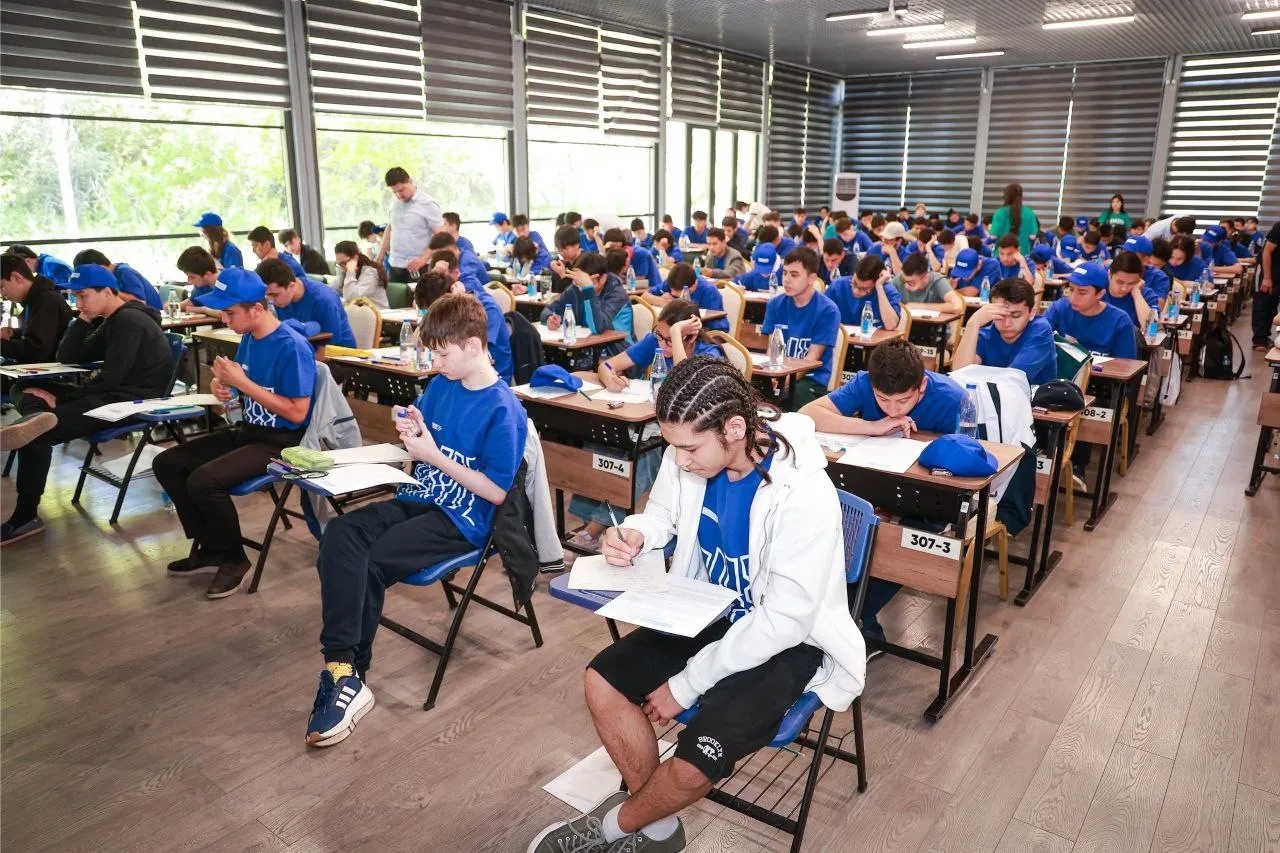
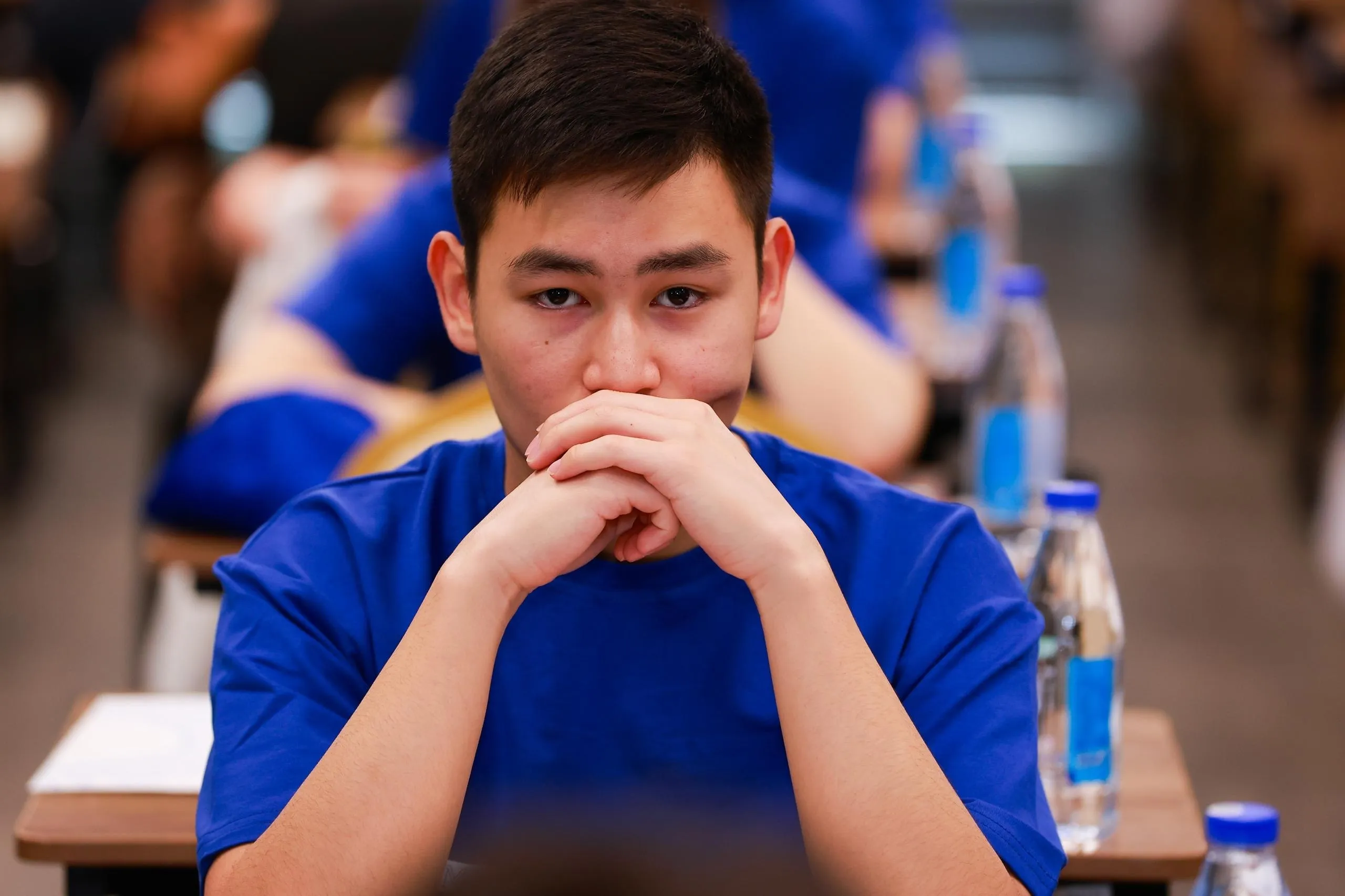
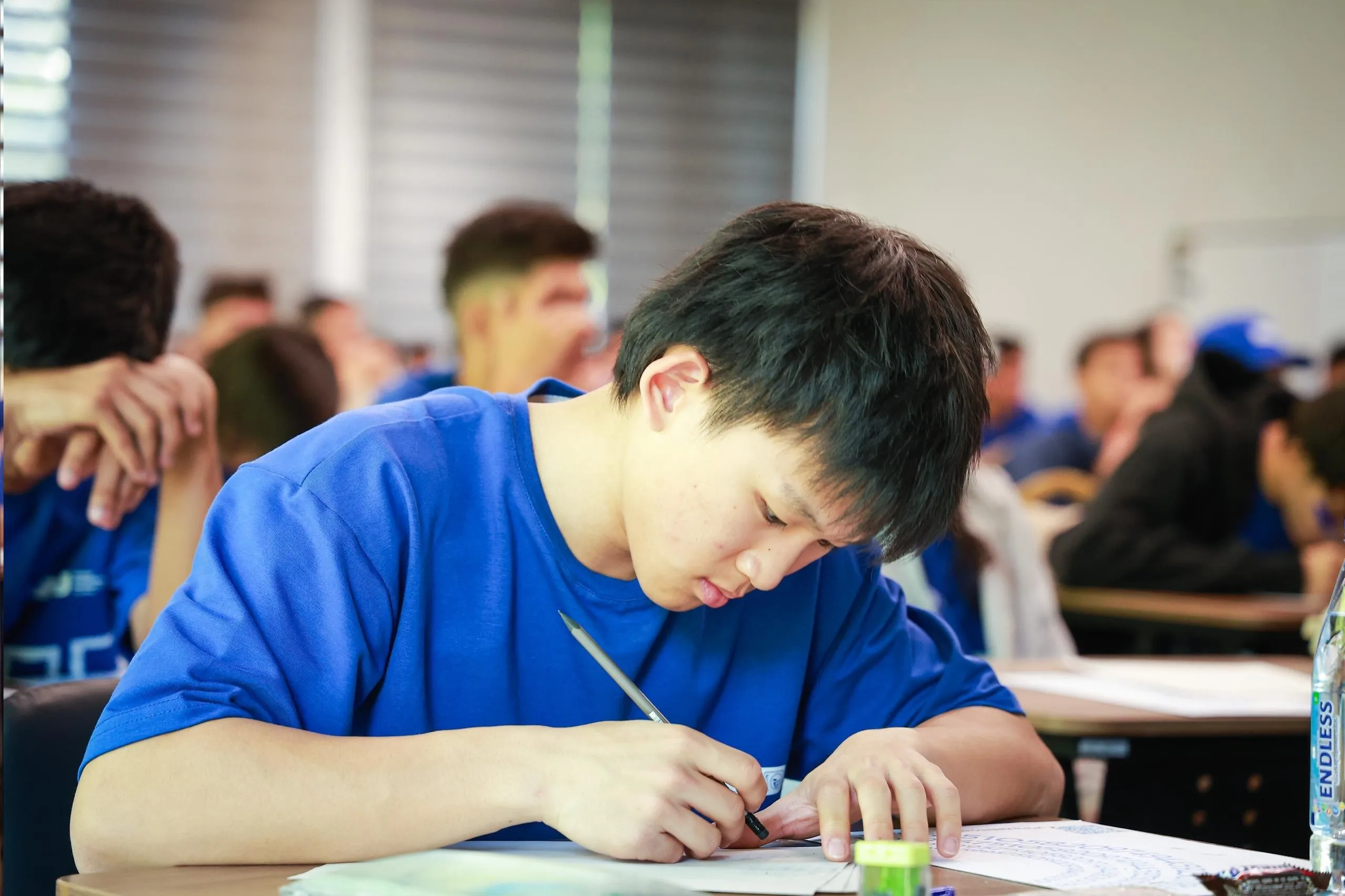
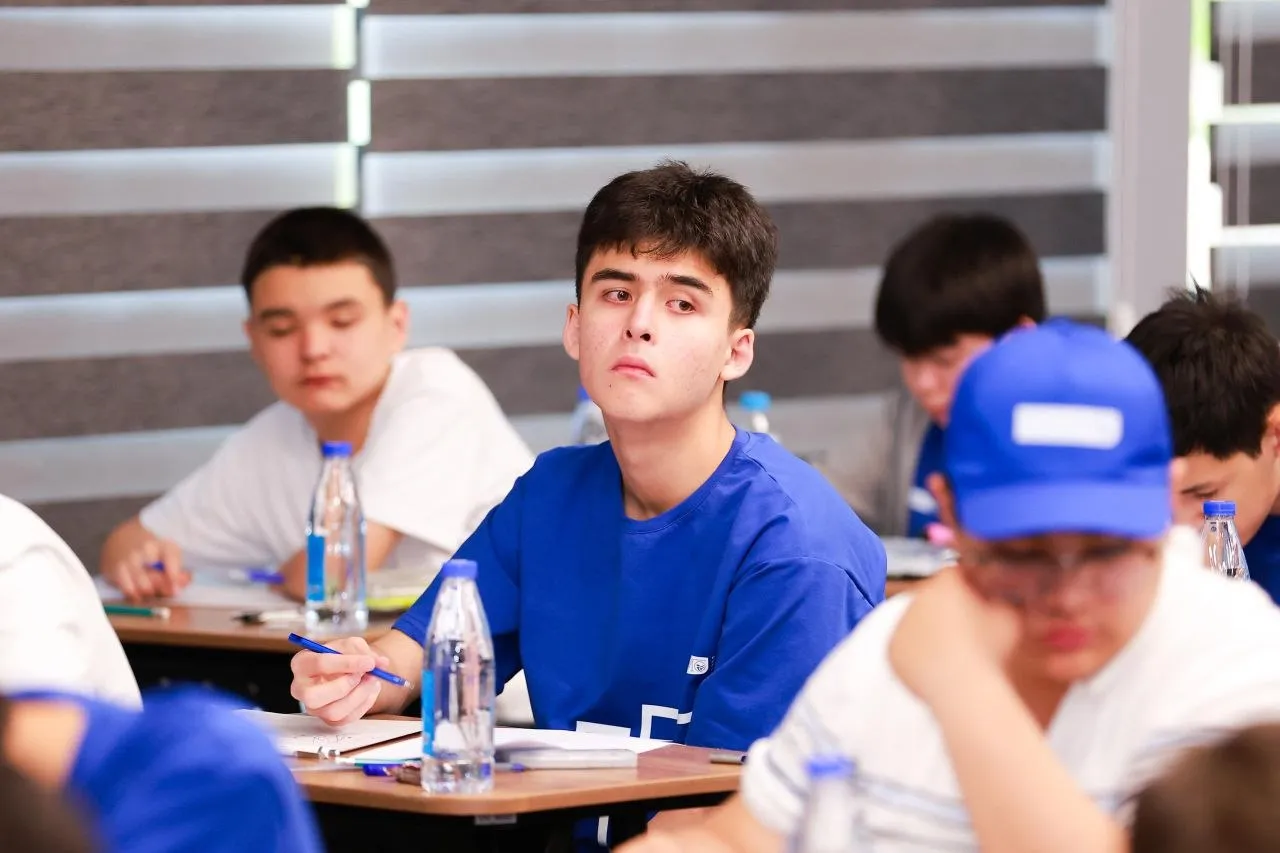
The final stage officially commenced on 19 May, when participants were assigned to examination halls according to their grade levels and the competition rounds began. Students in grades 3–9 completed a 90-minute contest, while participants in grades 10–11 undertook a demanding four-and-a-half-hour mathematical challenge. The tasks were specifically designed to assess logical reasoning, algorithmic thinking, and analytical competence.
Fairness, transparency, and impartiality were established as the core principles of the Olympiad process. More than 25 distinguished jury members made significant contributions to ensuring the high standard of the competition. In particular, international experts such as Alexander Antropov, Patrik Bak, Ivan Chan, David Hruška, Vlad Matei, and Marek Murin, together with many other dedicated professionals, worked tirelessly throughout the assessment and appeals procedures with exceptional professionalism and objectivity. The appeals committee remained active until late evening hours, further strengthening trust among participants, teachers, and parents.
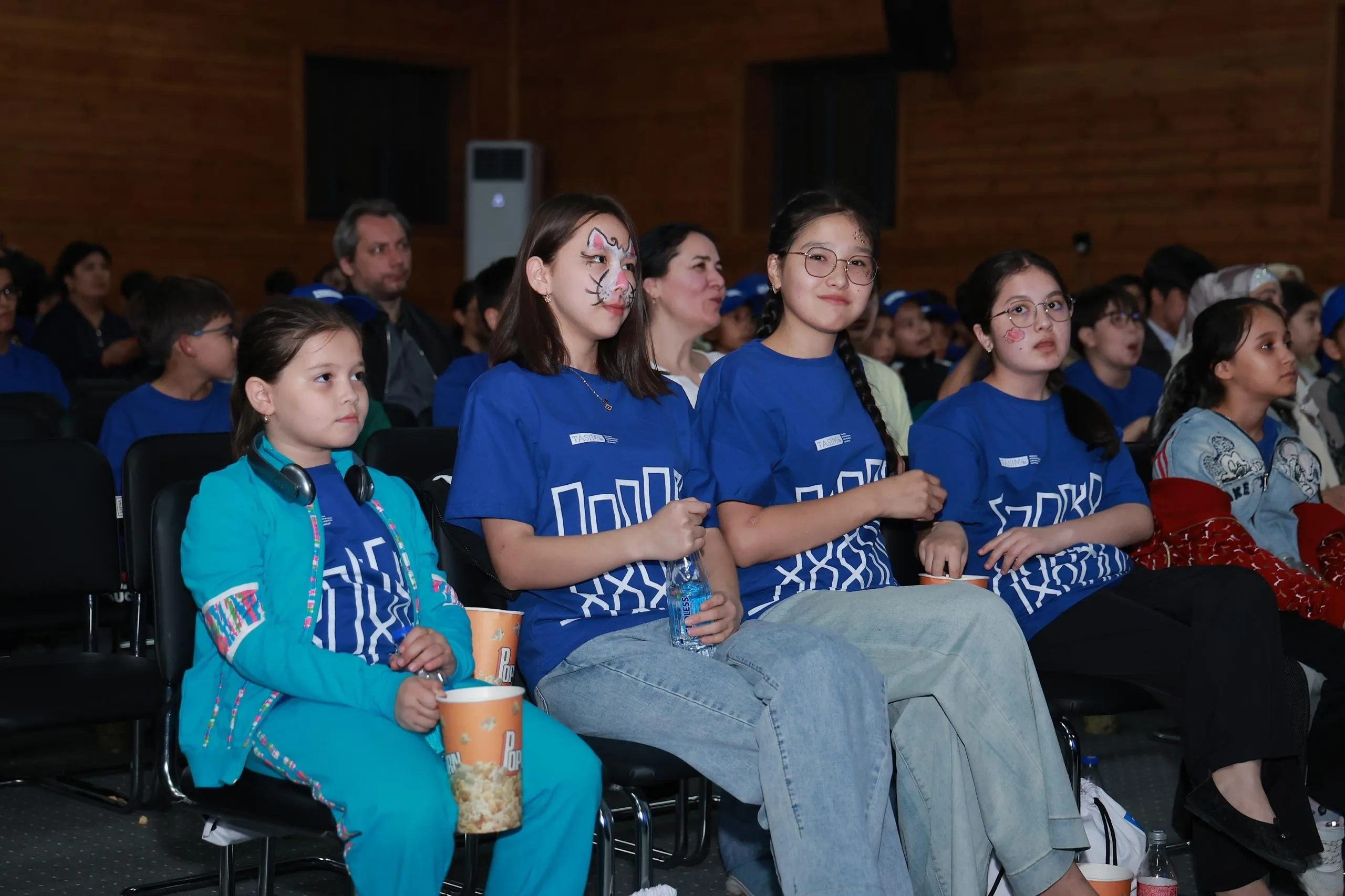
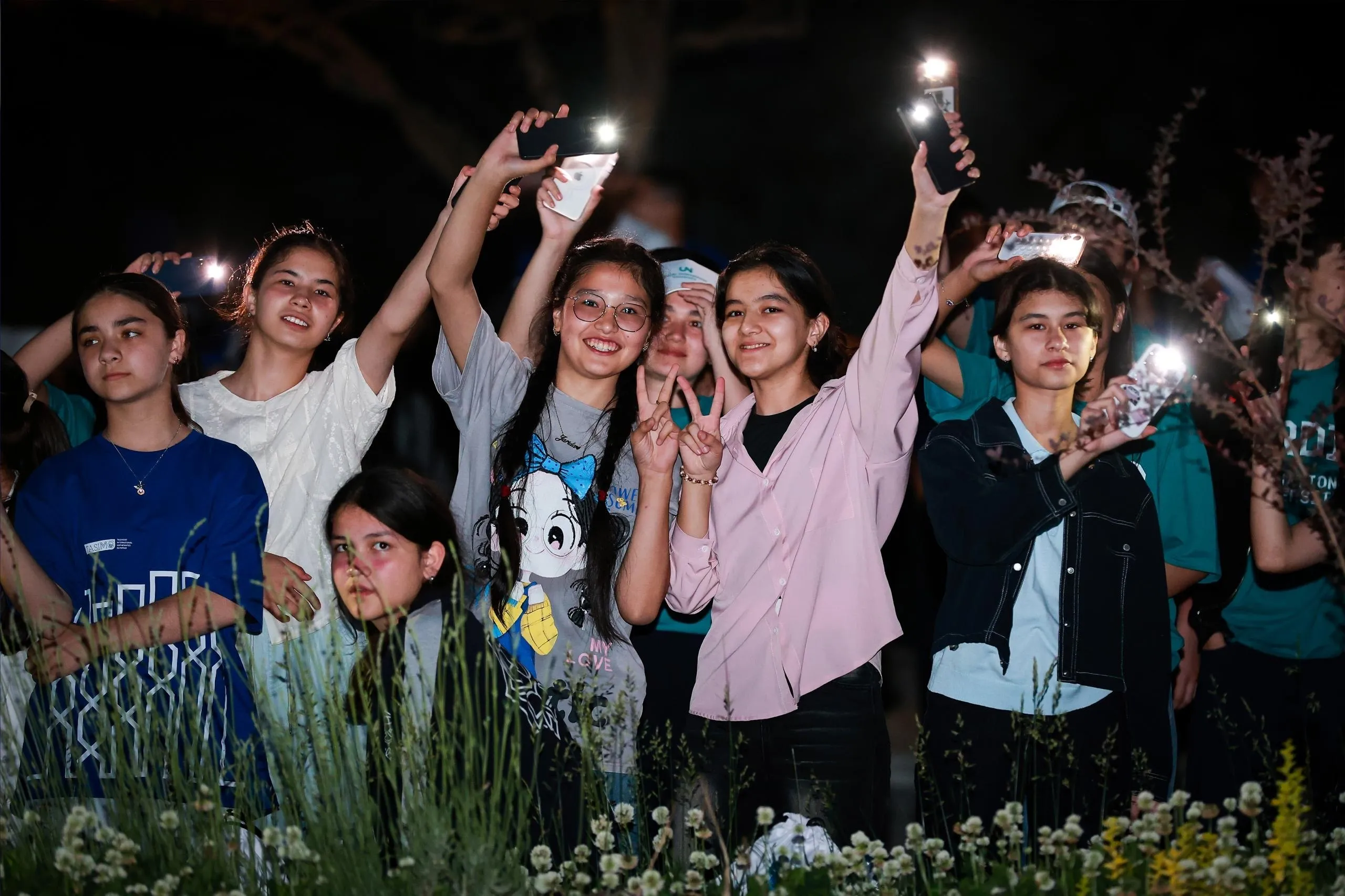
One of the defining features of “TasIMO–2026” was that it provided participants not only with an academic competition environment, but also with opportunities for social and personal development. Within the framework of the Olympiad, participants engaged in problem-analysis sessions, appeal discussions, intellectual exchanges, and interactive workshops that encouraged independent thinking, critical analysis, and self-improvement.
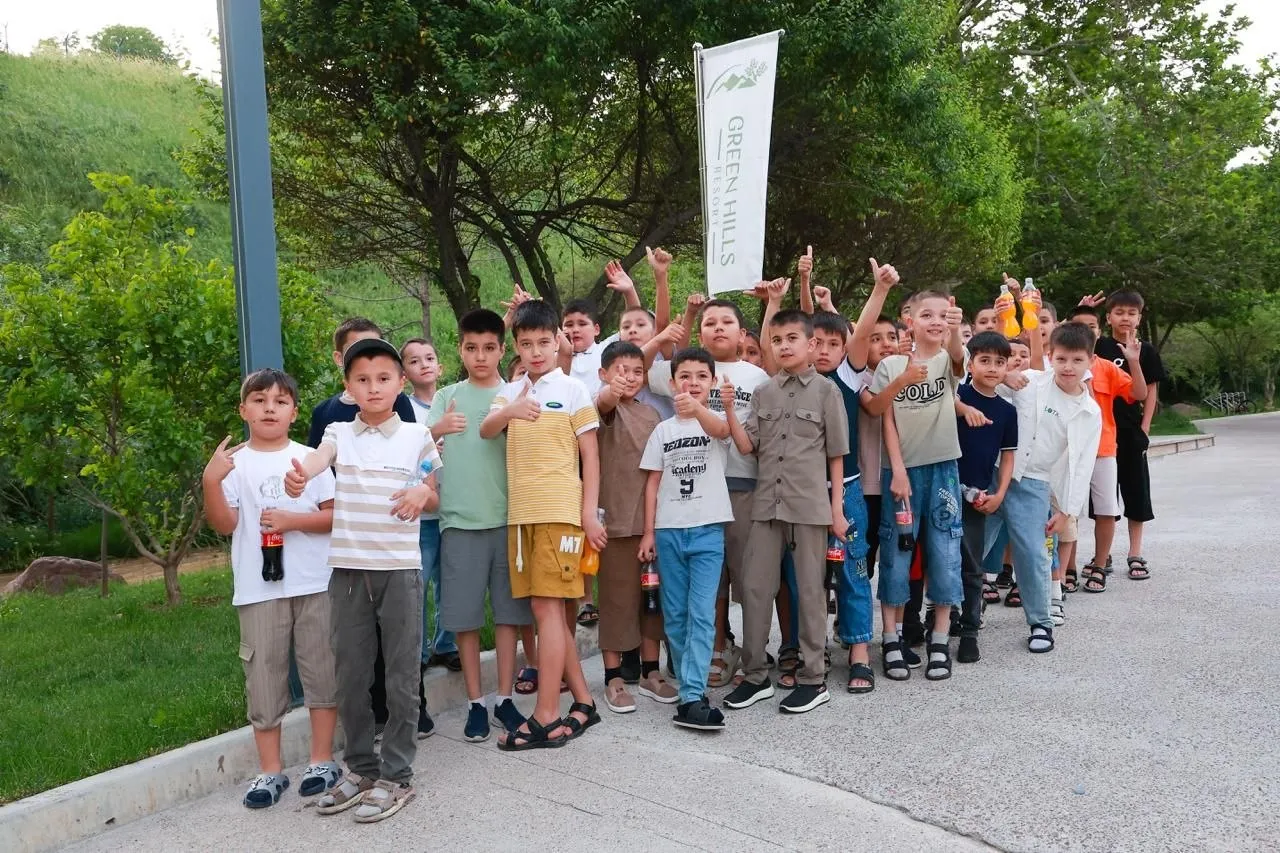
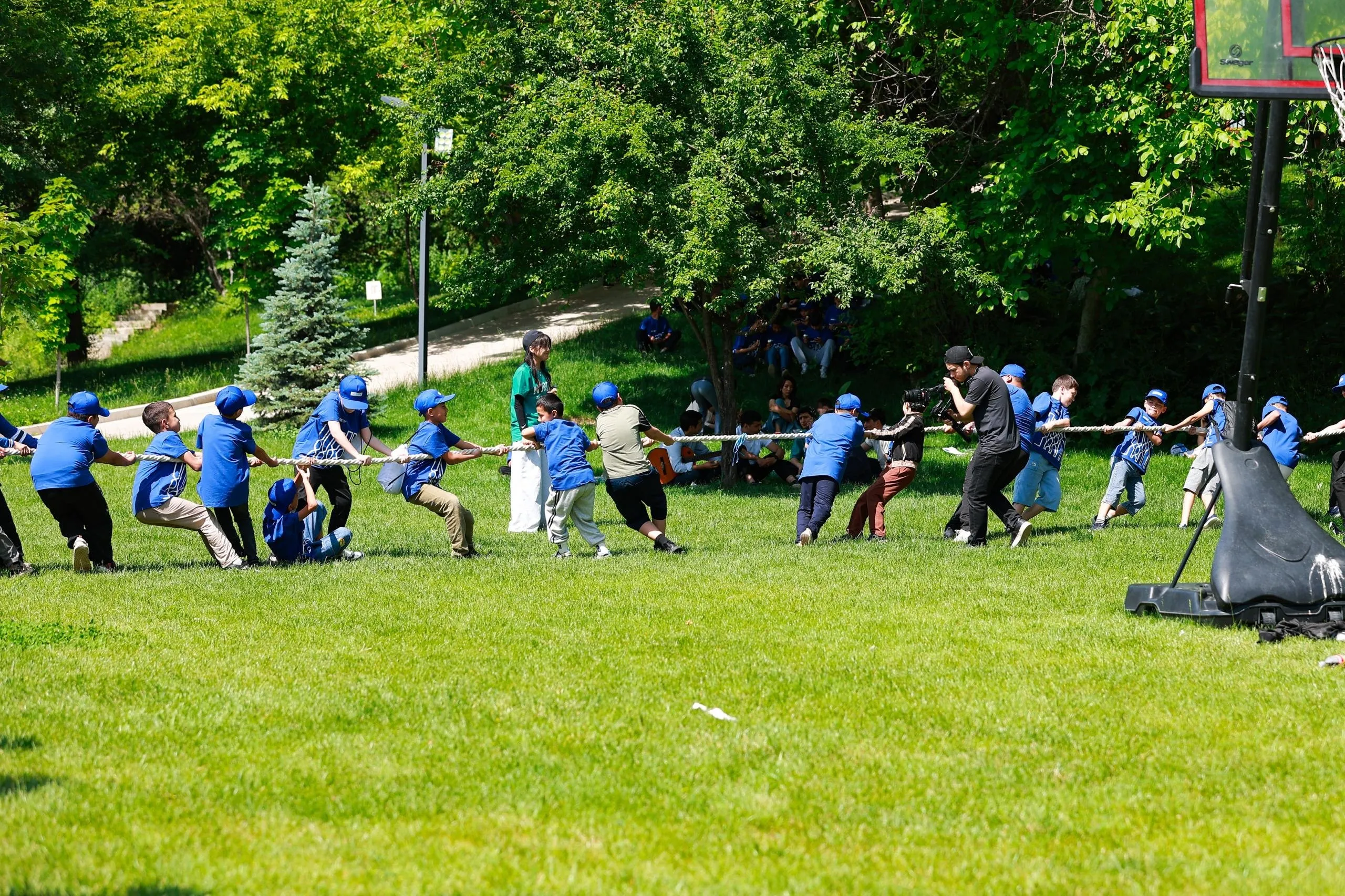
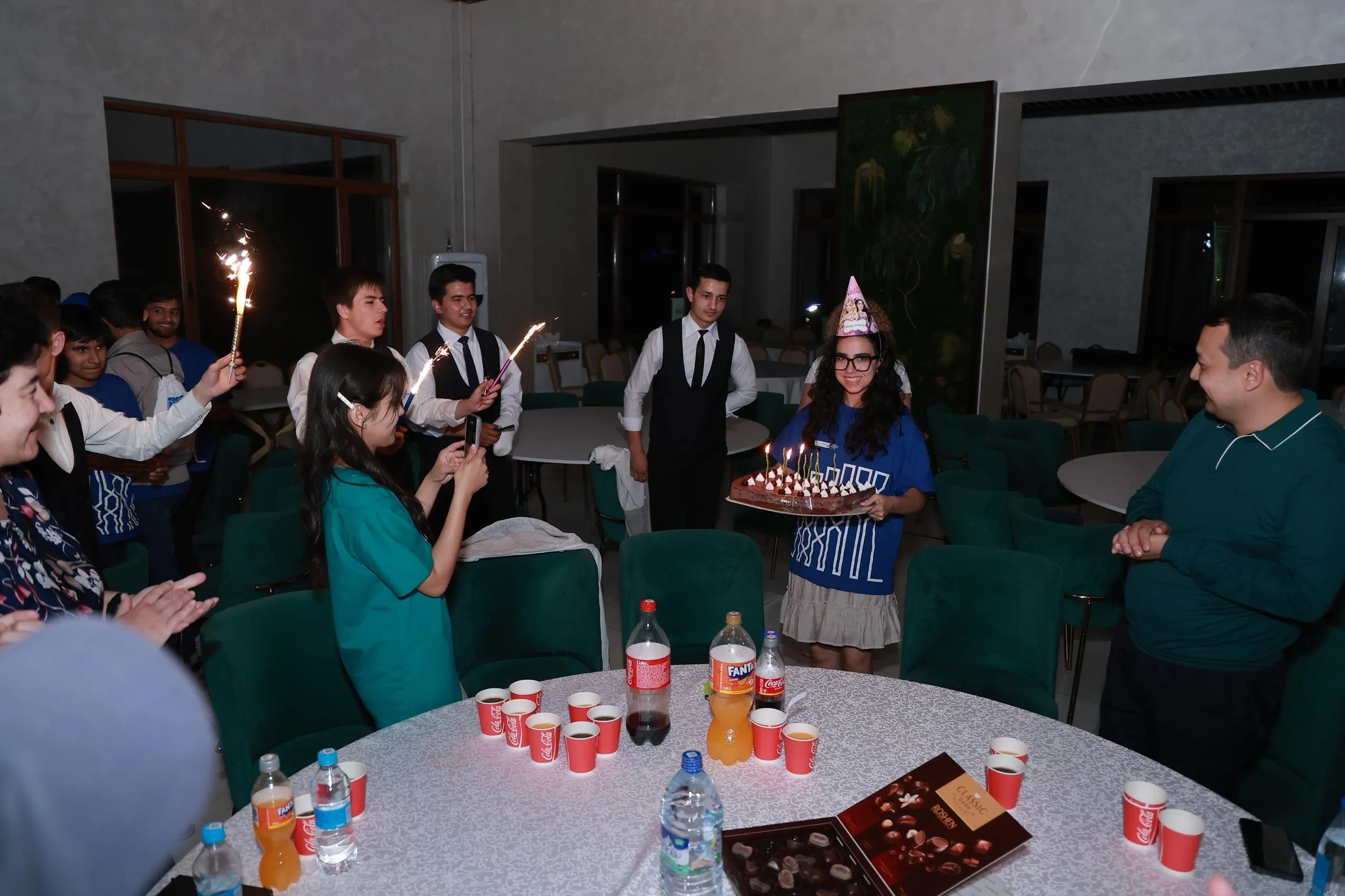
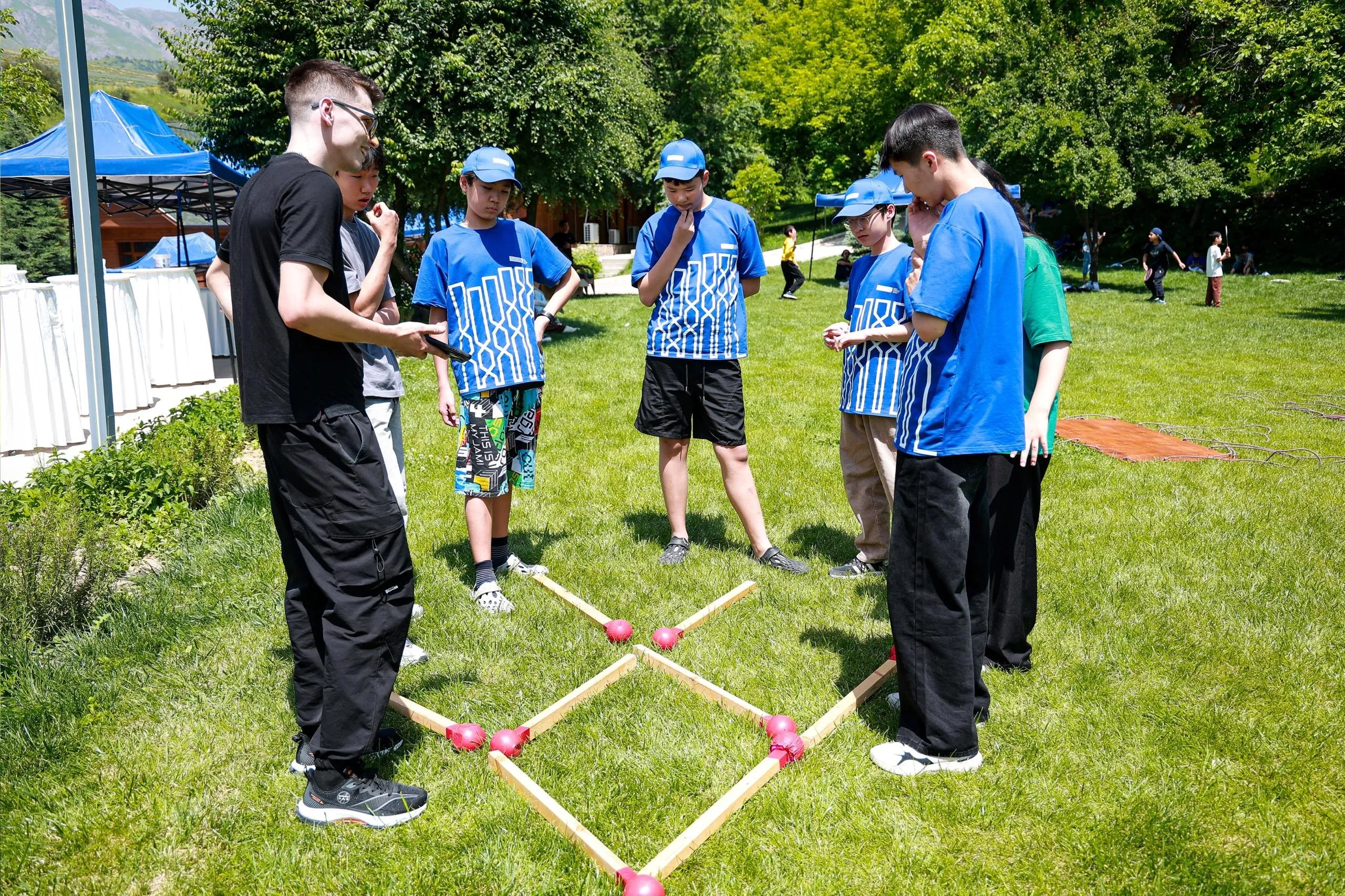
In addition, sports competitions, the intellectual game “Zakovat,” concerts and entertainment programmes, kite flying, tug-of-war contests, team-based activities, nature excursions, a “Pizza Party,” and interactive events inspired by the format of the “Squid Game” contributed to the development of leadership, teamwork, and communication skills among participants.
In today’s modern educational landscape, high academic achievement alone is no longer considered sufficient; emotional intelligence, social adaptability, and global thinking have become equally important indicators of success.
At the final stage of the Olympiad, Uzbekistan’s young mathematics talents achieved remarkable results, securing 9 out of 12 gold medals, 10 out of 15 silver medals, 12 out of 18 bronze medals, and 24 out of 75 “Honourable Mention” certificates. These outstanding achievements clearly demonstrate the strong intellectual potential and academic excellence of the country’s younger generation.


Follow Nordic on social media