University Council Meeting No. 3: Strategic Priorities Reviewed

March 30 , 2026
234
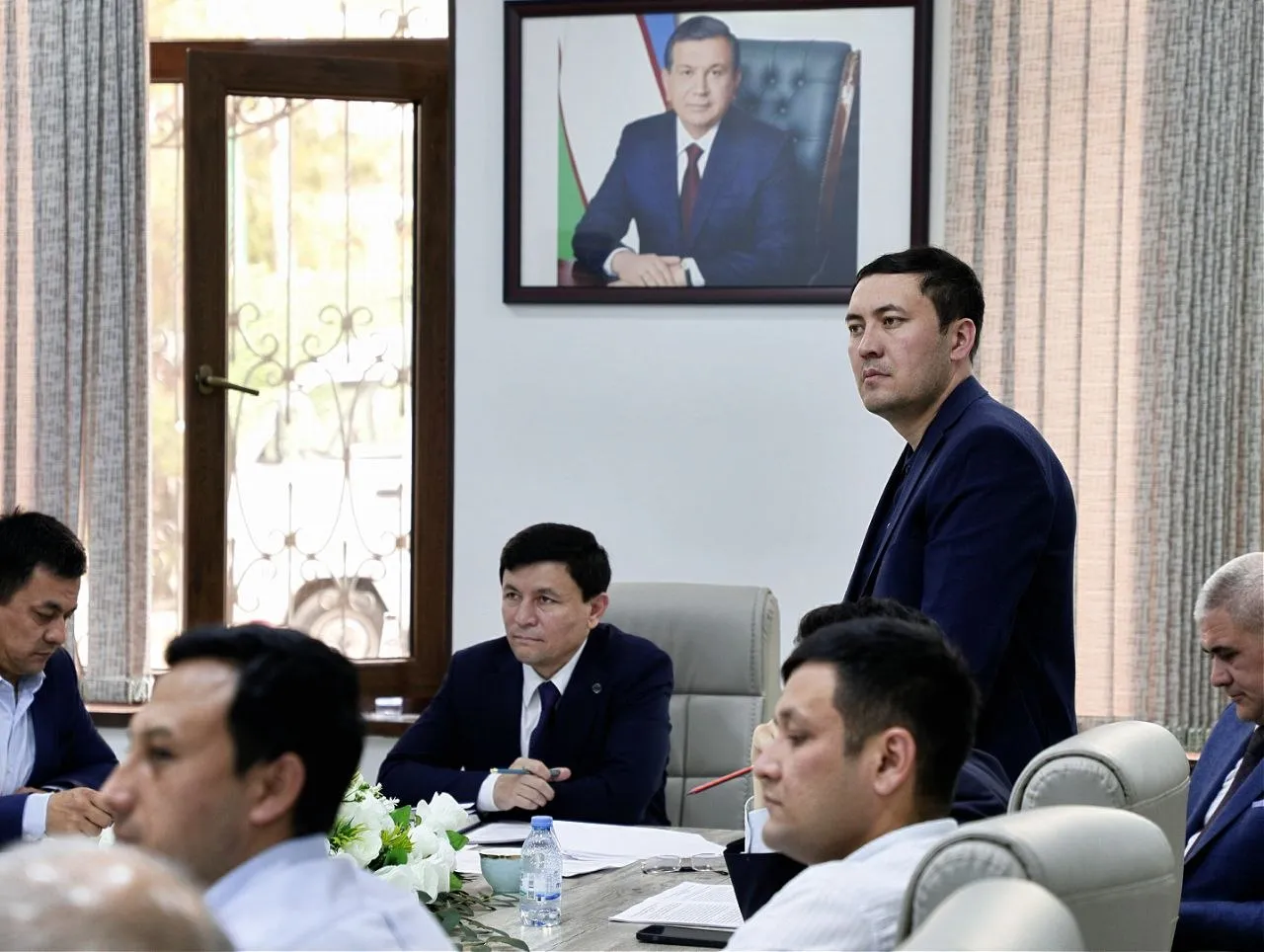
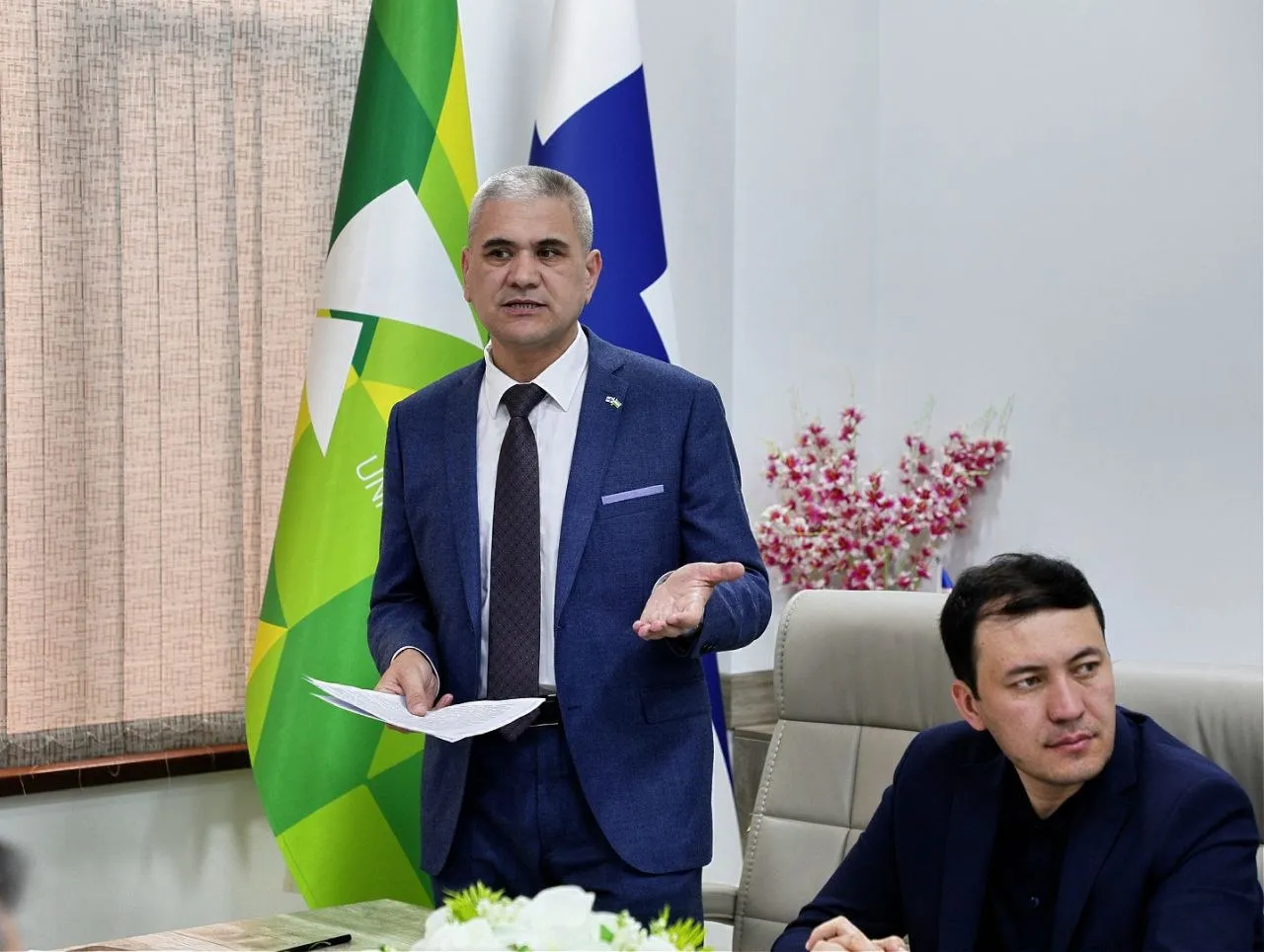
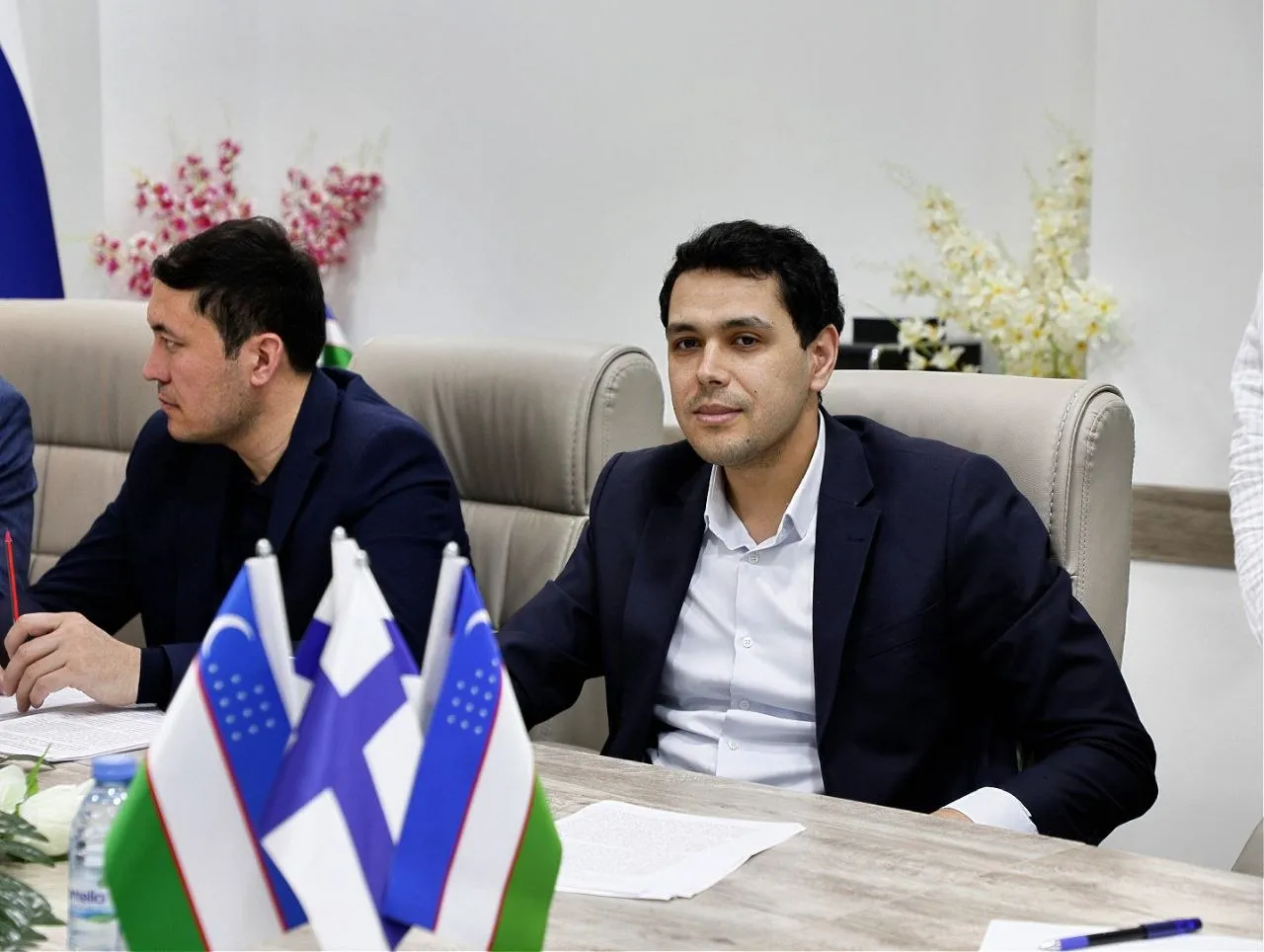
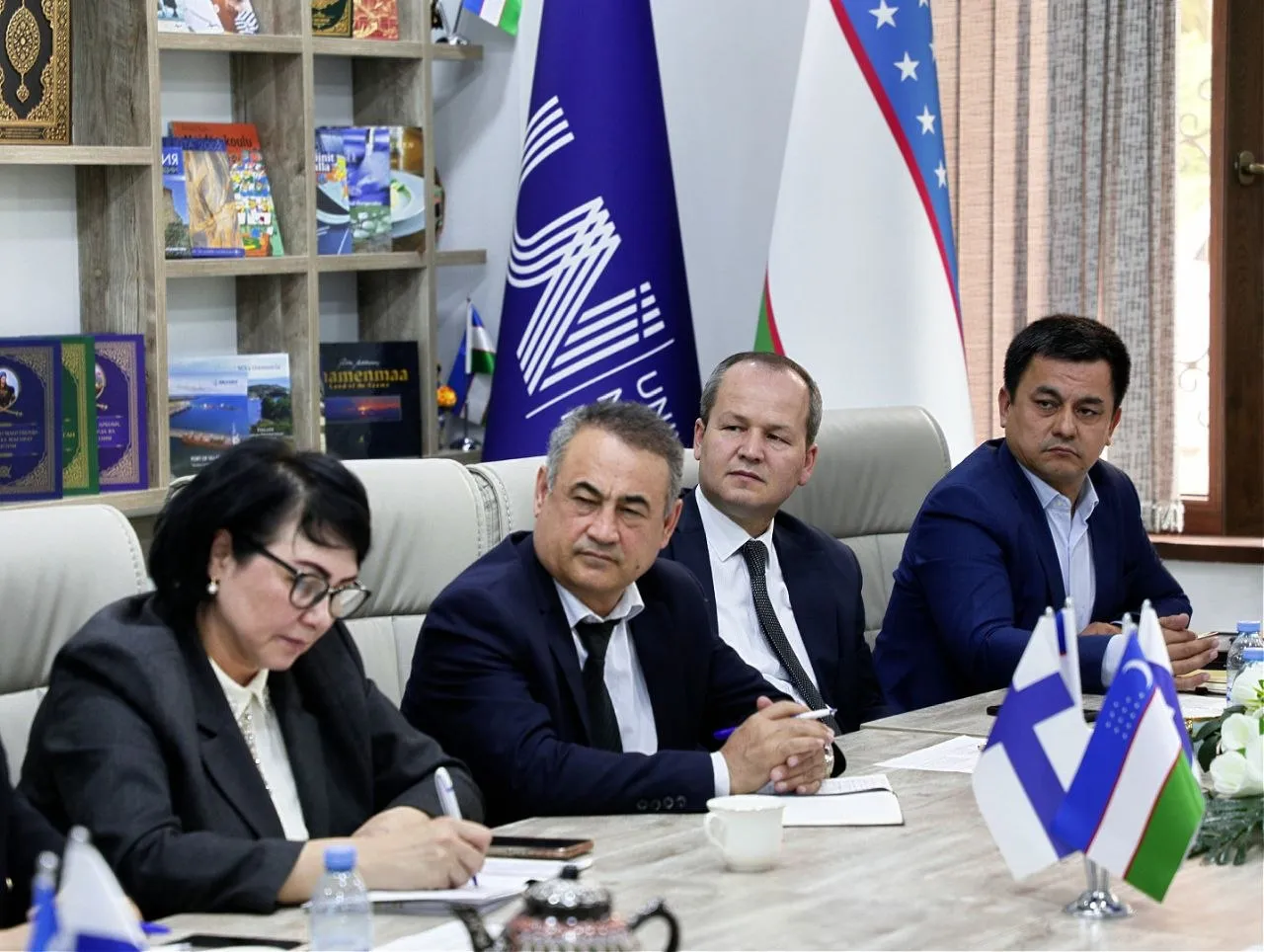
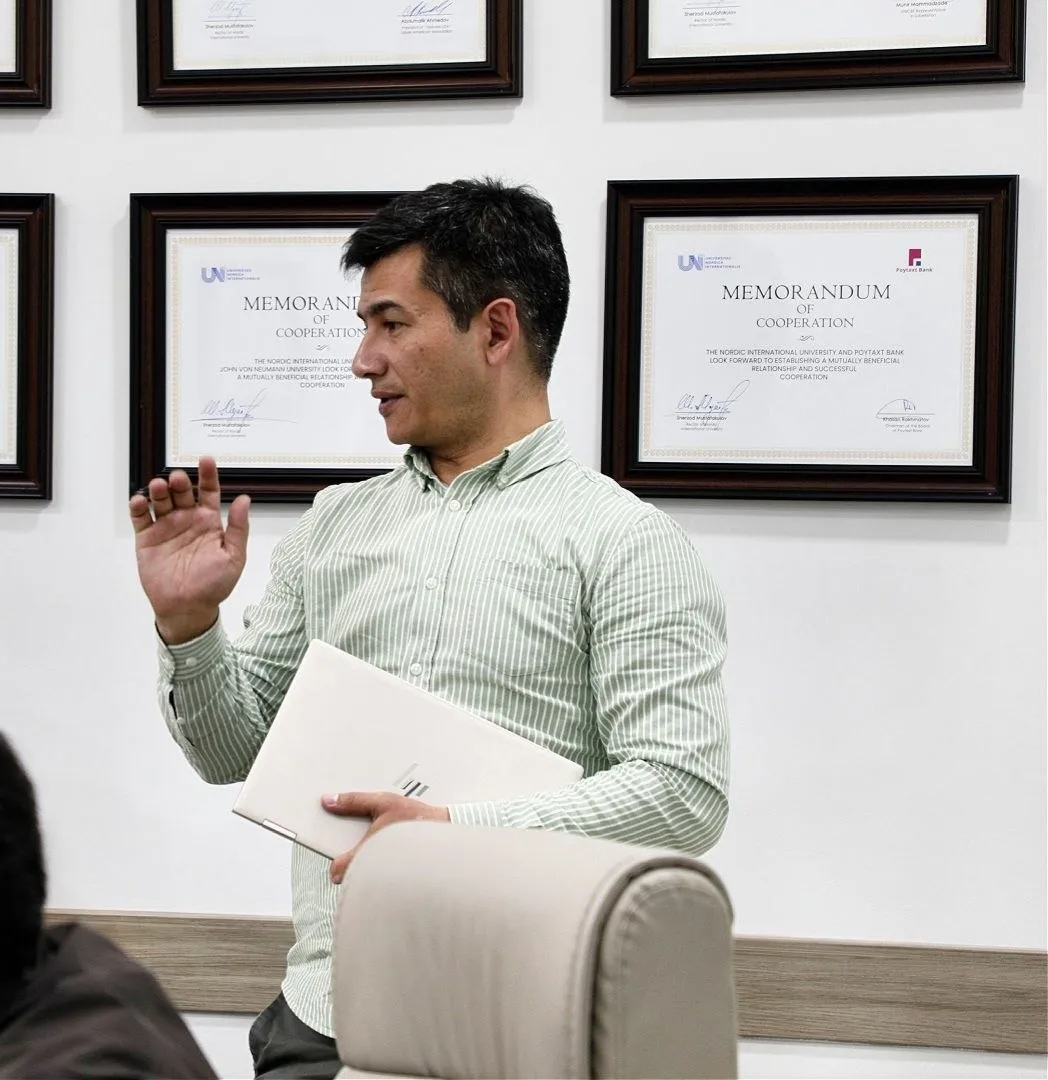
At the meeting of the Council held at Nordic University, key issues related to ongoing reforms, the advancement of research activities, and the enhancement of educational quality were comprehensively discussed.
Particular emphasis was placed on the implementation of ministerial board decisions, the adoption of a systematic approach, and ensuring measurable outcomes.
Reports presented by responsible officials highlighted completed initiatives, the integration of innovations into the educational process, and the progress achieved in improving overall efficiency. At the same time, the need to further strengthen monitoring and evaluation mechanisms, as well as internal control systems, was underlined.
A central item on the agenda was the review of the University’s Research and Development Concept for 2026–2030. The document outlines key priorities such as aligning research with practical impact, expanding international collaboration, attracting grants and investments, and supporting early-career researchers.
The meeting also addressed the digitalization of research activities, commercialization of scientific outputs, and the development of a robust startup ecosystem. In addition, extensive discussions were held on improving education quality, adopting best international practices, gathering student feedback through surveys, and meeting modern competency requirements for academic staff.
Within the framework of the “Work and Travel – 2026” program, specific tasks were defined to prepare students for participation abroad, facilitate their adaptation to the international labor market, and enhance their practical experience.
Special attention was also given to the organization of the “TasIMO – 2026” International Mathematics Olympiad at a high standard. Rector Sherzod Mustafakulov provided instructions on broad promotion of the event, effective use of digital platforms, expansion of participant geography, and the high-quality organization of subsequent stages.
Furthermore, reports on the training of scientific personnel and accreditation processes were reviewed. Necessary measures were identified to approve individual work plans and methodological programs of independent researchers, as well as to improve academic and regulatory documents developed for specialized accreditation.
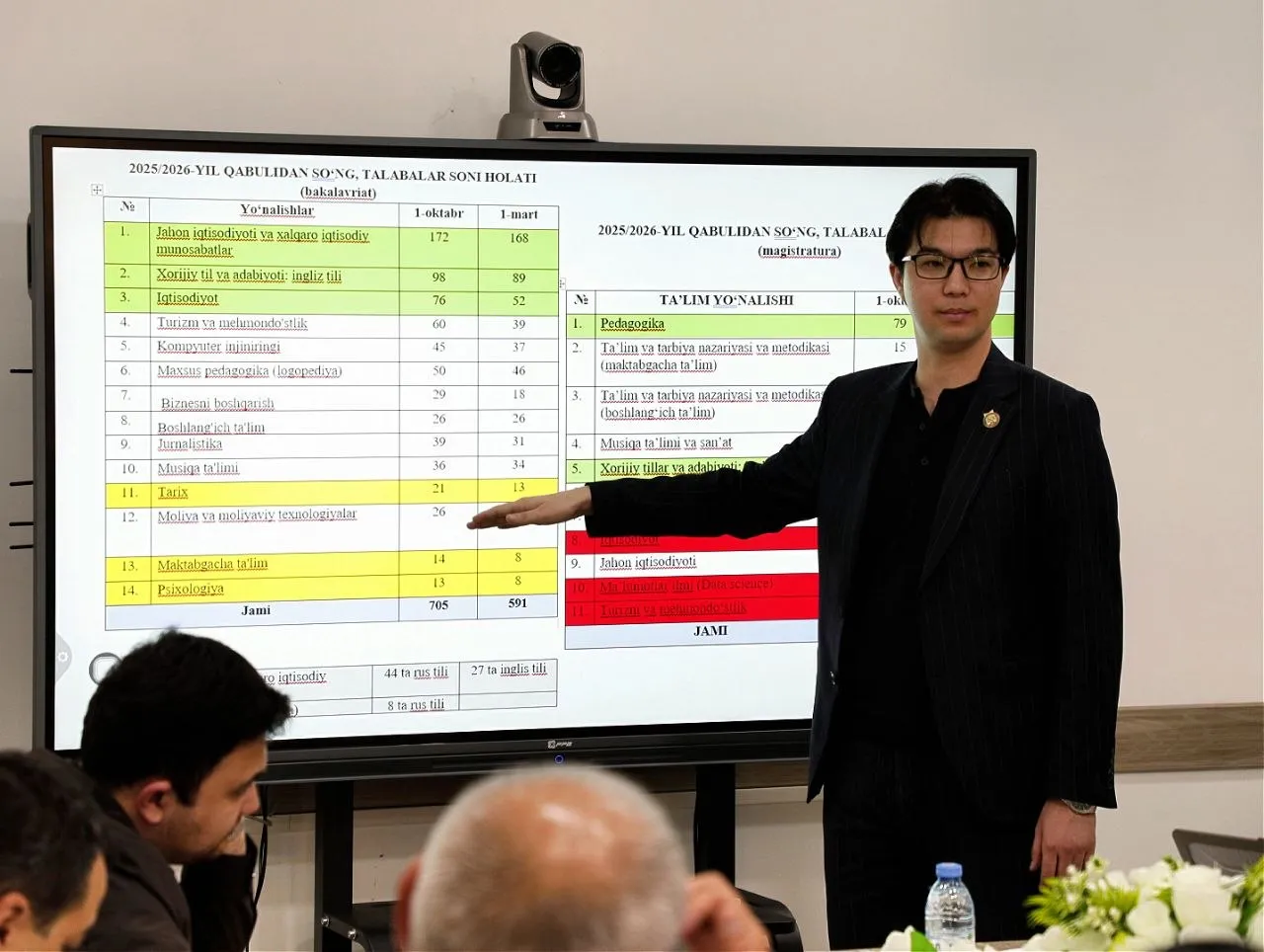
The Council also considered the effective organization of the upcoming admission campaign, with analytical reports presented by responsible departments.
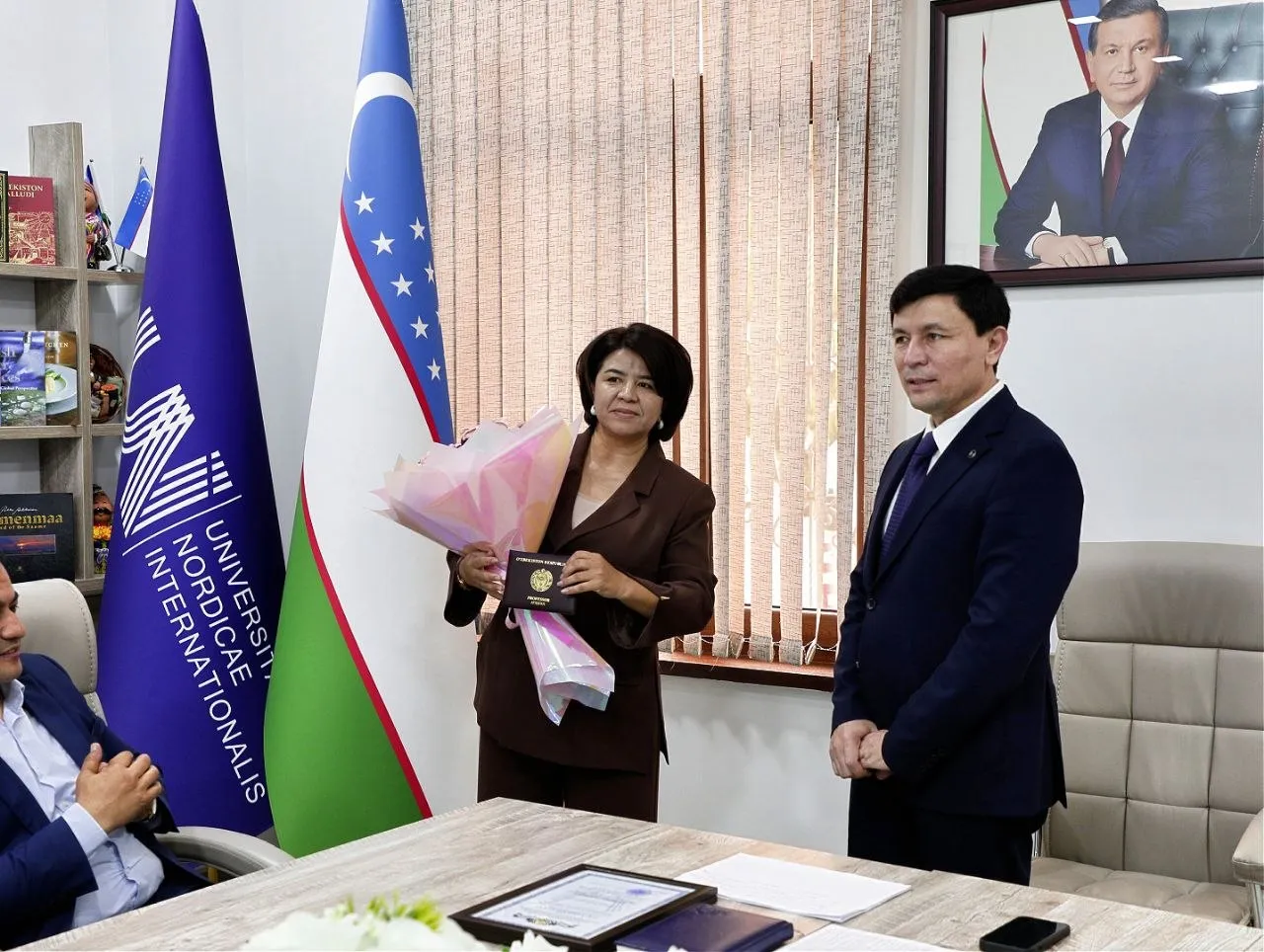
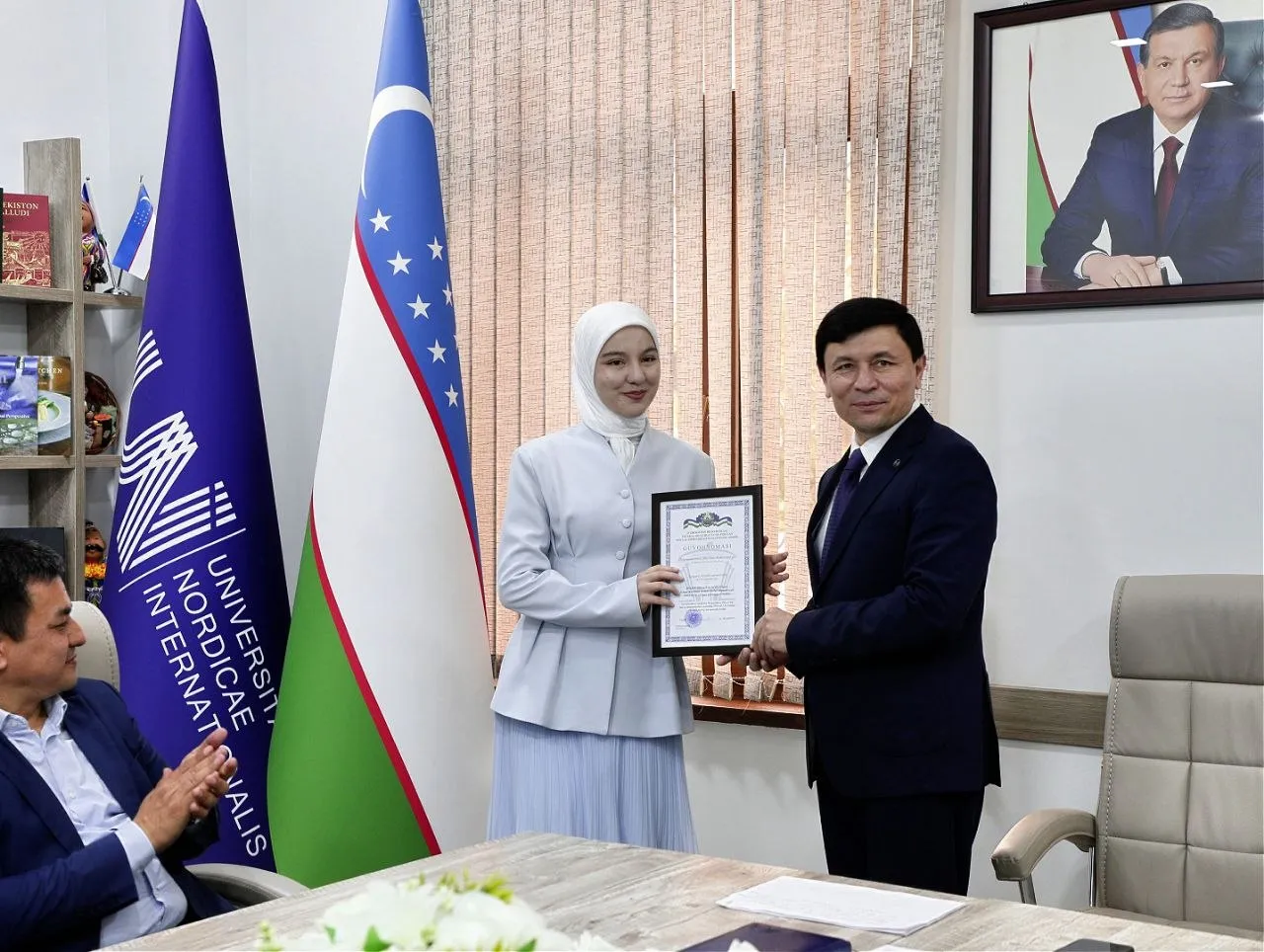
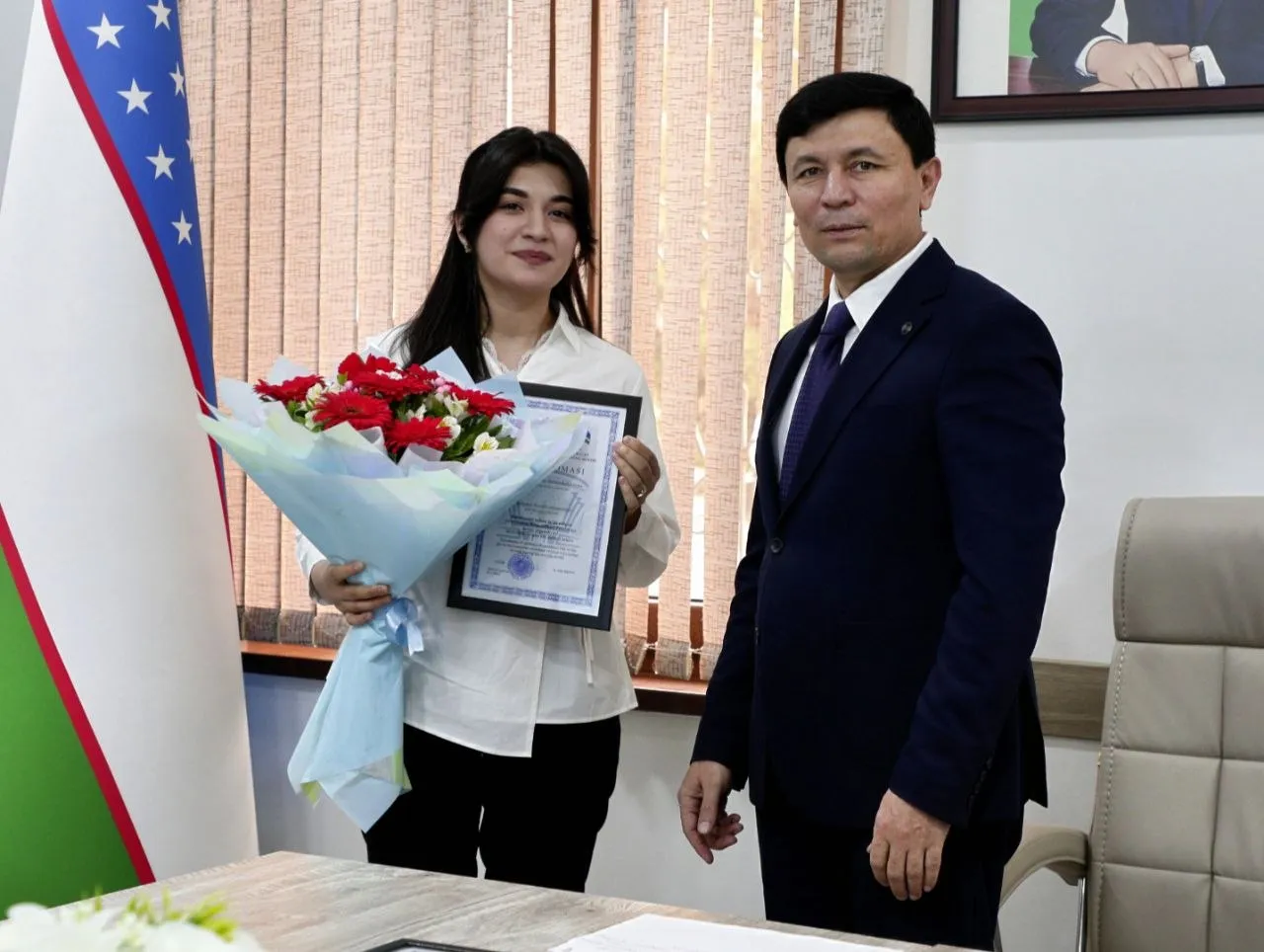
Following the discussions, relevant decisions were adopted on all agenda items. The meeting concluded with the Chair of the Council extending sincere congratulations to faculty members and scholarship-winning students for their outstanding academic achievements.
Latest news

Nordic Talk: It’s Time to Speak
This innovative academic initiative was launched through the efforts of Senior Lecturer Durdona Azizova from the Department of Foreign Languages and Vice Dean Zafar Uralboyev.
Aligned with Nordik’s educational values, the project aims to foster creative thinking, enhance the impact of public speaking, and, most importantly, cultivate a new generation of confident young leaders capable of expressing their ideas freely and assertively.
Delivering speeches in English based on their personal experiences and perspectives, students not only inspired the audience but also encouraged them to reflect more deeply.
Meet the winners:
✨ Best Speaker — Elvira Abdumalikova “The Content We Support, The Community We Create”
✨ Most Inspiring Speech — O‘g‘iloy Kubayeva “Who Is Really Thinking: You or Your Mind?”
✨ Best Idea — Nodirabegim Xamidova “The Value of Boredom”
🎓 All participants were awarded certificates, while the winners received diplomas and commemorative gifts.
👏 The event was warmly received by the audience—and this is only the beginning.
Nordic Talk will continue to discover new ideas, new voices, and new leaders.

Scientific Council Meeting: очередные Dissertation Defenses Held
The meeting placed particular emphasis on strengthening the integration of higher education and science, as well as enhancing the effectiveness of research activities.
During the session, researcher Azizbek Ulugbekovich Nigmanov presented his dissertation entitled “Foreign Experience in Reducing Energy Consumption in the Industrial Sectors of Uzbekistan (Case Study of the People’s Republic of China)”.
The study provides a comprehensive analysis of advanced international approaches aimed at improving energy efficiency in industrial enterprises and offers scientifically grounded proposals and recommendations for their adaptation to national conditions. The theoretical and practical significance of the research was extensively discussed during the defense.
In addition, the dissertation of researcher Turgunbay Kochkarovich Khalmatov, titled “Improving Methodological Aspects of the Use of Digital Technologies in the Activities of Light Industry Enterprises”, was thoroughly reviewed by the chairperson and members of the Council.
The study is notable for its in-depth analysis of the implementation of digital transformation processes in the light industry sector, as well as for addressing issues related to increasing production efficiency and improving management mechanisms.
Following the discussions, both dissertation works were positively evaluated in terms of scientific novelty, practical relevance, and topicality, and were duly approved in accordance with the decision of the Scientific Council.

A Unique Celebration at Nordic — “The World of Elegance”
Throughout the celebration, traditional melodies filled the air, while the stage came alive with vibrant, meaningful, and artistically rich performances. Each presentation, distinguished by its unique spirit, refined taste, and remarkable talent, left a lasting impression on the audience.
The students’ creative approach, confidence, and enthusiasm on stage, along with their thoughtful, skillful, and aesthetically refined solutions to various challenges, were highly praised by the faculty members.
The winners were officially recognized:
🥇 Best Skilled Participant — Oydinoy Alimbayeva (1-MXT-25)
🥇 Most Agile Participant — Mo‘tabar Norqobilova (2-MXT-25)
🥇 Most Energetic Participant — Shahzoda Turg‘unova (3-MXT-25).
This unforgettable celebration brought hearts closer together, further strengthening the spirit of kindness, unity, and mutual respect. Warm smiles, a welcoming atmosphere, and delightful spring dishes added a special charm to the occasion.

A question worth reflecting on: Why didn’t Amir Temur remain just a military commander?
According to historical sources:
✓ Before every campaign, he convened strategic councils
✓ Assigned clear responsibilities to each commander
✓ And most importantly — established personal accountability for results.
🔰 “I governed state affairs through consultation and order.”
🔥 What set him apart the most:
He appointed individuals not based on lineage,
but on competence and loyalty.
📌 The outcome:
One of the most effective governance teams in history.
💭 Now, let’s look at today…
We often encounter the following challenges in modern institutions:
❌ Plans exist — but execution is weak
❌ Reports are produced — but results are lacking
❌ Positions are assigned — but accountability is unclear.
📌 What does the Temurian approach teach us?
✔️ Every role = clearly defined responsibility
✔️ Every responsibility = measurable outcome
✔️ Every outcome = personal accountability.
⚙️ Even his military structure (units of 10, 100, 1,000)
can be seen as an early model of today’s
organizational design and KPI systems.
💡 Key insight:
It was not Temur’s strength that made the state powerful.
👉 It was the strength of the system that made the state powerful.
🎓 A question for all of us:
Are we building systems…
or simply staying busy?