


In today’s educational agenda, such priorities as human capital development, the quality of early childhood education, teacher professional growth, and AI-powered governance systems are gaining strategic importance.
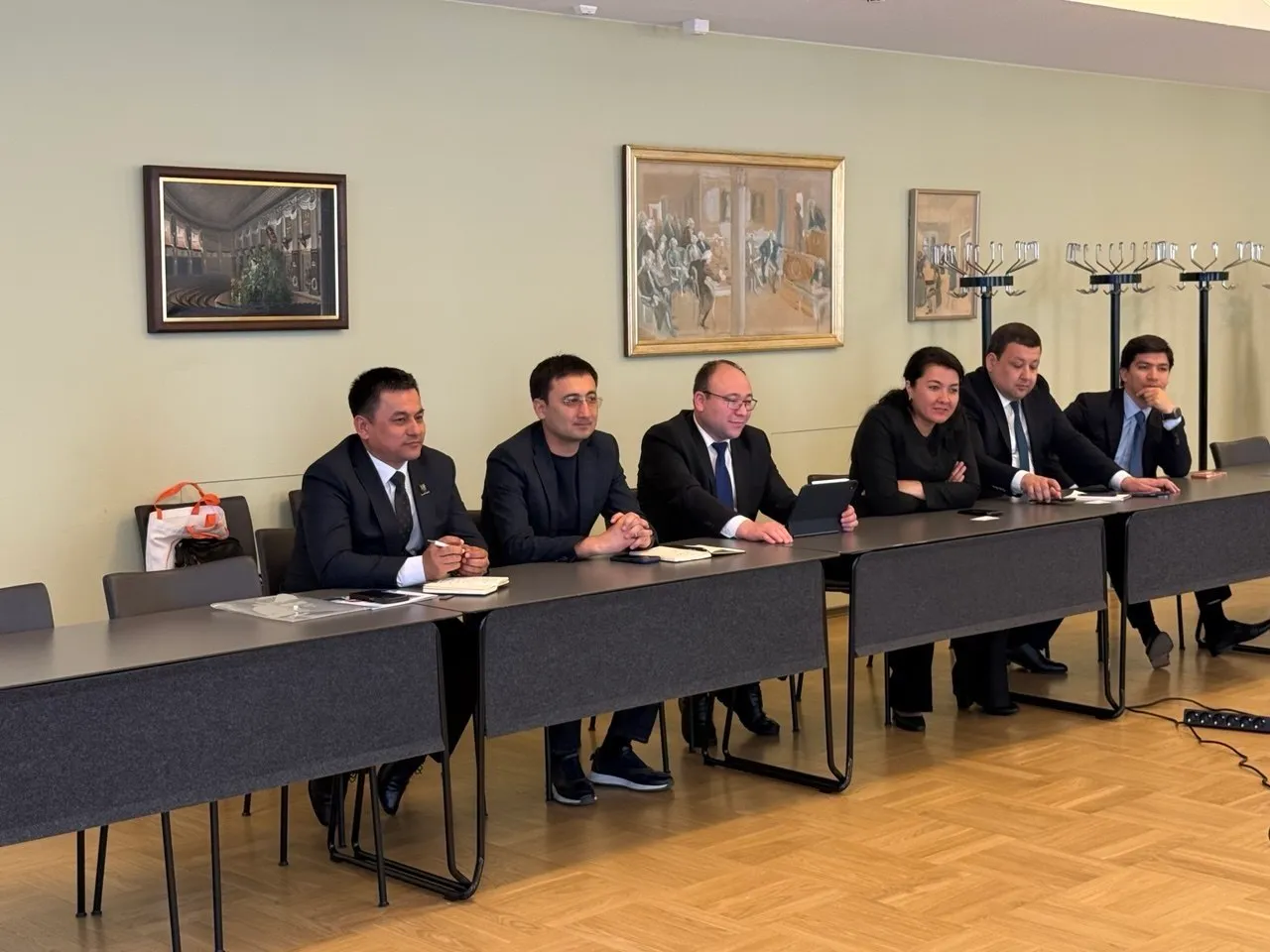
Against this backdrop, the delegation — accompanied by Helsinki Deputy Mayor for Education, Shawn Huff — visited the “Meri” Kindergarten and Vattuniemi Primary School, where they closely examined Finland’s child-centred educational approach, creative learning environment, and individualized teaching practices. During the discussions, agreements were reached on adapting these advanced experiences to the educational system of Tashkent.
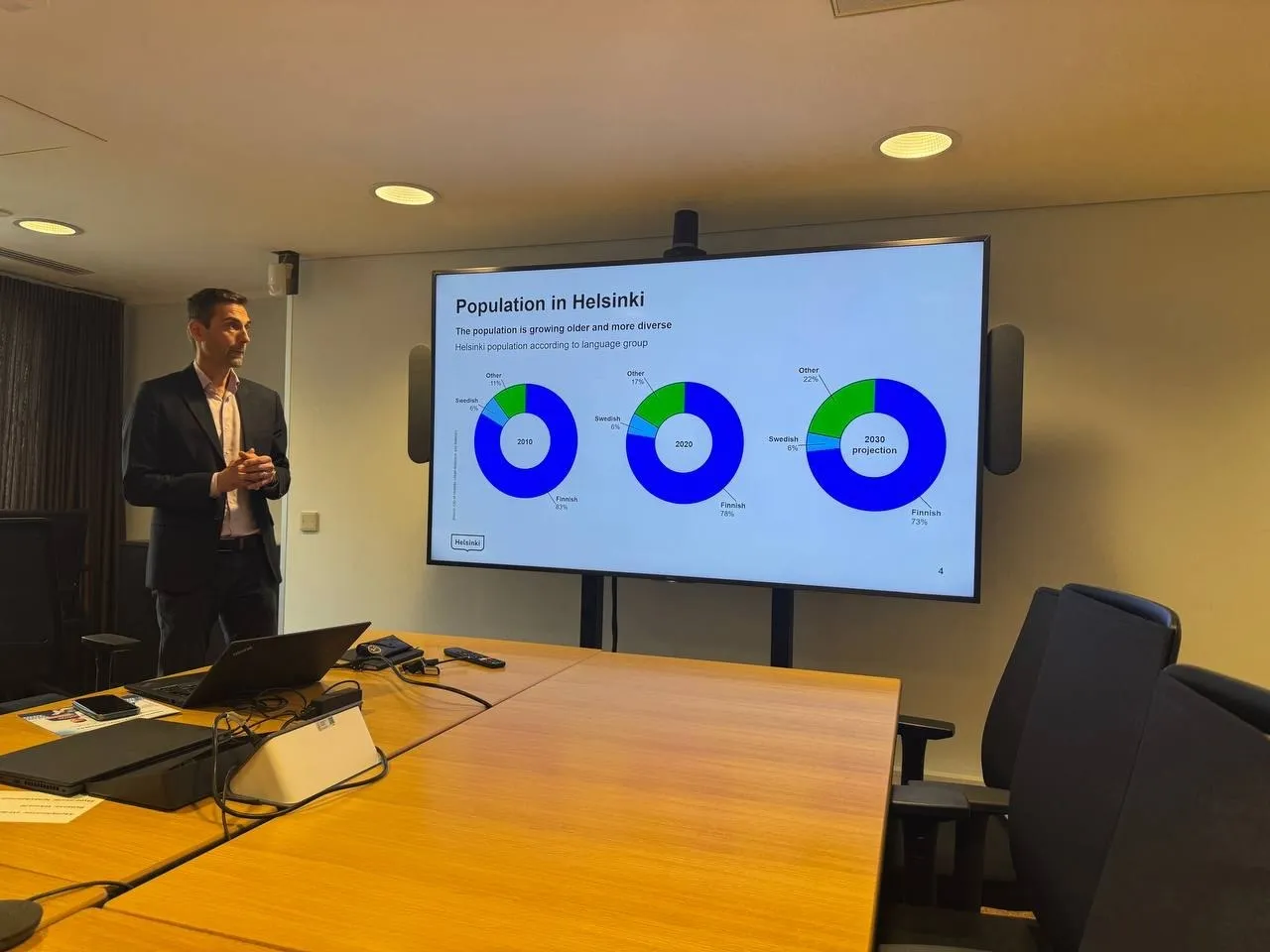
Meetings held at the Helsinki City Administration also focused on urban strategy, modern educational governance, and innovative mechanisms of international cooperation. Particular attention was given to the prospects of introducing Finland-inspired strategic management models within Tashkent’s educational ecosystem.
During negotiations at the educational organisation “Edulyzer,” the delegation was introduced to an AI-driven platform capable of monitoring students’ discipline, psychological well-being, and academic performance. The system is especially valuable for fostering a safe and healthy educational environment, as well as for the early detection of stress and social challenges among children. Initial agreements were reached regarding the implementation of this platform in educational institutions across Tashkent.
In addition, meetings with representatives of the University of Helsinki and its lifelong learning centre “HY+ Ltd” marked the beginning of a new stage of international cooperation for the International Nordic University.
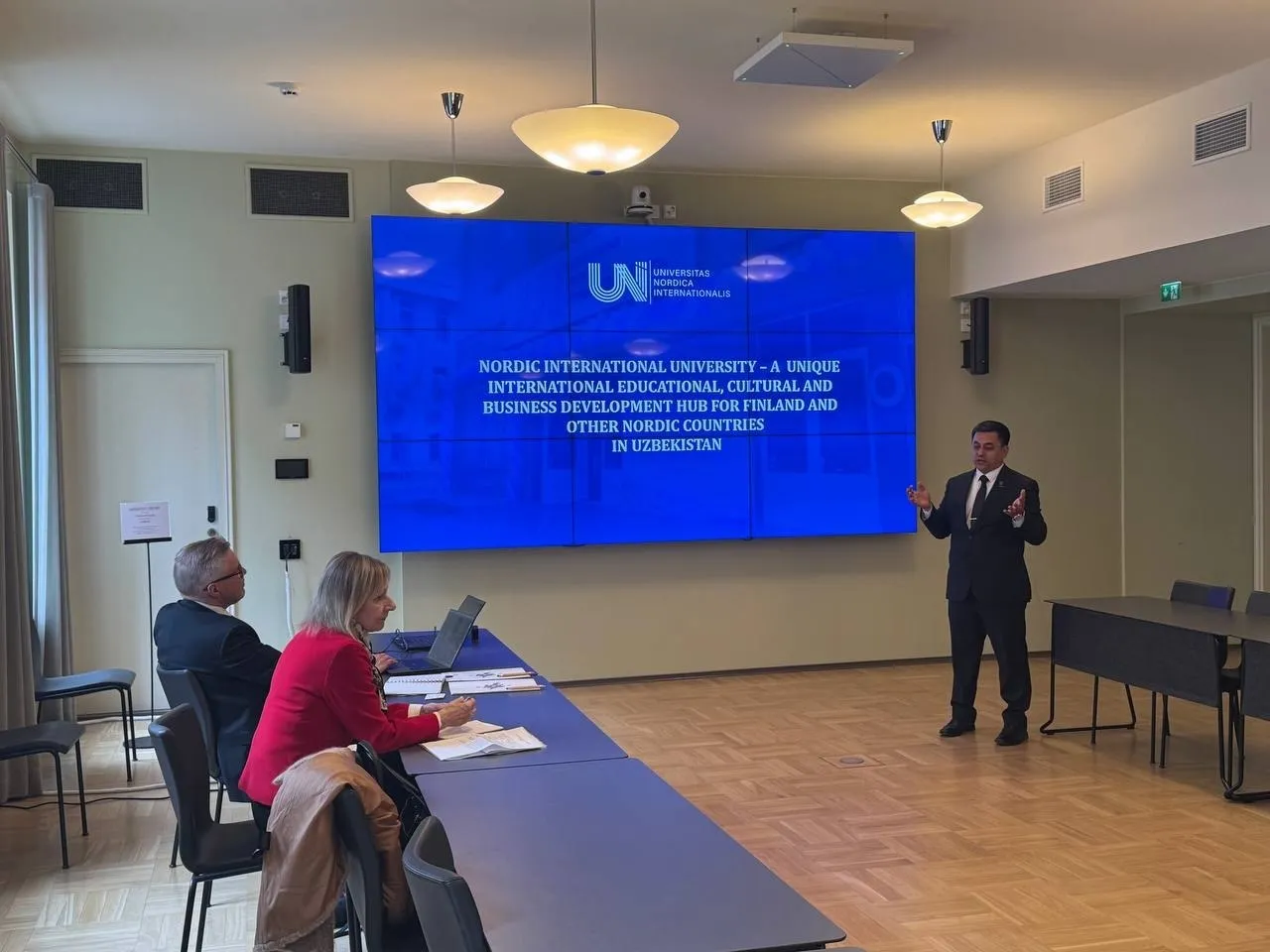
During the visit, Vice-Rector for Research and Innovation, Odil Qo‘ysinov, delivered a presentation on the university’s history, international partnerships, and future strategic vision. The parties achieved several important agreements in the fields of scientific collaboration, student exchange programmes, and professional development for educators, which were formally reinforced through the signing of a memorandum of cooperation.
This visit laid a solid foundation for strengthening Nordic University’s global academic integration, introducing Finland’s advanced educational practices to Uzbekistan, and building a modern pedagogical ecosystem.
Overall, the Helsinki visit concluded with promising practical outcomes for both Tashkent and the International Nordic University in the areas of innovative educational governance, the integration of artificial intelligence technologies, and the expansion of international academic collaboration.


Follow Nordic on social media