News
Esteem for education devotees: Winners of the traditional “PROSECUTOR’S PRIZE” Olympiad awarded in Bukhara

March 06 , 2025
692
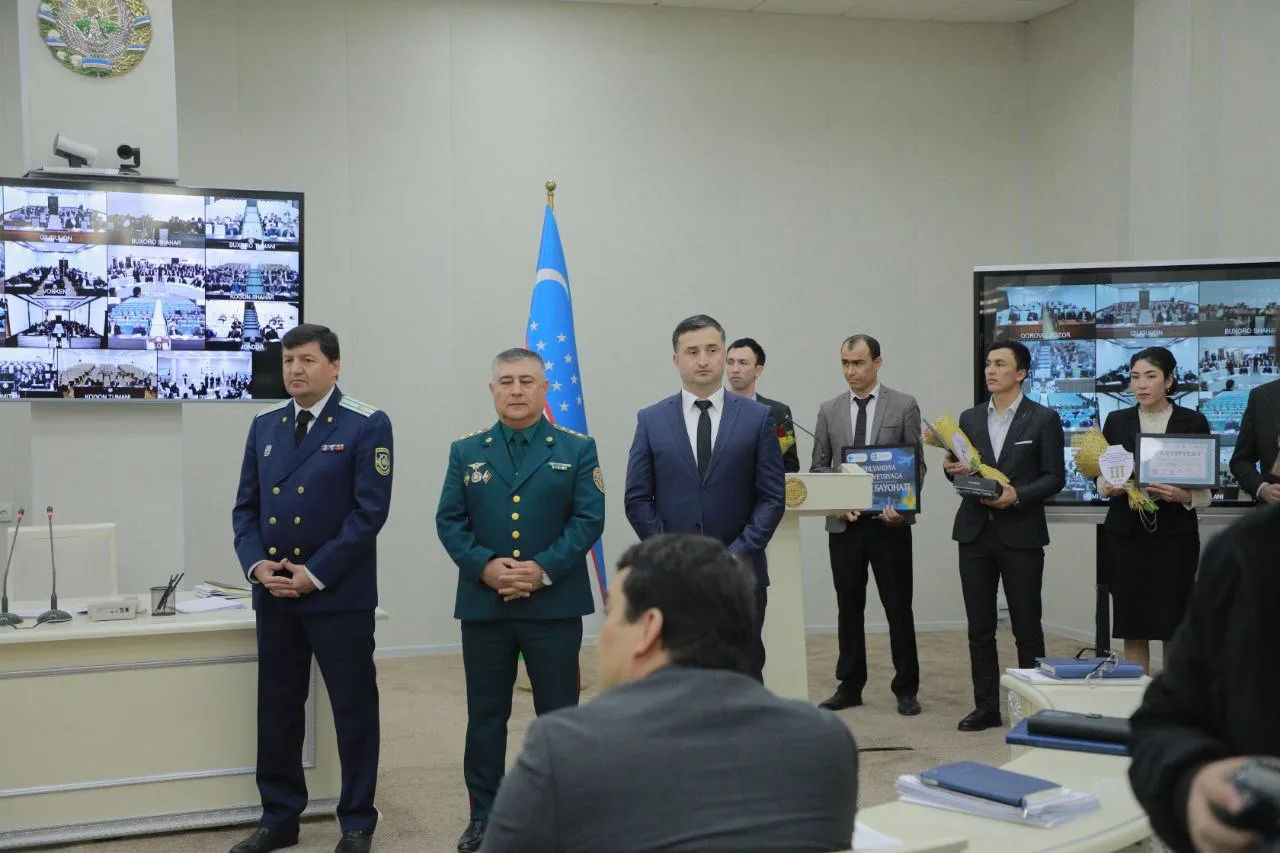
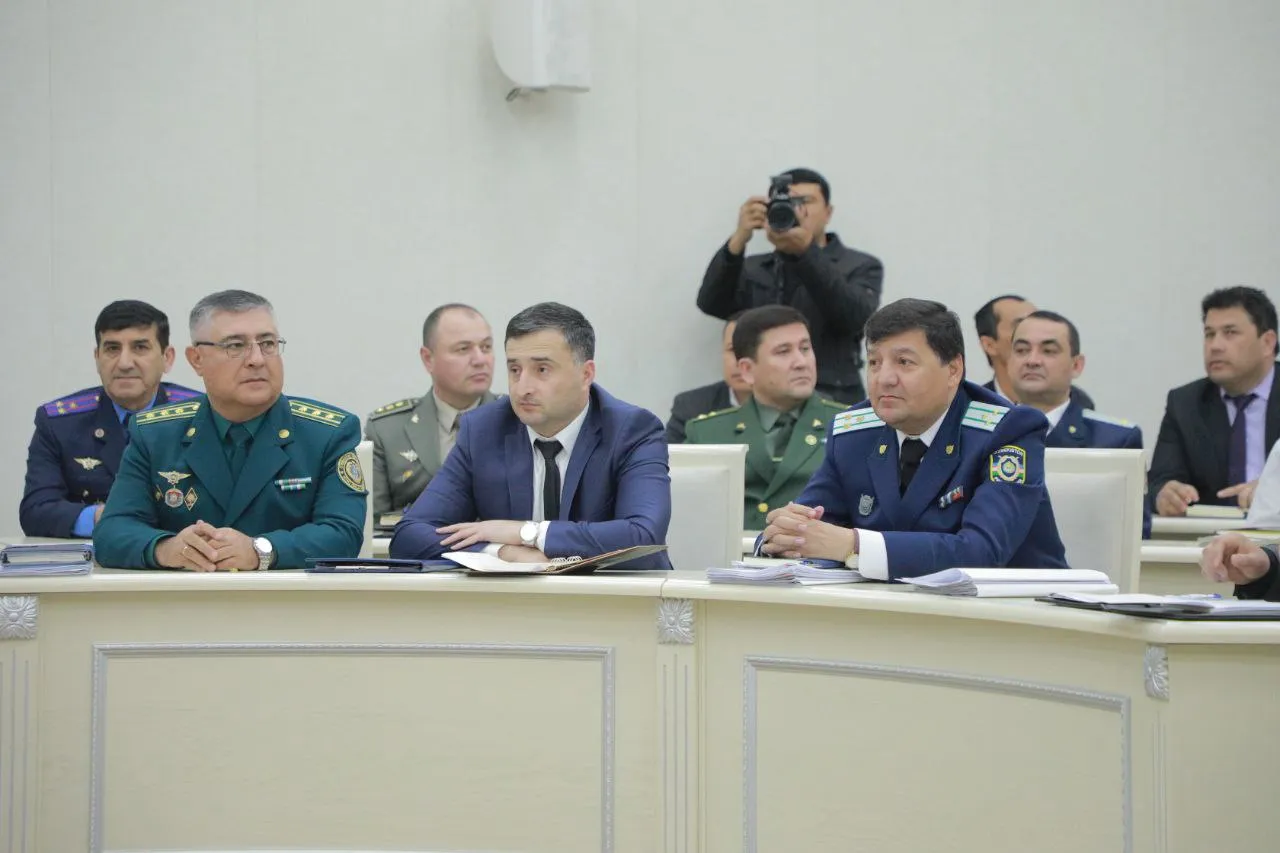
The Bukhara regional prosecutor’s office, the Nordic International University, and the IDC education center held a ceremony to honor the winners of the “Prosecutor’s Prize-II” Olympiad.
This Olympiad was held for the second time at a high level among teachers in the region as part of the tasks set out in the Presidential Decree of the Republic of Uzbekistan “On the Strategy of Uzbekistan-2030” and the decision on “Measures to Improve the Quality of Education in the Field of Mathematics and Develop Scientific Research”.
This time, not only mathematics but also physics teachers were included in the competition.
The Olympiad focused on identifying and encouraging talented and professional teachers who apply advanced methods and new pedagogical technologies in the teaching process, increasing students’ interest in exact sciences.
A total of 2372 mathematics and physics teachers from 13 city-district schools of Bukhara region tested their knowledge and skills. 98 of the most experienced teachers who achieved high results in the first stage competed in the final round.
The competition was held transparently under the supervision of the Olympiad coordinators, supervisors, judges, and officials from the Bukhara regional prosecutor’s office. The teachers’ knowledge, creativity, and ability to apply skills in practical tasks were assessed impartially.
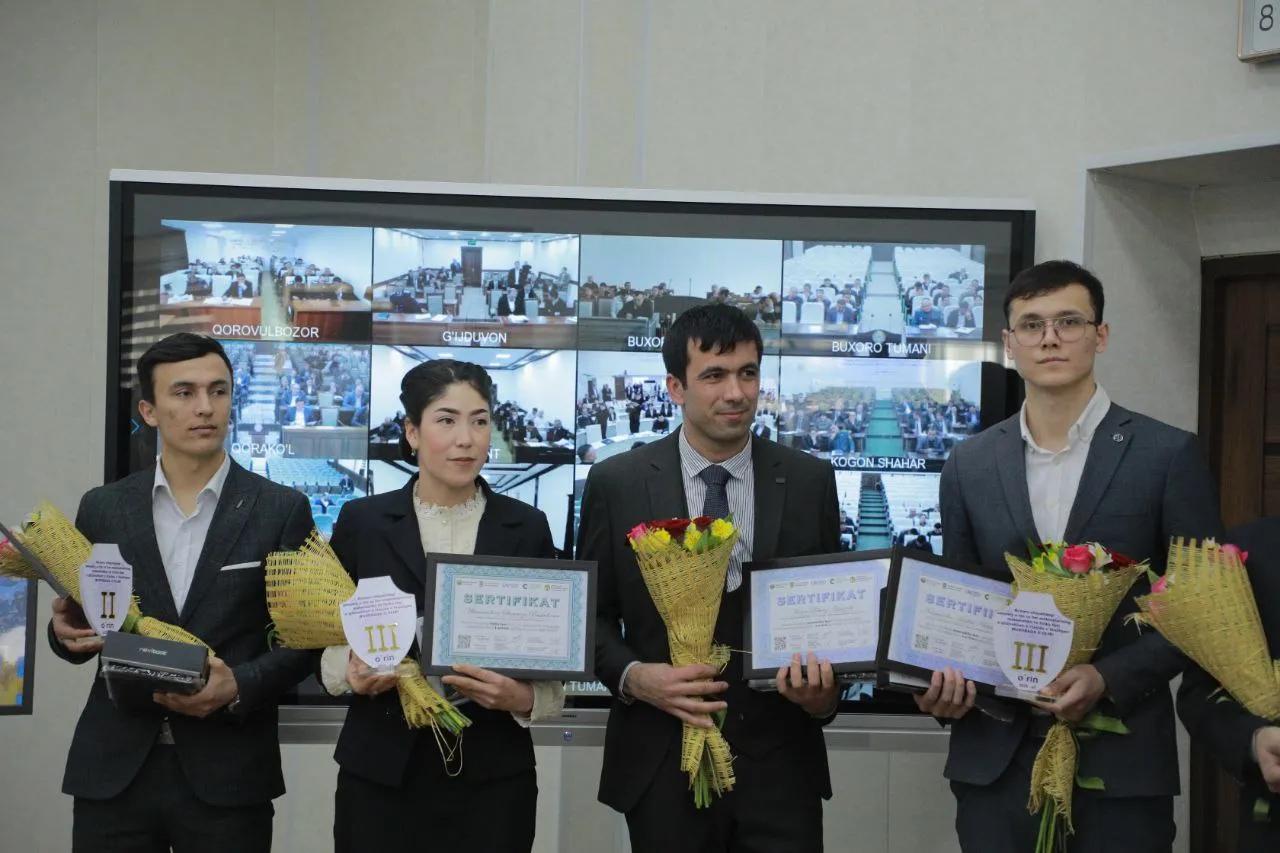
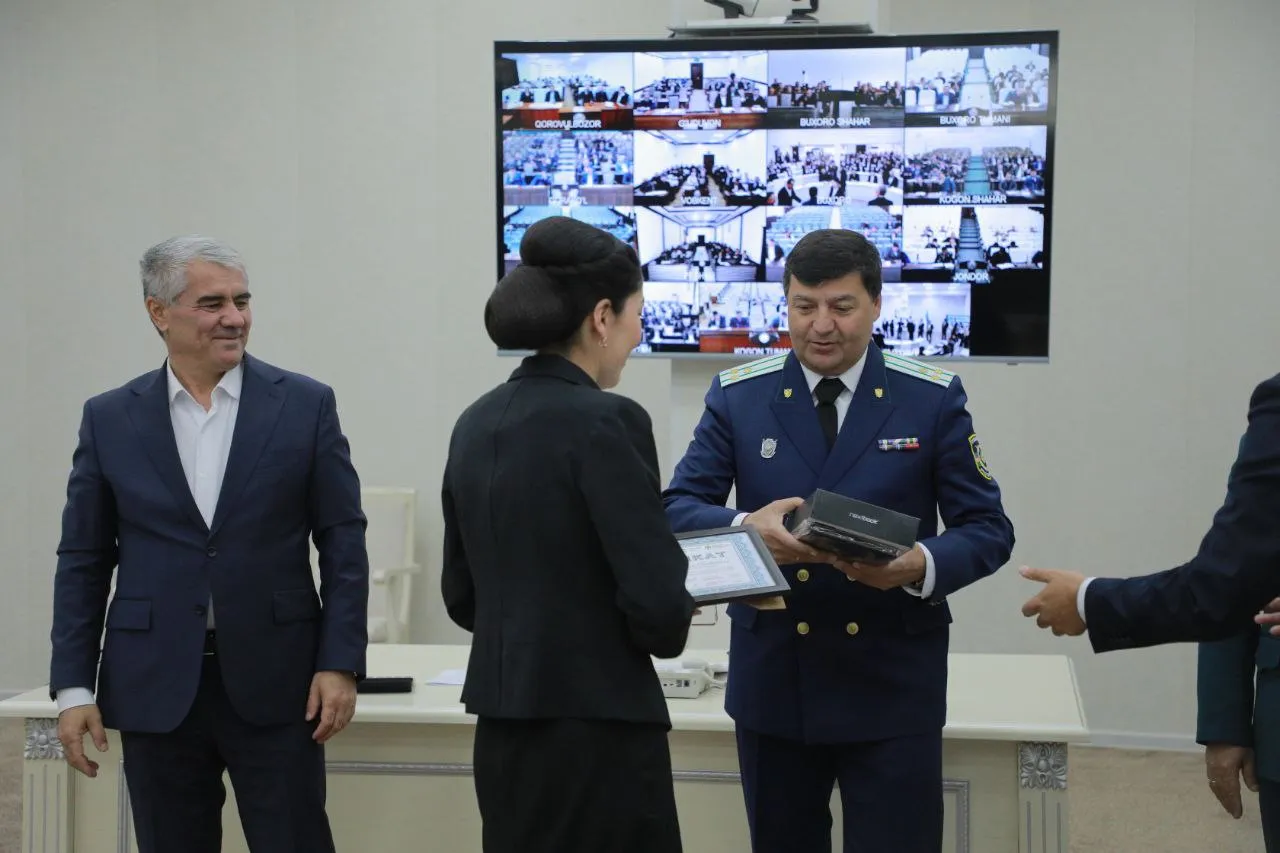
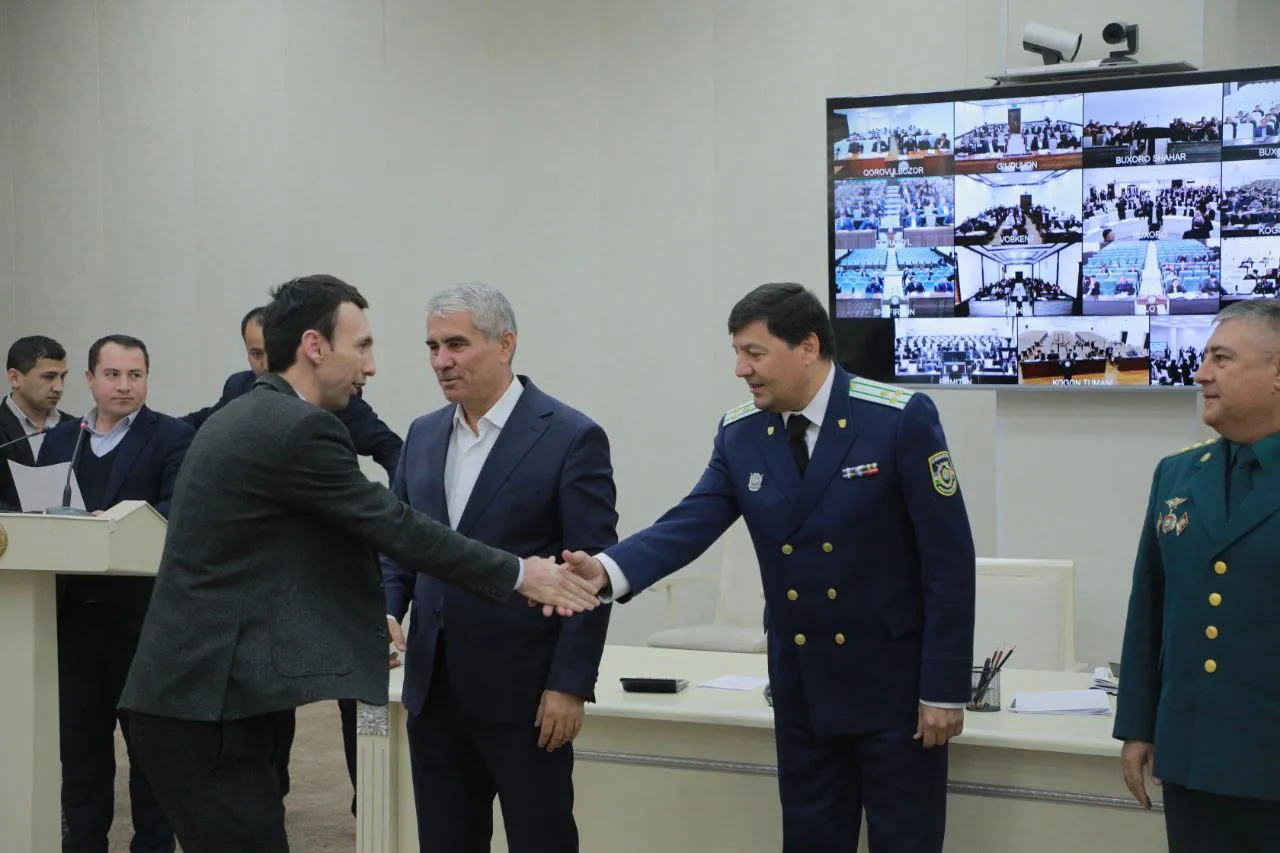
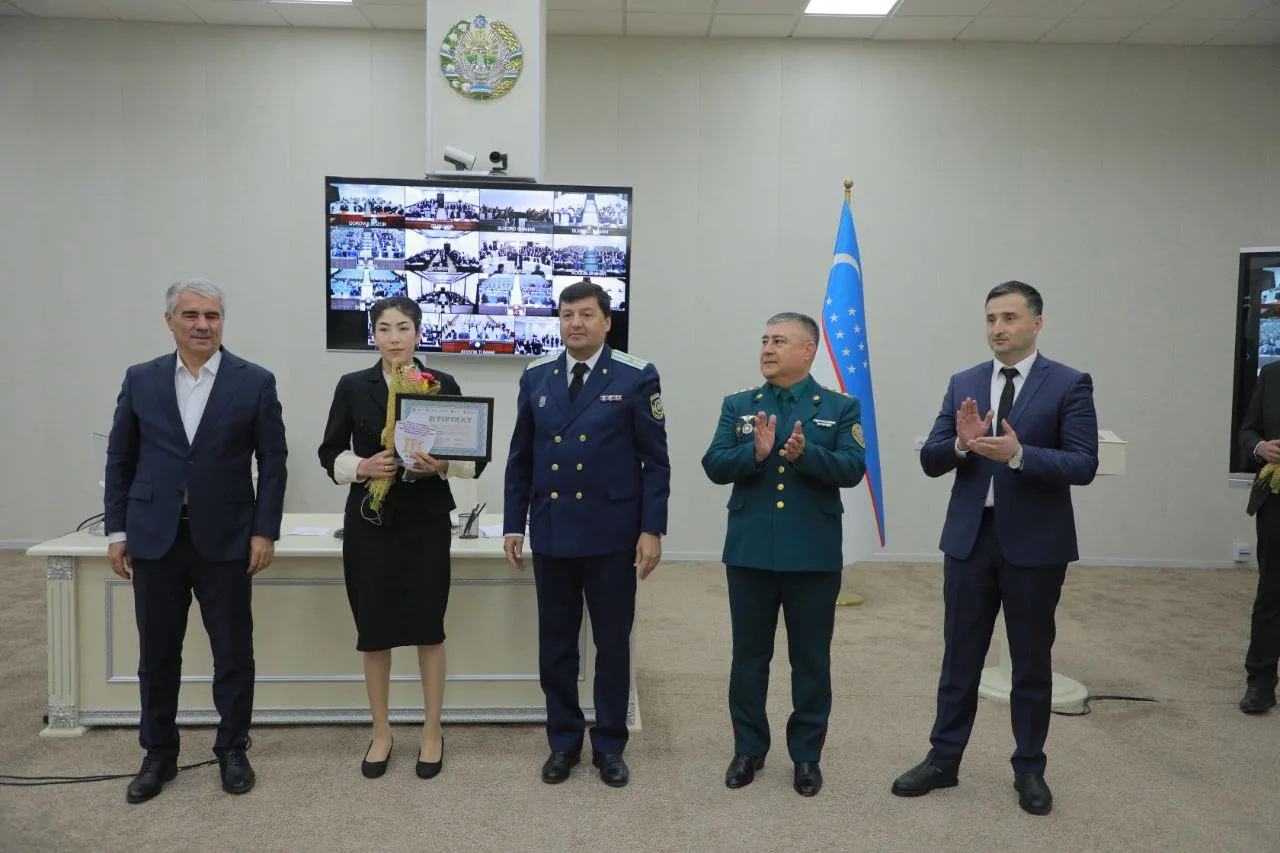
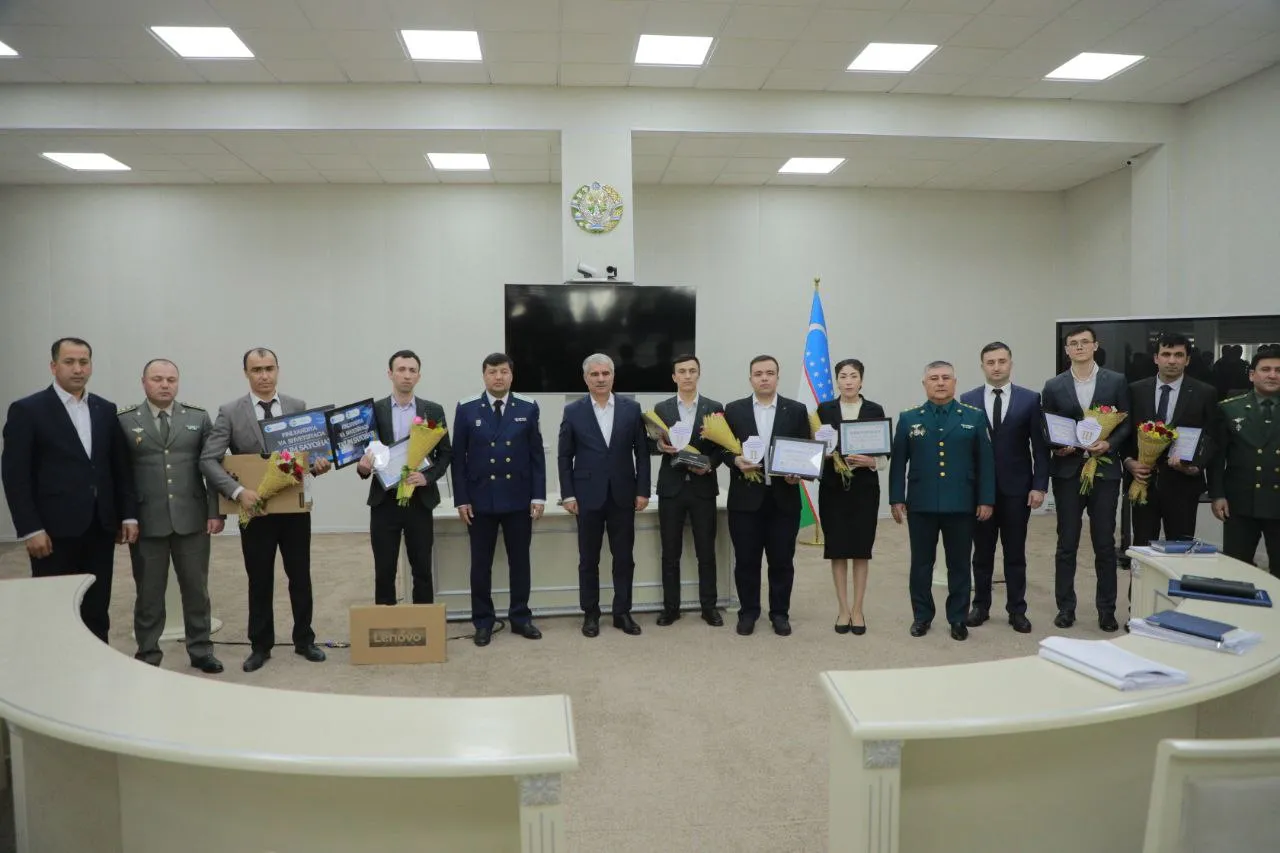
During the award ceremony, attended by Bukhara regional governor Botir Zaripov, regional prosecutor Ulugbek Khamdamov, and regional activists, special respect was shown to the teachers who earned 1st, 2nd, and 3rd places in the Bukhara regional stage of the Olympiad.
The winners in mathematics were Abdurashidbek Qo‘chqorov, Ismoil Po‘lotov, Behruz Avezov, and Asadbek Nurmurodov, and the winners in physics – Vohid Fayziyev, Umidjon Isomov, and Shahnoza Allamurodova. They were awarded certificates, the Prosecutor’s Prize, and commemorative gifts.
Abdurashidbek Qo‘chqorov and Vohid Fayziyev, who took 1st place, received internship invitations to Finland and Sweden, supported by the Nordic International University, to study foreign experiences. It is planned that through these mentors, international advanced practices will be introduced and promoted in the regional education system.
The Olympiad is traditionally held every year to improve the quality and effectiveness of education in the Bukhara region, identifying skilled teachers who provide students with solid mathematical knowledge and help them succeed in prestigious competitions at the national and international levels.
Plans are in place to improve the system of holding subject Olympiads among teachers, identify and encourage the best teachers in exact sciences such as mathematics and physics, and implement a ranking system. It is considered advisable to introduce this noble initiative from the Bukhara region to all other regions.
_______________
For reference, the first “Prosecutor’s Prize” Olympiad held in 2024 had 1376 teachers participating. In the final stage, the knowledge and skills of 48 teachers were tested. Behruz Avezov, a mathematics teacher who won the 1st place, succeeded in securing an internship in Finland.
Latest news

Parade of Nations: Cultural Values Through the Eyes of Students
Each team represented a different country, embodying its traditions and identity. Every performance reflected the historical essence of a nation, while the culinary exhibitions showcased the richness and diversity of national cuisines.
The gastronomic traditions of countries such as the United States, France, Finland, Türkiye, Korea, Italy, and many others were presented and thoughtfully interpreted.
Live music performances and student renditions of traditional and contemporary songs added a vibrant spirit to the celebration. Through their creativity and dedication, students demonstrated not only their talents but also their broad мировiew and intellectual curiosity.
Winners were recognized across multiple categories, including best table presentation, costume, stage concept, decoration, and taste. Each team’s effort, creativity, and strong sense of collaboration were duly acknowledged and appreciated.
The “Parade of Nations” became a symbolic microcosm of the world itself — a space without cultural boundaries or language barriers, where creativity, mutual respect, and shared curiosity brought everyone together in harmony.

National Identity: A Three-Thousand-Year Memory and Contemporary Consciousness
Authored by Professor Yulduz Ortiqova, Doctor of Philological Sciences, from the Department of Social Sciences and Journalism, the textbook “National Identity and Mass Media” provides a scholarly exploration of one of the most nuanced and pressing issues in modern journalism: understanding national identity and accurately representing it within the information space.
The presentation was attended by Salim Doniyorov, Editor-in-Chief of the “Yangi O‘zbekiston” newspaper, Doctor of Philological Sciences, and Professor Fayzulla Mo‘minov of the Uzbekistan State University of Journalism and Mass Communications. The distinguished guests offered in-depth reflections on the academic, cultural, and practical significance of the work. For students, the event became not only an introduction to a new textbook but also an opportunity to engage with profound life experiences and intellectual perspectives.
During the session, keynote speakers—Professor Fayzulla Mo‘minov and Najmiddin Qodirov — emphasized the historical formation of national identity, noting that it has not emerged effortlessly but through trials, losses, and resilience. They highlighted that national identity represents a complex and vital concept intertwined with a nation’s three-thousand-year historical memory, dignity, and future.
Approaching the topic from a broader socio-philosophical perspective, Salim Doniyorov stressed that preserving national identity in the era of globalization is not a matter of conservatism, but a conscious and deliberate choice:
“We are a society that holds family, parents, values, and roots sacred. This is precisely what distinguishes us from cosmopolitan views.”
He also delivered a key message that resonated strongly with students:
“Motivation alone is not enough—it must be reinforced by discipline and a well-structured system.”
One of the central points highlighted during the presentation was the risk of misinterpreting national identity. It was emphasized that national identity is not about asserting superiority over others, but about recognizing one’s own values while respecting all nations equally. This very principle forms the ethical foundation of contemporary journalism.
The textbook stands out not only as a theoretical framework but also as a practical guide. It is enriched with the perspectives of leading global scholars and includes end-of-chapter assignments designed to foster analytical and creative thinking, enabling deeper comprehension of the subject. Moreover, it equips journalists with the skills to analyze events through national, cultural, and social lenses.
At the conclusion of the event, Salim Doniyorov presented his book “The Dream of New Uzbekistan” to the university library—symbolizing the strengthening of academic collaboration and intellectual exchange.
Ultimately, Professor Yulduz Ortiqova’s “National Identity and Mass Media” is more than just a textbook—it is the product of a scholarly tradition that teaches the delicate balance between thought and responsibility, values and professionalism. After all, a journalist does not merely deliver information—they shape the consciousness of society.
The Department of Social Sciences and Journalism, along with students, warmly congratulated the author and expressed their sincere appreciation for this valuable contribution. Guests also explored the university’s activities and expressed their readiness to expand future academic cooperation.

Nordic Students — on the Global Tech Stage
Students from Nordic University actively participated in this prestigious event, joining over 1,200 participants from 17 countries.
The hackathon featured intense competition across three key tracks:
AI & Healthcare — developing AI-driven solutions to address challenges in the medical field
Cybersecurity (CTF) — tackling real-world challenges in a simulated cyber threat environment
Robotics & Engineering — working on complex technical tasks and prototypes
The event provided students with valuable opportunities for international networking, collaborative brainstorming, and hands-on experience. As a result, participants gained new knowledge, enhanced their global perspective, and expanded their professional capabilities.

University Council Meeting No. 3: Strategic Priorities Reviewed
Particular emphasis was placed on the implementation of ministerial board decisions, the adoption of a systematic approach, and ensuring measurable outcomes.
Reports presented by responsible officials highlighted completed initiatives, the integration of innovations into the educational process, and the progress achieved in improving overall efficiency. At the same time, the need to further strengthen monitoring and evaluation mechanisms, as well as internal control systems, was underlined.
A central item on the agenda was the review of the University’s Research and Development Concept for 2026–2030. The document outlines key priorities such as aligning research with practical impact, expanding international collaboration, attracting grants and investments, and supporting early-career researchers.
The meeting also addressed the digitalization of research activities, commercialization of scientific outputs, and the development of a robust startup ecosystem. In addition, extensive discussions were held on improving education quality, adopting best international practices, gathering student feedback through surveys, and meeting modern competency requirements for academic staff.
Within the framework of the “Work and Travel – 2026” program, specific tasks were defined to prepare students for participation abroad, facilitate their adaptation to the international labor market, and enhance their practical experience.
Special attention was also given to the organization of the “TasIMO – 2026” International Mathematics Olympiad at a high standard. Rector Sherzod Mustafakulov provided instructions on broad promotion of the event, effective use of digital platforms, expansion of participant geography, and the high-quality organization of subsequent stages.
Furthermore, reports on the training of scientific personnel and accreditation processes were reviewed. Necessary measures were identified to approve individual work plans and methodological programs of independent researchers, as well as to improve academic and regulatory documents developed for specialized accreditation.
The Council also considered the effective organization of the upcoming admission campaign, with analytical reports presented by responsible departments.
Following the discussions, relevant decisions were adopted on all agenda items. The meeting concluded with the Chair of the Council extending sincere congratulations to faculty members and scholarship-winning students for their outstanding academic achievements.