A Small Group Meeting on the Coordination of Pedagogical Staff Training Was Held

A Small Group Meeting on the Coordination of Pedagogical Staff Training Was Held

February 01 , 2025

|

1040

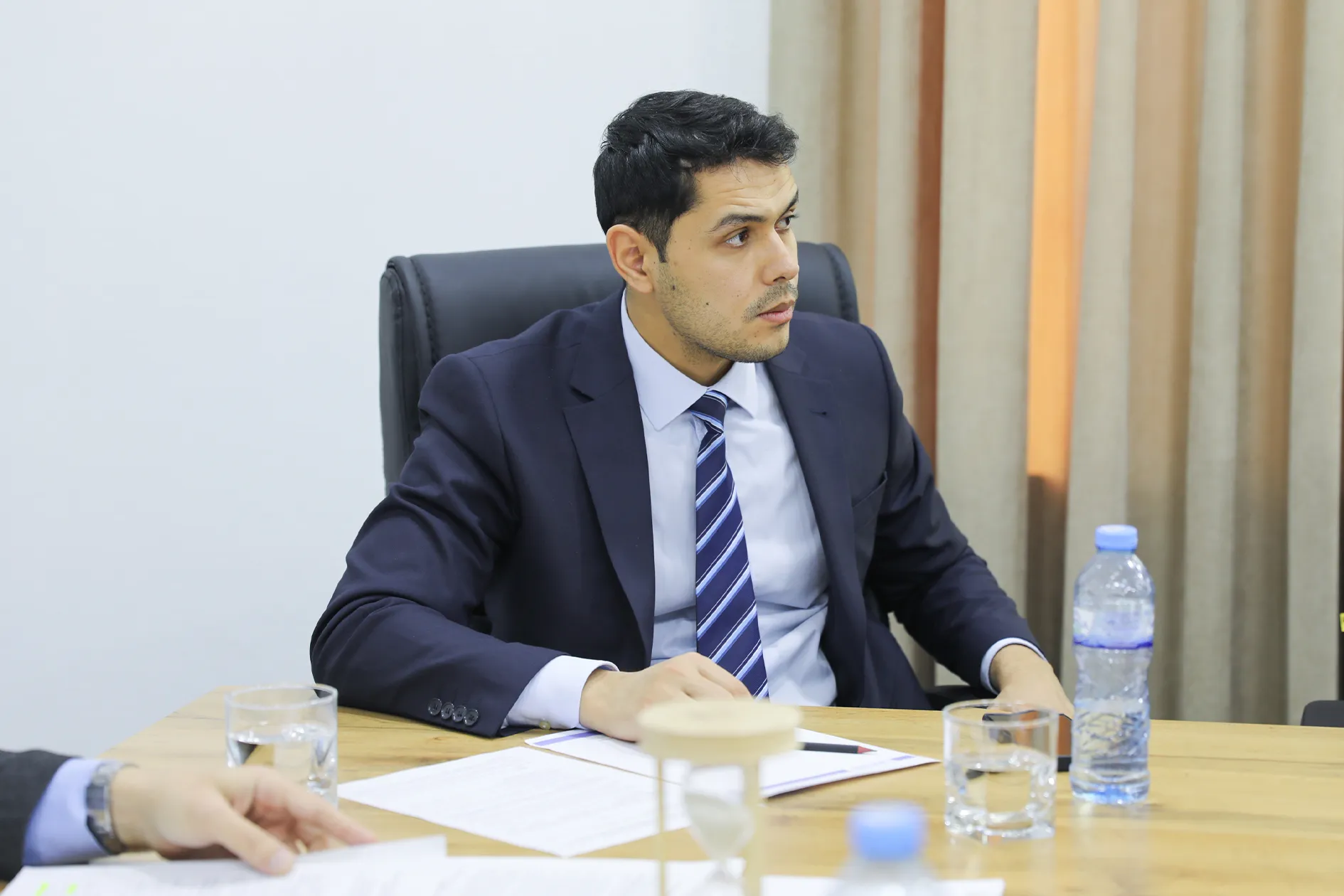
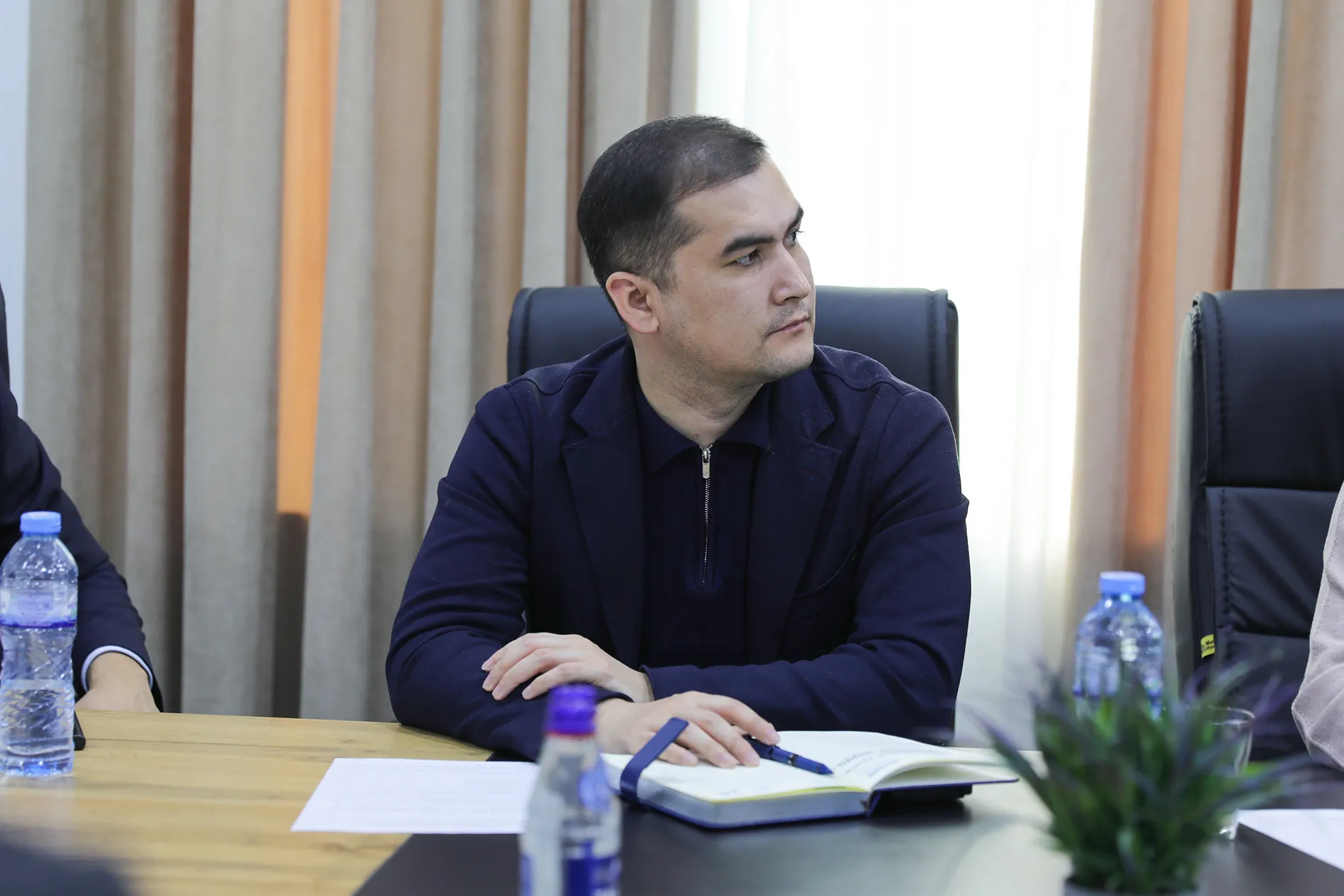
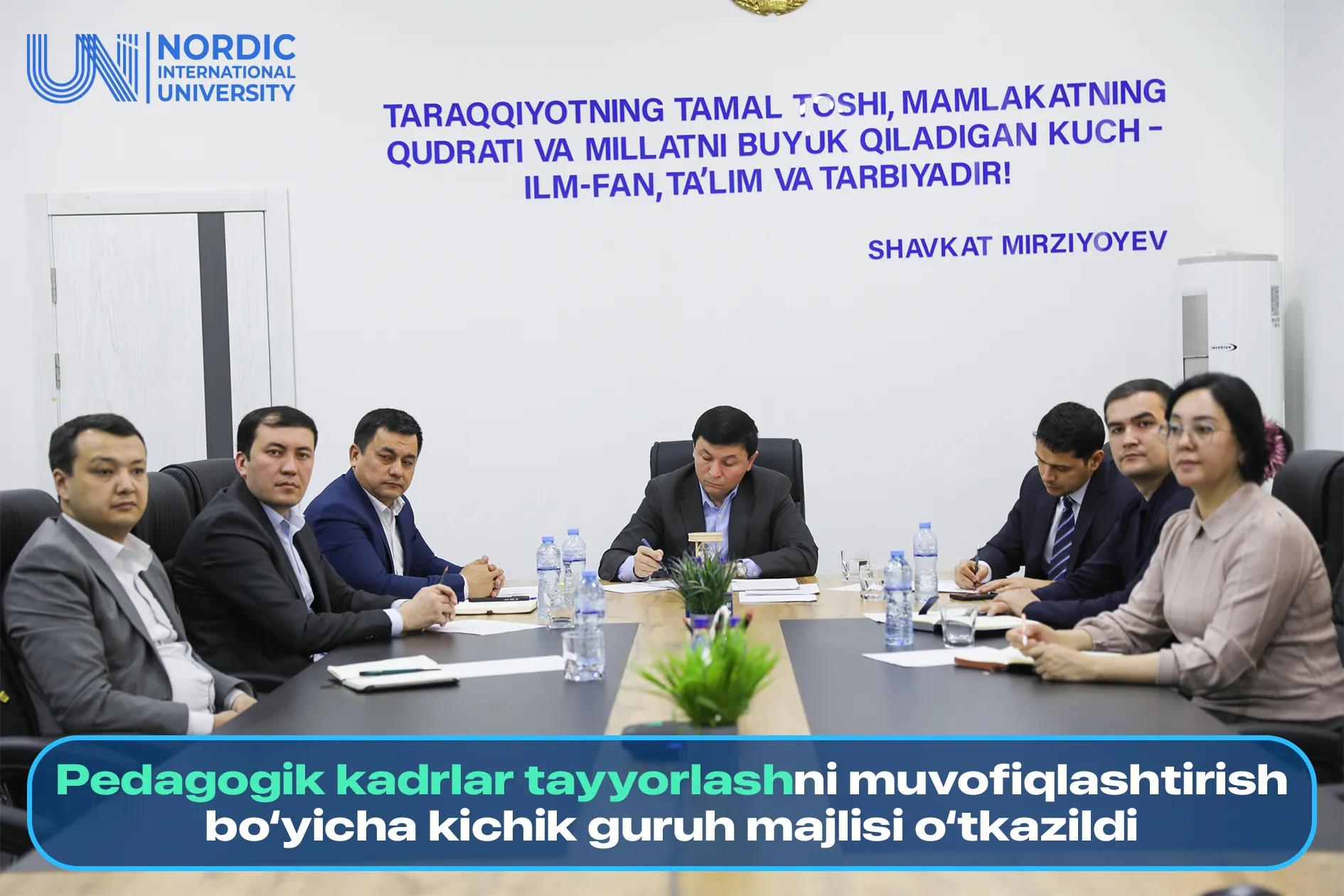
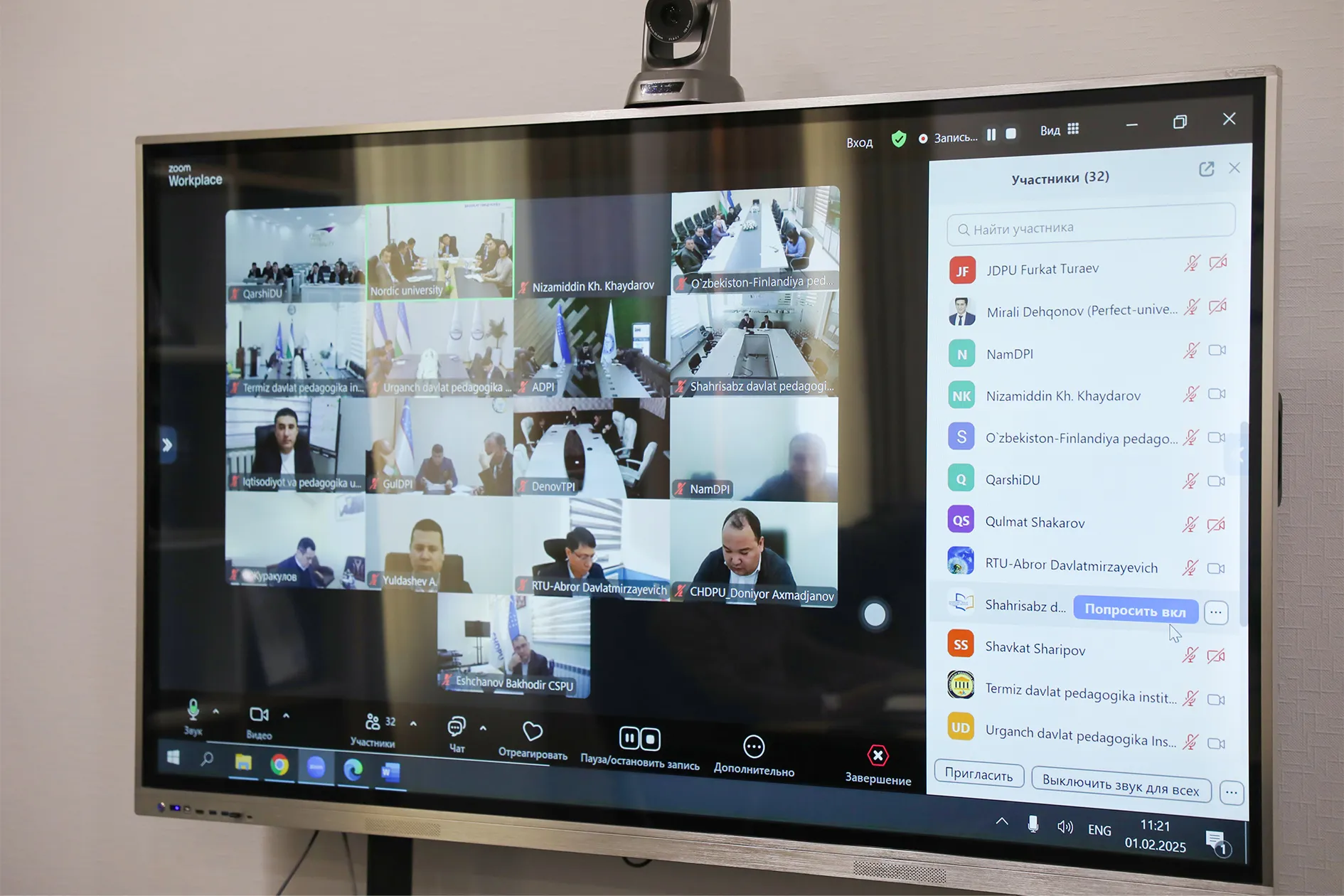
A webinar (video-chat) meeting was held by the small project group established under the "Coordination of Pedagogical Staff Training" at the Republic Higher Education Council.

The meeting was led by the group leader, Rector of Nordic International University, Professor Sherzod Mustafakulov. It was attended by rectors and senior staff from higher education institutions in our republic that train pedagogical staff.


The agenda of the meeting included discussing the working group’s agenda, agreeing on its concept and trajectory, and proposing the creation of a database of higher education institutions training pedagogical staff.


The idea of establishing a forum—a single platform for continuous communication with rectors and experts and for addressing existing issues in the field—was also discussed.


To form the issue database, the working group members approved the proposal of developing a questionnaire for surveys between universities, teachers, and employers.


During the discussions on the issues, suggestions and feedback were heard from representatives of the Termez State Pedagogical Institute, the Uzbekistan-Finland Pedagogical Institute, and Renaissance University of Education, focusing on the education issues they have studied. It was emphasized that these issues and their solutions will form the basis for reforms.


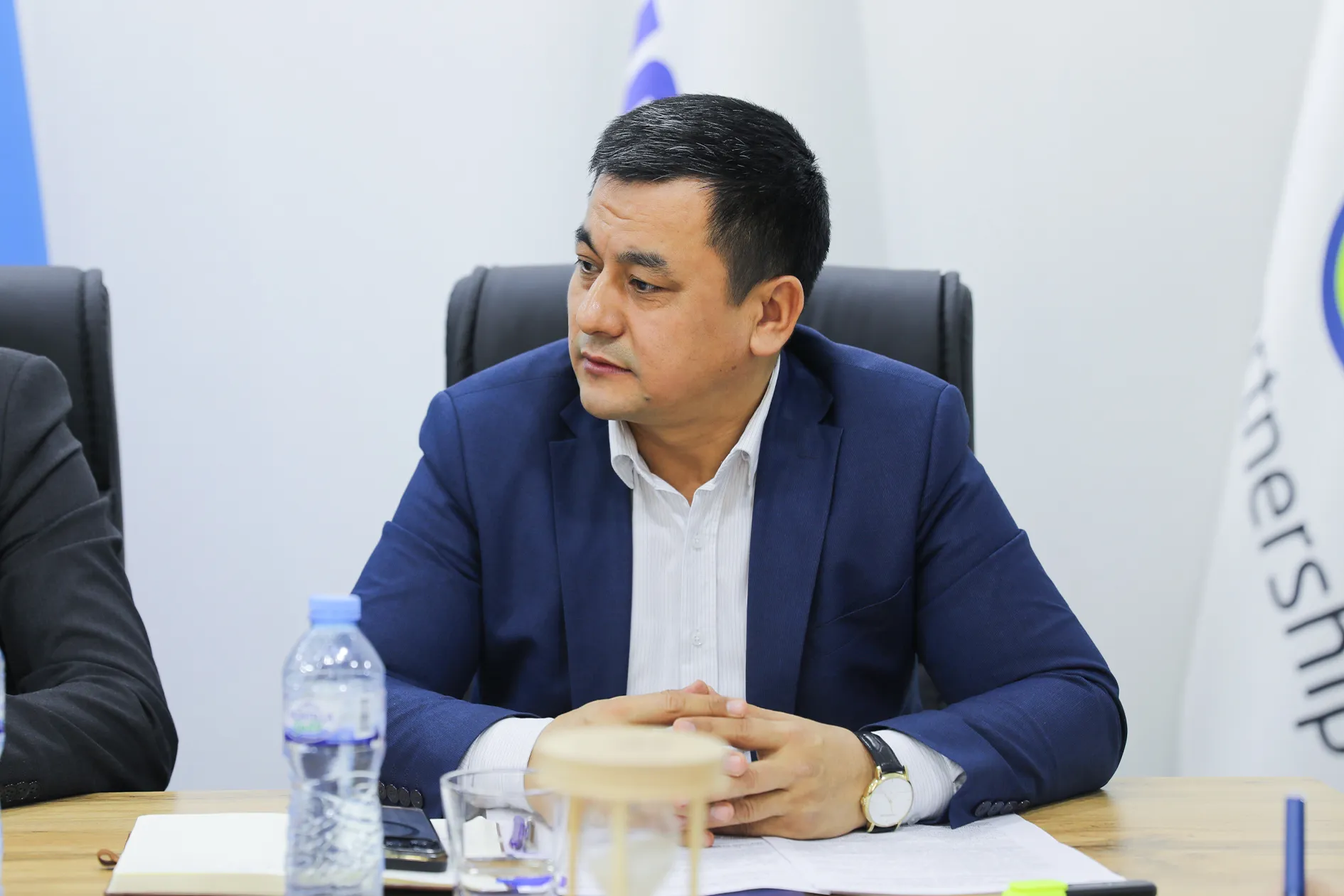
Odil Quysinov, Vice-Rector of Nordic University, drew the working group’s attention to the current importance of developing a targeted concept for the comprehensive development of higher educational institutions specializing in pedagogy, which was the second item on the agenda.


The meeting also covered international and advanced experiences related to improving the educational process in higher education institutions, preparing graduates to meet labor market demands, and using creative pedagogical methods in the admission and educational processes.


Various issues were addressed during the meeting, including transitioning from quantity to quality indicators, achieving collaboration within the pedagogical community, and agreeing to organize regular online forums and discussions to coordinate activities.
Artboard-4-31
Preview
Artboard-1-29
Preview
Artboard-3-30
Preview
Artboard-2-33
Preview
Print

Latest news

Federation – Nordic – Inclusive School Partnership: “Every Young Person Has Potential”

Federation – Nordic – Inclusive School Partnership: “Every Young Person Has Potential”

Within the framework of priority tasks outlined by the President in the field of sports, a chess and checkers tournament was organized with the participation of the Chess Federation of Uzbekistan, students of the 77th specialized boarding school, and university undergraduates.


In contemporary education policy, inclusivity has become an essential principle. In this regard, the tournament served not only as a competitive platform but also as a meaningful mechanism to foster intellectual development, encourage social engagement, and practically implement the idea that “every young person has potential.”


The event was attended by representatives of the Chess Federation of Uzbekistan as well as international grandmasters, who engaged in open dialogue with participants. This created a unique opportunity for young attendees to gain direct insights from high-level professionals, transforming the event into both a competition and a valuable learning experience.


Additionally, a presentation of chess-related literature was held, facilitating knowledge exchange. A curated selection of top-quality books was presented as gifts to participants.


🏆 Winners of the Chess Tournament (University Students):

🥇 Zafar Zoitjonov

🥈 Farangiz Abdumuminova

🥉 Aziz Azimov


🔲 Winners in Checkers (School Students):

🥇 Shukrullokhon Salomov

🥈 Diyorbek Joniqulov

🥉 Oybek Rahimqulov


Nordic University remains committed to nurturing intellectually capable generations, developing future leaders, and ensuring equitable access to quality education through consistent and forward-looking initiatives.

A New Paradigm in Education Policy: Artificial Intelligence and Language Competencies

A New Paradigm in Education Policy: Artificial Intelligence and Language Competencies

The forum provided an in-depth scholarly discussion of the key priorities of contemporary education policy, including digitalization, innovative pedagogy, and the integration of artificial intelligence.


In the context of ongoing globalization, proficiency in foreign languages has evolved beyond a mere communicative necessity into a critical factor of economic and academic competitiveness. As emphasized during the conference, artificial intelligence technologies are driving a fundamental transformation in this domain, elevating the education system to a qualitatively new stage.


From an education policy perspective, three major directions were placed at the center of discussion:

— the development of individualized learning trajectories through digital transformation and adaptive learning platforms;

— the enhancement of translation quality through automated systems based on advanced linguistic models;

— the automation of semantic analysis and interpretation processes through intelligent linguistics.


These directions clearly illustrate the transition from the traditional model of “knowledge transmission” to a more advanced paradigm of “knowledge management and production” within the education system.


Within the framework of the conference, particular attention was given to innovative pedagogical approaches based on artificial intelligence, the conceptual foundations for integrating AI technologies into education, the digital analysis of literary texts, and the linguistic as well as functional capacities of AI in translation studies. These areas have significant practical implications for improving the quality of education, modernizing teaching methodologies, and optimizing translation processes.


The conference was held at an international level, bringing together professors, researchers, field specialists, and talented students from both foreign countries and national higher education institutions. The event fostered an active exchange of advanced ideas and contributed to strengthening academic collaboration.


Participant Giuseppe Chiaramonte shared his impressions, emphasizing that the proper integration and responsible use of artificial intelligence in education, along with effectively guiding students, constitute one of the most crucial responsibilities of modern educators. Comparing the experiences of Central Asian countries, he particularly highlighted Uzbekistan’s openness to innovation, its support for new ideas, and the favorable environment for their practical implementation.

A Glimpse into a Great Legacy: Students at an Essay Competition

A Glimpse into a Great Legacy: Students at an Essay Competition

His invaluable legacy — Temur tuzuklari — has, for centuries, served as a school of statecraft and human values.


With the aim of fostering a deeper understanding of this remarkable heritage and interpreting it through a contemporary lens, an essay competition was organized among students.


As participants explored the theme “The Temur’s Code: A School of Justice and Governance,” they not only revisited history but also sought answers to pressing questions of the present day.


This competition became a distinctive platform for nurturing critical thinking, analytical insight, and self-awareness among young people, while inspiring them to draw lessons from the past in shaping a conscious and responsible future.

Youth, Peace, and Security: Central Asian Youth at the Negotiating Table

Youth, Peace, and Security: Central Asian Youth at the Negotiating Table

Launched on April 27, this prestigious event has brought together 25 outstanding young participants selected from four Central Asian countries—Kazakhstan, Kyrgyzstan, Tajikistan, and Uzbekistan.


Within the framework of this initiative, participants are testing their knowledge and skills through a diplomatic simulation—an interactive process closely mirroring real-life international negotiations. Assuming the roles of diplomats, they articulate positions on global security issues, draft resolutions, and seek pathways to consensus. This process not only reinforces their theoretical understanding but also cultivates critical competencies such as analytical thinking, negotiation, communication, and decision-making.


Particularly noteworthy are the discussions held under the United Nations agenda on “Youth, Peace, and Security,” which further enhance the relevance of the event. This, in turn, highlights Uzbekistan’s proactive stance in advancing youth diplomacy.


The five-day program is structured to integrate theory with practice in a gradual and systematic manner. According to the OSCE Project Co-ordinator in Uzbekistan, Ambassador Antti Karttunen,

“Participation in the Model OSCE program provides young people with practical experience in diplomacy and negotiations, while also deepening their understanding of how international organizations operate. By bringing together participants from across Central Asia, this initiative strengthens regional cooperation and supports youth engagement in addressing shared security challenges.”


Throughout the program, participants gain insight into the work of the Organization for Security and Co-operation in Europe, engage in discussions on pressing security issues, explore the role of youth in decision-making, and analyze the implementation of UN Security Council Resolution 2250 on Youth, Peace, and Security.


A strong emphasis is placed on experiential learning. Through interactive sessions, participants engage in multilateral negotiations on key topics. Particular attention is given to gender equality, inclusive participation, and the vital role of youth in promoting peace and security.

Follow the official channel on Telegram

Subscribe to our YouTube channel

Follow our page on Facebook

Connect with our LinkedIn profile