“O‘zbekiston–2030 strategiyasi: amalga oshirilayotgan islohotlar tahlili, muammolar va yechimlar”

“O‘zbekiston–2030 strategiyasi: amalga oshirilayotgan islohotlar tahlili, muammolar va yechimlar”

November 19 , 2025

|

456

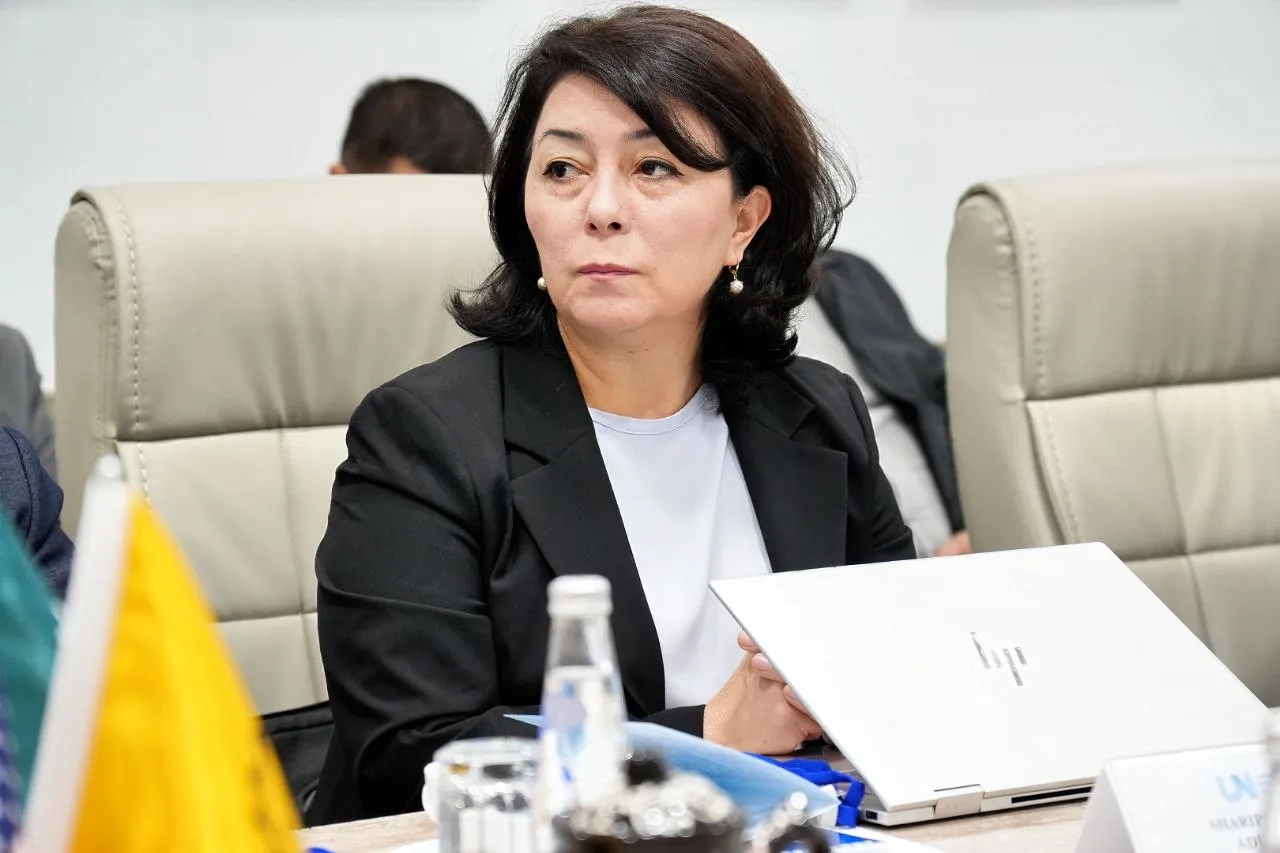
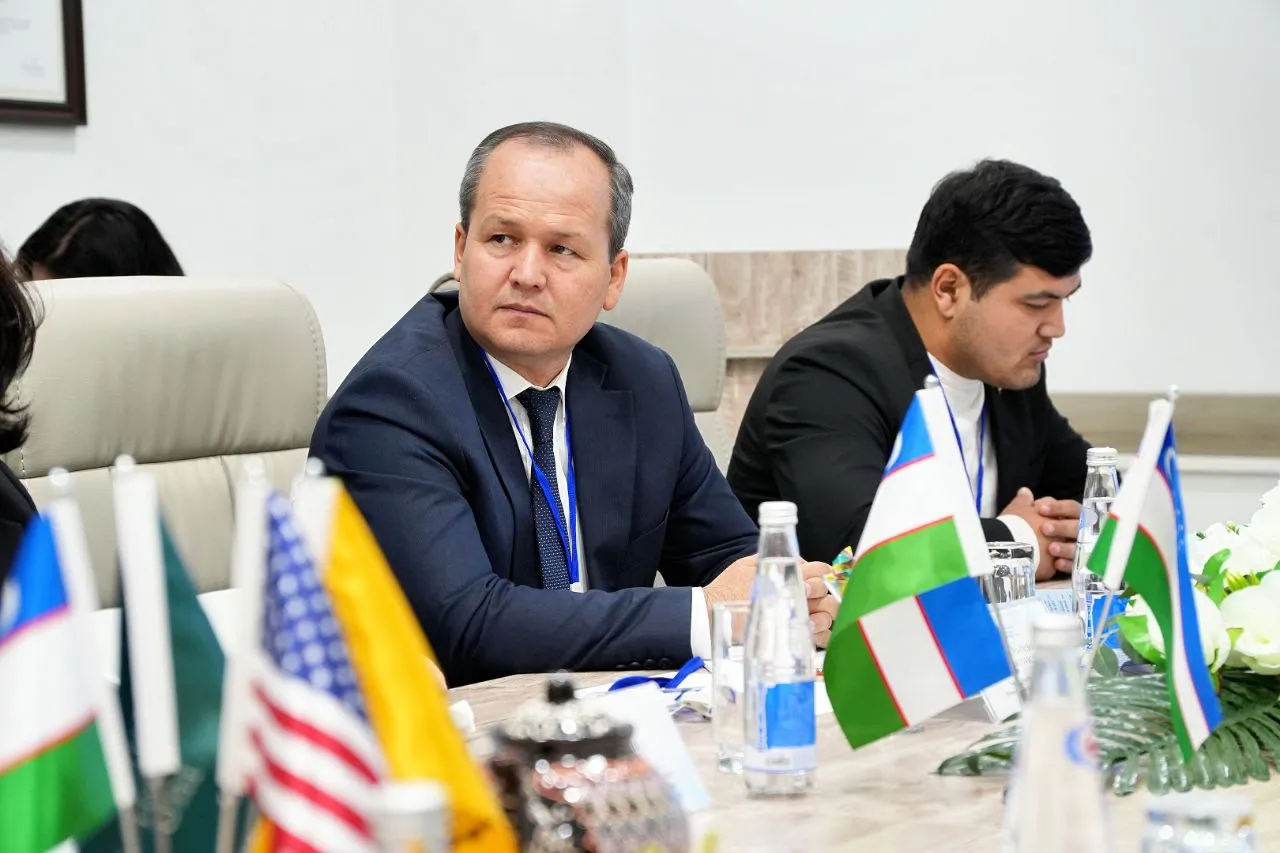
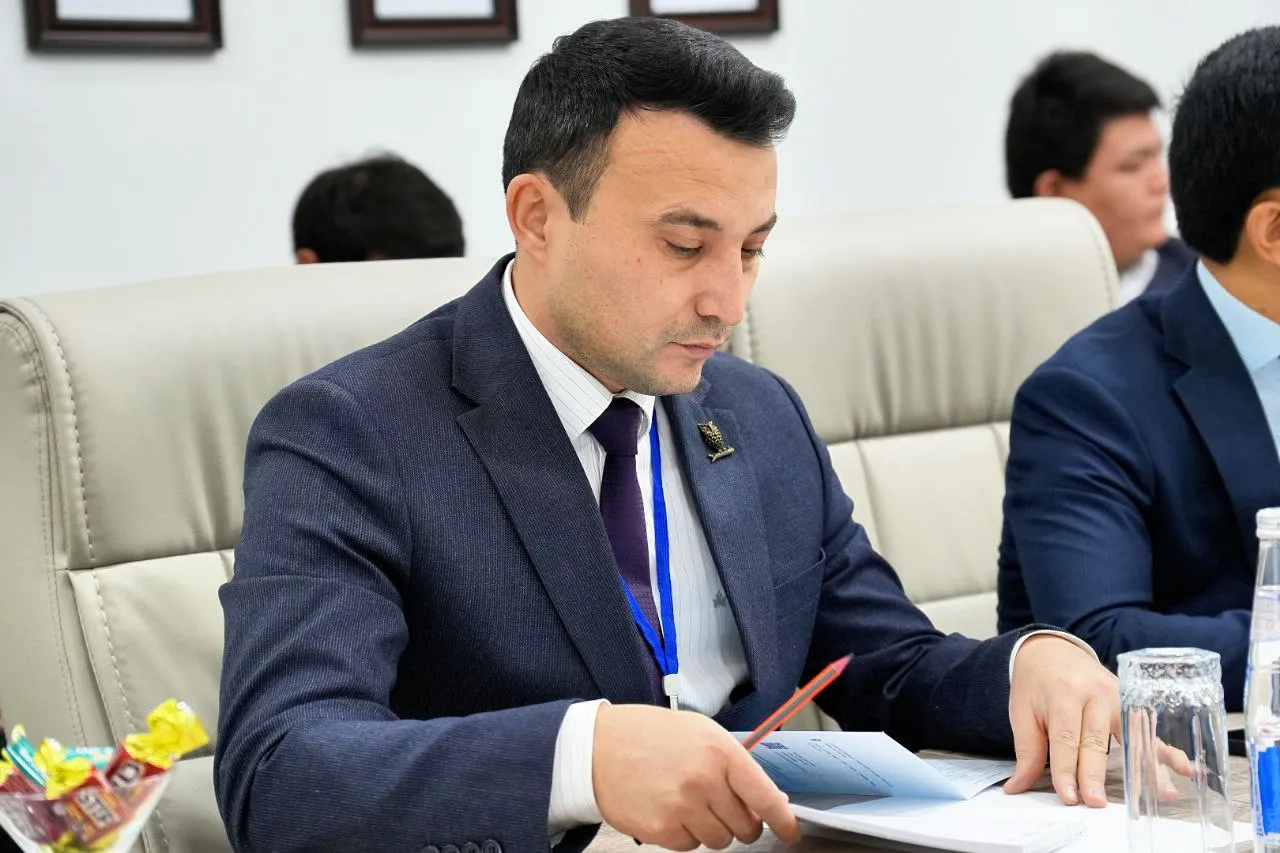
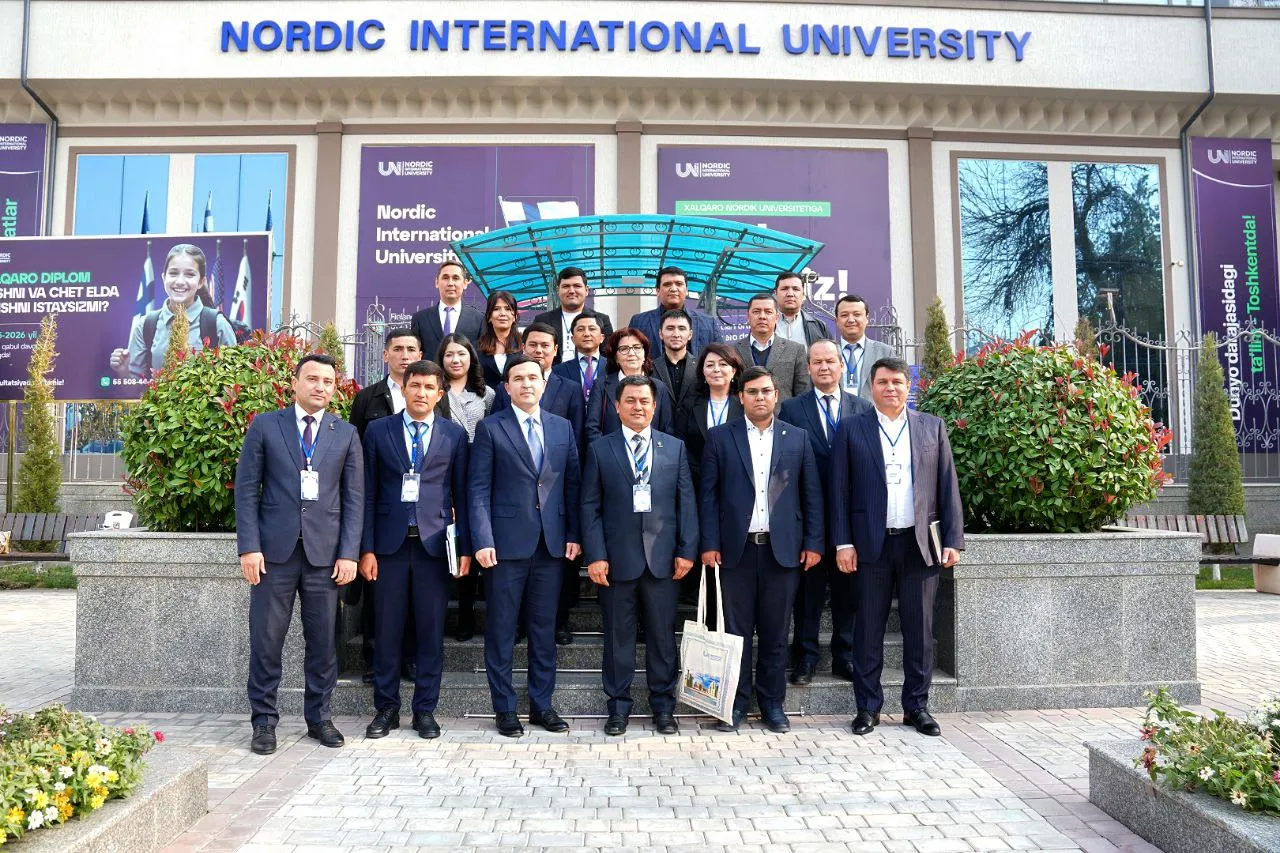
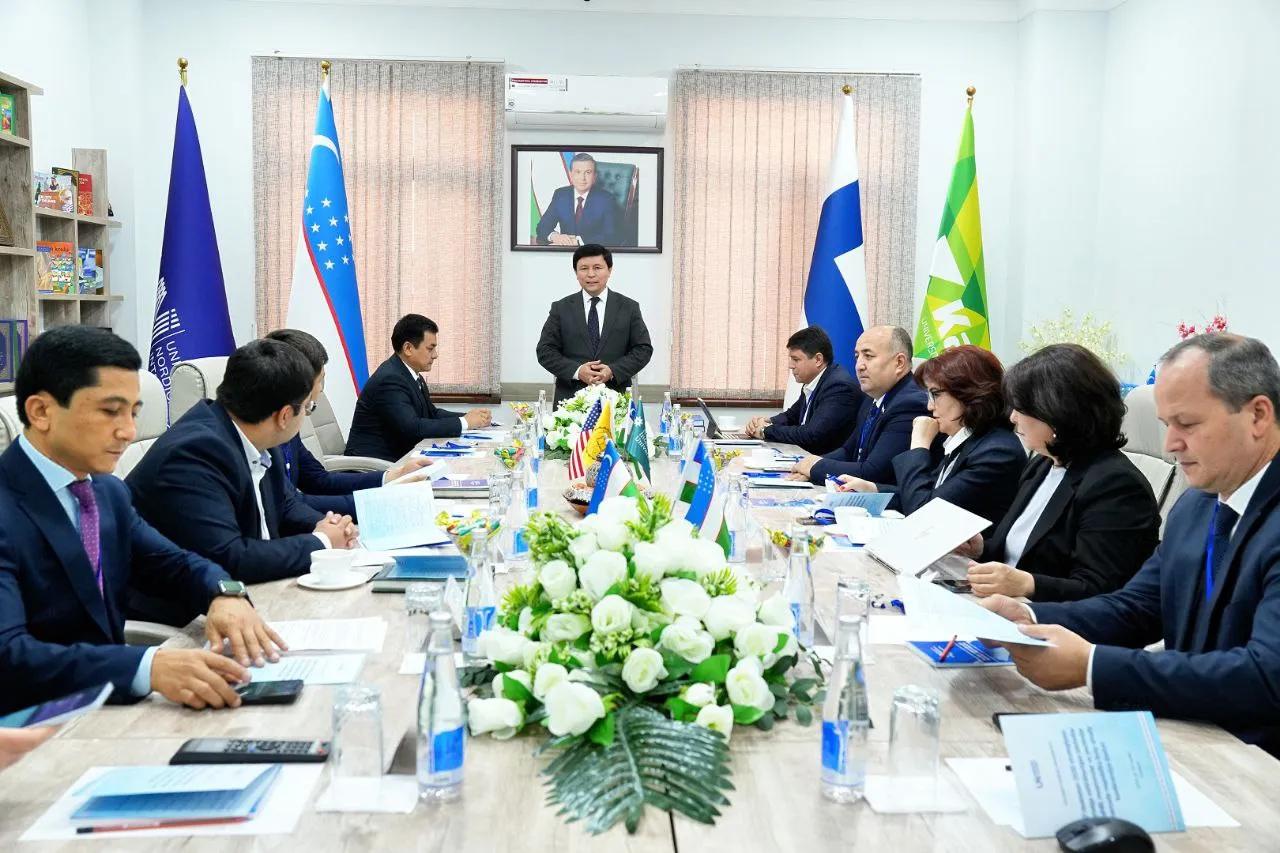
Xalqaro Nordik universitetida ushbu mavzuda mamlakat taraqqiyotining asosiy yo‘nalishlarini qamrab olgan respublika ilmiy-amaliy konferensiyasi o‘tkazildi.

Mazkur anjumanda davlat boshqaruvi, iqtisodiyot, ekologiya, tashqi siyosat, raqamli transformatsiya, turizm va jamiyat rivoji kabi ustuvor sohalardagi islohotlarni ilmiy jamoatchilik ishtirokida tahlil qilish, ularning amaliy natijalarini muhokama etish hamda istiqboldagi vazifalarni belgilashga asosiy e’tibor qaratildi.  


Konferensiya ochilishida Nordik universiteti rektori, iqtisodiyot fanlari doktori, professor Sherzod Mustafakulov O‘zbekiston–2030 strategiyasini mamlakatning yangi avlodi uchun mo‘ljallangan kompleks modernizatsiya dasturi sifatida baholab, uni amalga oshirishda ilmiy hamjamiyatning o‘rni tobora ortib borayotganini e’tirof etib o‘tdi. Innovasion yondashuvlar, ilmiy tahlillar va dalillarga asoslangan qarorlar qabul qilish strategiya samaradorligini belgilovchi asosiy omillar ekanini ta’kidladi.


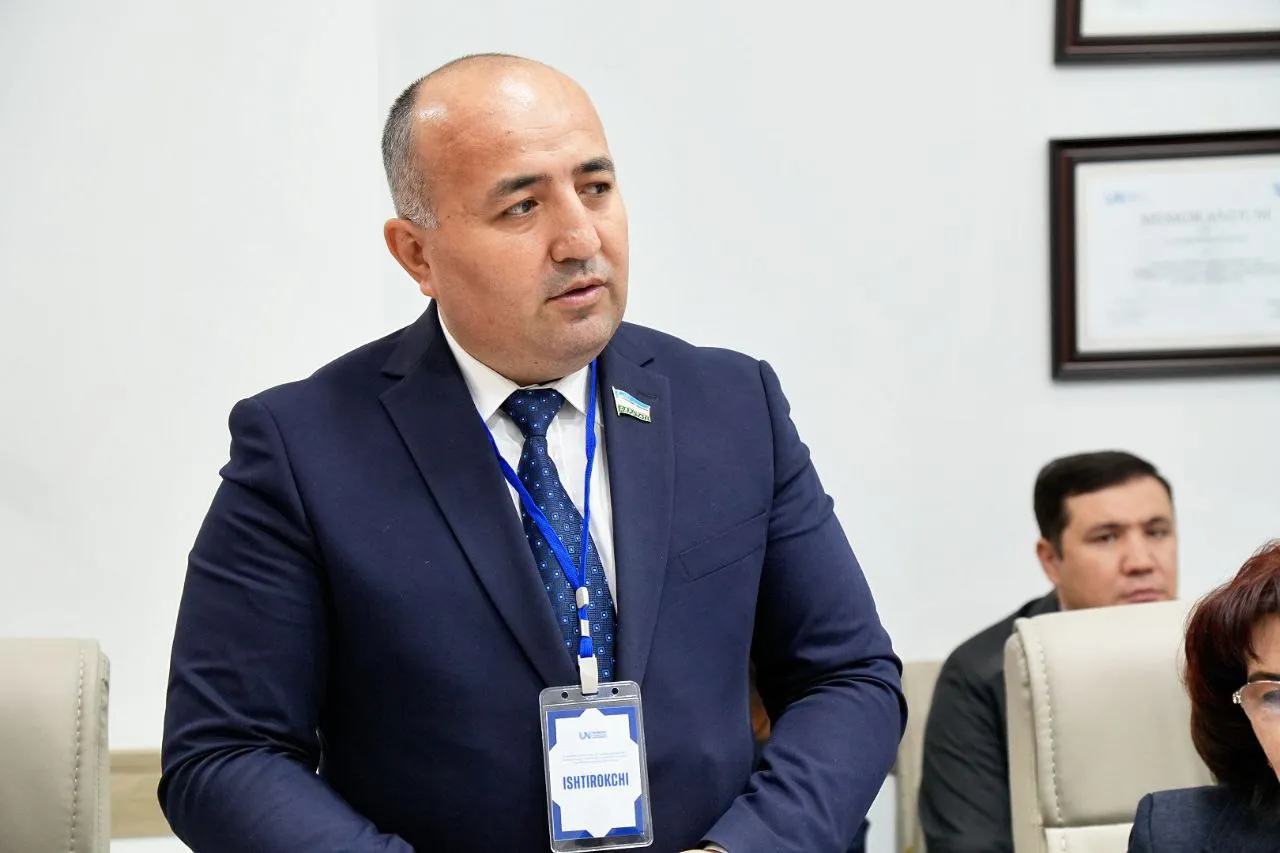
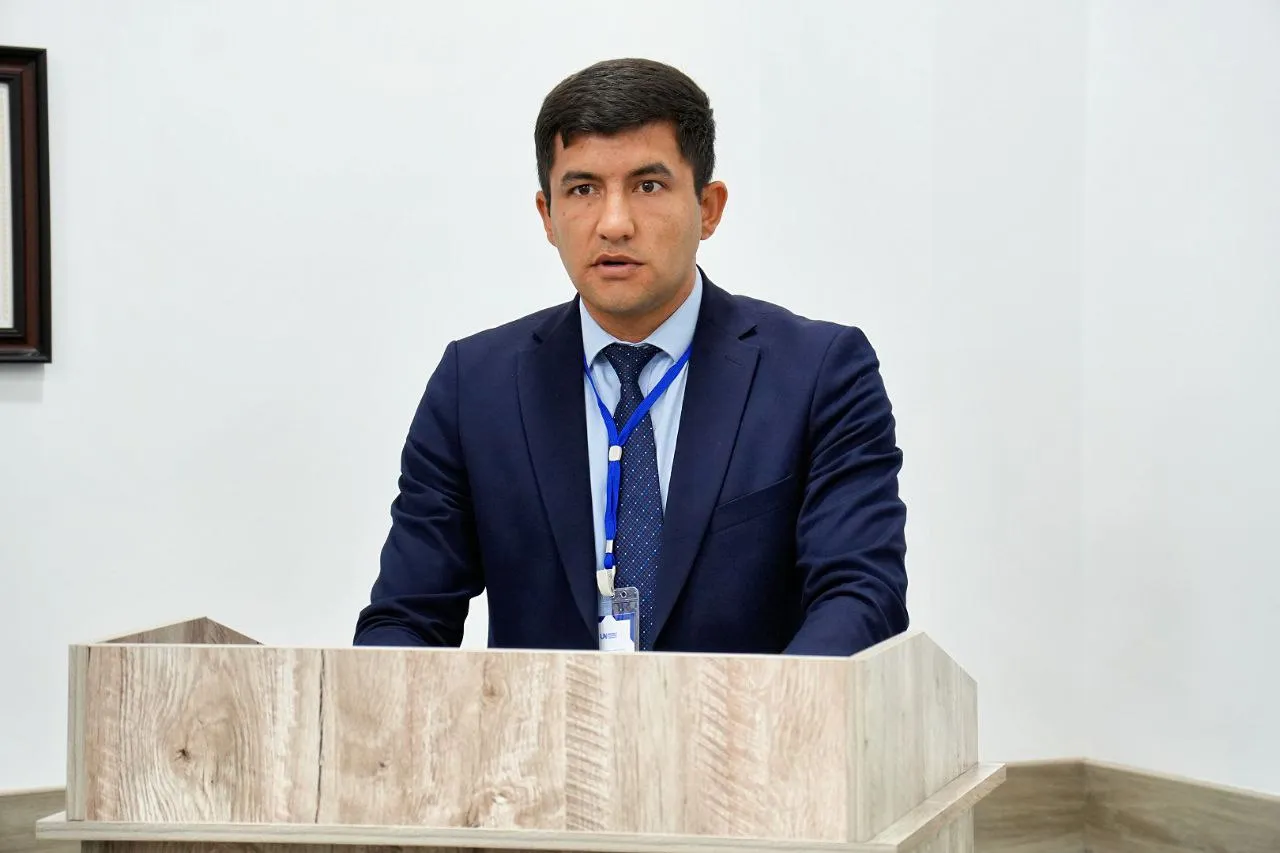
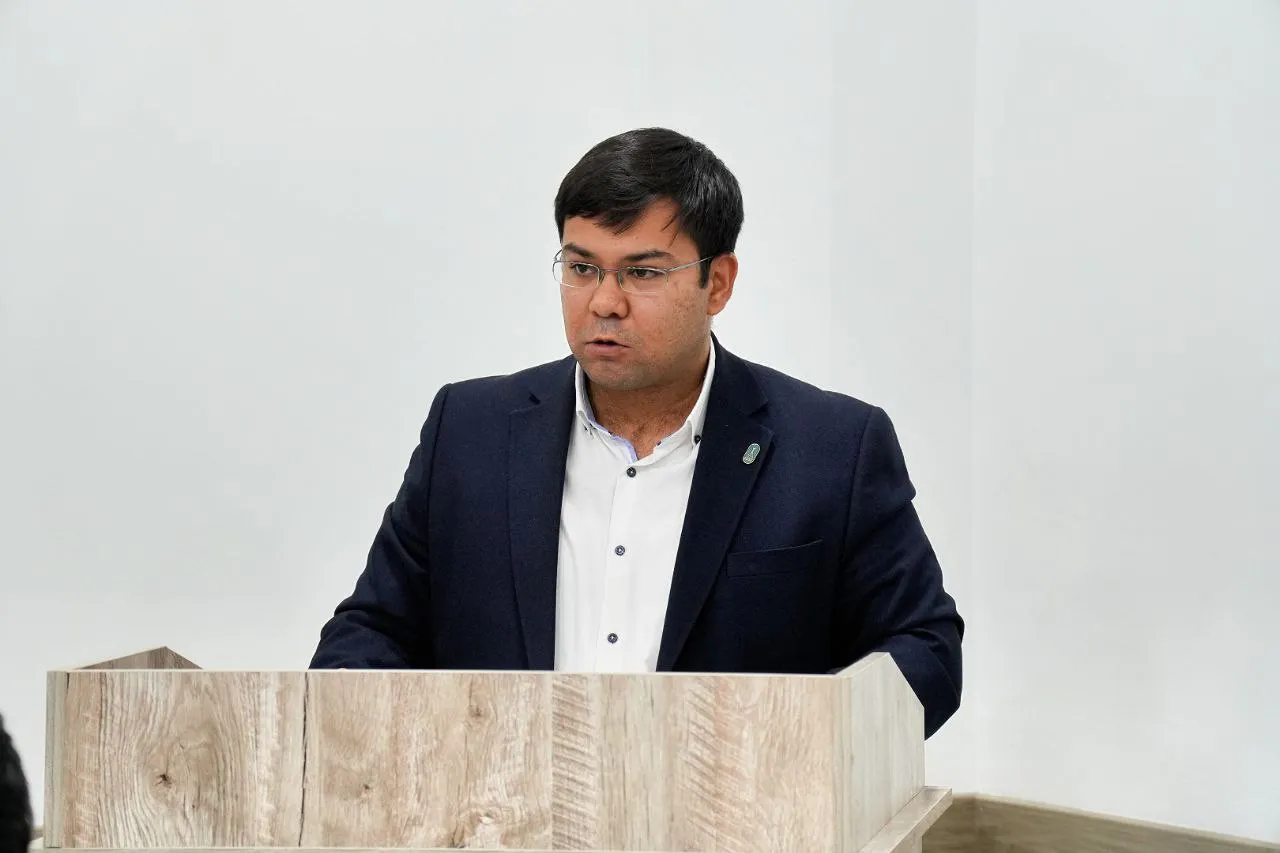
Shuningdek, anjumanda Oliy Majlis Qonunchilik palatasi deputati, Demokratik institutlar va fuqarolik jamiyatini rivojlantirish masalalari qo‘mitasi a’zosi Navruzbek Yusupov va “O‘zbekiston temir yo‘llari” AJ moliya departamenti boshlig‘i (PhD) Jasurbek Qodirov o‘z  ma’ruzalarini taqdim etdilar. Qonunchilik islohotlari, fuqarolik jamiyati institutlarini mustahkamlash va strategik vazifalarni qonuniy asosda qo‘llab-quvvatlash, atrof-muhit muhofazasi va hisob siyosatini takomillashtirish masalalaridagi ilmiy mulohazalari bilan o‘rtoqlashdilar. 


Konferensiyada turli sohalar yetakchi ekspertlari O‘zbekiston–2030 strategiyasida belgilangan vazifalar bo‘yicha chuqur tahliliy ma’ruzalar taqdim etdilar. Xususan, ekologik barqarorlik va yashil taraqqiyot – atrof-muhitni muhofaza qilish, resurslardan oqilona foydalanish va ekologik xavfsizlik bo‘yicha strategiyaning ustuvor yo‘nalishlari yoritildi. Davlat-xususiy sherikchiligining yangi modeli bo‘yicha amaliy takliflar taqdim qilindi. Oziq-ovqat xavfsizligi, xalqaro standartlarga mos, barqaror ishlab chiqarish va ta’minot tizimini shakllantirish bo‘yicha ilmiy xulosalar berildi.


Shuningdek, tashqi siyosat samaradorligi mintaqaviy hamkorlik, investitsion diplomatiya va global maydondagi faol tashqi siyosat natijalari keng muhokama qilindi. Yashil iqtisodiyotga o‘tish, iqtisodiy o‘sishning ekologik xavfsiz modelini shakllantirish bo‘yicha dolzarb ilmiy tahlillar taqdim etildi. Ma’ruzachilar davlat boshqaruvini raqamlashtirishda kosmik ma’lumotlarning qo‘llanilishi va uning istiqbollari xususida ham ilmiy izlanishlari samaralari bilan bo‘lishdilar.


Konferensiyaning shoʻba yig‘ilishlari qizg‘in davom etdi. Iqtisodiy barqarorlik va ijtimoiy-huquqiy o‘zgarishlar, milliy iqtisodiyotni modernizatsiya qilish va xalqaro integratsiya, yoshlar siyosati, ma’naviyat va madaniy meros, ekologik barqaror taraqqiyot, raqamli transformatsiya va ilg‘or boshqaruv tizimlari yo‘nalishlarida ilmiy ma’ruzalar tinglandi. Islohotlarning jamiyatga ta’siri, mavjud muammolar, ularning sabablari hamda innovatsion yechimlar yuzasidan fikr almashildi. Tadqiqotchilar va amaliyotchi mutaxassislar tomonidan bir qator amaliy takliflar ilgari surildi.


Tadbir yakunida sho‘ba yig‘ilishlarining asosiy xulosalari umumlashtirildi va O‘zbekiston–2030 strategiyasini ilmiy asosda qo‘llab-quvvatlash bo‘yicha kelgusi rejalar, vazifalar belgilab olindi. 


Konferensiyaga jami 130 dan ortiq tezis va maqolalar kelib tushdi. 16 ta eng sara maqola Nordik elektron jurnalining maxsus soniga qabul qilindi, 100 ga yaqin maqola va tezis esa ASR platformasi va konferensiya to‘plamida chop etildi.
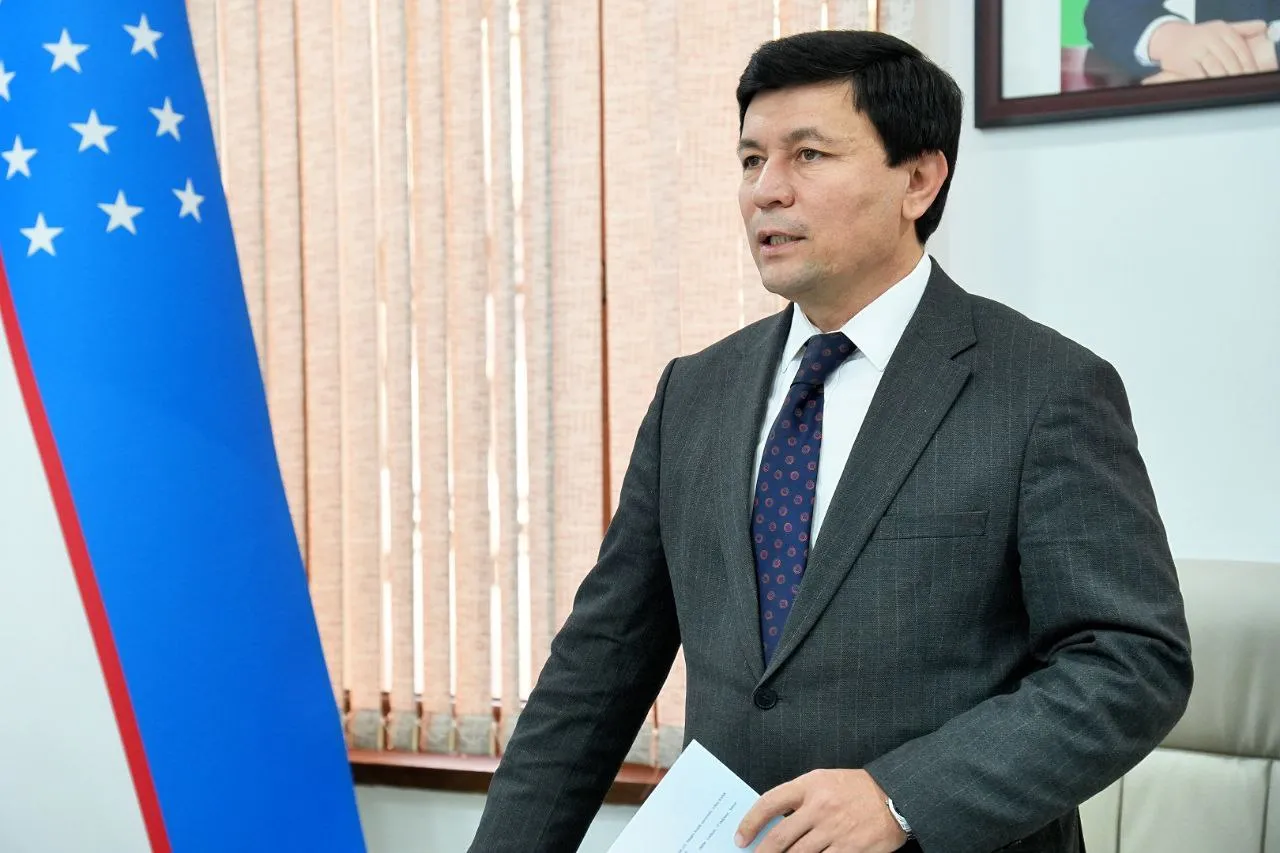
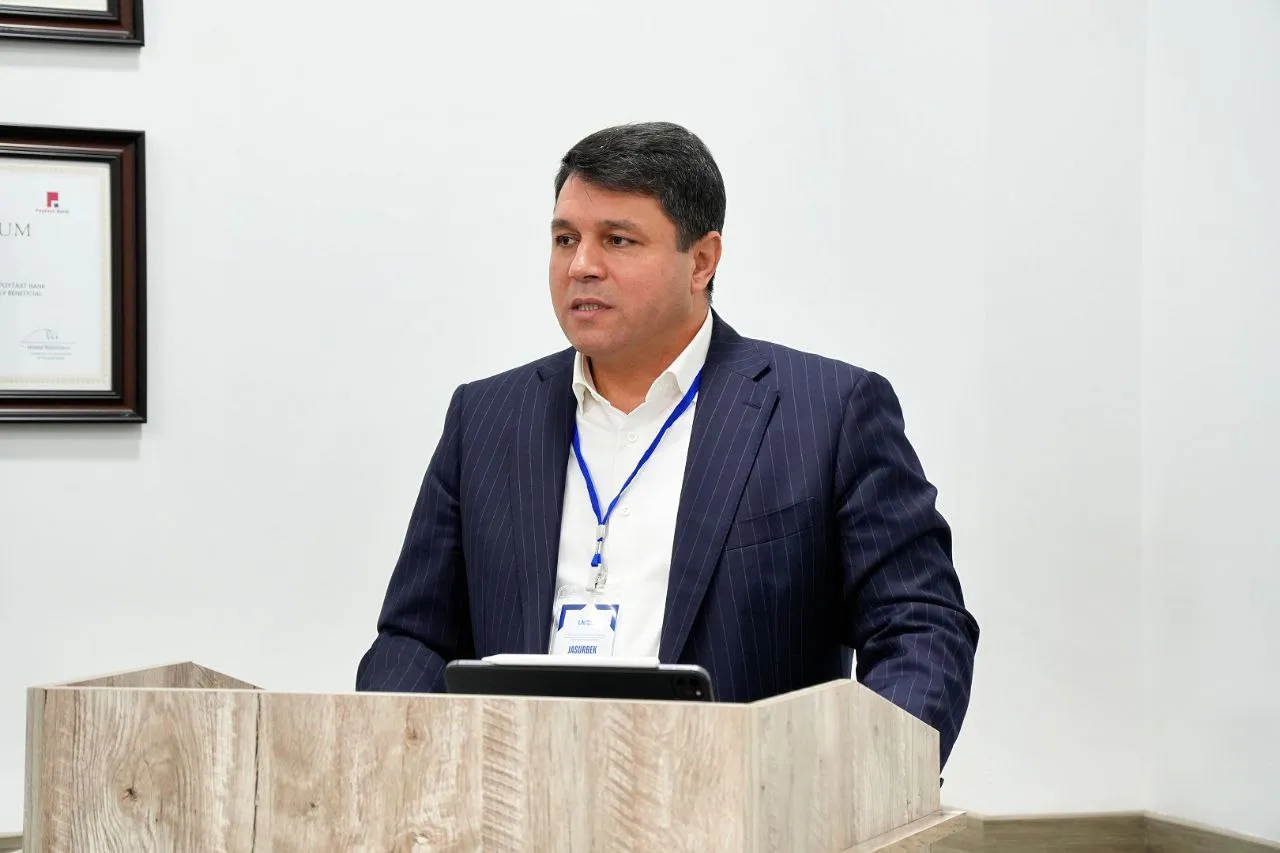
photo-2025-11-19-14-18-56
Preview
photo-2025-11-19-14-18-57-2
Preview
photo-2025-11-19-14-18-57-3
Preview
photo-2025-11-19-14-18-57
Preview
photo-2025-11-19-14-18-58
Preview
photo-2025-11-19-14-18-59
Preview
photo-2025-11-19-14-19-00
Preview
photo-2025-11-19-14-19-01
Preview
photo-2025-11-19-14-19-05
Preview
Print

Latest news

The Legacy of Amir Temur in the Minds of Youth

The Legacy of Amir Temur in the Minds of Youth

During the roundtable discussion, renowned Temur studies scholar, Candidate of Historical Sciences, and Professor Akbar Zamonov delivered an in-depth and analytical presentation. He elaborated on the personality of Amir Temur, his unique approaches to state governance, and the enduring relevance of his historical legacy in the modern world.


The primary objective of the event was to strengthen a sense of historical awareness and national pride among young people, while fostering key qualities such as strategic thinking, leadership, and responsibility through the example of Amir Temur.


The meeting featured an analytical lecture followed by an interactive Q&A session and open dialogue with students. This engagement not only enriched participants’ historical knowledge but also encouraged independent and critical thinking.


Students from the university’s History and Journalism programs actively participated in the roundtable discussion.

International Dialogue: Integrating Analysis and Education

International Dialogue: Integrating Analysis and Education

During the visit, a substantive exchange of ideas took place with the esteemed guest — an international expert possessing extensive experience in journalism and educational management. The discussions focused on key global education trends, contemporary governance approaches, and emerging models of academic development, while also outlining prospective avenues for collaboration.


Particular attention was given to launching joint initiatives, including the organization of international conferences, the development of sustainable solutions, and the creation of evidence-based practical frameworks. The dialogue also emphasized knowledge exchange and the establishment of new academic platforms for students and researchers.


As a result of the meeting, mutual understandings were reached on expanding international scientific and analytical platforms, paving the way for deeper institutional cooperation.

Partnership with ETS: Advancing International Certification and Academic Mobility

Partnership with ETS: Advancing International Certification and Academic Mobility

The delegation was led by Anna Gutkowska-Zając, Regional Director for Eurasia and Central Asia at Educational Testing Service (ETS).


During the visit, both parties engaged in comprehensive discussions focused on enhancing the quality of education. Key areas of cooperation included professional development for faculty, the organization of joint training sessions, seminars, and webinars based on ETS-certified modern content, and the implementation of advanced methodologies in English language teaching.


Particular emphasis was placed on effective preparation for the TOEFL iBT examination, improving assessment literacy among students and educators, and fostering a systematic approach to international certification. In addition, both sides explored opportunities to establish a solid foundation for global academic mobility.


As a significant outcome of the visit, a Memorandum of Understanding (MoU) was signed between the two institutions. The document outlines clear strategic priorities aimed at improving educational quality, expanding the adoption of innovative approaches, and strengthening international integration.


This partnership is expected to further reinforce long-term collaboration between the International Nordic University and ETS, contributing to sustainable development in education and broader global engagement.

Point of View: A Powerful Force Showcasing National Prestige

Point of View: A Powerful Force Showcasing National Prestige

In an article published in the Xalq so‘zi newspaper and authored by the Rector of the International Nordic University, Sherzod Mustafakulov, the key priorities emphasized during the meeting are thoroughly analyzed, alongside a number of forward-looking approaches and proposals aimed at building an effective system.


As highlighted in the article, a continuous vertical integration model — “school–federation–university” — ensures the consistent development of talented youth, while individualized development programs remain crucial for each athlete. Particular attention is also given to advancing the sports economy, establishing clubs and academies, ensuring digital transparency, and strengthening the integration of science and sports. Sport, it is argued, should become one of the central pillars of the national development strategy.


To deepen the analysis, the article also examines the best international practices in promoting mass sports development.

A more comprehensive insight and extended perspectives can be found in the April 10 issue of Xalq so‘zi.

Follow the official channel on Telegram

Subscribe to our YouTube channel

Follow our page on Facebook

Connect with our LinkedIn profile