


The Law, Philology and Language Teaching, Linguistics (English), History, and Banking programmes at Nordic International University have successfully undergone a comprehensive accreditation review.
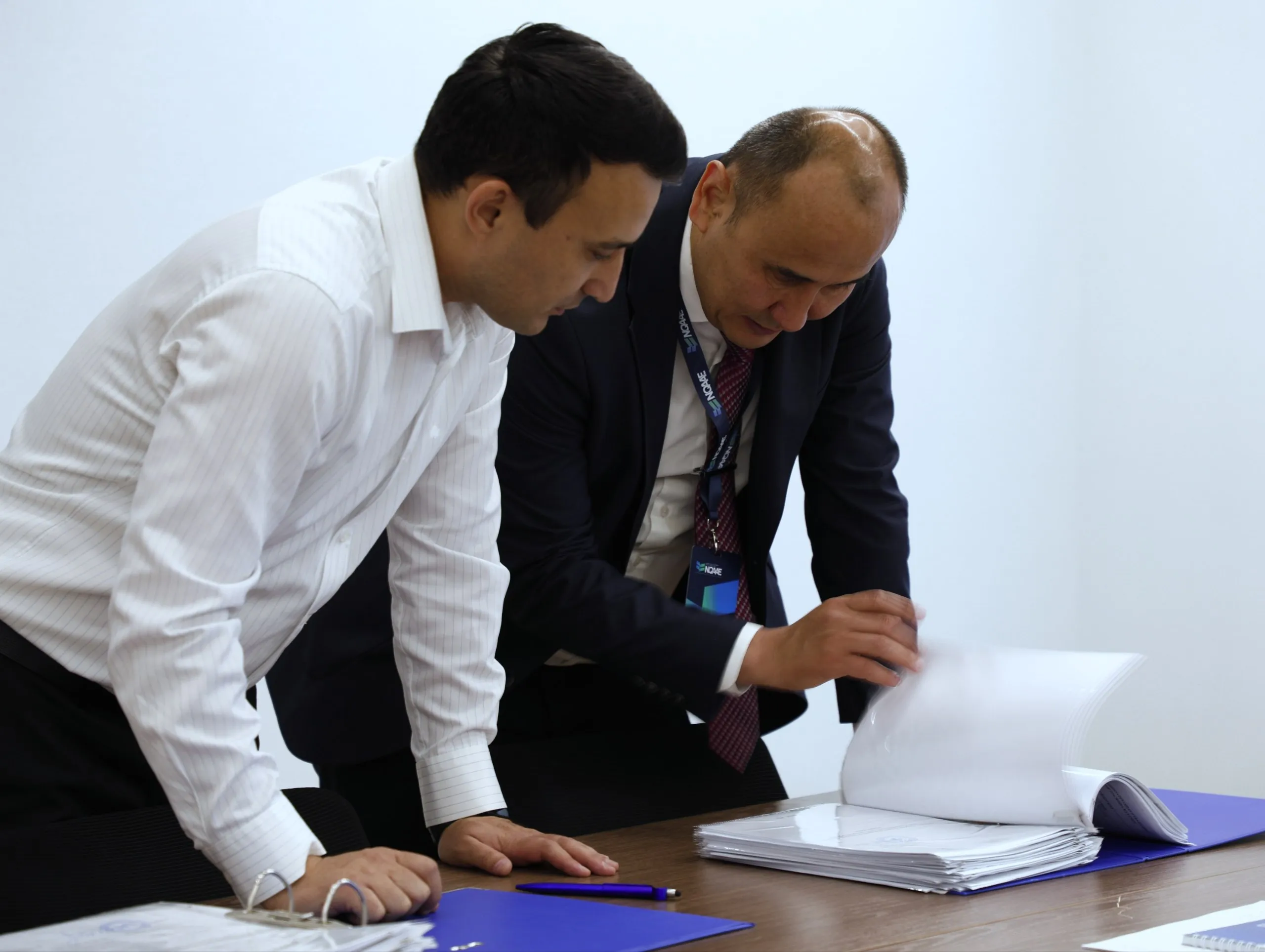
During the accreditation process conducted by the National Agency for Quality Assurance in Education, experts examined the completeness of programme documentation as well as its academic coherence, practical implementation, and overall effectiveness.
Particular attention was devoted to evaluating the alignment of the programmes with national educational requirements and internationally recognised academic standards. The review also analysed the consistency between programme objectives, intended learning outcomes, and the competencies expected to be developed throughout the educational process.
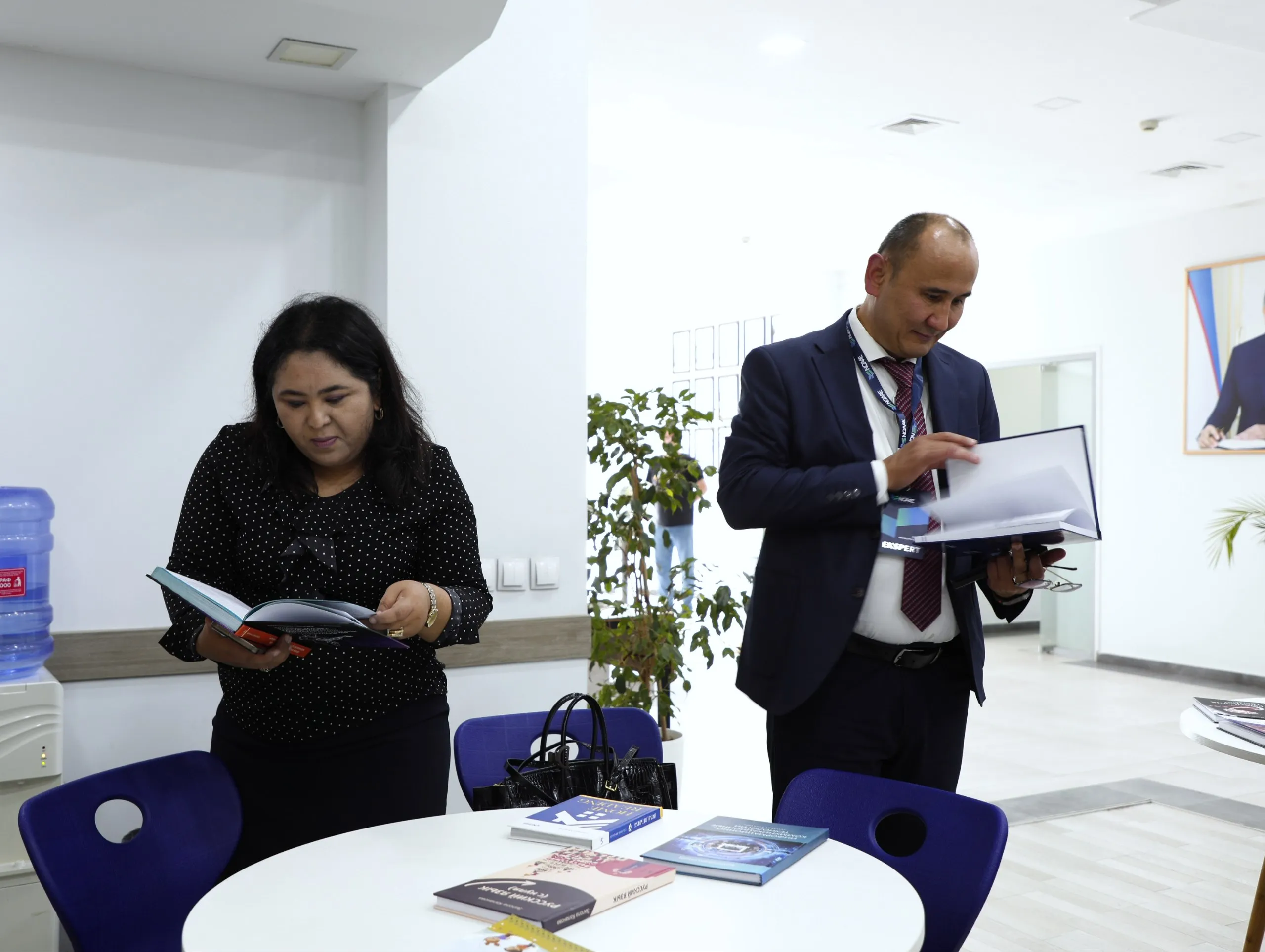
Experts assessed the availability and relevance of core and supplementary learning resources, including textbooks, teaching manuals, methodological guides, and instructional materials specified in each course syllabus. Special emphasis was placed on how every course contributes to the development of students' knowledge, practical skills, and professional competencies. Consequently, curricula and course specifications were evaluated to determine their contribution to learning outcomes, the progressive development of professional competencies, and their responsiveness to contemporary labour market demands.
The academic capacity of faculty members remains one of the key indicators of educational quality. Accordingly, the accreditation team reviewed the number of academic staff involved in programme delivery, their qualifications, disciplinary expertise, and professional competence. The expert panel recognised that Nordic International University possesses a highly qualified academic community capable of implementing its curricula in accordance with modern scientific and pedagogical standards.
The accreditation review also considered reports and recommendations from international experts, qualification requirements, departmental evaluations, an internal quality assurance framework based on the PDCA (Plan–Do–Check–Act) cycle, institutional regulations, relevant administrative orders, financial advisory reports, employer survey findings, and graduate tracer study analyses.
Through consultations with employers and other stakeholders, experts discussed the significance of introducing new academic programmes, stakeholder engagement in programme development, and the competencies expected from future graduates.
Mechanisms for the systematic collection, analysis, and monitoring of labour market trends, educational needs, and emerging research developments were likewise evaluated as essential accreditation criteria.
The review further examined institutional procedures for incorporating feedback from students, academic staff, employers, industry professionals, alumni, and parents into the continuous improvement of academic programmes.
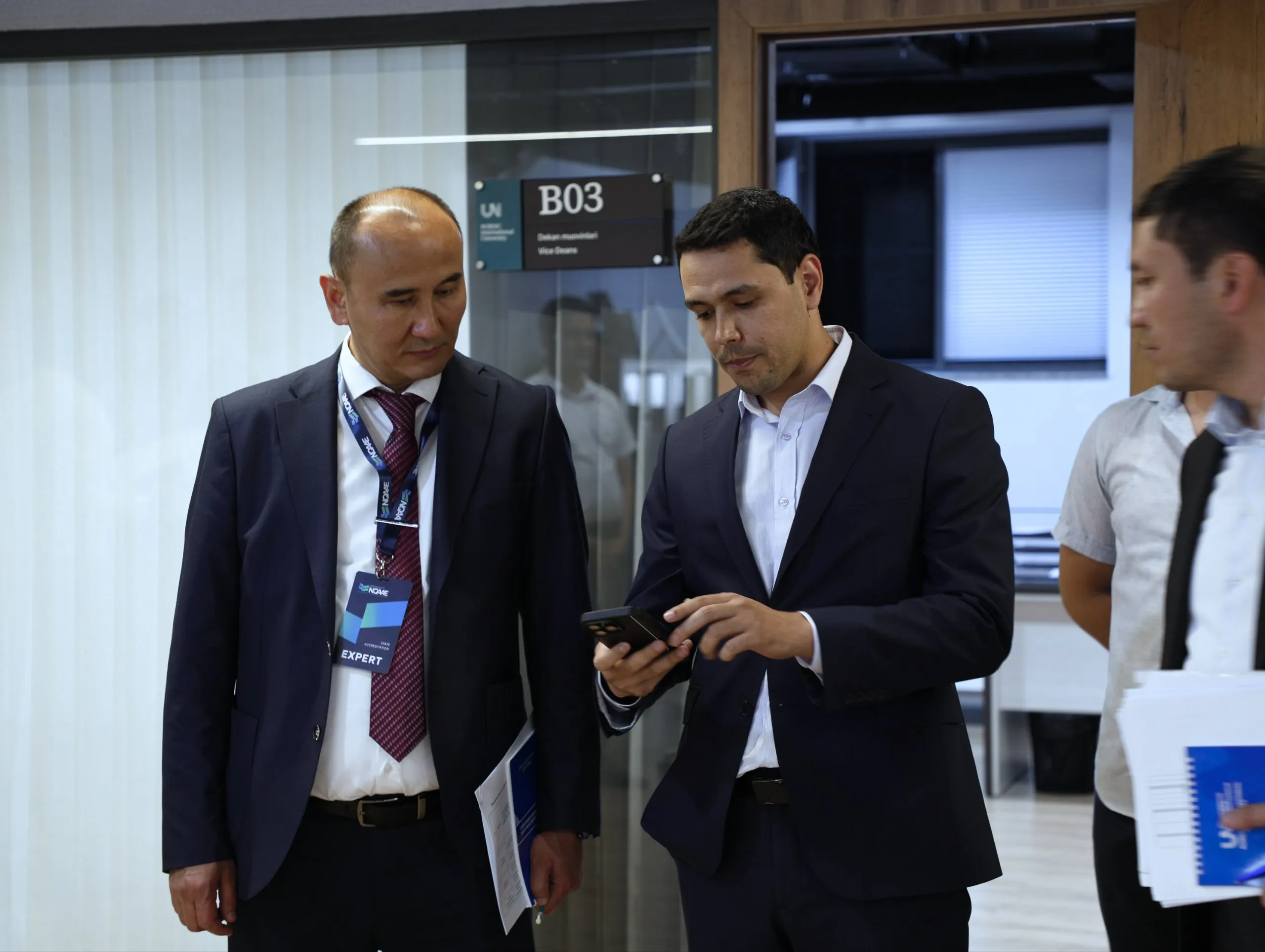
Interactive discussions and question-and-answer sessions were organised with accreditation experts across all reviewed disciplines, providing an opportunity to examine programme content and implementation mechanisms in greater depth.
Assessment policies, quality assurance procedures, evaluation mechanisms, and relevant institutional regulations were reviewed against established accreditation indicators.
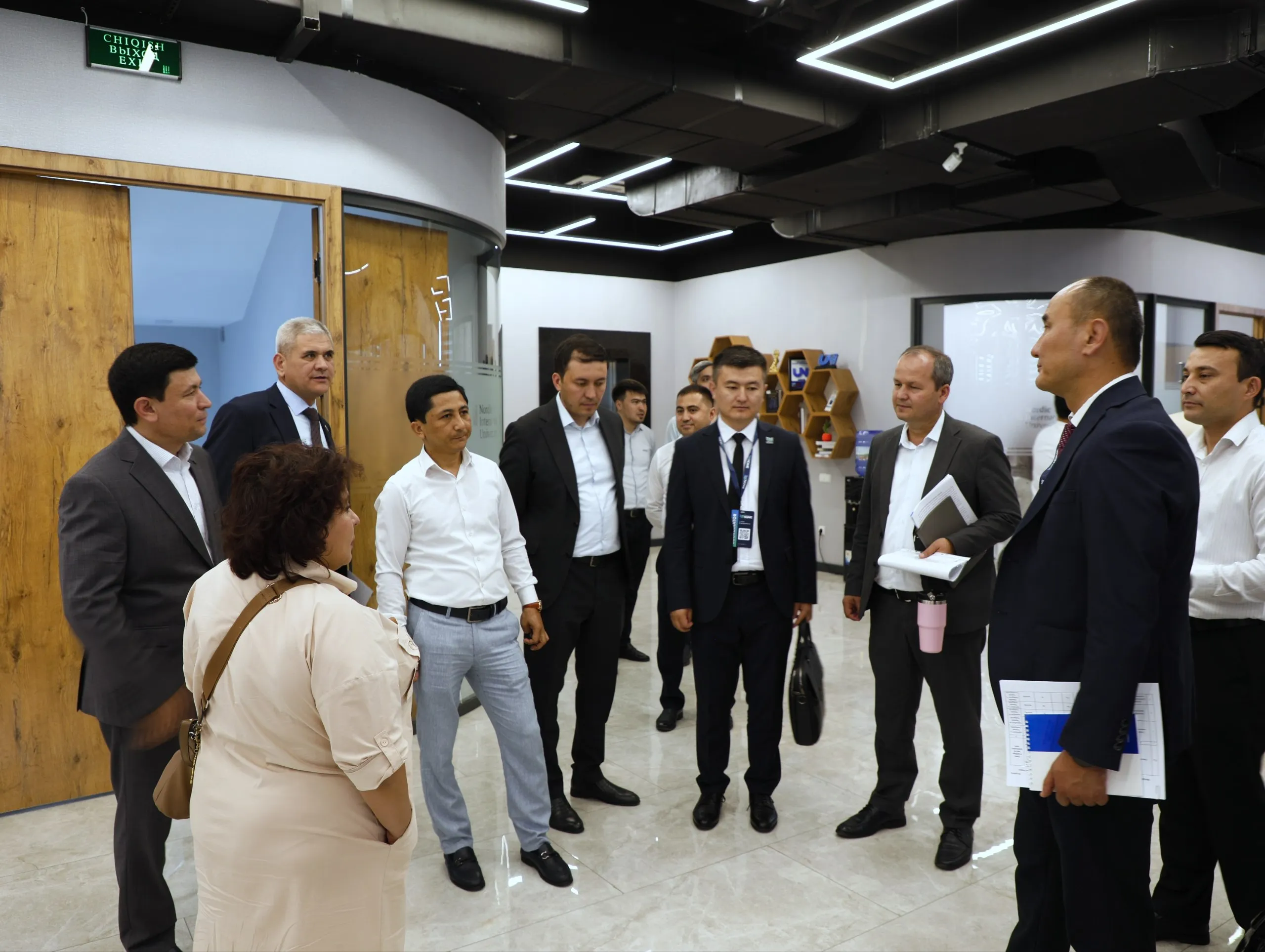
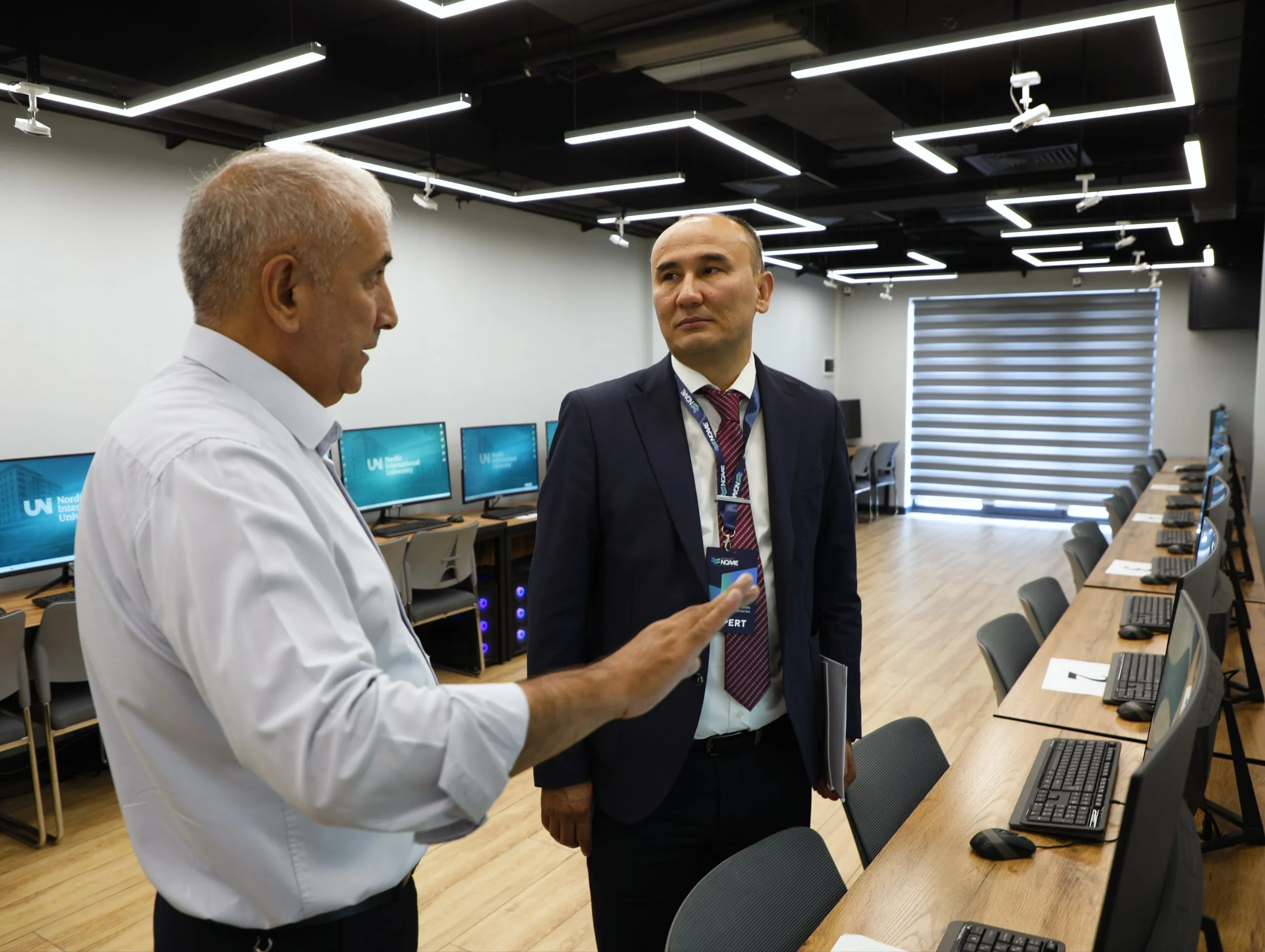
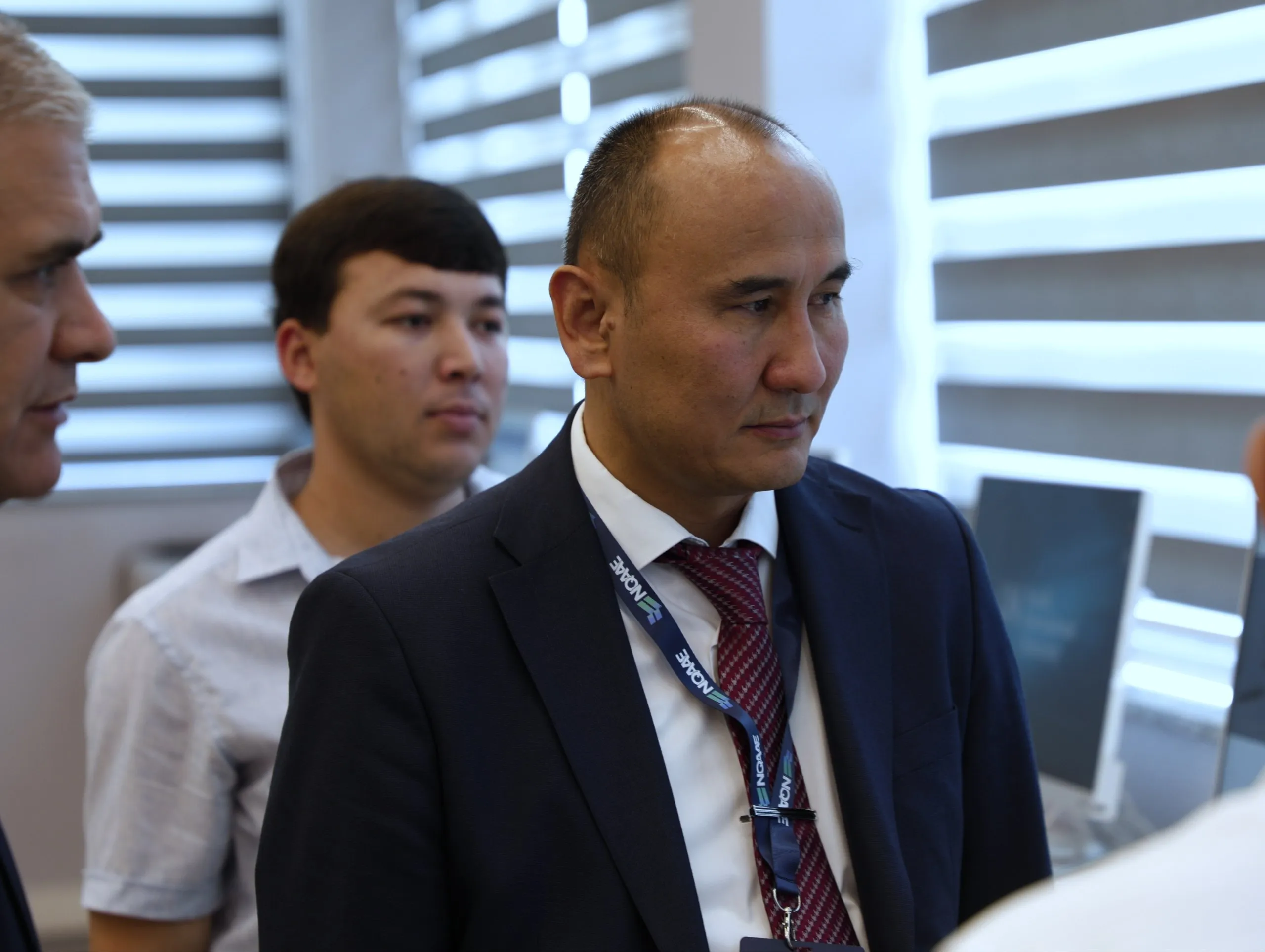
Experts also inspected classrooms, laboratories, practical training facilities, and the availability of equipment and instructional materials necessary for laboratory work and course projects to ensure compliance with programme requirements.
The adequacy of information and communication technologies, together with compliance with cybersecurity and information security standards, constituted another important area of evaluation.
Within the framework of inclusive education, experts assessed the accessibility of university buildings and learning facilities, including corridors, elevators, entrances, and sanitary facilities, to ensure they meet the needs of persons with disabilities.
The evaluation additionally covered the effectiveness of academic management information systems, including HEMIS and Learning Management Systems (LMS), the extent of digitalisation of teaching and learning materials, and the range of electronic educational services available at the university.
Overall, the accreditation process provided a comprehensive, evidence-based evaluation of the academic programmes' compliance with national and international quality standards, labour market relevance, academic content, institutional resources, and internal quality assurance mechanisms.
The expert panel acknowledged that, at Nordic International University, educational quality assurance is implemented as an integrated institutional system encompassing teaching and learning, research and academic activities, international academic mobility, employer engagement, and strategic university governance.







Follow Nordic on social media