“Navoi Scholars Forum–2026”: Navoi as a Symbol of Enlightenment, Knowledge, and Human Perfection

“Navoi Scholars Forum–2026”: Navoi as a Symbol of Enlightenment, Knowledge, and Human Perfection

February 09 , 2026

|

1201

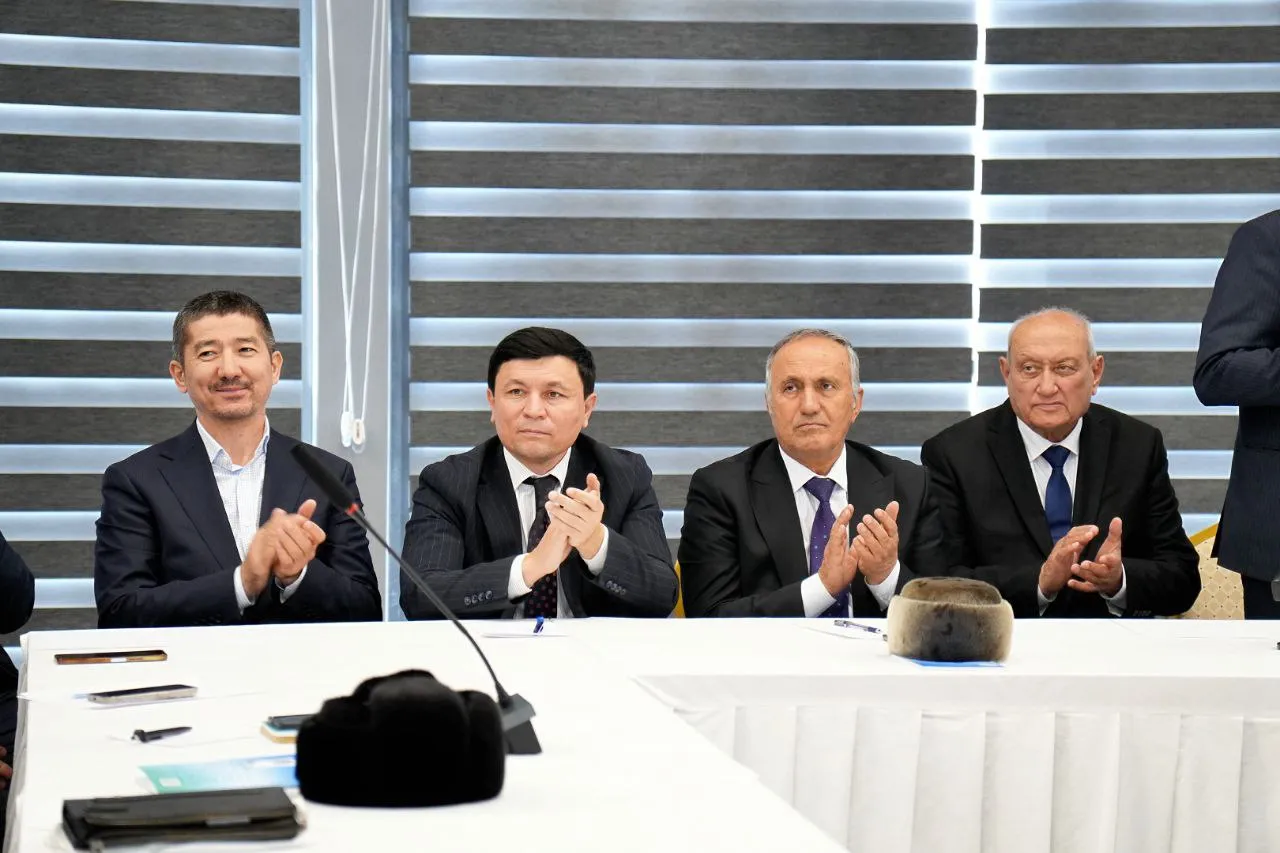
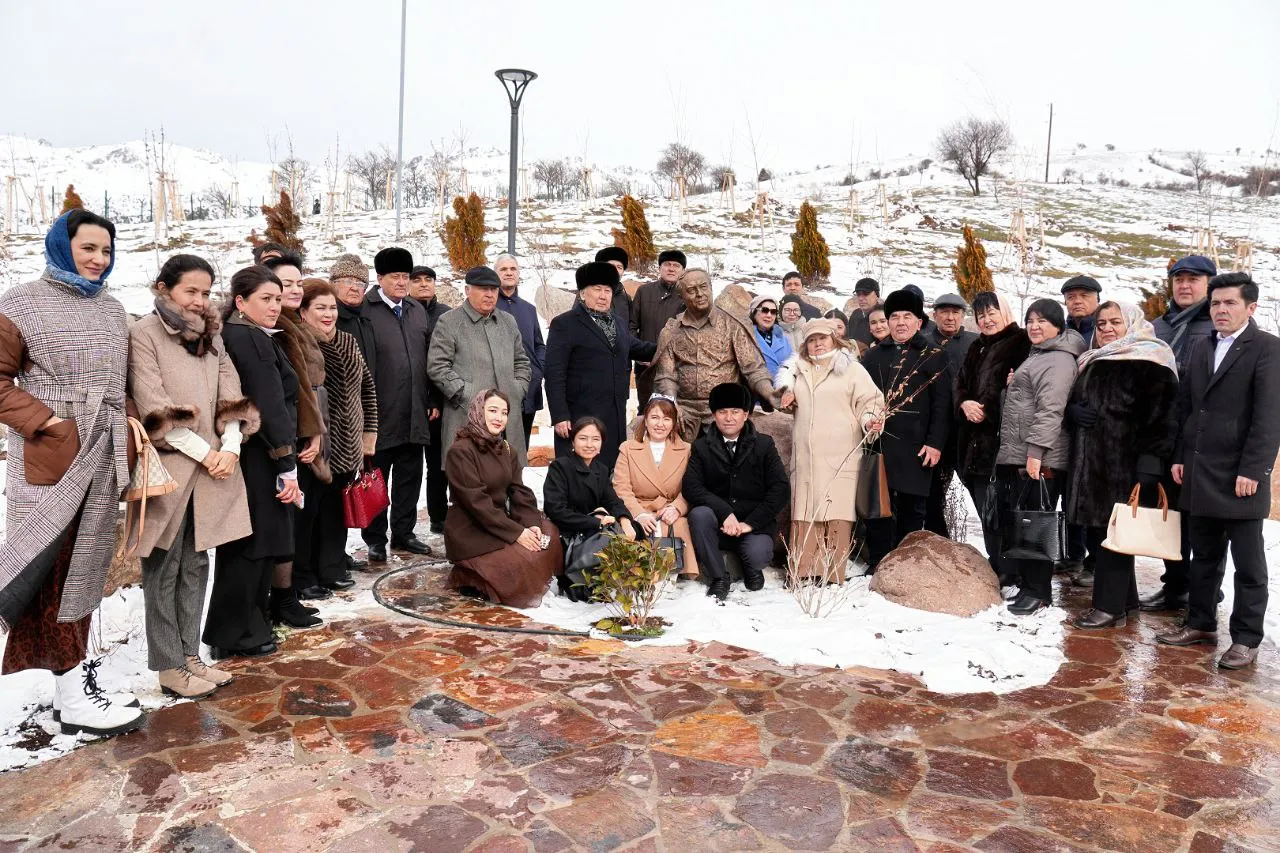
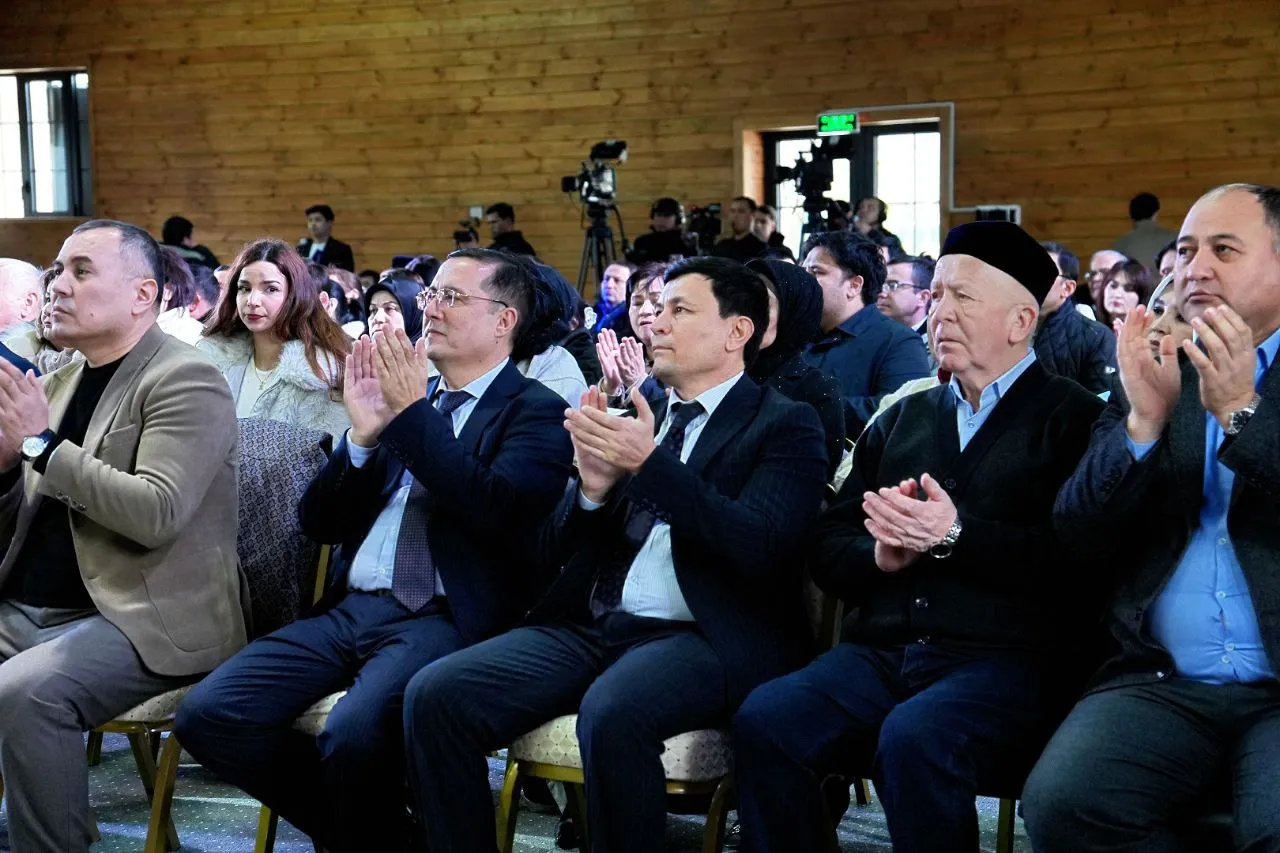
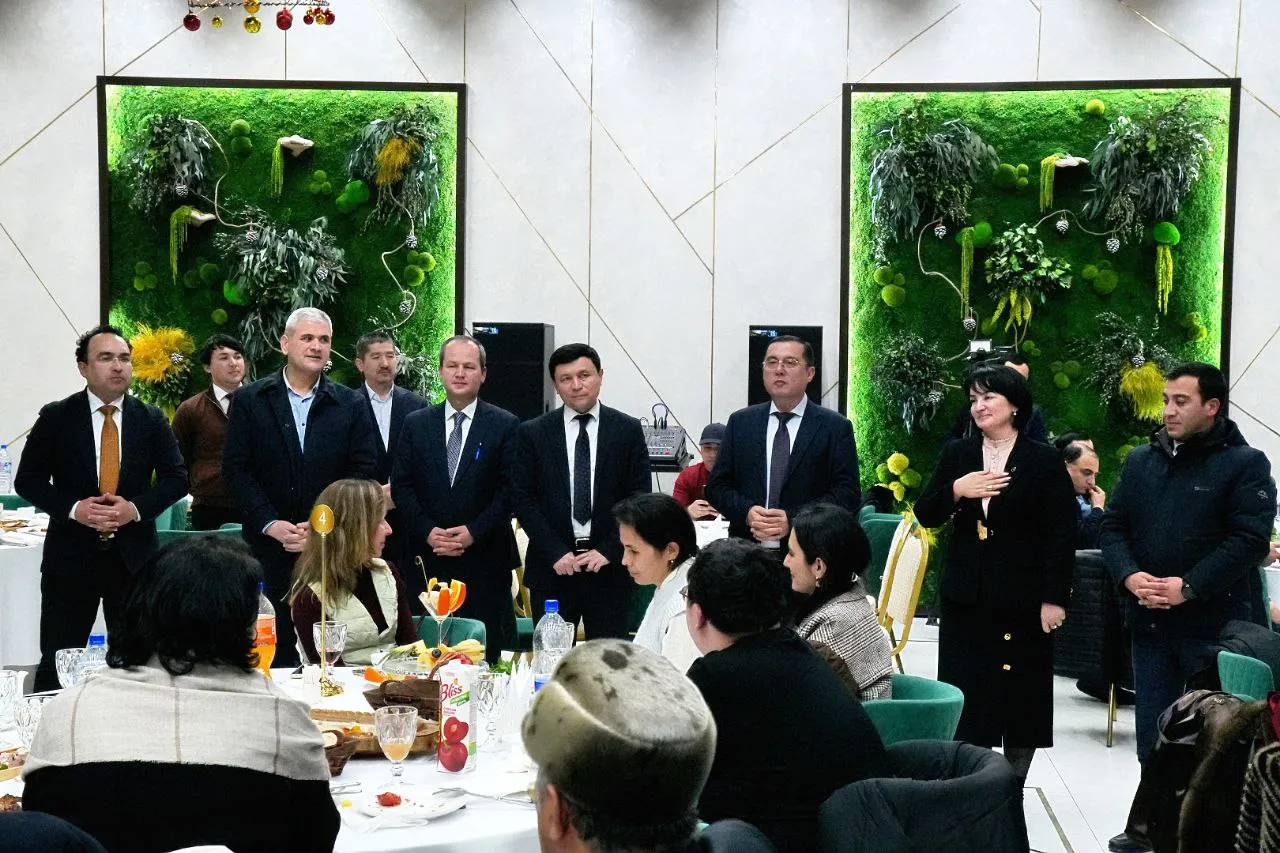
On February 8, the picturesque Green Hills Resort in the Tashkent region once again became a center of spirituality and intellectual reflection.

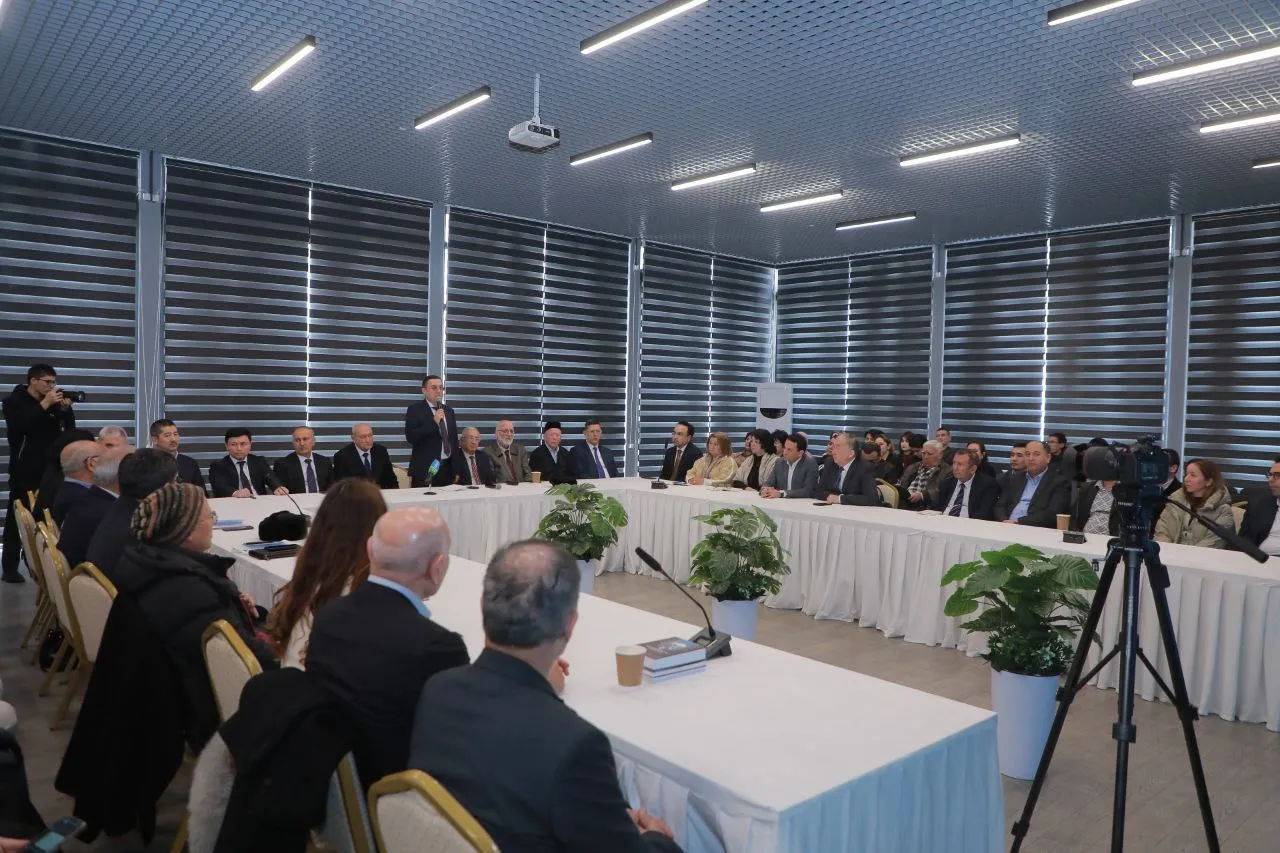
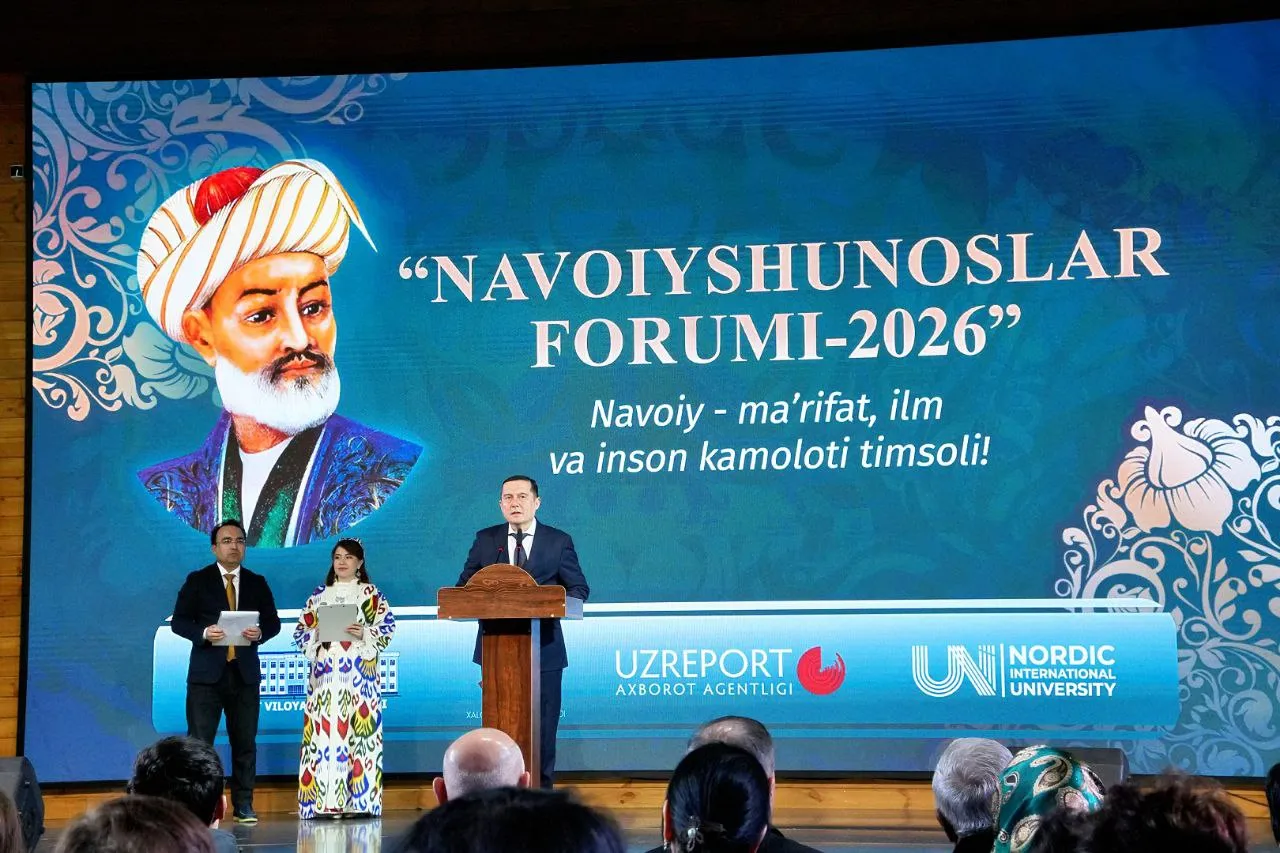
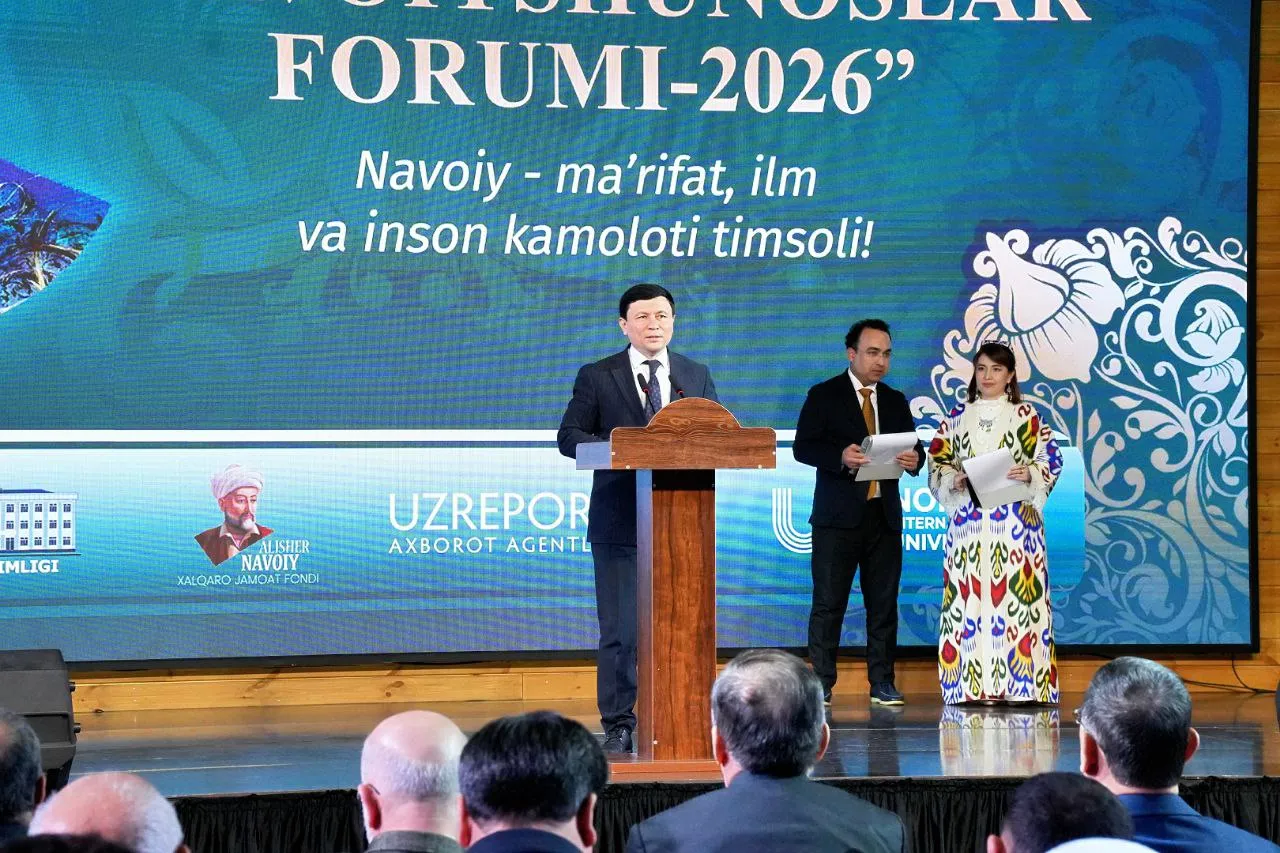
On the occasion of the 585th anniversary of the birth of the great thinker and “Sultan of the realm of words,” Alisher Navoi, the international “Navoi Scholars Forum” was held at a high organizational level.


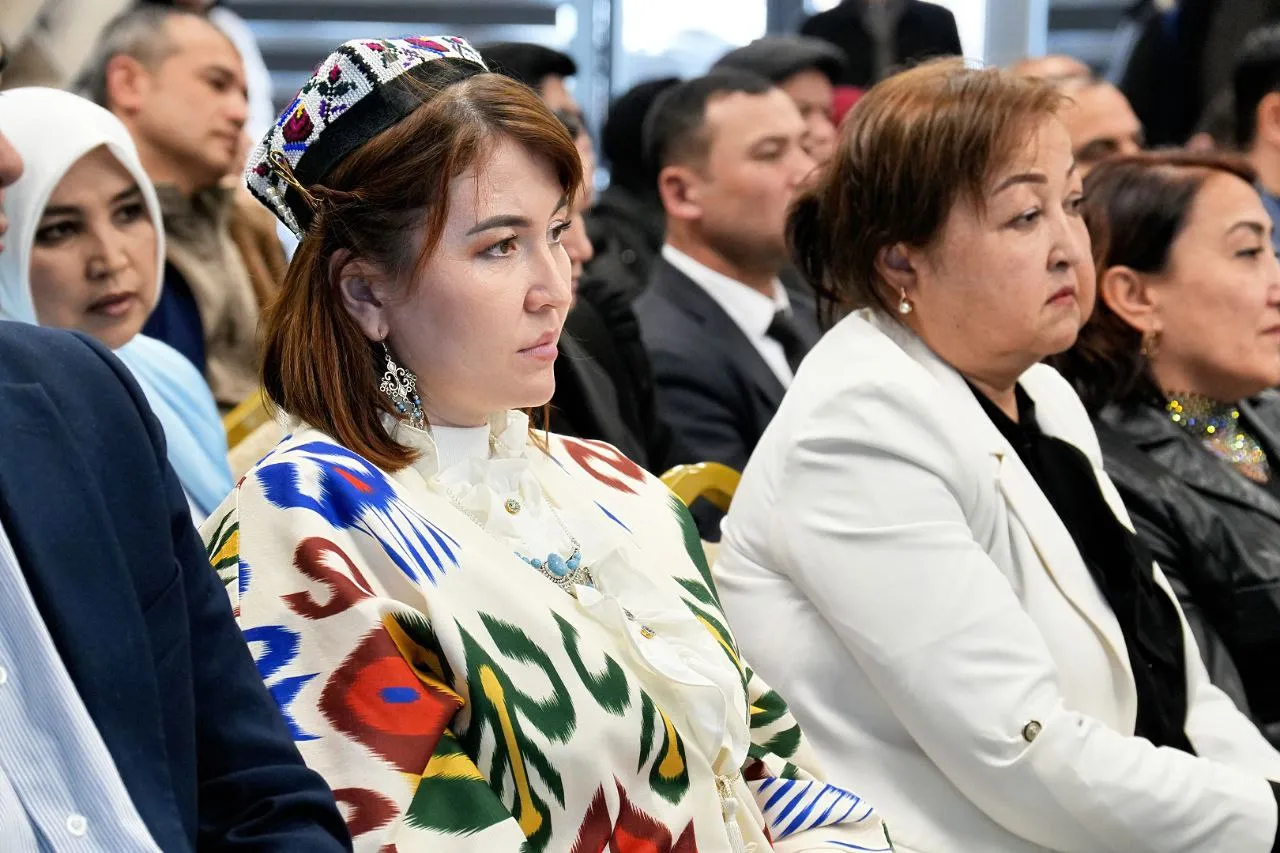
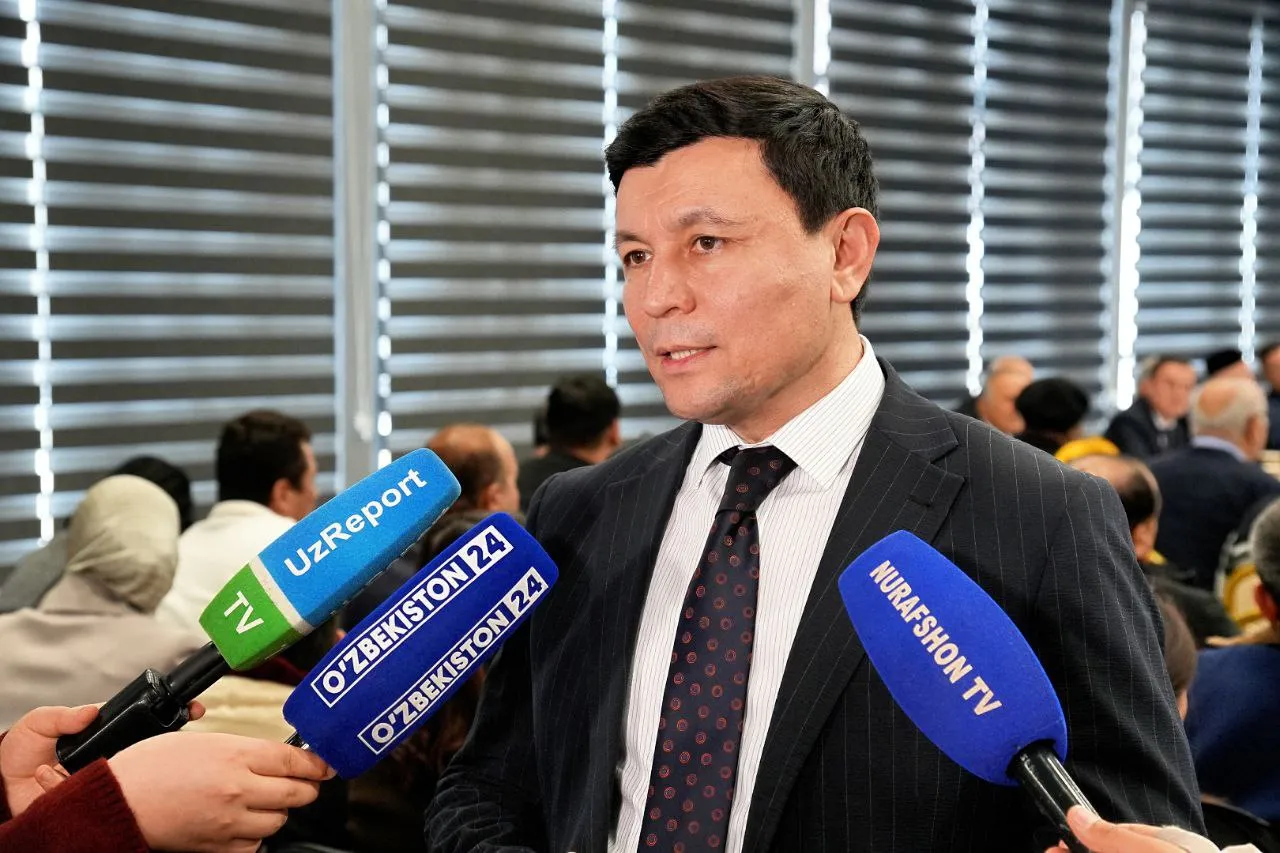
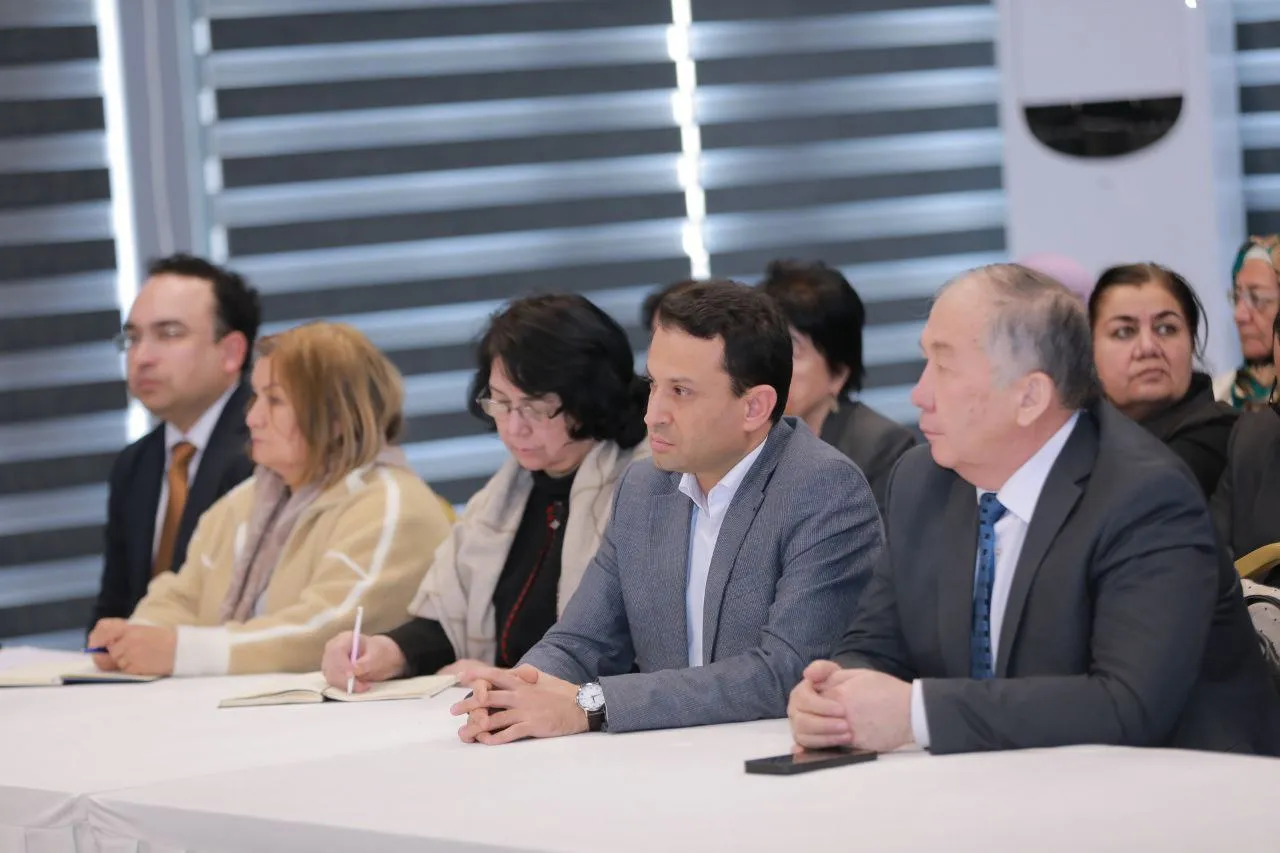
Initiated by Nordic International University and UzReport TV, and organized in cooperation with the Tashkent Regional Administration and the Alisher Navoi International Public Foundation, this prestigious forum brought together scholars, literary critics, Navoi specialists, professors, teachers, students, and cultural figures around a shared goal: to deeply understand and promote the rich legacy of Alisher Navoi.


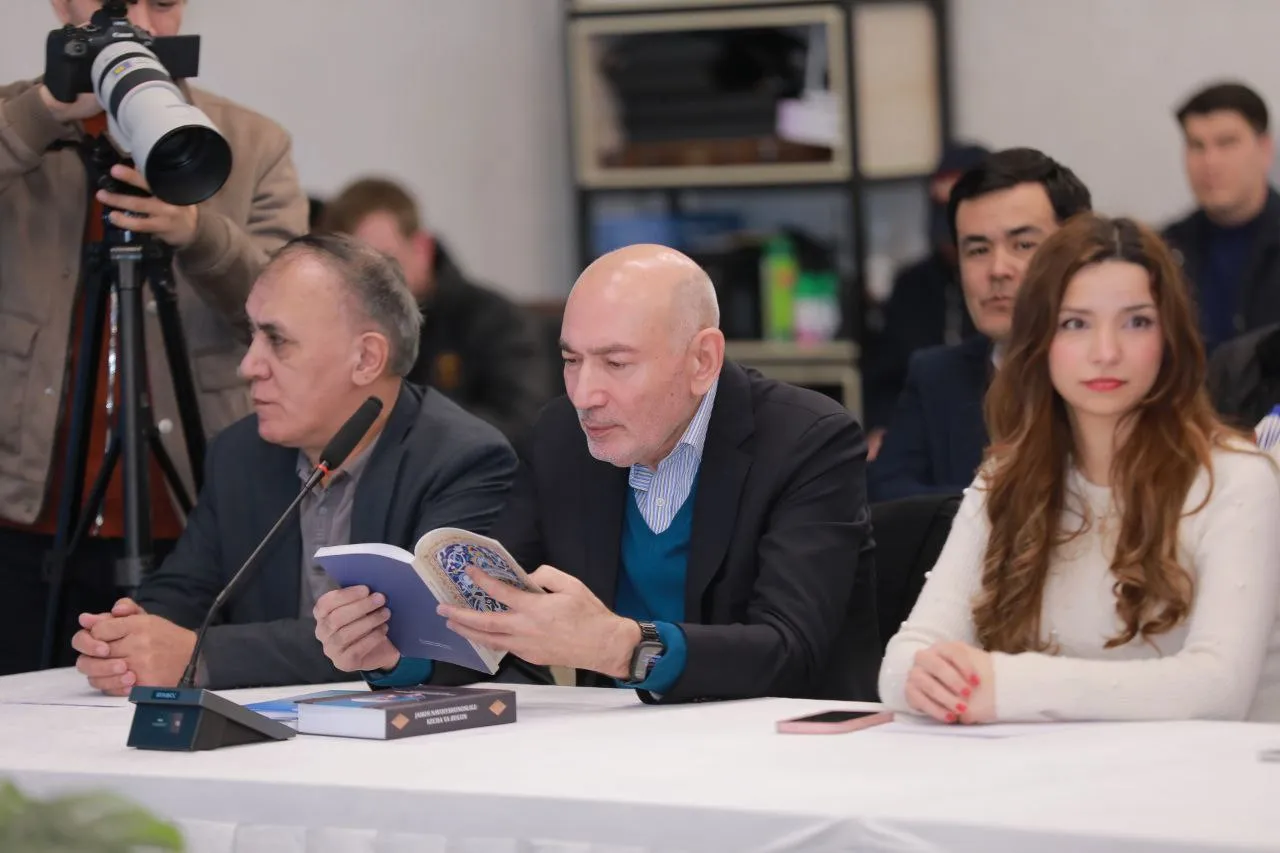
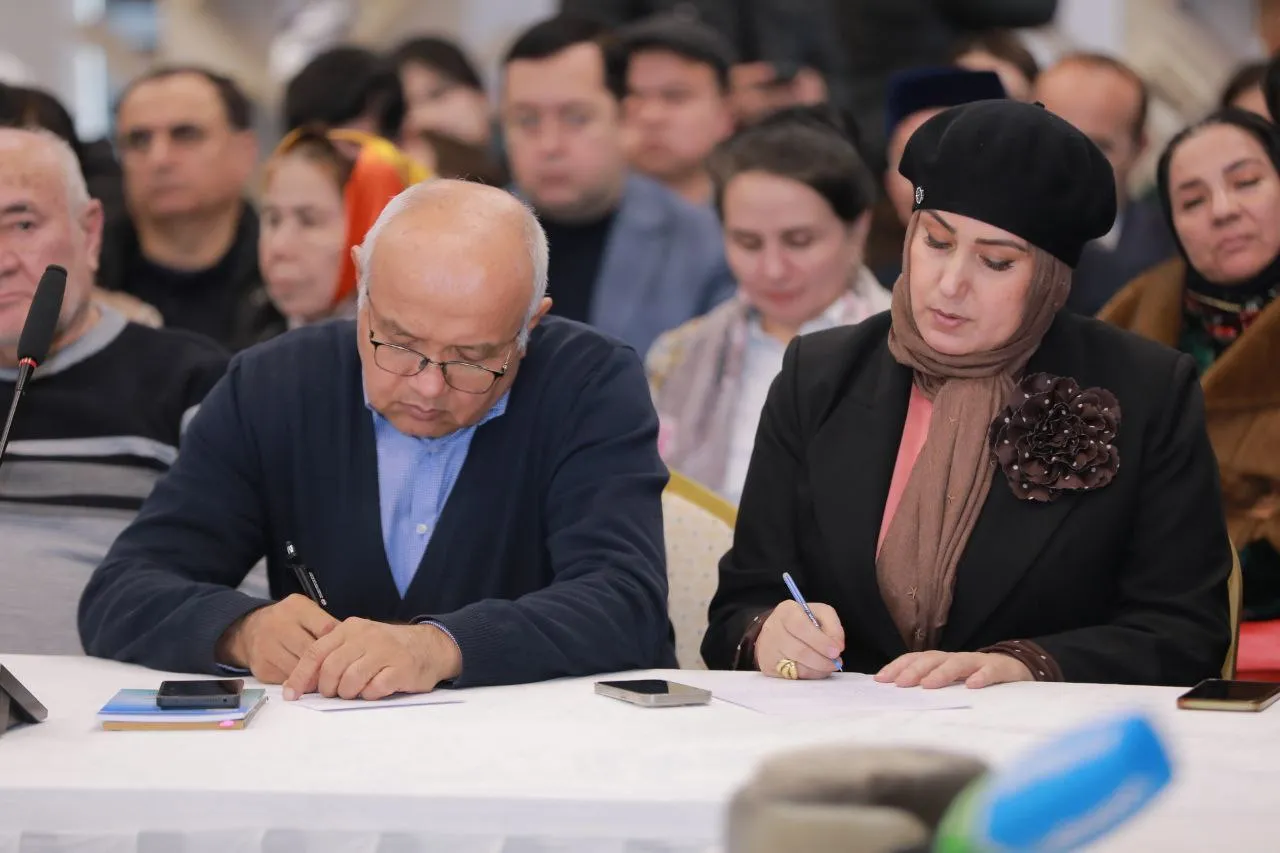
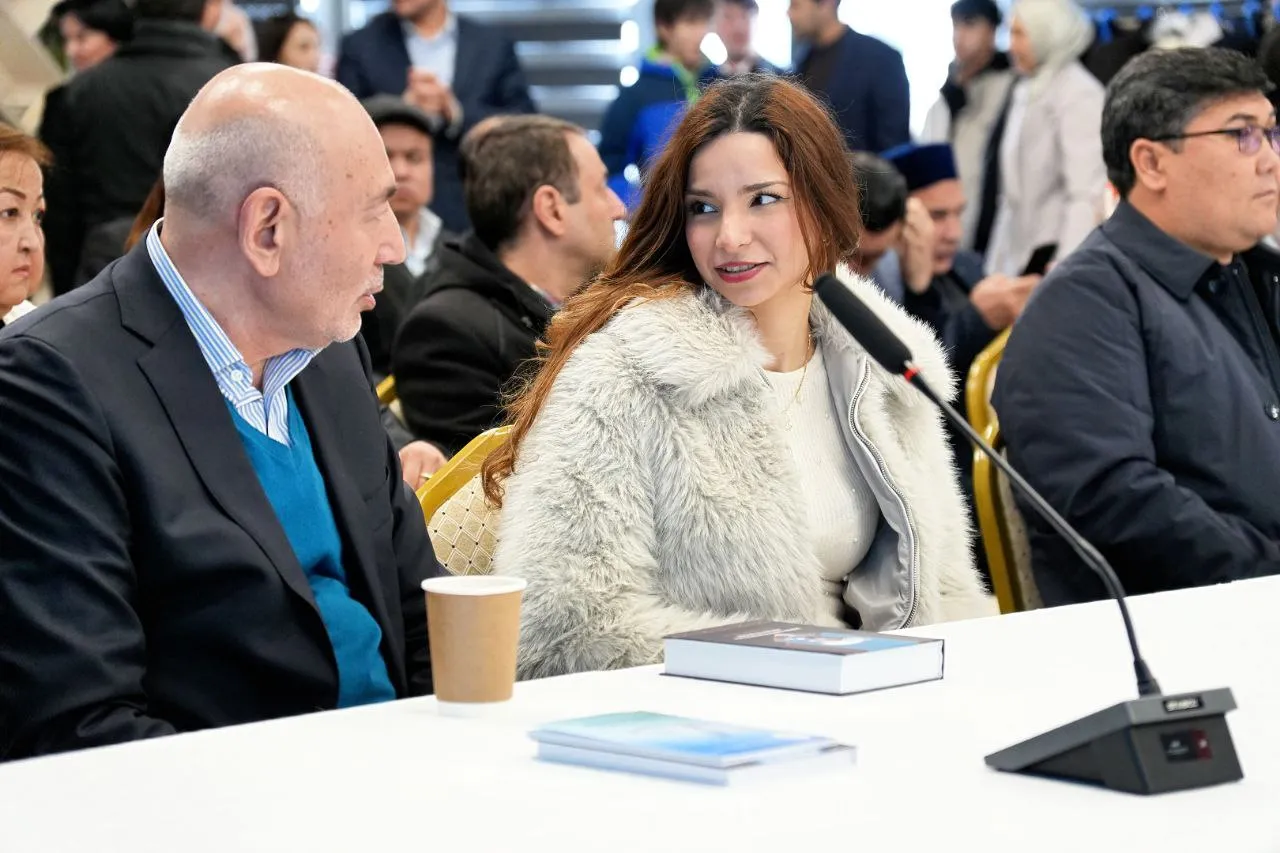
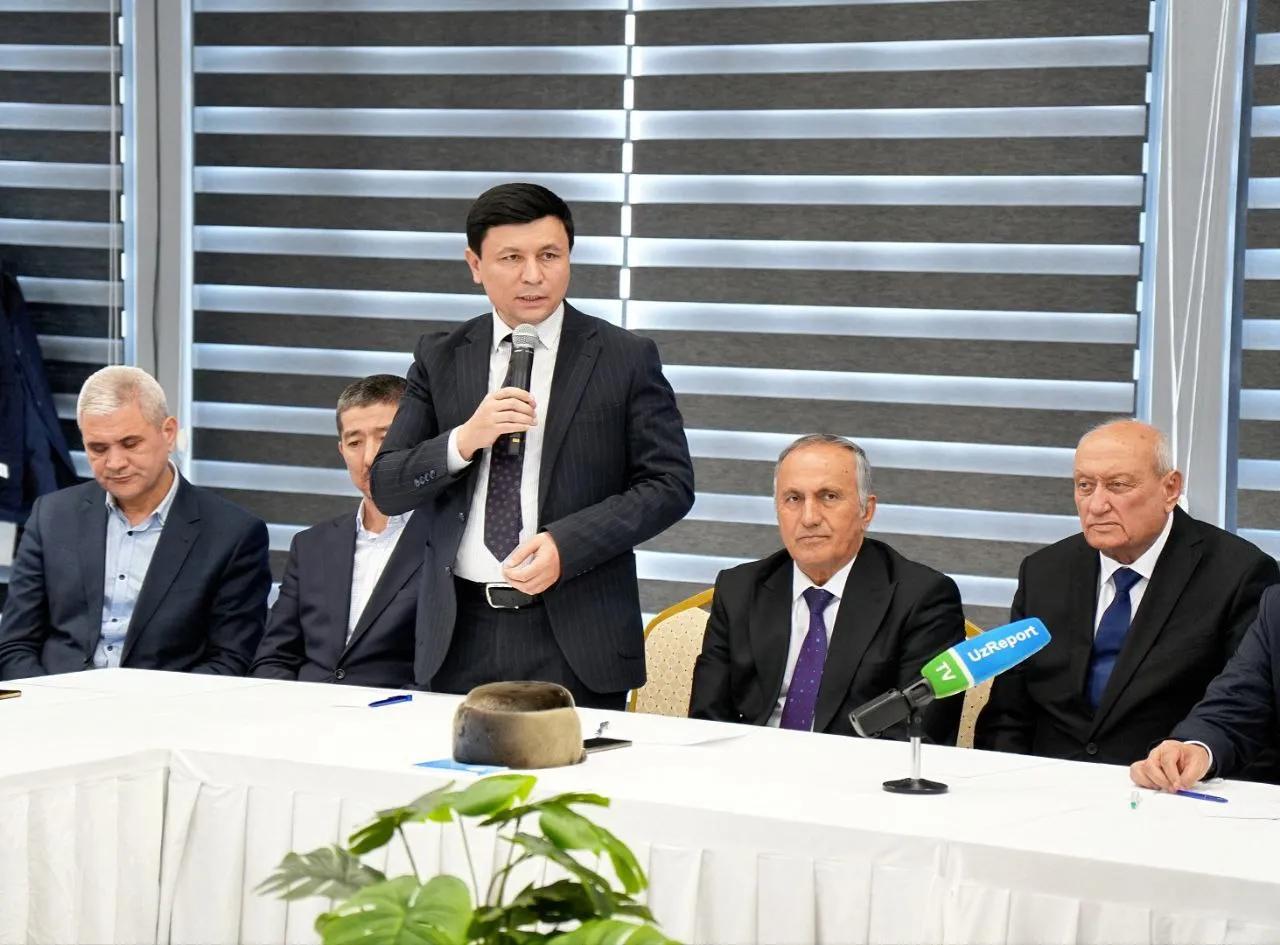
Within the framework of the forum, a scientific and artistic roundtable discussion was held, featuring presentations not only by scholars from Uzbekistan, but also by Navoi researchers from Austria, Belgium, Korea, Turkey, Iran, Pakistan, Kyrgyzstan, as well as other European, Eastern, and Asian countries. The wide-ranging and open exchange of ideas provided an opportunity to reinterpret and study Navoi’s heritage from a contemporary perspective.


The forum became not only a scientific gathering, but also a true celebration of the word, intellect, and spirituality.

Key discussions focused on the artistic and aesthetic power of Navoi’s works, his historical role in the development of the Turkic language, the significance of his spiritual and educational heritage in the moral upbringing of youth, prospects for international Navoi studies, and the distinctive aspects of his ideas in administrative reforms and governance of the state and society.


Local and international experts emphasized that Navoi should be recognized not merely as a classical poet, but as an architect of national thought, an enlightened statesman, and a founder of language policy.


A number of meaningful and forward-looking proposals were also put forward during the forum. These included enhancing the public image of Navoi studies scholars, appropriately celebrating the centenary of academician Aziz Qayumov, and expanding public interest and devotion to Navoi’s legacy. These initiatives were welcomed and approved by the leadership of Nordic International University and the Alisher Navoi International Public Foundation.


It was also agreed to unite efforts in training the next generation of Navoi scholars; collecting Alisher Navoi’s manuscripts, prayers (munojat), letters, and waqf documents from the rarest archival collections; expanding access to facsimile editions that allow reading the original texts; accelerating digitization processes; preparing scholarly transcriptions for foreign researchers; and publishing comprehensive academic editions.


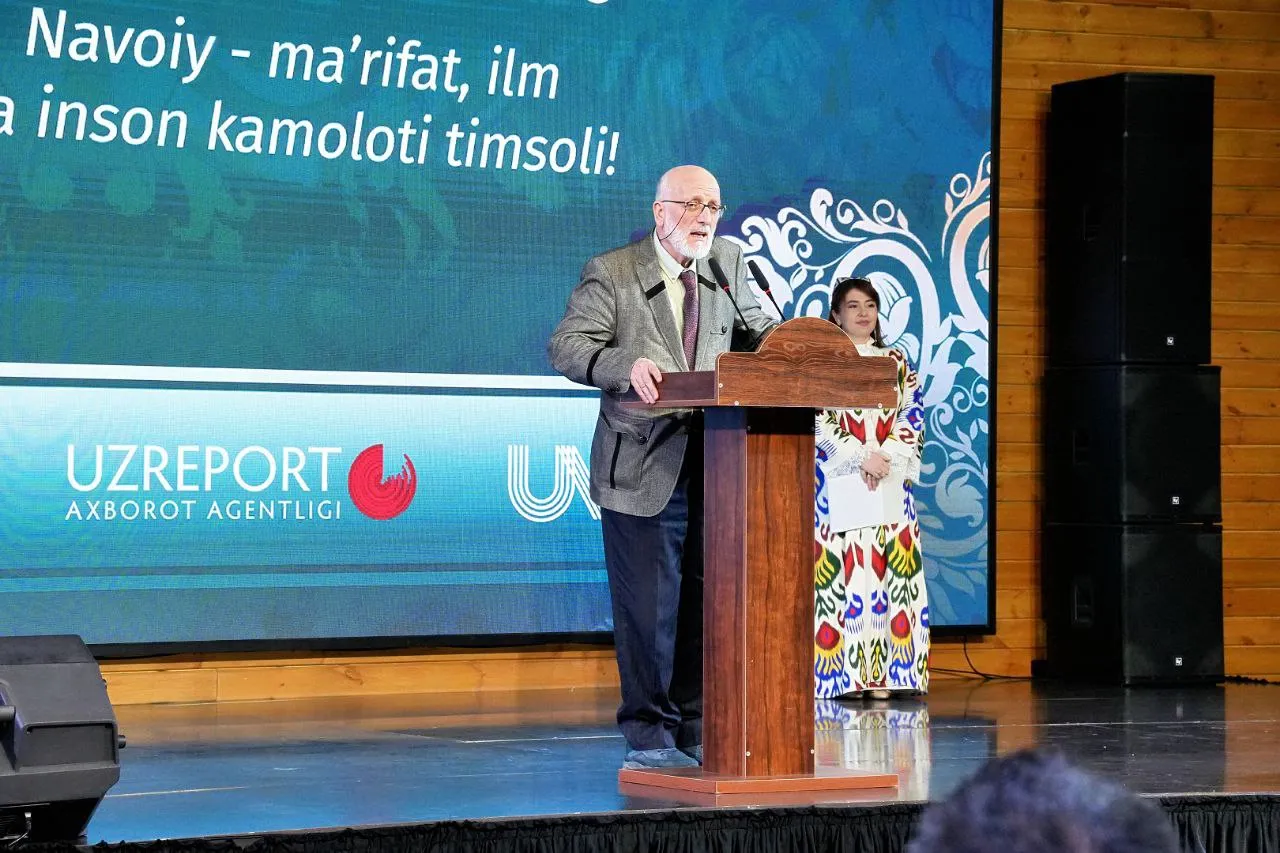
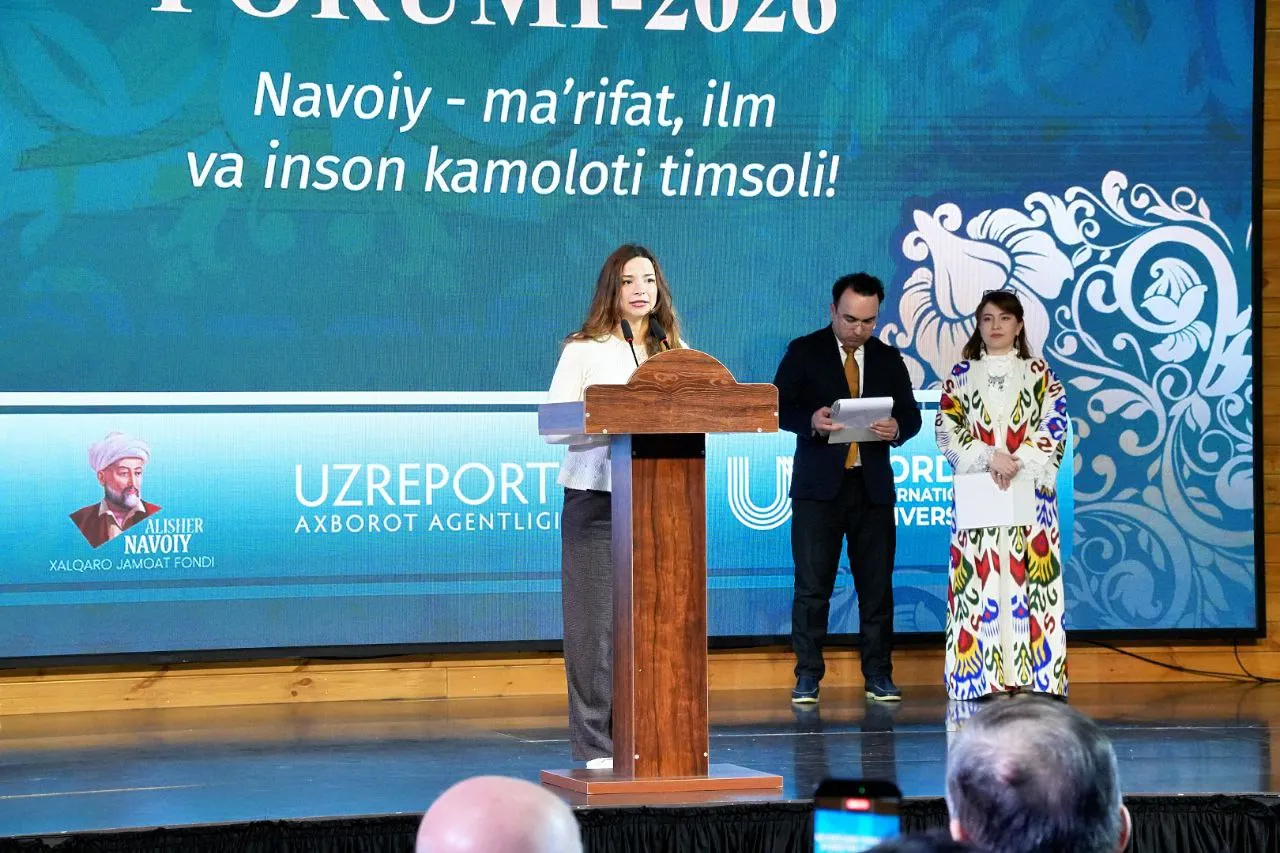
At the official opening ceremony of the forum, speeches were delivered by Otabek Sultanbekov, Deputy Governor of Tashkent Region; Minhojiddin Mirzo, First Deputy Chairman of the Writers’ Union of Uzbekistan for Creative Affairs; Farhod Boqiyev, Deputy Minister of Preschool and School Education; Nurboy Jabborov, literary scholar of the Alisher Navoi University of Uzbek Language and Literature; Professor Sherzod Mustafakulov, Rector of Nordik International University; Olimjon Davlatov, Director of the Alisher Navoi International Public Foundation; as well as Turkish scholar Kemal Yavuz Ataman and other distinguished international guest researchers.


The speakers emphasized the place of Navoi’s heritage in the treasury of world literature, his invaluable contribution to introducing the power of the Turkic word to the world, and the unparalleled significance of his works in the upbringing of the perfect human being. It was also noted that while spring begins around the world in March, in Uzbekistan it symbolically begins on February 9, in connection with the birth of Hazrat Alisher Navoi, and that this period is truly regarded as a month of spiritual purification.


The harmony of science and art became one of the forum’s most striking features. Alongside academic presentations, selected ghazals by Navoi were recited and interpreted, and his epic poems were subjected to in-depth artistic analysis.


During the literary evening, renowned singers and beloved artists performed musical compositions based on Navoi’s ghazals, offering guests an unforgettable aesthetic experience. Once again, it was vividly demonstrated that Navoi’s words continue to live in melody, on stage, and in the hearts of people.


According to experts, Navoi’s legacy today attracts increasing attention from the global academic community not only as a national treasure, but also as a universal human value. The “Navoi Scholars Forum” convincingly demonstrated that Hazrat Navoi remains a builder of both our present and our future: his wisdom and teachings continue to unite nations, cultivate hearts, and inspire young people toward lofty goals.


At the conclusion of the forum, proposals and agreements were put forward to expand joint scientific research, publications, translations, and academic exchanges. This forum became a renewed echo in the hearts of today’s generation of the kingdom of words founded by Navoi.
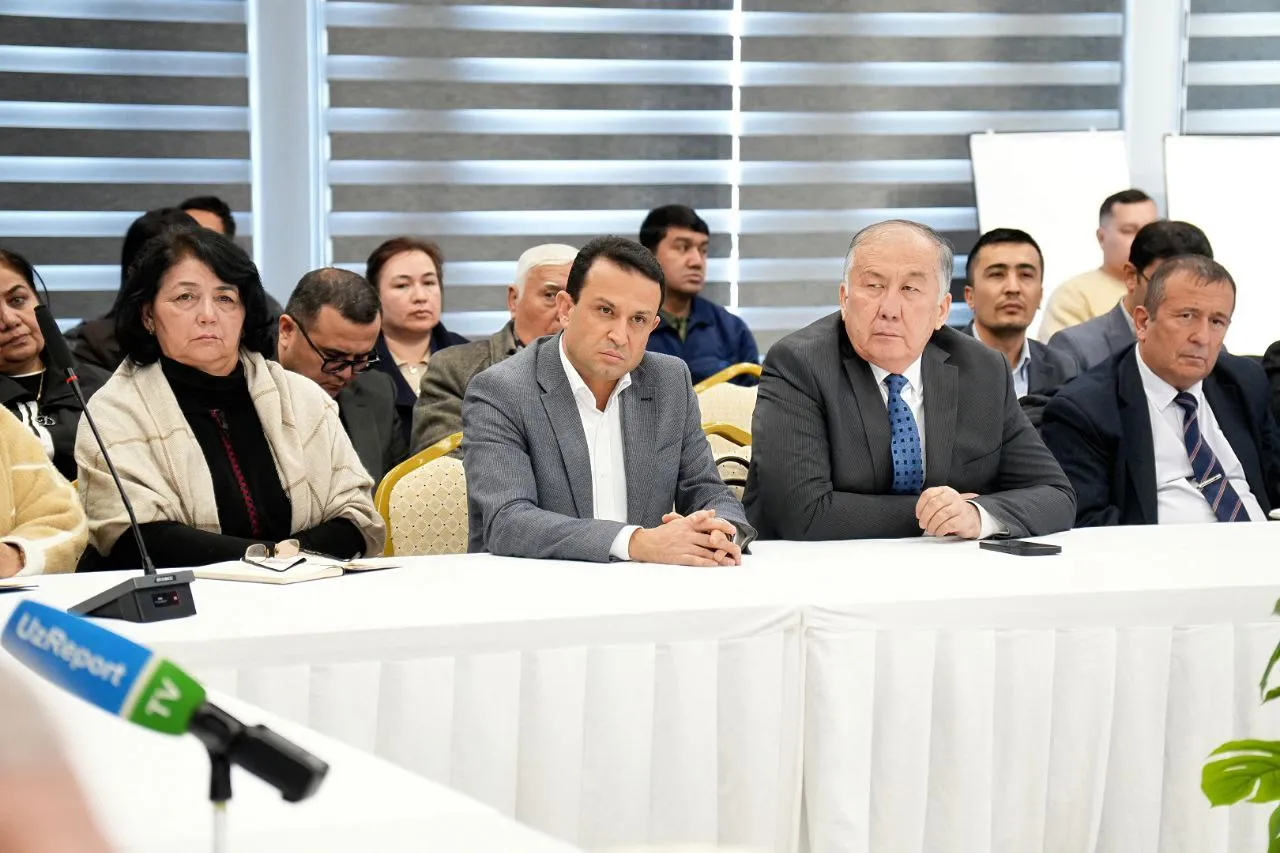
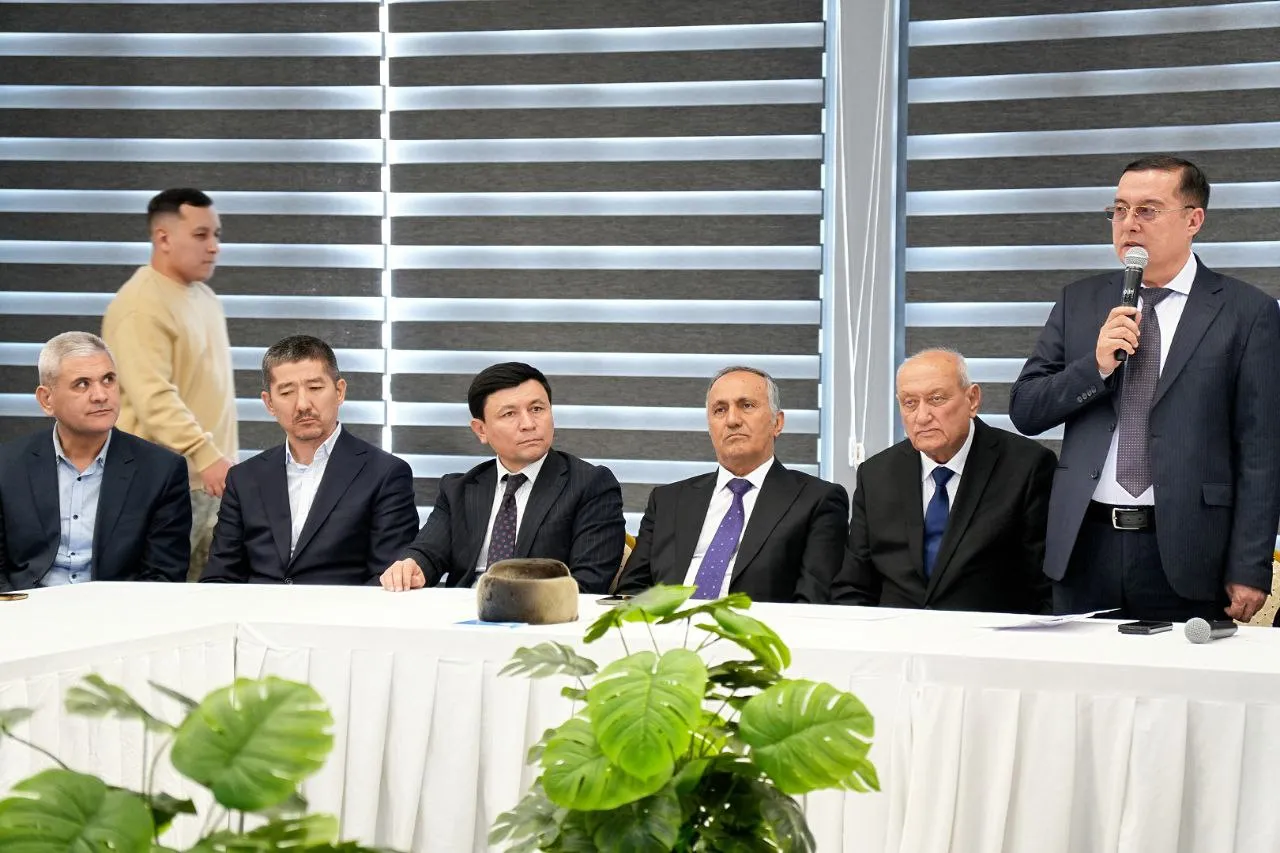
photo-2026-02-09-15-34-17
Preview
photo-2026-02-09-15-34-16-4
Preview
photo-2026-02-09-15-34-17-2
Preview
photo-2026-02-09-15-34-17-3
Preview
photo-2026-02-09-15-34-17-4
Preview
photo-2026-02-09-15-34-18-2
Preview
photo-2026-02-09-15-34-18-3
Preview
photo-2026-02-09-15-34-18-4
Preview
photo-2026-02-09-15-34-19
Preview
photo-2026-02-09-15-34-16-2
Preview
photo-2026-02-09-15-34-15-2
Preview
photo-2026-02-09-15-34-16-3
Preview
photo-2026-02-09-15-34-15
Preview
photo-2026-02-09-15-34-15-3
Preview
photo-2026-02-09-15-34-18
Preview
photo-2026-02-09-15-34-14-2
Preview
photo-2026-02-09-15-34-16
Preview
Print

Latest news

The Legacy of Amir Temur in the Minds of Youth

The Legacy of Amir Temur in the Minds of Youth

During the roundtable discussion, renowned Temur studies scholar, Candidate of Historical Sciences, and Professor Akbar Zamonov delivered an in-depth and analytical presentation. He elaborated on the personality of Amir Temur, his unique approaches to state governance, and the enduring relevance of his historical legacy in the modern world.


The primary objective of the event was to strengthen a sense of historical awareness and national pride among young people, while fostering key qualities such as strategic thinking, leadership, and responsibility through the example of Amir Temur.


The meeting featured an analytical lecture followed by an interactive Q&A session and open dialogue with students. This engagement not only enriched participants’ historical knowledge but also encouraged independent and critical thinking.


Students from the university’s History and Journalism programs actively participated in the roundtable discussion.

International Dialogue: Integrating Analysis and Education

International Dialogue: Integrating Analysis and Education

During the visit, a substantive exchange of ideas took place with the esteemed guest — an international expert possessing extensive experience in journalism and educational management. The discussions focused on key global education trends, contemporary governance approaches, and emerging models of academic development, while also outlining prospective avenues for collaboration.


Particular attention was given to launching joint initiatives, including the organization of international conferences, the development of sustainable solutions, and the creation of evidence-based practical frameworks. The dialogue also emphasized knowledge exchange and the establishment of new academic platforms for students and researchers.


As a result of the meeting, mutual understandings were reached on expanding international scientific and analytical platforms, paving the way for deeper institutional cooperation.

Partnership with ETS: Advancing International Certification and Academic Mobility

Partnership with ETS: Advancing International Certification and Academic Mobility

The delegation was led by Anna Gutkowska-Zając, Regional Director for Eurasia and Central Asia at Educational Testing Service (ETS).


During the visit, both parties engaged in comprehensive discussions focused on enhancing the quality of education. Key areas of cooperation included professional development for faculty, the organization of joint training sessions, seminars, and webinars based on ETS-certified modern content, and the implementation of advanced methodologies in English language teaching.


Particular emphasis was placed on effective preparation for the TOEFL iBT examination, improving assessment literacy among students and educators, and fostering a systematic approach to international certification. In addition, both sides explored opportunities to establish a solid foundation for global academic mobility.


As a significant outcome of the visit, a Memorandum of Understanding (MoU) was signed between the two institutions. The document outlines clear strategic priorities aimed at improving educational quality, expanding the adoption of innovative approaches, and strengthening international integration.


This partnership is expected to further reinforce long-term collaboration between the International Nordic University and ETS, contributing to sustainable development in education and broader global engagement.

Point of View: A Powerful Force Showcasing National Prestige

Point of View: A Powerful Force Showcasing National Prestige

In an article published in the Xalq so‘zi newspaper and authored by the Rector of the International Nordic University, Sherzod Mustafakulov, the key priorities emphasized during the meeting are thoroughly analyzed, alongside a number of forward-looking approaches and proposals aimed at building an effective system.


As highlighted in the article, a continuous vertical integration model — “school–federation–university” — ensures the consistent development of talented youth, while individualized development programs remain crucial for each athlete. Particular attention is also given to advancing the sports economy, establishing clubs and academies, ensuring digital transparency, and strengthening the integration of science and sports. Sport, it is argued, should become one of the central pillars of the national development strategy.


To deepen the analysis, the article also examines the best international practices in promoting mass sports development.

A more comprehensive insight and extended perspectives can be found in the April 10 issue of Xalq so‘zi.

Follow the official channel on Telegram

Subscribe to our YouTube channel

Follow our page on Facebook

Connect with our LinkedIn profile