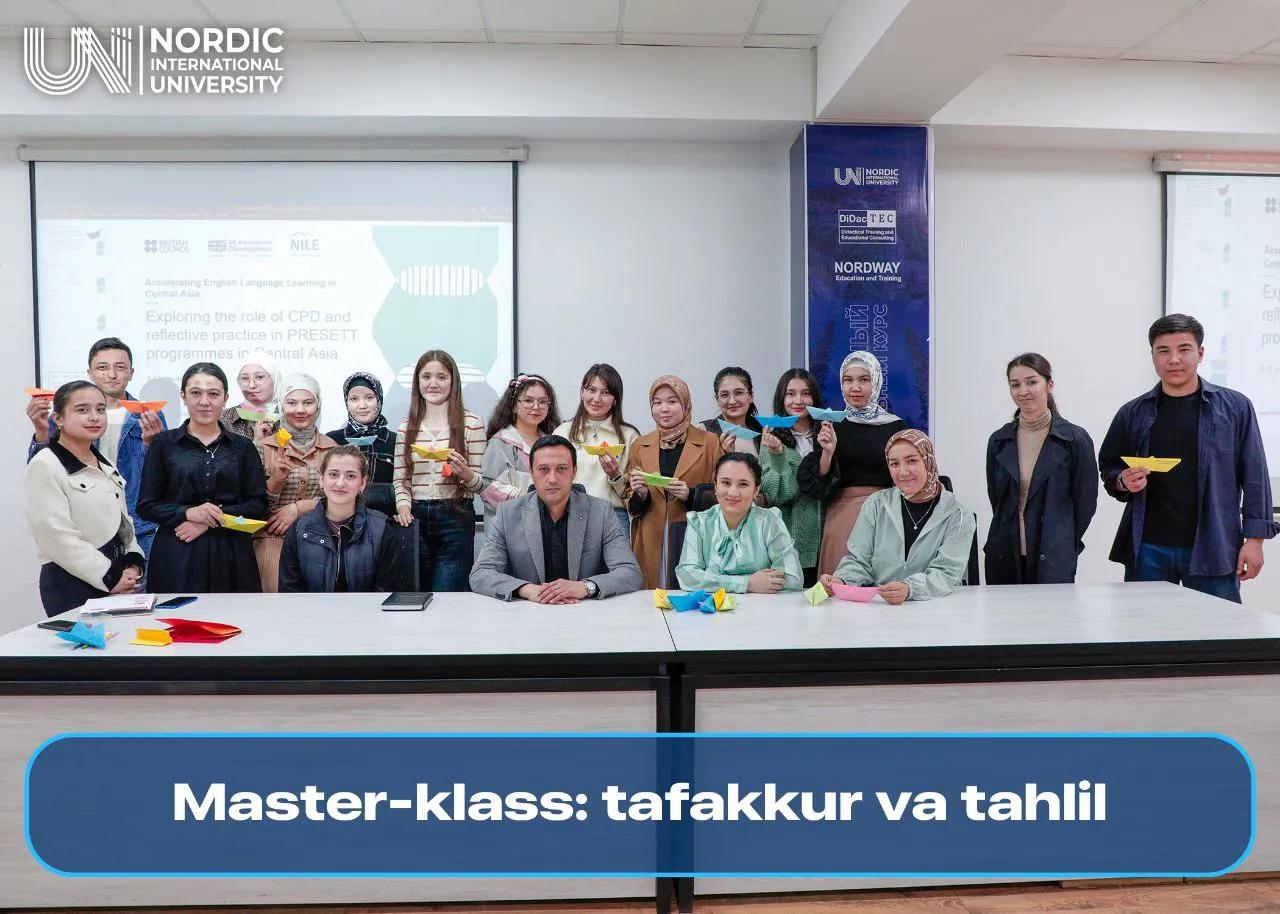
Masterclass: Reflection and reflective practice in education studied

Masterclass: Reflection and reflective practice in education studied

March 14 , 2025

|

764

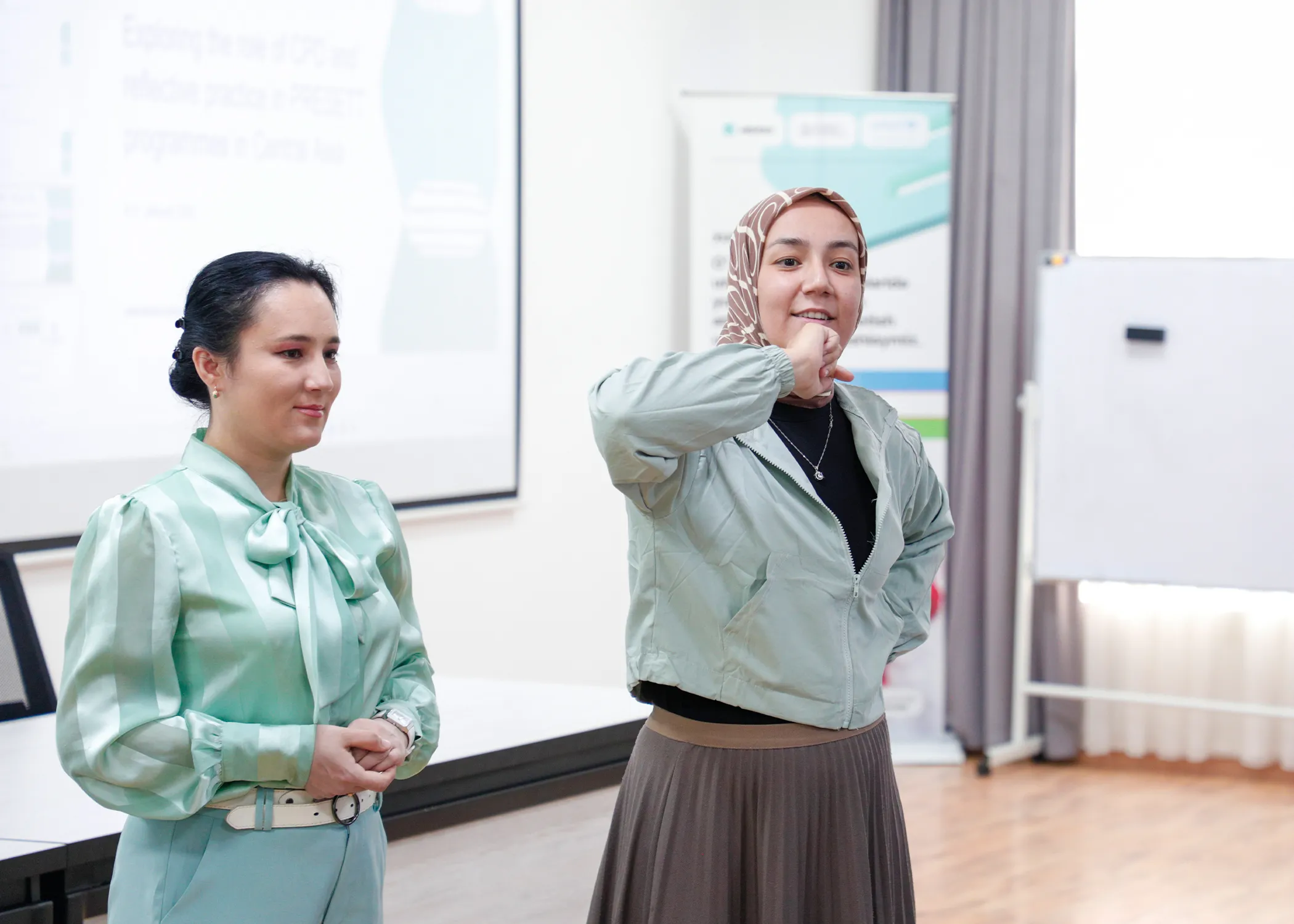
Our university is participating in the British Council’s PresSETT program under the AELLCA project.

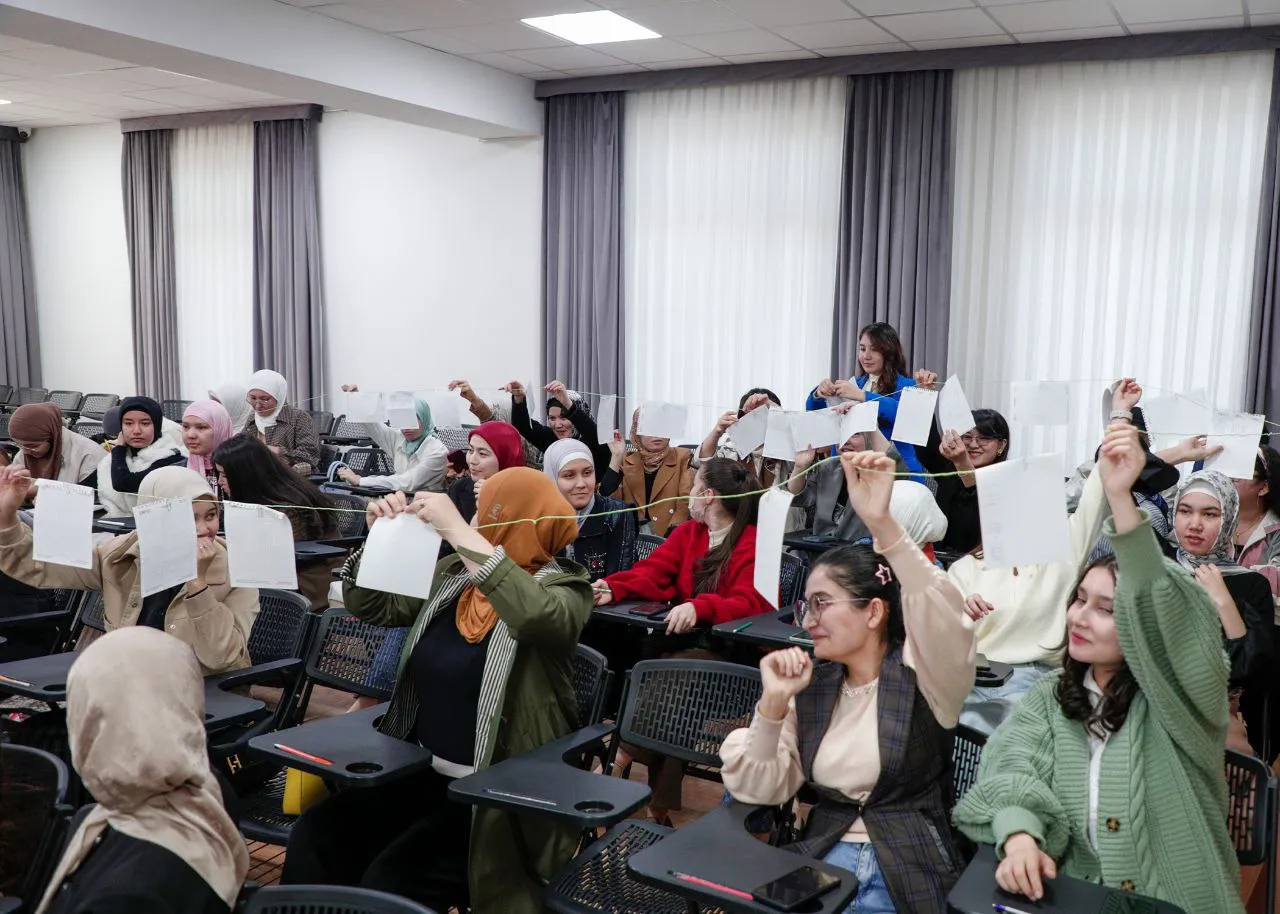
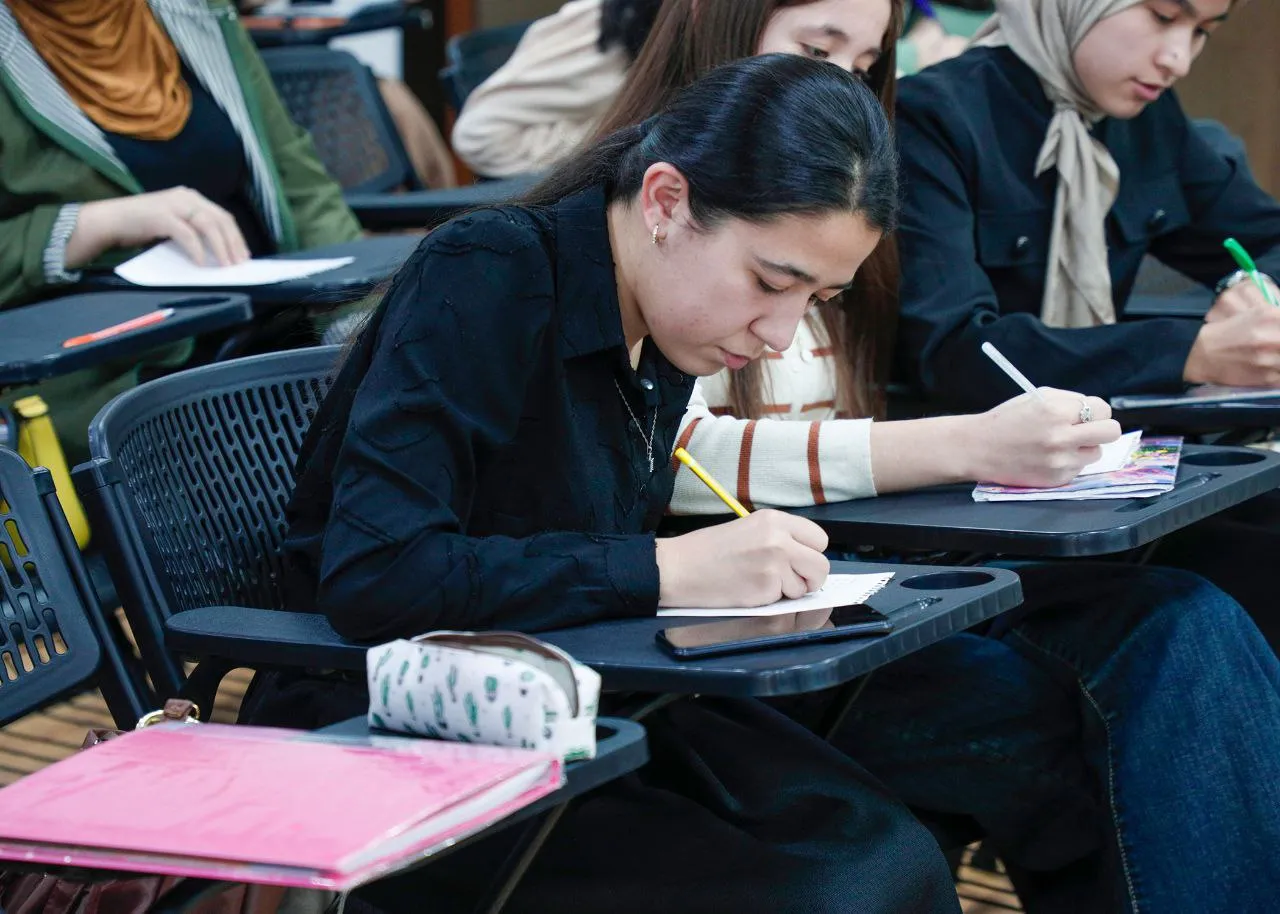
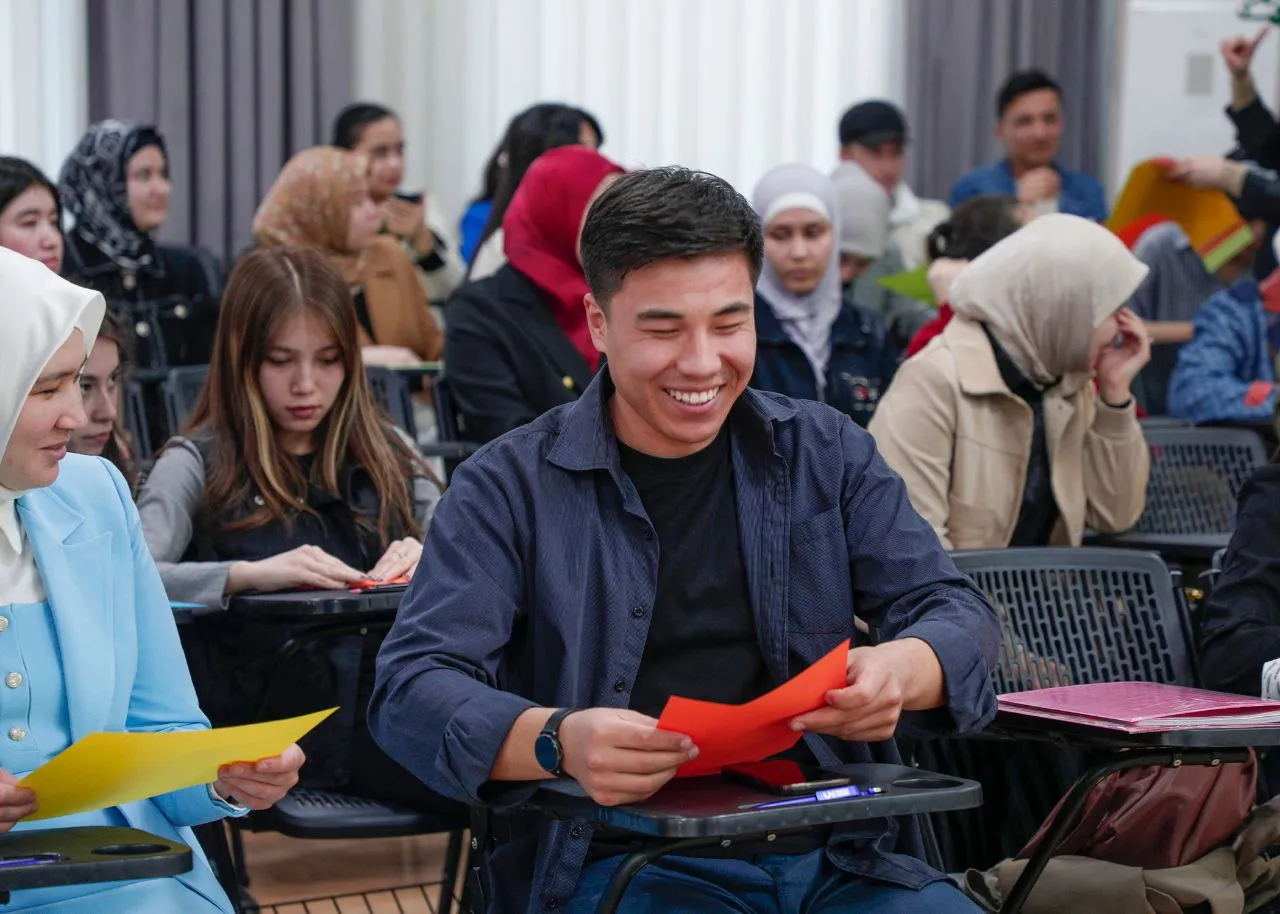
As part of the project, a masterclass on "Reflection and Reflective Practice" was held. The masterclass, organized by the Department of Foreign Languages and Literature, introduced second- and third-year students to the concept of reflection and methods for applying it in the educational process.


During the masterclass, participants learned how to analyze and improve their pedagogical practices, gaining new knowledge and skills.
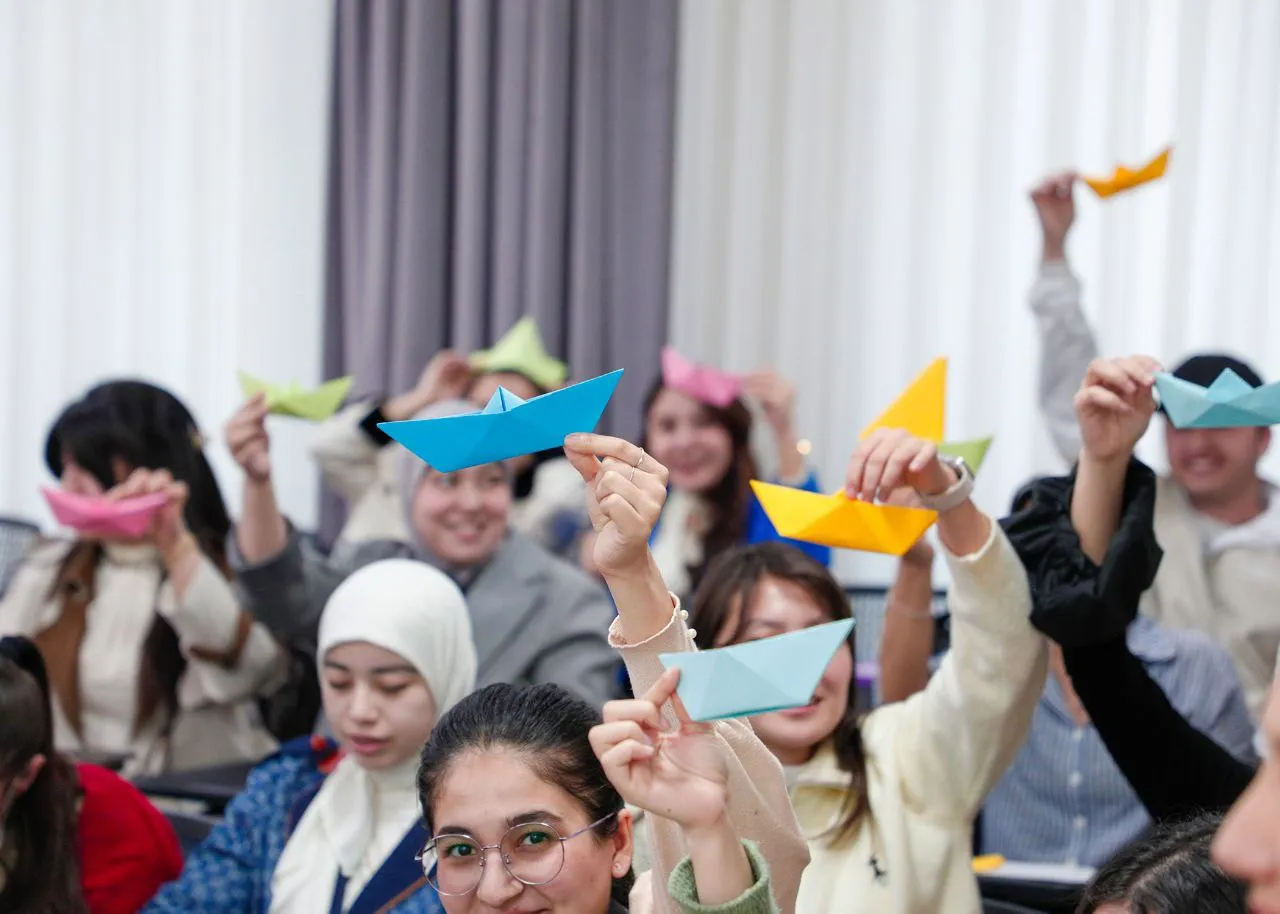
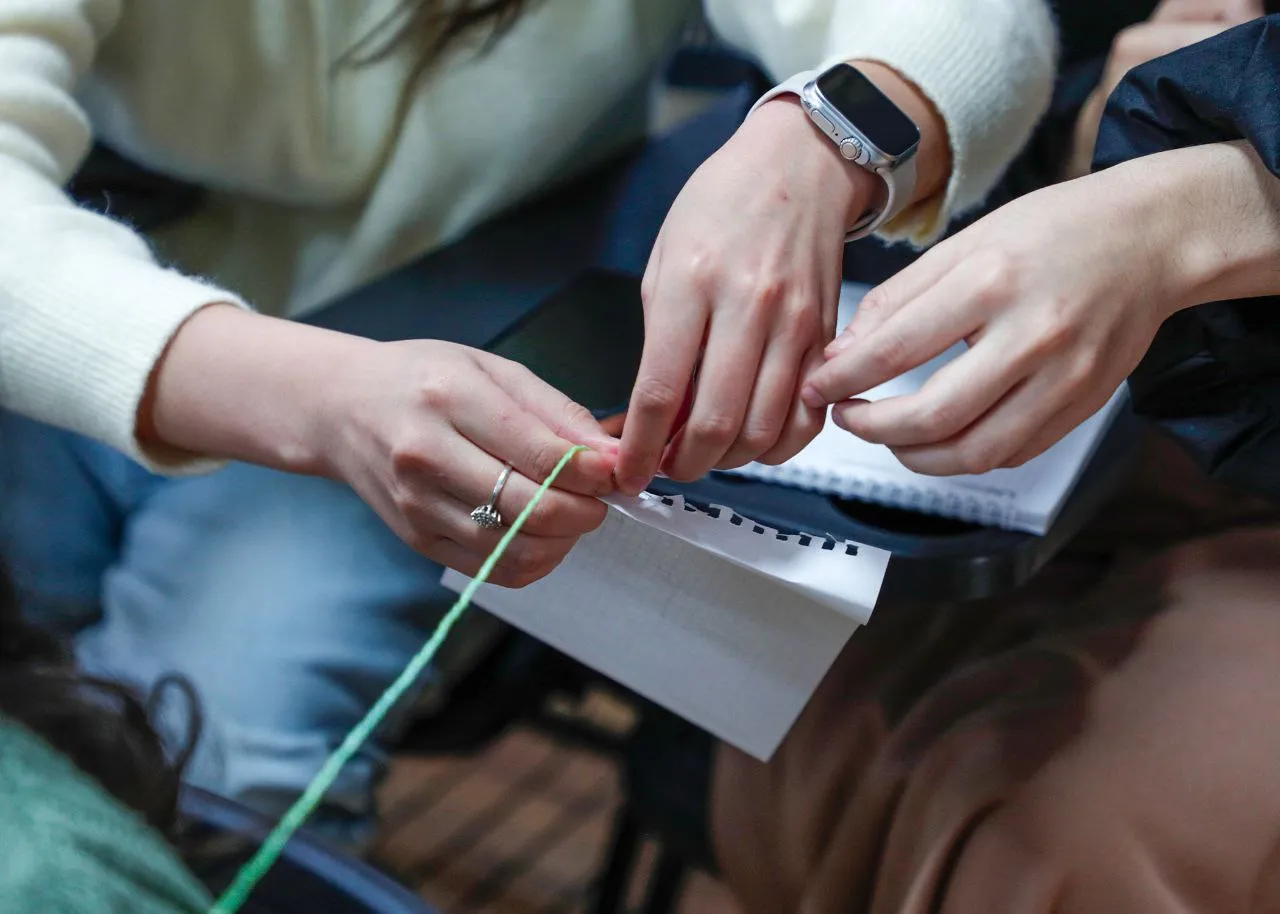
photo-2025-03-14-13-45-26-2
Preview
photo-2025-03-14-13-45-25-2
Preview
photo-2025-03-14-13-45-25-3
Preview
photo-2025-03-14-13-45-26-3
Preview
Artboard-19-11
Preview
photo-2025-03-14-13-45-26
Preview
Print

Latest news

National Identity: A Three-Thousand-Year Memory and Contemporary Consciousness

National Identity: A Three-Thousand-Year Memory and Contemporary Consciousness

Authored by Professor Yulduz Ortiqova, Doctor of Philological Sciences, from the Department of Social Sciences and Journalism, the textbook “National Identity and Mass Media” provides a scholarly exploration of one of the most nuanced and pressing issues in modern journalism: understanding national identity and accurately representing it within the information space.


The presentation was attended by Salim Doniyorov, Editor-in-Chief of the “Yangi O‘zbekiston” newspaper, Doctor of Philological Sciences, and Professor Fayzulla Mo‘minov of the Uzbekistan State University of Journalism and Mass Communications. The distinguished guests offered in-depth reflections on the academic, cultural, and practical significance of the work. For students, the event became not only an introduction to a new textbook but also an opportunity to engage with profound life experiences and intellectual perspectives.


During the session, keynote speakers—Professor Fayzulla Mo‘minov and Najmiddin Qodirov — emphasized the historical formation of national identity, noting that it has not emerged effortlessly but through trials, losses, and resilience. They highlighted that national identity represents a complex and vital concept intertwined with a nation’s three-thousand-year historical memory, dignity, and future.


Approaching the topic from a broader socio-philosophical perspective, Salim Doniyorov stressed that preserving national identity in the era of globalization is not a matter of conservatism, but a conscious and deliberate choice:


“We are a society that holds family, parents, values, and roots sacred. This is precisely what distinguishes us from cosmopolitan views.”


He also delivered a key message that resonated strongly with students:


“Motivation alone is not enough—it must be reinforced by discipline and a well-structured system.”


One of the central points highlighted during the presentation was the risk of misinterpreting national identity. It was emphasized that national identity is not about asserting superiority over others, but about recognizing one’s own values while respecting all nations equally. This very principle forms the ethical foundation of contemporary journalism.


The textbook stands out not only as a theoretical framework but also as a practical guide. It is enriched with the perspectives of leading global scholars and includes end-of-chapter assignments designed to foster analytical and creative thinking, enabling deeper comprehension of the subject. Moreover, it equips journalists with the skills to analyze events through national, cultural, and social lenses.


At the conclusion of the event, Salim Doniyorov presented his book “The Dream of New Uzbekistan” to the university library—symbolizing the strengthening of academic collaboration and intellectual exchange.


Ultimately, Professor Yulduz Ortiqova’s “National Identity and Mass Media” is more than just a textbook—it is the product of a scholarly tradition that teaches the delicate balance between thought and responsibility, values and professionalism. After all, a journalist does not merely deliver information—they shape the consciousness of society.


The Department of Social Sciences and Journalism, along with students, warmly congratulated the author and expressed their sincere appreciation for this valuable contribution. Guests also explored the university’s activities and expressed their readiness to expand future academic cooperation.

Nordic Students — on the Global Tech Stage

Nordic Students — on the Global Tech Stage

Students from Nordic University actively participated in this prestigious event, joining over 1,200 participants from 17 countries.


The hackathon featured intense competition across three key tracks:


AI & Healthcare — developing AI-driven solutions to address challenges in the medical field


Cybersecurity (CTF) — tackling real-world challenges in a simulated cyber threat environment


Robotics & Engineering — working on complex technical tasks and prototypes


The event provided students with valuable opportunities for international networking, collaborative brainstorming, and hands-on experience. As a result, participants gained new knowledge, enhanced their global perspective, and expanded their professional capabilities.

University Council Meeting No. 3: Strategic Priorities Reviewed

University Council Meeting No. 3: Strategic Priorities Reviewed

Particular emphasis was placed on the implementation of ministerial board decisions, the adoption of a systematic approach, and ensuring measurable outcomes.


Reports presented by responsible officials highlighted completed initiatives, the integration of innovations into the educational process, and the progress achieved in improving overall efficiency. At the same time, the need to further strengthen monitoring and evaluation mechanisms, as well as internal control systems, was underlined.


A central item on the agenda was the review of the University’s Research and Development Concept for 2026–2030. The document outlines key priorities such as aligning research with practical impact, expanding international collaboration, attracting grants and investments, and supporting early-career researchers.


The meeting also addressed the digitalization of research activities, commercialization of scientific outputs, and the development of a robust startup ecosystem. In addition, extensive discussions were held on improving education quality, adopting best international practices, gathering student feedback through surveys, and meeting modern competency requirements for academic staff.


Within the framework of the “Work and Travel – 2026” program, specific tasks were defined to prepare students for participation abroad, facilitate their adaptation to the international labor market, and enhance their practical experience.


Special attention was also given to the organization of the “TasIMO – 2026” International Mathematics Olympiad at a high standard. Rector Sherzod Mustafakulov provided instructions on broad promotion of the event, effective use of digital platforms, expansion of participant geography, and the high-quality organization of subsequent stages.


Furthermore, reports on the training of scientific personnel and accreditation processes were reviewed. Necessary measures were identified to approve individual work plans and methodological programs of independent researchers, as well as to improve academic and regulatory documents developed for specialized accreditation.


The Council also considered the effective organization of the upcoming admission campaign, with analytical reports presented by responsible departments.


Following the discussions, relevant decisions were adopted on all agenda items. The meeting concluded with the Chair of the Council extending sincere congratulations to faculty members and scholarship-winning students for their outstanding academic achievements.

Nordic Talk: It’s Time to Speak

Nordic Talk: It’s Time to Speak

This innovative academic initiative was launched through the efforts of Senior Lecturer Durdona Azizova from the Department of Foreign Languages and Vice Dean Zafar Uralboyev.


Aligned with Nordik’s educational values, the project aims to foster creative thinking, enhance the impact of public speaking, and, most importantly, cultivate a new generation of confident young leaders capable of expressing their ideas freely and assertively.


Delivering speeches in English based on their personal experiences and perspectives, students not only inspired the audience but also encouraged them to reflect more deeply.


Meet the winners:


✨ Best Speaker — Elvira Abdumalikova “The Content We Support, The Community We Create”


✨ Most Inspiring Speech — O‘g‘iloy Kubayeva “Who Is Really Thinking: You or Your Mind?”


✨ Best Idea — Nodirabegim Xamidova “The Value of Boredom”


🎓 All participants were awarded certificates, while the winners received diplomas and commemorative gifts.


👏 The event was warmly received by the audience—and this is only the beginning.

Nordic Talk will continue to discover new ideas, new voices, and new leaders.

Follow the official channel on Telegram

Subscribe to our YouTube channel

Follow our page on Facebook

Connect with our LinkedIn profile