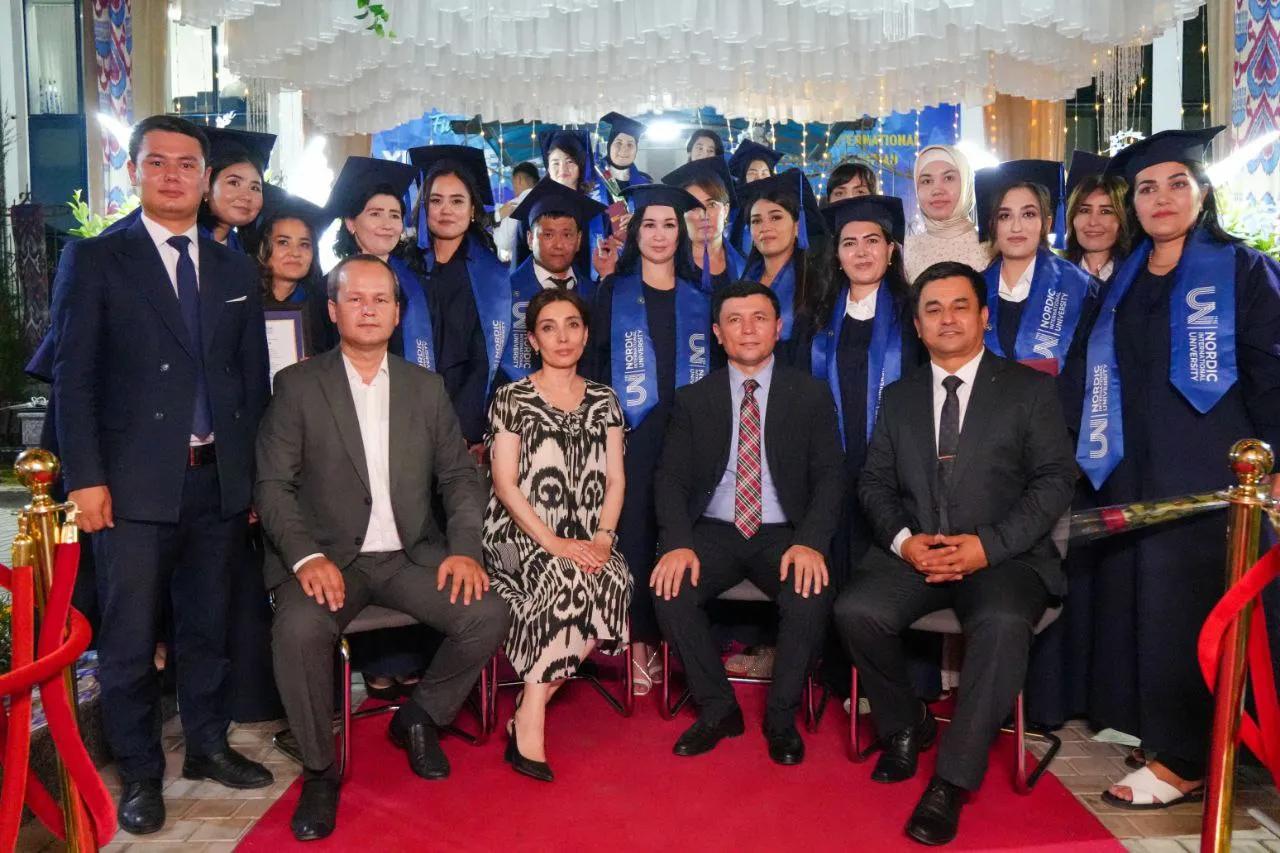
Graduated: now they are masters!

May 17 , 2025
553
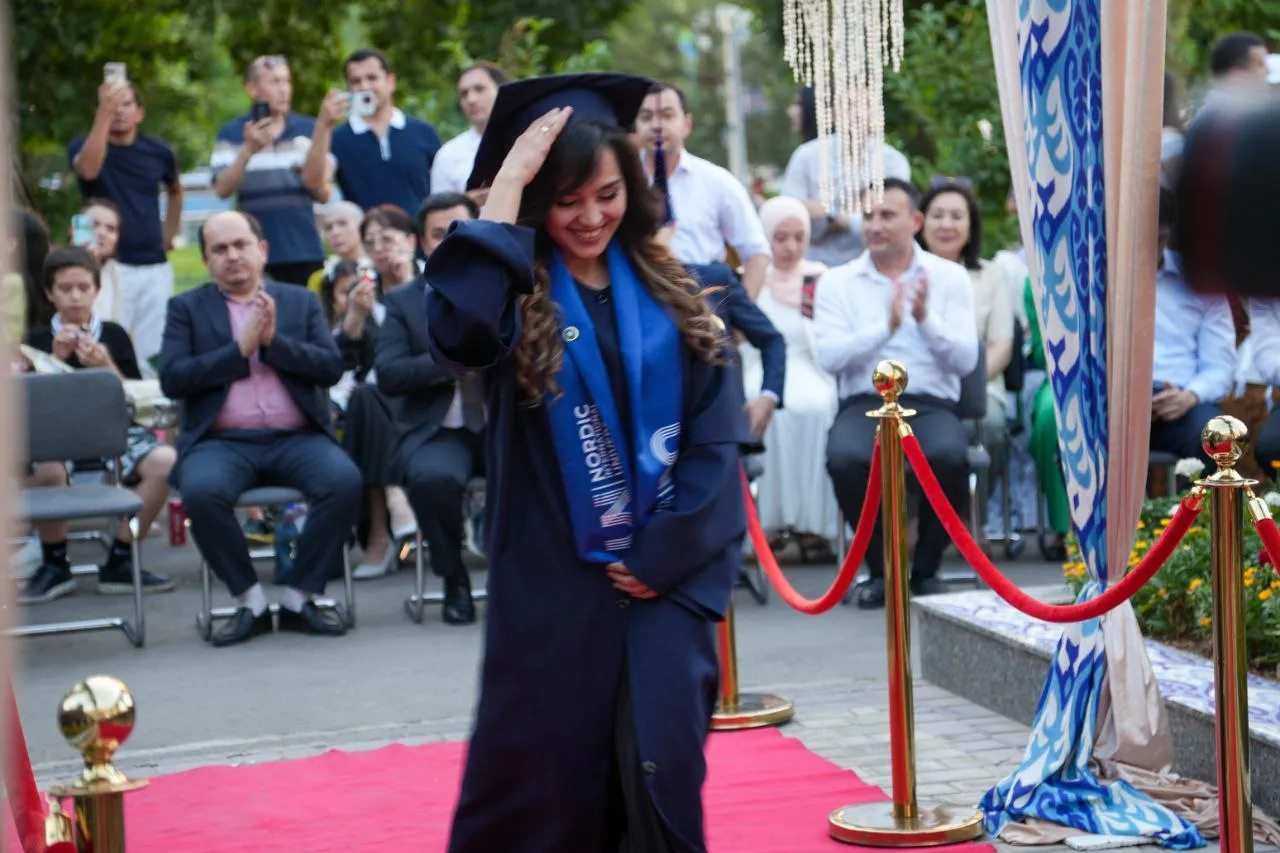
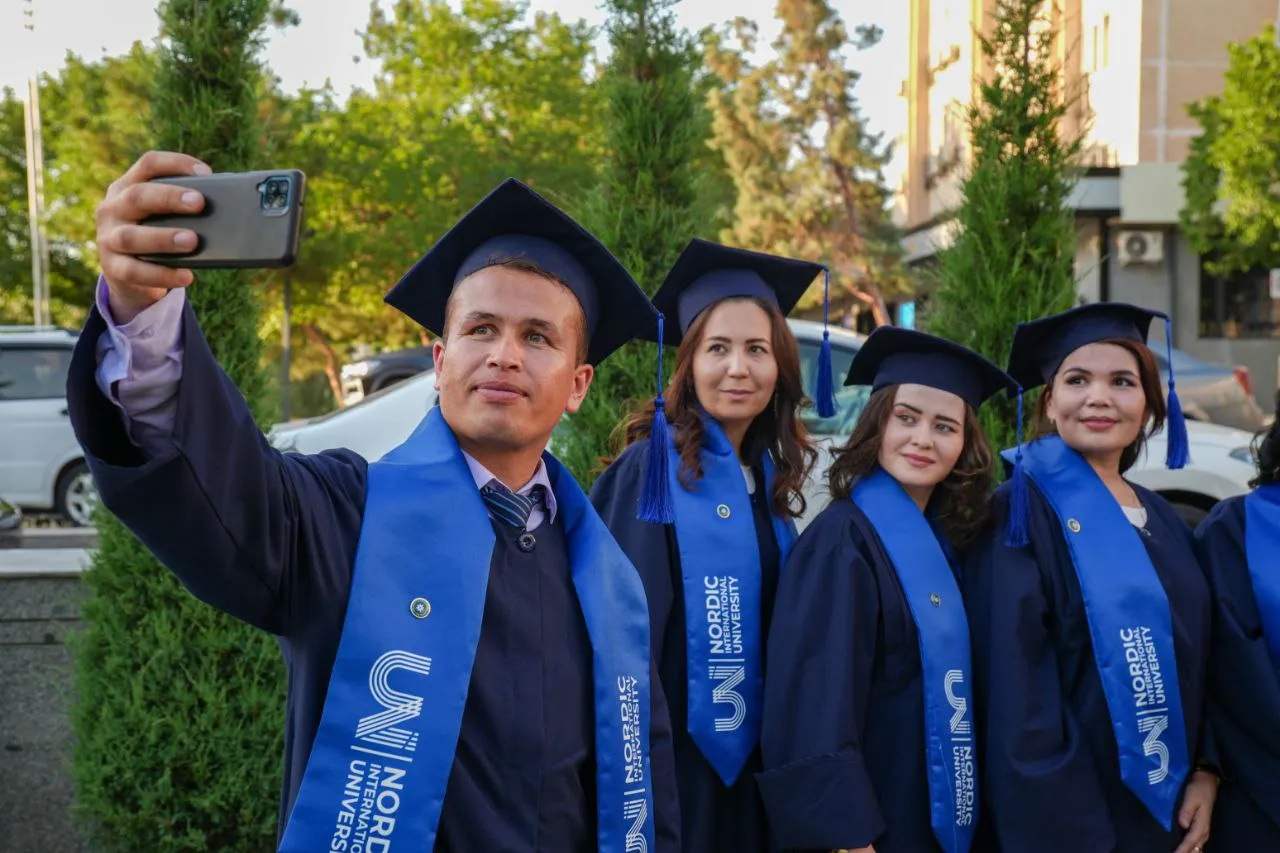
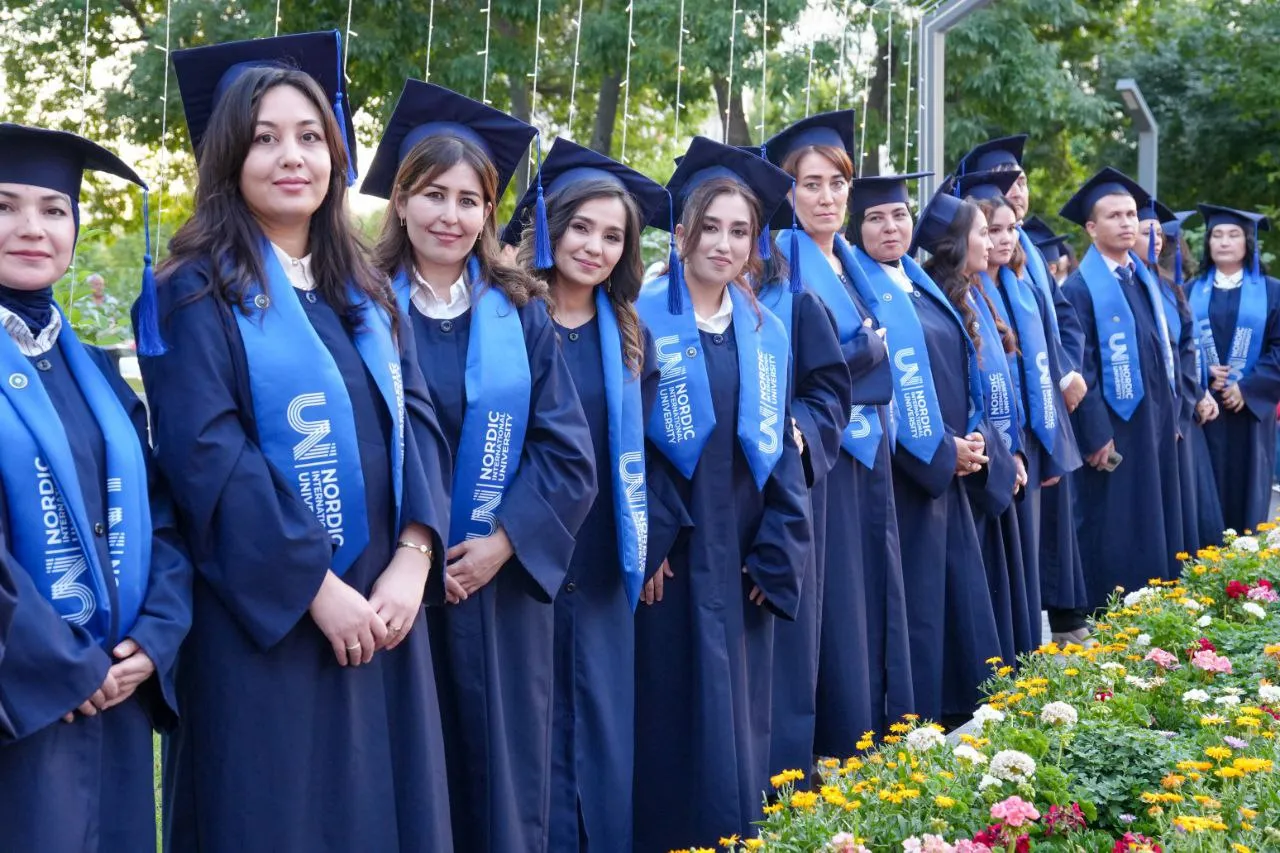
May 16, 2025 – this date has become one of the most unforgettable milestones in the history of the Nordic International University, to be written in golden letters. On this day, the first NIU master’s graduates took a bold step towards the next chapter of their lives.
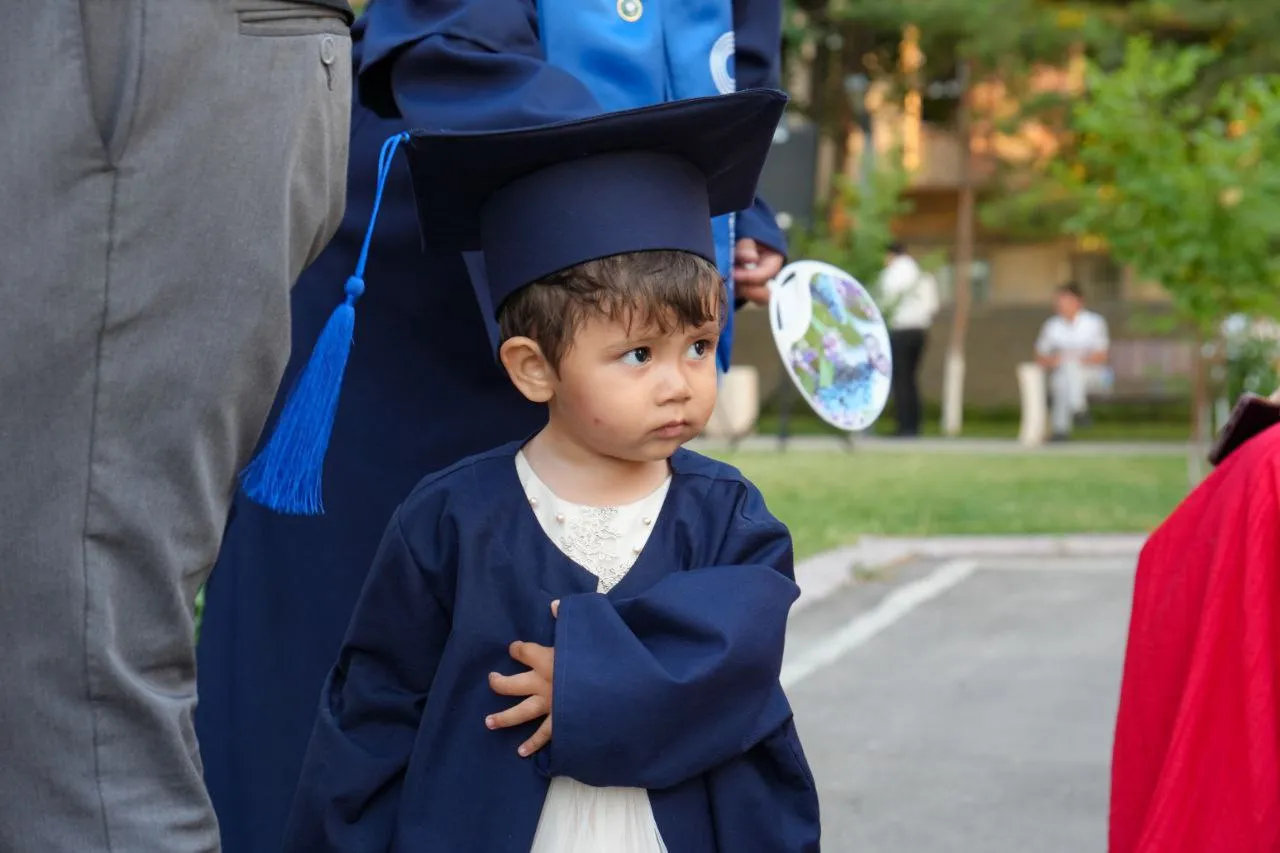
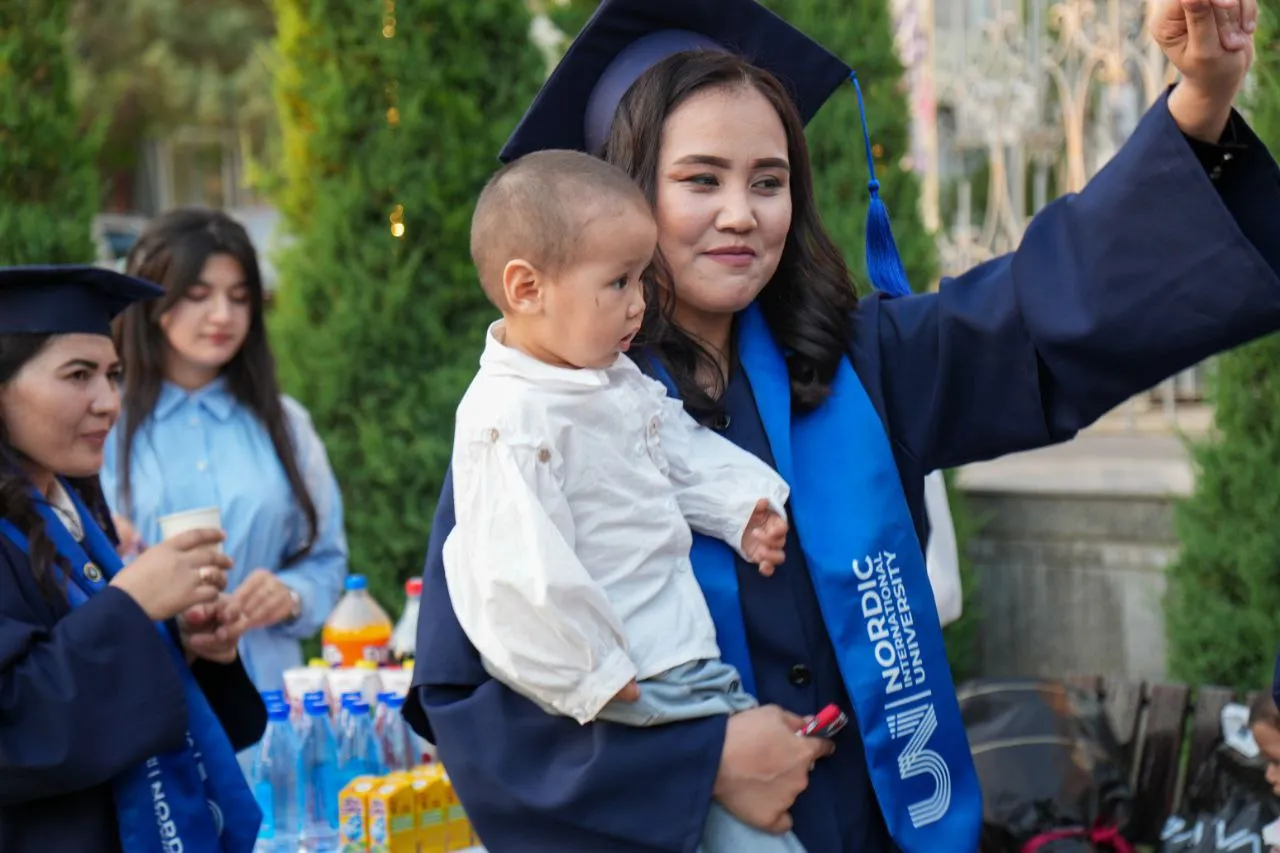
The graduation evening was filled with pride and joy as graduates, their families, loved ones, and professors took part in the celebration.
The ceremony began with the National Anthem of Uzbekistan. White doves released into the sky brought warmth to the hearts of the attendees as symbols of peace, purity, and hope for the future.
Addressing the young graduates – modern-minded and ready to contribute to the country’s development – the university’s rector, professor Sherzod Mustafakulov, expressed his best wishes and wished them great success in their future academic and professional endeavors.
Esteemed guests at the ceremony, leading figures in the fields of science and education, expressed strong confidence that today’s graduates would become tomorrow’s leaders, researchers, and builders of society.
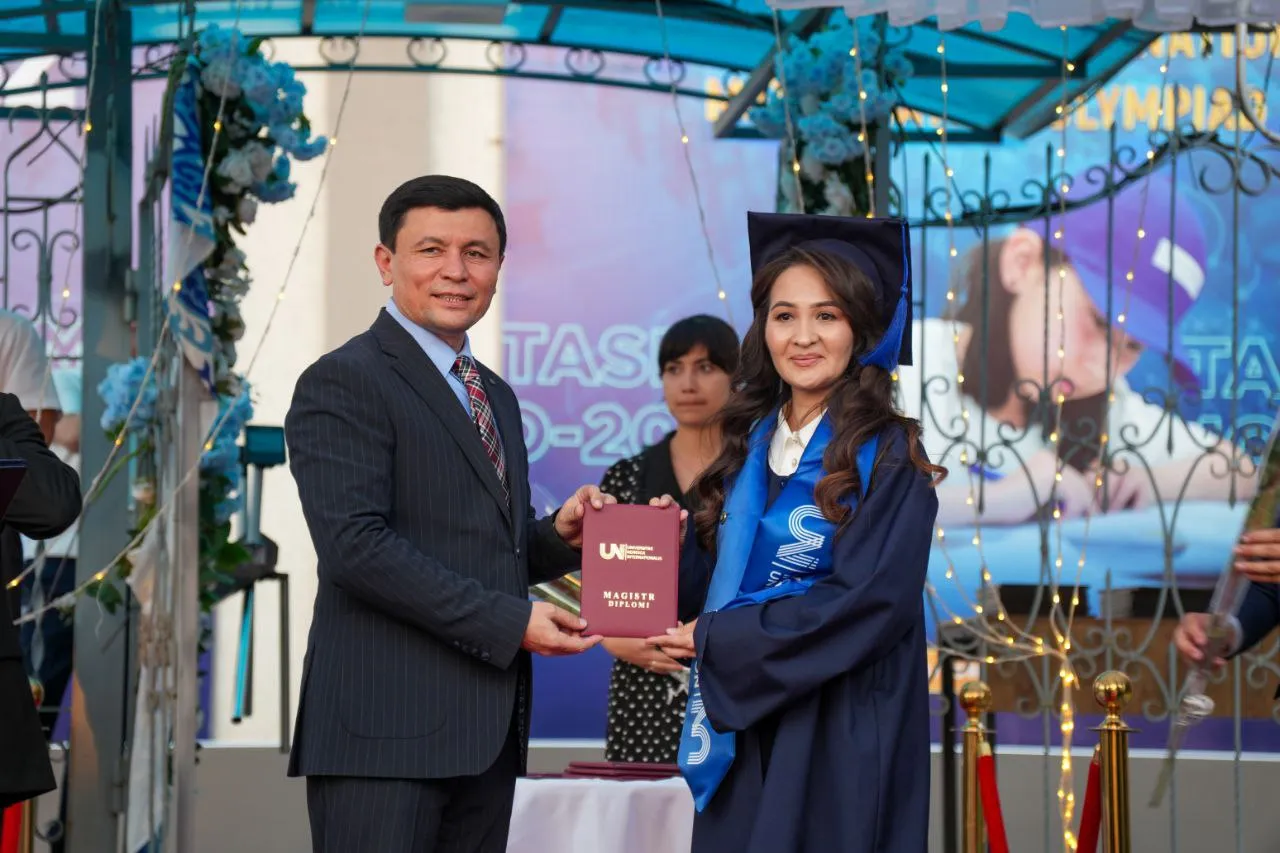
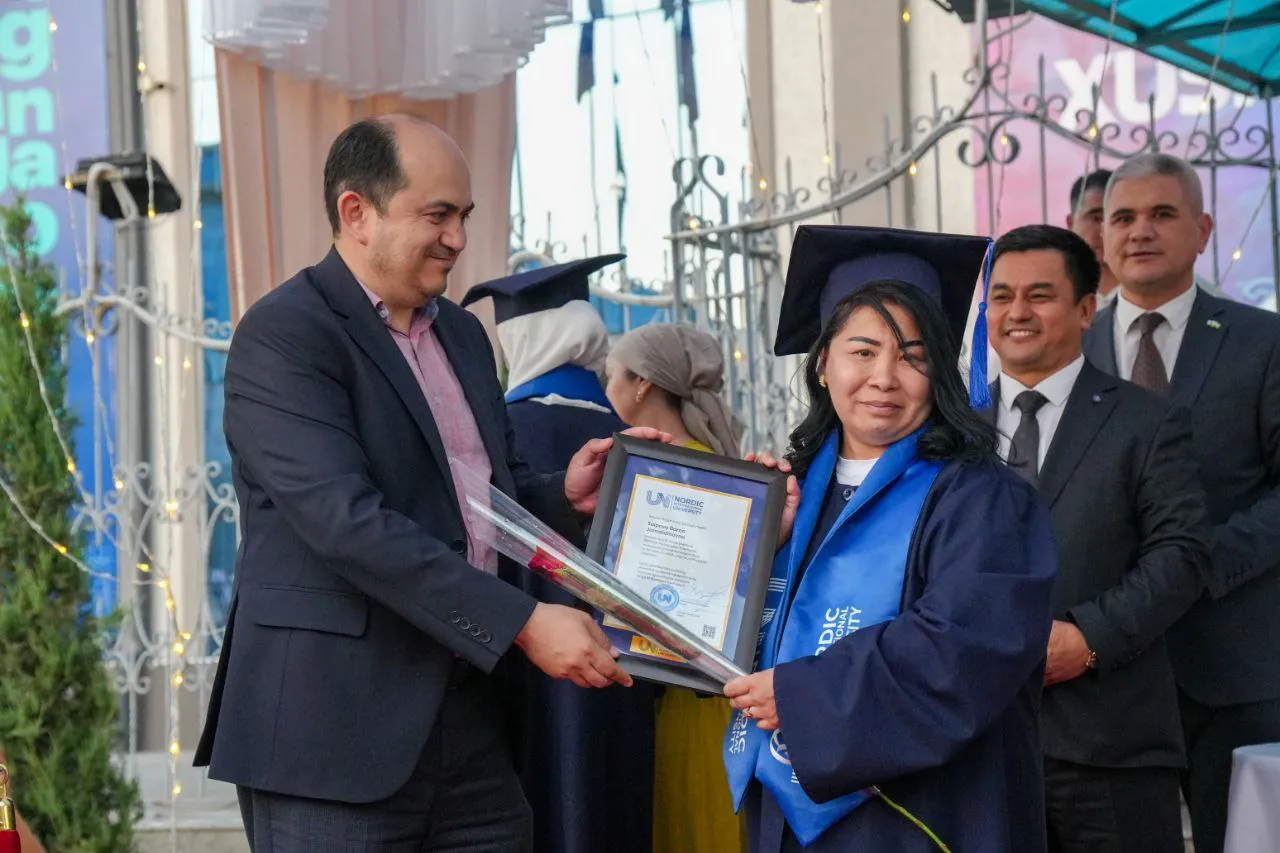
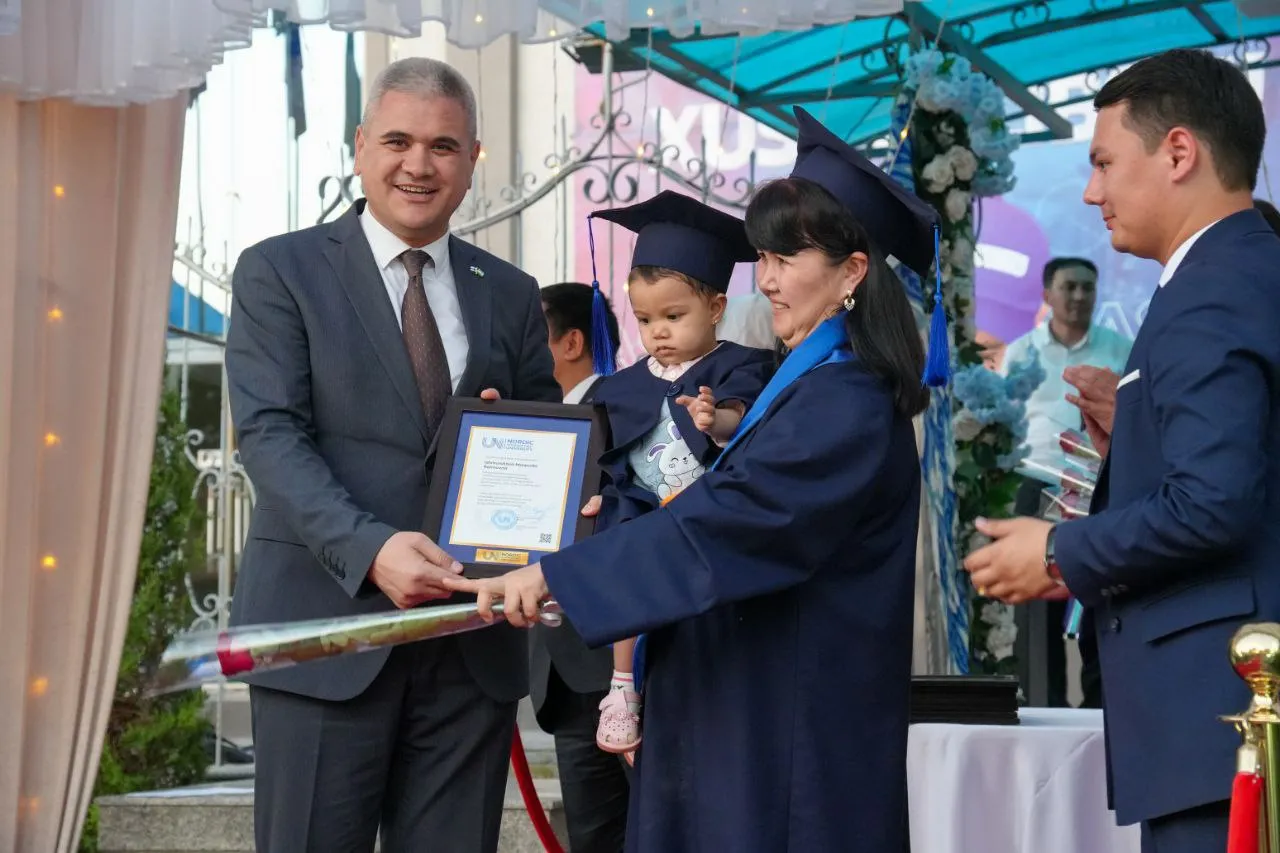
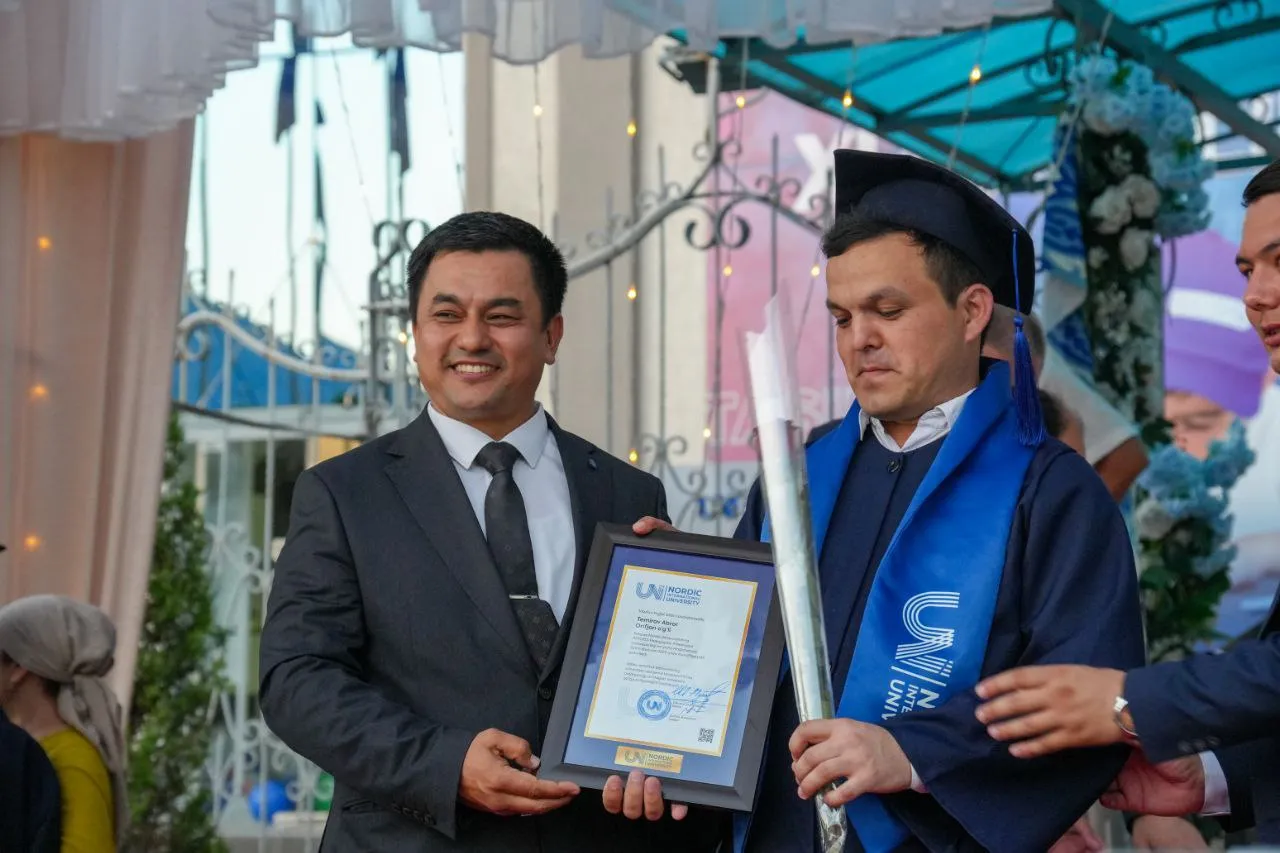
Following that, master’s diplomas were ceremoniously awarded to the graduates, whose faces radiated pride and whose eyes sparkled with happiness. The most active and outstanding students shared heartfelt words of gratitude with the university staff and their mentors.
Video reels shown during the evening recalled the brightest moments of life at Nordic University. The performances by masterful artists from the “Nordik taronasi” ensemble added a special spirit to the event with their music and songs. As the University Anthem was performed with students singing along, every participant felt proud to be part of this academic community. These historic and joyful moments for the graduates and the university were captured in commemorative photographs.
“Graduate-2025” was not only a celebration for the master’s graduates but also marked a new chapter in the confident progress of Nordic University. The diploma awarding ceremony was celebrated as a festive occasion where knowledge, hard work, and dreams came together in harmony.
Latest news

The Legacy of Amir Temur in the Minds of Youth
During the roundtable discussion, renowned Temur studies scholar, Candidate of Historical Sciences, and Professor Akbar Zamonov delivered an in-depth and analytical presentation. He elaborated on the personality of Amir Temur, his unique approaches to state governance, and the enduring relevance of his historical legacy in the modern world.
The primary objective of the event was to strengthen a sense of historical awareness and national pride among young people, while fostering key qualities such as strategic thinking, leadership, and responsibility through the example of Amir Temur.
The meeting featured an analytical lecture followed by an interactive Q&A session and open dialogue with students. This engagement not only enriched participants’ historical knowledge but also encouraged independent and critical thinking.
Students from the university’s History and Journalism programs actively participated in the roundtable discussion.

International Dialogue: Integrating Analysis and Education
During the visit, a substantive exchange of ideas took place with the esteemed guest — an international expert possessing extensive experience in journalism and educational management. The discussions focused on key global education trends, contemporary governance approaches, and emerging models of academic development, while also outlining prospective avenues for collaboration.
Particular attention was given to launching joint initiatives, including the organization of international conferences, the development of sustainable solutions, and the creation of evidence-based practical frameworks. The dialogue also emphasized knowledge exchange and the establishment of new academic platforms for students and researchers.
As a result of the meeting, mutual understandings were reached on expanding international scientific and analytical platforms, paving the way for deeper institutional cooperation.

Partnership with ETS: Advancing International Certification and Academic Mobility
The delegation was led by Anna Gutkowska-Zając, Regional Director for Eurasia and Central Asia at Educational Testing Service (ETS).
During the visit, both parties engaged in comprehensive discussions focused on enhancing the quality of education. Key areas of cooperation included professional development for faculty, the organization of joint training sessions, seminars, and webinars based on ETS-certified modern content, and the implementation of advanced methodologies in English language teaching.
Particular emphasis was placed on effective preparation for the TOEFL iBT examination, improving assessment literacy among students and educators, and fostering a systematic approach to international certification. In addition, both sides explored opportunities to establish a solid foundation for global academic mobility.
As a significant outcome of the visit, a Memorandum of Understanding (MoU) was signed between the two institutions. The document outlines clear strategic priorities aimed at improving educational quality, expanding the adoption of innovative approaches, and strengthening international integration.
This partnership is expected to further reinforce long-term collaboration between the International Nordic University and ETS, contributing to sustainable development in education and broader global engagement.

Point of View: A Powerful Force Showcasing National Prestige
In an article published in the Xalq so‘zi newspaper and authored by the Rector of the International Nordic University, Sherzod Mustafakulov, the key priorities emphasized during the meeting are thoroughly analyzed, alongside a number of forward-looking approaches and proposals aimed at building an effective system.
As highlighted in the article, a continuous vertical integration model — “school–federation–university” — ensures the consistent development of talented youth, while individualized development programs remain crucial for each athlete. Particular attention is also given to advancing the sports economy, establishing clubs and academies, ensuring digital transparency, and strengthening the integration of science and sports. Sport, it is argued, should become one of the central pillars of the national development strategy.
To deepen the analysis, the article also examines the best international practices in promoting mass sports development.
A more comprehensive insight and extended perspectives can be found in the April 10 issue of Xalq so‘zi.