The Finnish Model and Uzbek Education: Toward Integration

April 22 , 2026
156
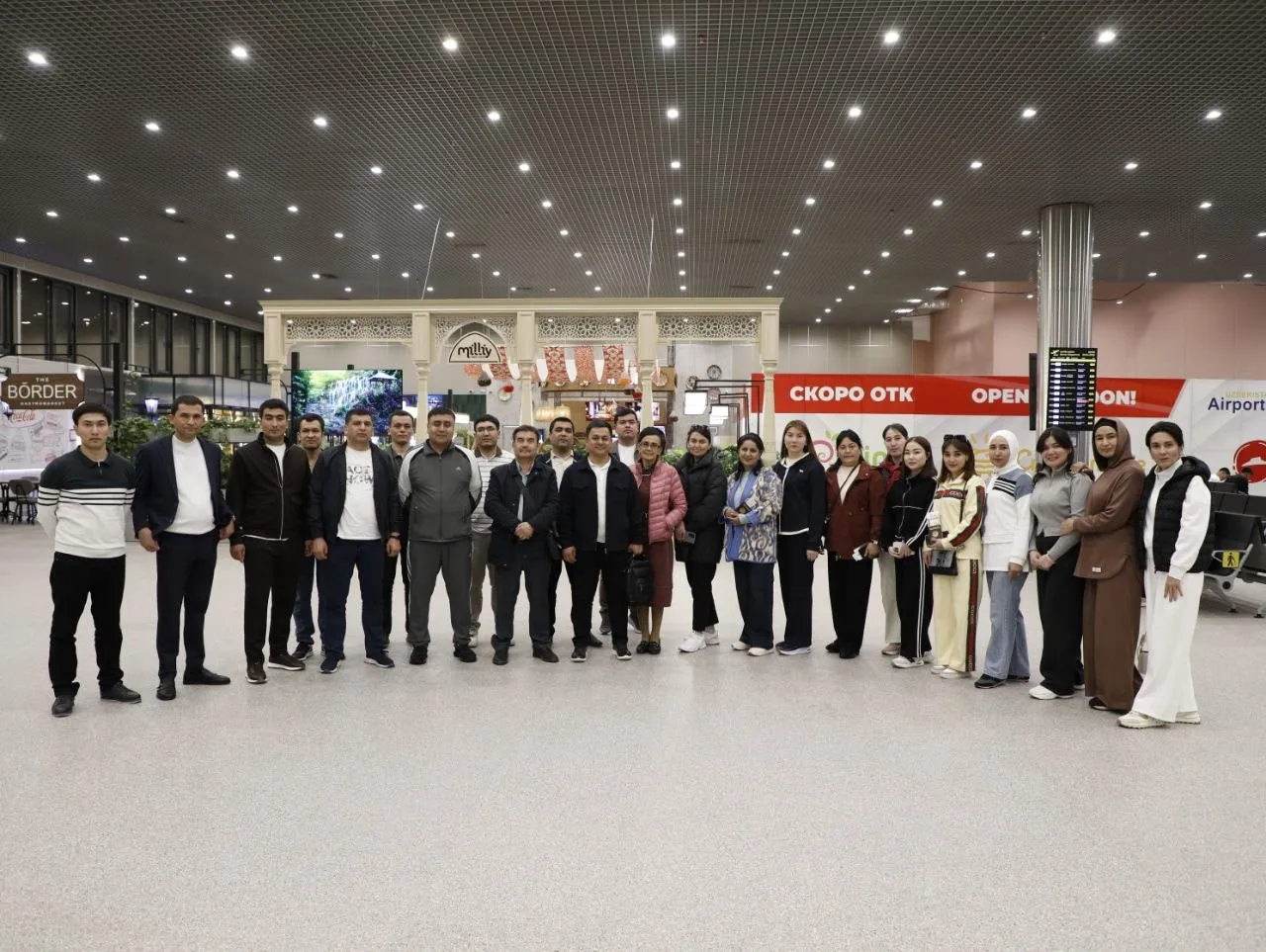
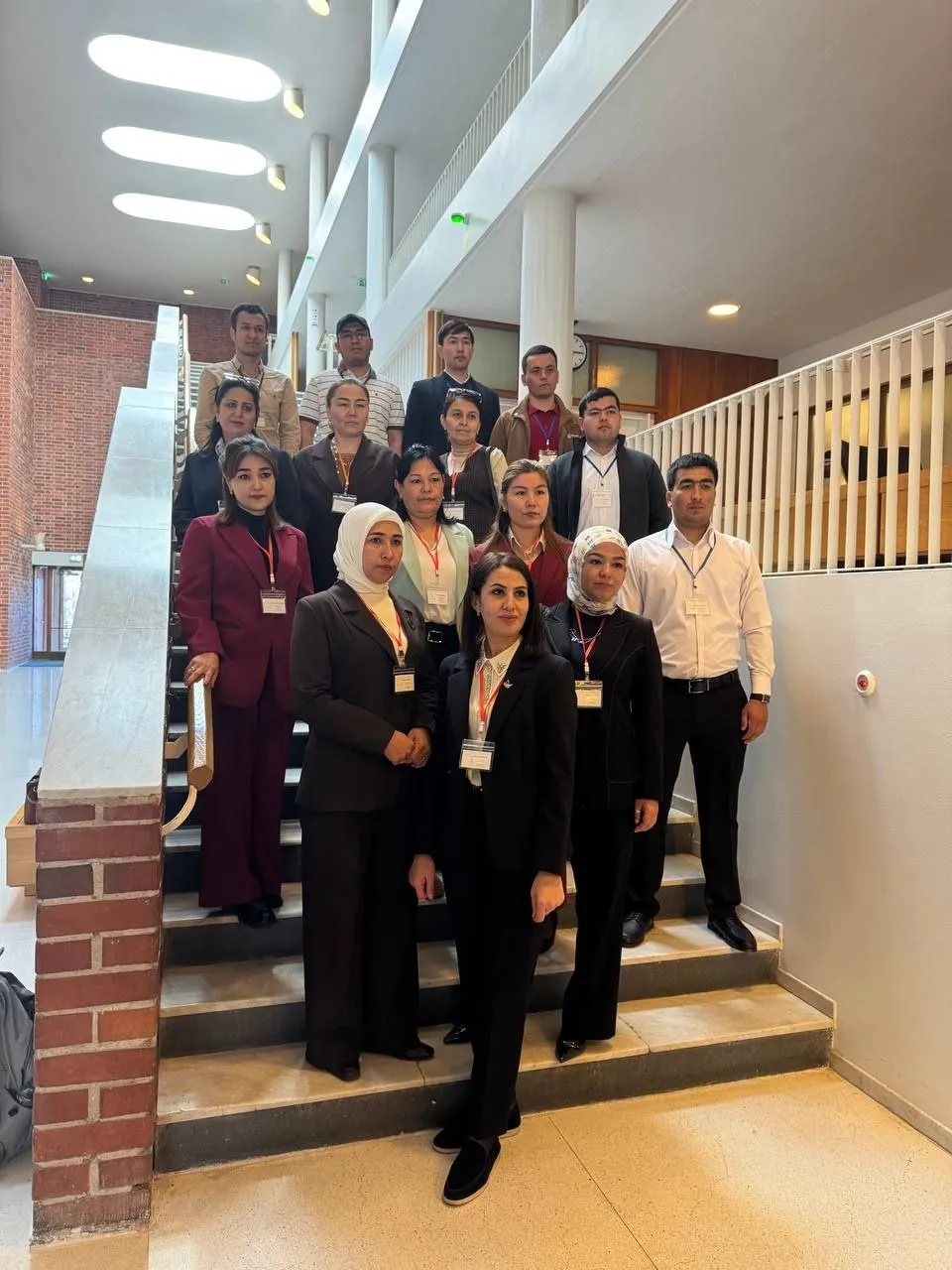
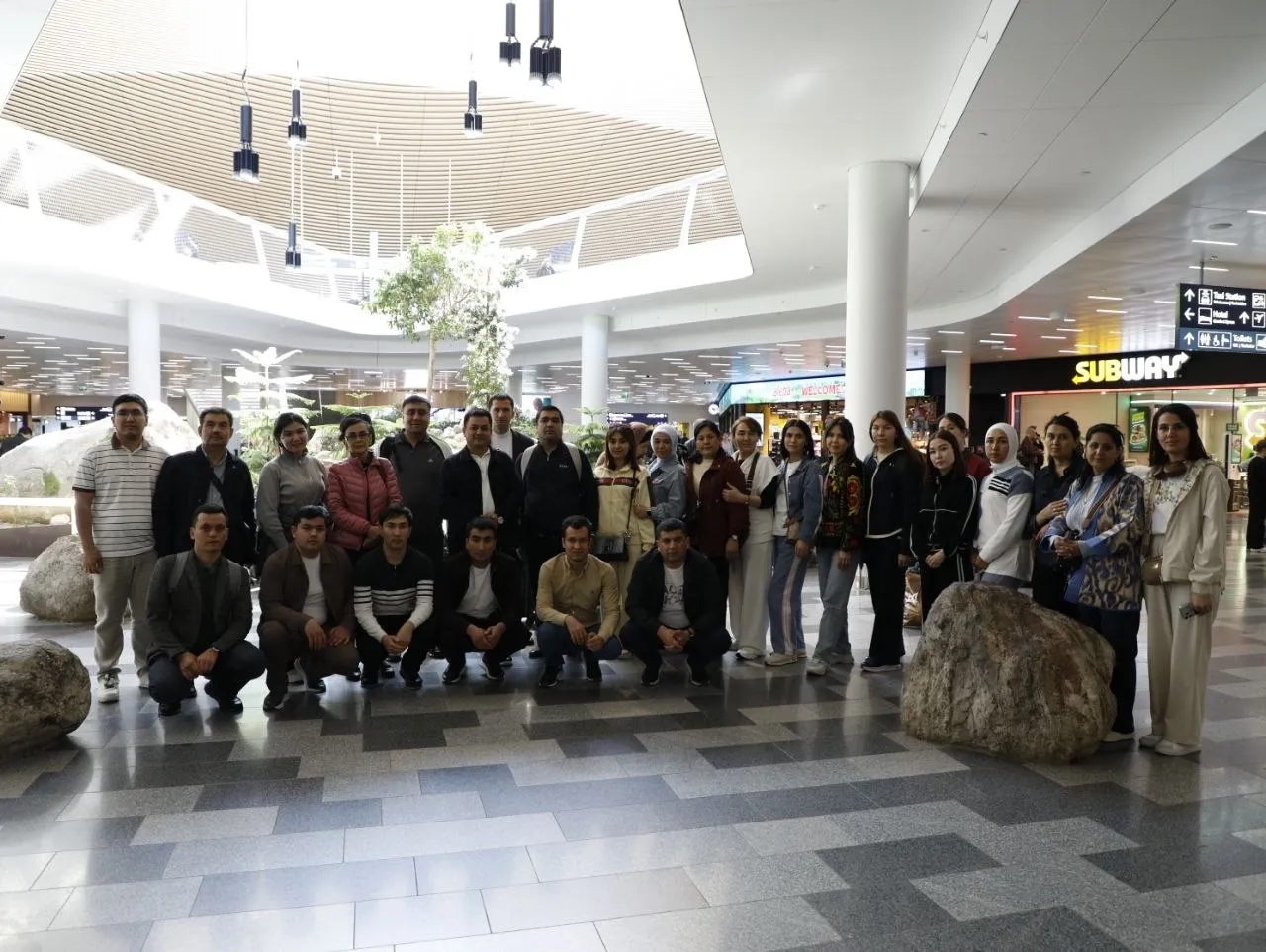
The latest joint international professional development program organized by the “Nordic Training” Center of the International Nordic University has officially entered an active phase.
The cohort of participants is notably distinguished: alongside 14 professors and lecturers from higher education institutions across the country, the group also includes physics and mathematics teachers selected based on the Tashkent experience, who were awarded educational vouchers as winners of the Toshkent hokimi sovrini olimpiadasi. This unique composition ensures a productive synergy of academic expertise and practical teaching experience.
Currently, the participants are based in Jyväskylä, where they are undergoing training within the advanced educational environments of Finlandiya and Shvetsiya. The program offers in-depth exposure to a continuous education system spanning from early childhood to higher education, alongside teacher training models, contemporary pedagogical methodologies, and mechanisms for educational digitalization.
The Finnish education model continues to stand out globally for its effectiveness and sustainability. Its core strengths lie in a learner-centered approach, the high professional status of teachers, the extensive integration of innovative and digital solutions, and an assessment system that prioritizes motivation over pressure.
Importantly, this program goes beyond conventional experience exchange by incorporating a transfer mechanism—aimed at adapting acquired knowledge and practices to the Uzbek education system and implementing them in practice. Upon completion, participants are expected to apply advanced methodologies, expand digital learning environments, and contribute to elevating the overall quality of education to a new level.
In today’s global educational landscape, competitiveness is defined not only by knowledge, but also by systemic thinking and innovation. This initiative, led by the “Nordic Training” Center, effectively integrates these key dimensions—knowledge, experience, and transformation—thereby laying a solid foundation for the sustainable development of national education.


Latest news

Islamic Civilization: A Journey into Living History
During this experience, participants gained in-depth insight into Uzbekistan’s rich historical and cultural heritage, as well as the profound contributions of our great ancestors to science, culture, and global civilization—presented through modern interpretive approaches.
The Center’s advanced exhibitions, rare historical sources, and interactive displays left a lasting impression on the students. Through virtual environments, multimedia solutions, “time capsules,” and thematic installations, they were able to vividly explore and comprehend the stages of formation and development of Islamic civilization in Uzbekistan.
This visit became a meaningful step toward a deeper understanding of knowledge, historical memory, and spiritual values.
Organized under the guidance of professors from the Departments of Economics and Business Management and Industrial Management and Digital Technologies, the экскурсия further strengthened students’ skills in scientific observation, analytical thinking, and critical reflection.

New Compendiums of Applied Knowledge — Ready for Publication
These resources are designed not only to reinforce theoretical foundations but also to cultivate practical competencies essential for today’s dynamic environment.
📘 “Fundamentals of Digital Technologies”
(Authors: Sherzod Rajabov, Istoraxon Abdusalomova)
📗 “Frontend Fundamentals”
(Authors: Munis Abdullayev, Sherzod Rajabov, Akmaljon G‘aniyev)
These manuals are tailored for students of Computer Engineering, as well as for professionals and researchers, offering up-to-date, practice-oriented knowledge aligned with the demands of the modern IT landscape.

The Path to Higher Education: The Nordic Team Engages Directly with Youth Across 14 Regions
The primary aim of this initiative is to raise graduates’ awareness of the importance of higher education, guide them toward informed career choices, and familiarize them with modern educational opportunities.
Within the framework of these meetings, face-to-face dialogues are being organized with school students. Through presentations, brochures, video materials, and real-life examples, participants are introduced to the latest reforms in the education system, contemporary learning processes, and effective pathways to becoming competitive professionals in today’s labor market.
In particular, during a meeting held at School No. 30 in the Sirdaryo Region, an open discussion was conducted with graduating students on the role of higher education in both individual and societal development, as well as the expanding opportunities for pursuing academic studies today. Using the example of the International Nordic University, students are gaining in-depth insights into перспективные academic programs, international cooperation initiatives, and the academic environment.
Similar educational outreach meetings have also been organized at School No. 1 in the Republic of Karakalpakstan, School No. 12 in the Namangan Region, Schools No. 2, 21, 28, and 31 in the Bukhara Region, School No. 6 and Academic Lyceum No. 51 (DIMI) in the Andijan Region, as well as School No. 12 in the Khorezm Region.
These meetings serve not only as outreach efforts but also as meaningful platforms for social and educational dialogue. They provide young people with the opportunity to receive direct answers to their questions and to define clear pathways for their personal and professional development.
This initiative by the Nordic team is becoming a significant force in strengthening the connection between education and young people stepping into adult life, while also fostering a deeper awareness of the value of knowledge and higher education among graduates.
Meetings with young people continue across all regions.

Tashkent International Mathematics Olympiad — A Reflection of Educational Quality
This stage plays a crucial role in identifying gifted students, ensuring transparent assessment of their knowledge, and fostering a strong intellectual reserve that will contribute to the advancement of science.
The Olympiad is being held simultaneously in offline format across 14 regions, at leading educational institutions in regional centers, in two shifts. A total of 4,288 students from grades 3 to 11—selected based on outstanding performance in the preliminary stage—are participating. The tasks are designed to evaluate students’ logical reasoning, analytical thinking, and depth of knowledge.
Equal conditions are ensured for all participants, while transparent and fair assessment mechanisms are applied throughout the process. The high level of motivation demonstrated by participants reflects the growing interest in science and education among the younger generation. Based on the results of this stage, the strongest participants will advance to the final round.
For reference: The Tashkent International Mathematics Olympiad is organized by the International Nordic University and the IDC Education Center in cooperation with the Ministry of Preschool and School Education of the Republic of Uzbekistan, UNICEF, Rowan University (USA), Karelia University of Applied Sciences (Finland), UzReport TV, and Asia Alliance Bank, among other partners. The Olympiad is being held for the third time in 2026.
The Tashkent regional stage is hosted by the International Nordic University. In the first shift, students of grades 5–8 participated.
The second shift (14:00) will bring together students of grades 3, 4, 9, 10, and 11.