

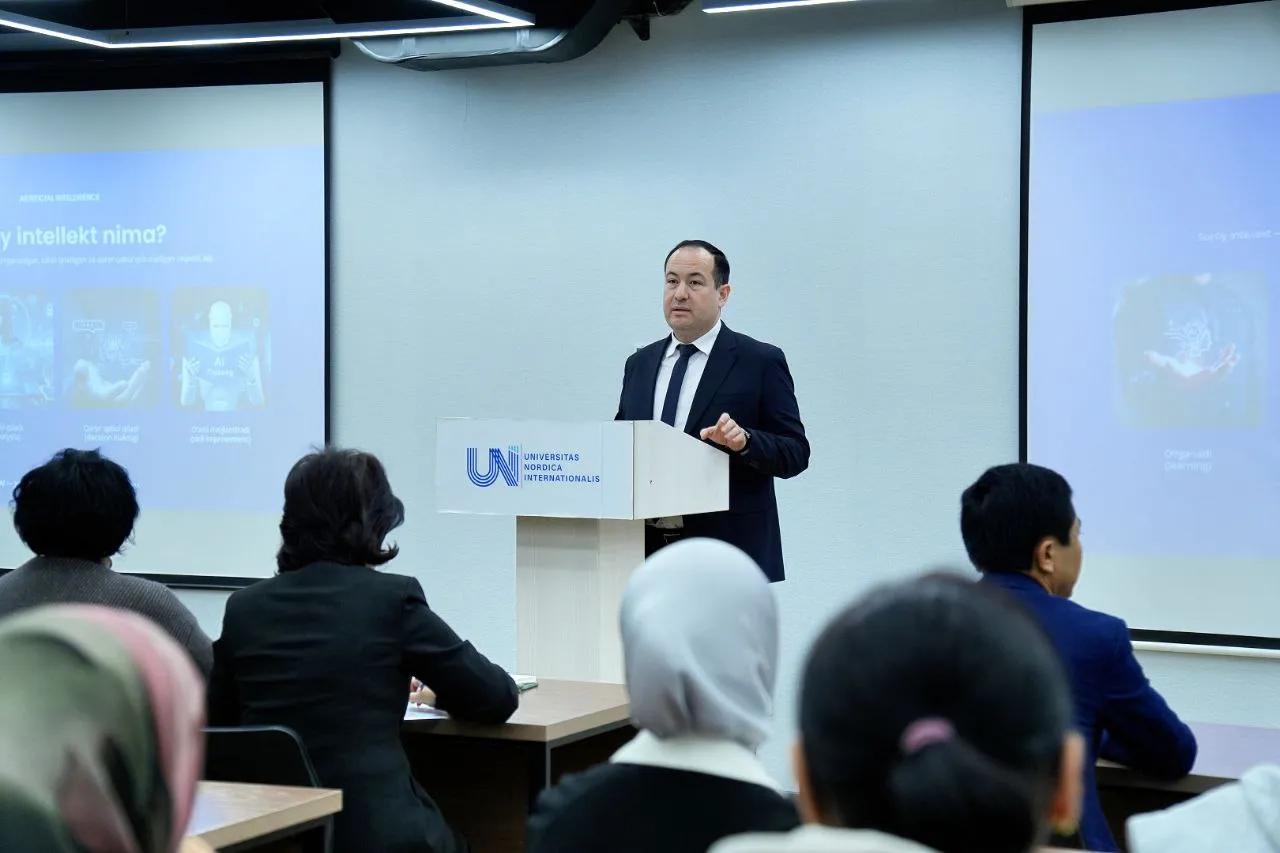
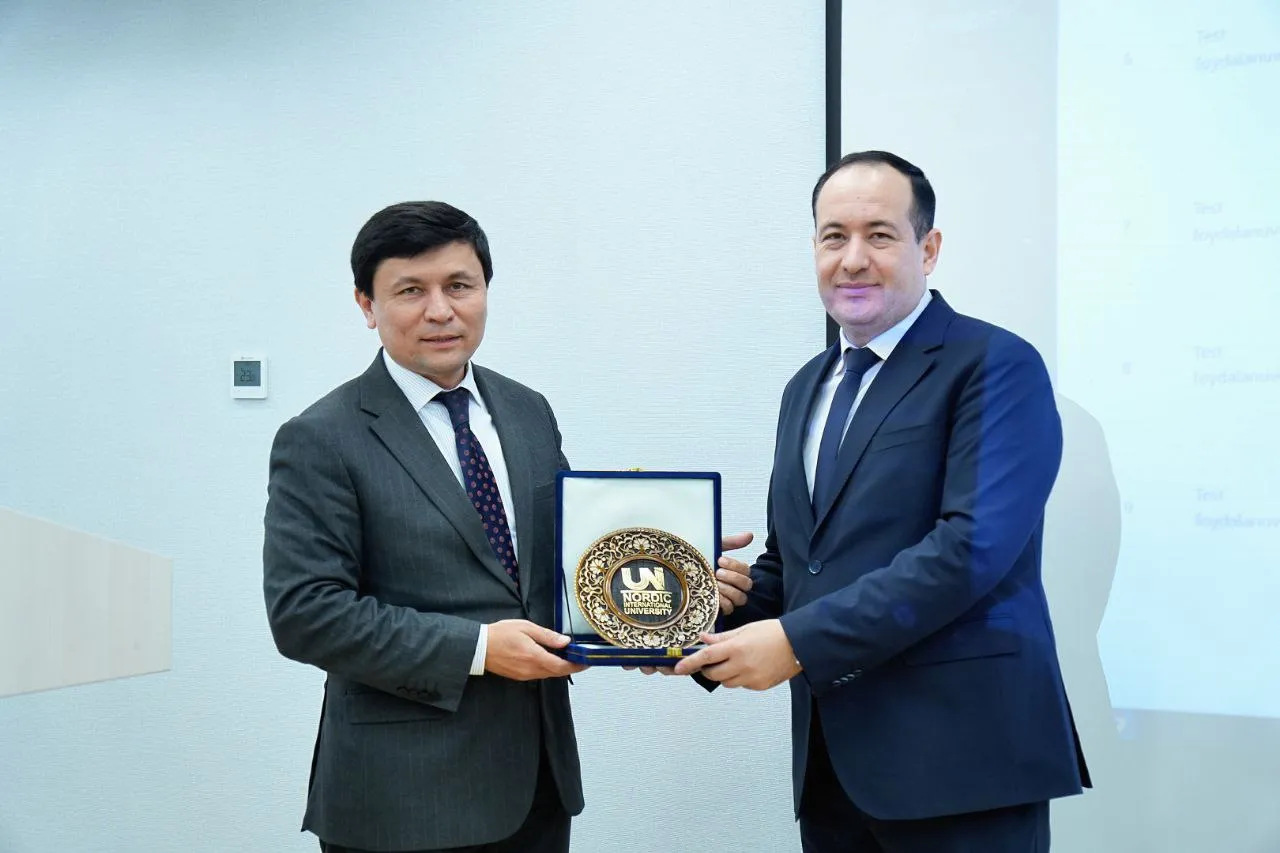
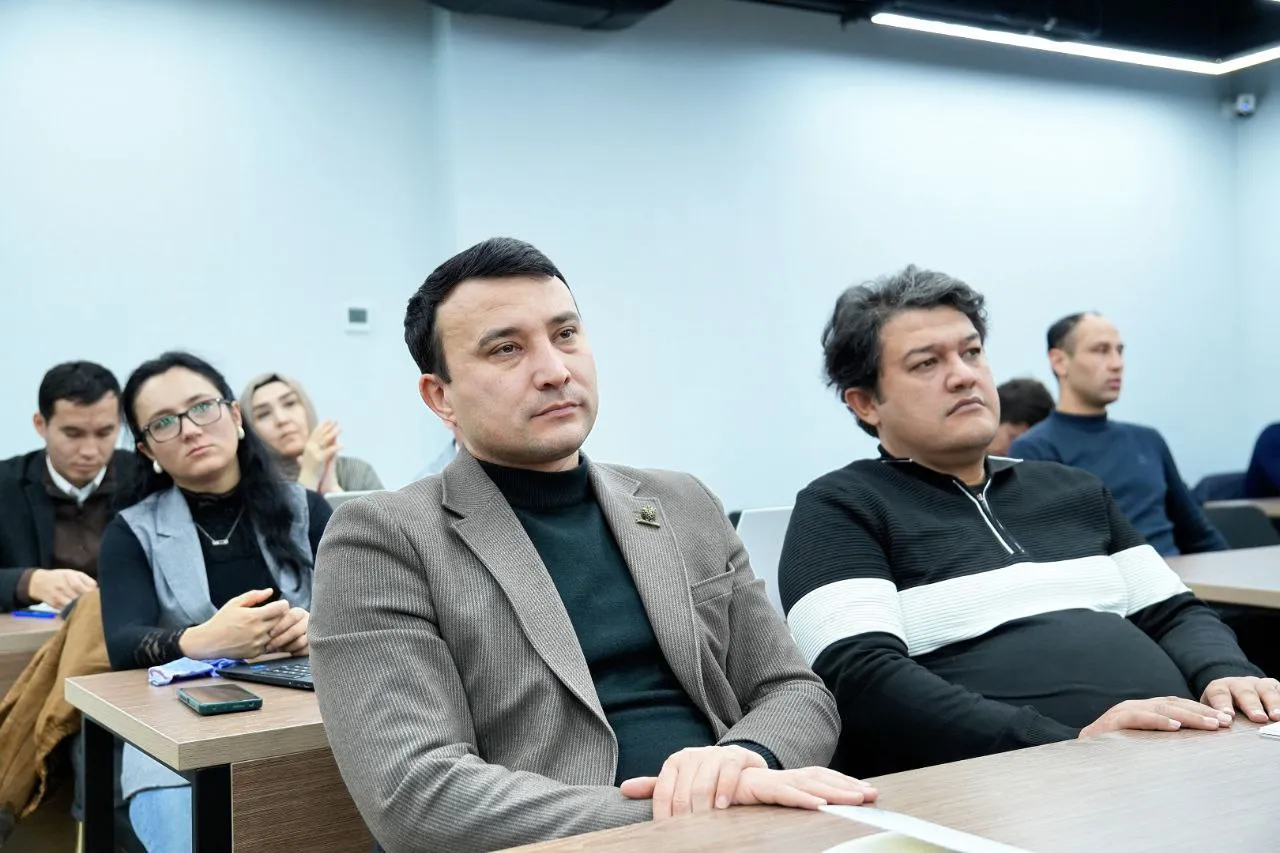
At the seminar, Alisher Abdullayev, Director of the Center for the Development of Digital Education Technologies under the Ministry of Higher Education, Science and Innovation of the Republic of Uzbekistan, shared new knowledge and practical experience with faculty members on global trends, applied solutions, and strategic approaches that are fundamentally transforming higher education.
Quote:
“Artificial intelligence learns, analyzes, makes decisions, and develops itself like a human. Today it is an assistant; tomorrow it will become a strategic partner in education.
• Universities are no longer factories, but centers of innovation.
• Future universities are based on the principle of knowledge + personalization, individualization + global integration.
• Individual work with each student is now becoming a real opportunity.
• Modern university laboratories must have GPU servers, because artificial intelligence cannot develop without infrastructure.
• AI can assist in writing articles, but it cannot replace the researcher.
• Universities should no longer chase technology, but become centers that create and manage it.”
During the seminar, modern university models were analyzed in depth, and the importance of moving toward the concepts of University 4.0 and 5.0 was emphasized.
Through AI technologies:
• students’ knowledge levels are analyzed
• learning trajectories are personalized
• efficient use of time and resources is ensured
Artificial intelligence is creating new opportunities for students, teachers, and universities.
The speaker paid special attention to the practical application of AI in educational processes, including:
• analysis and assessment of essays,
• automatic generation of tests and assignments,
• in-depth analysis of GPA and academic activity,
• monitoring examinations through AI proctoring.
Scientific research and AI mean both opportunity and responsibility. The seminar thoroughly analyzed not only the possibilities of using AI in scientific activity, but also the risks:
• incorrect conclusions
• misinterpretation of context
• errors related to citations and authorship
• decline in the quality of original research
Issues such as the DOI system, adherence to academic ethics, and avoiding predatory journals were also highlighted as pressing scientific concerns.
Today, administrative, academic, and financial processes in higher education are fully digitized:
207 higher education institutions, 1.7 million students, 45,000 faculty members, 30 key information systems, and 40 electronic services have been integrated into a single platform.
Through HEMIS AI, students receive individualized academic and career recommendations; AI mock interviews are conducted; resumes and vacancies are matched; and graduate employment is monitored.
The seminar once again emphasized that artificial intelligence in higher education is not the future, but a tool of today. The main task is to use technology wisely, responsibly, and in accordance with scientific ethics.
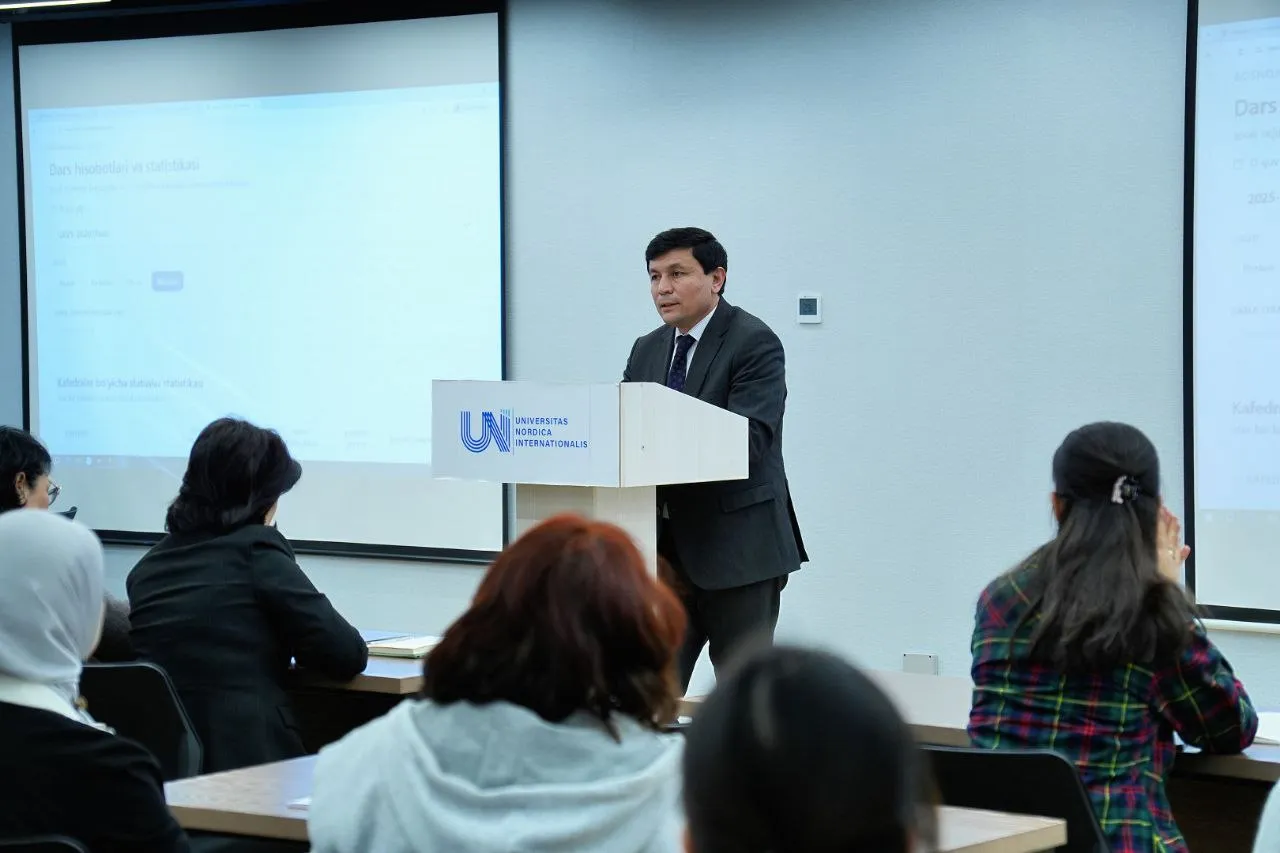
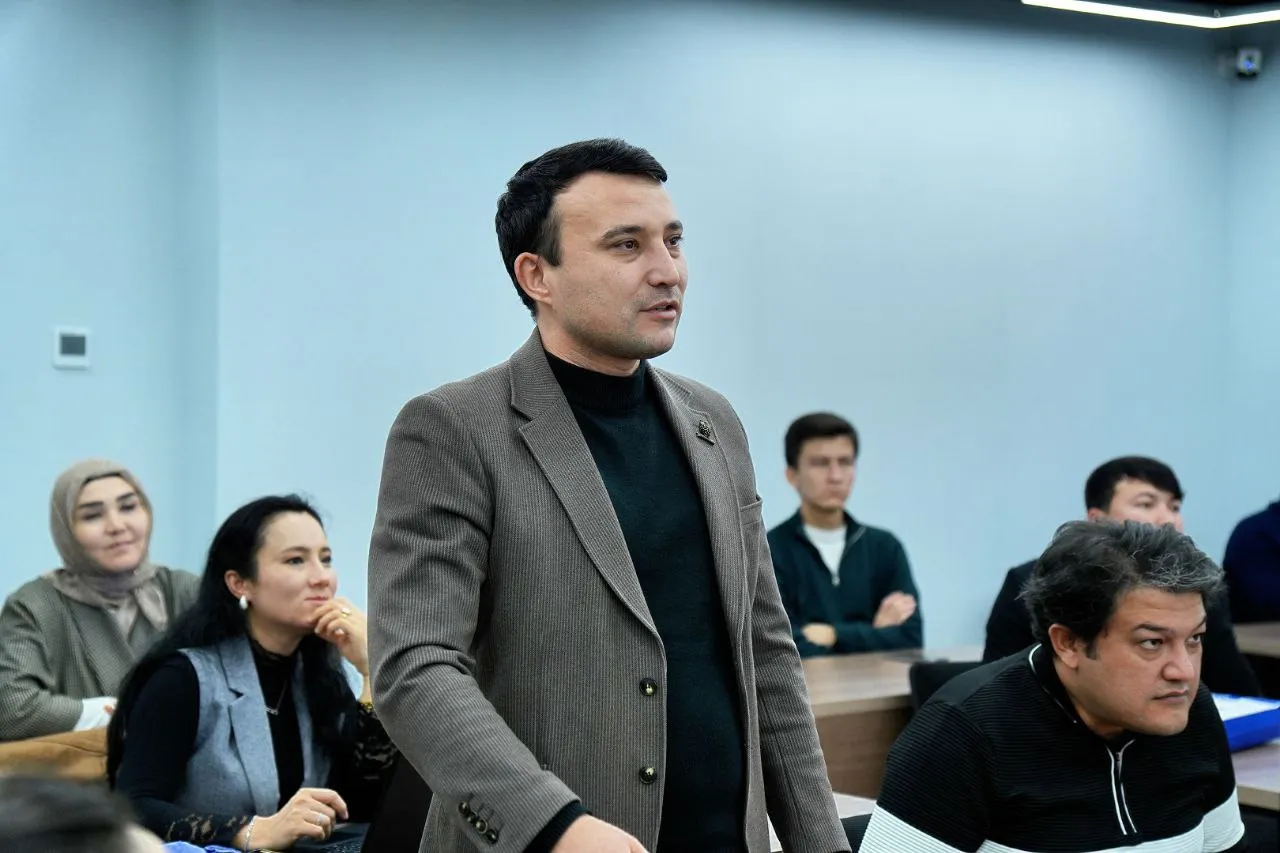
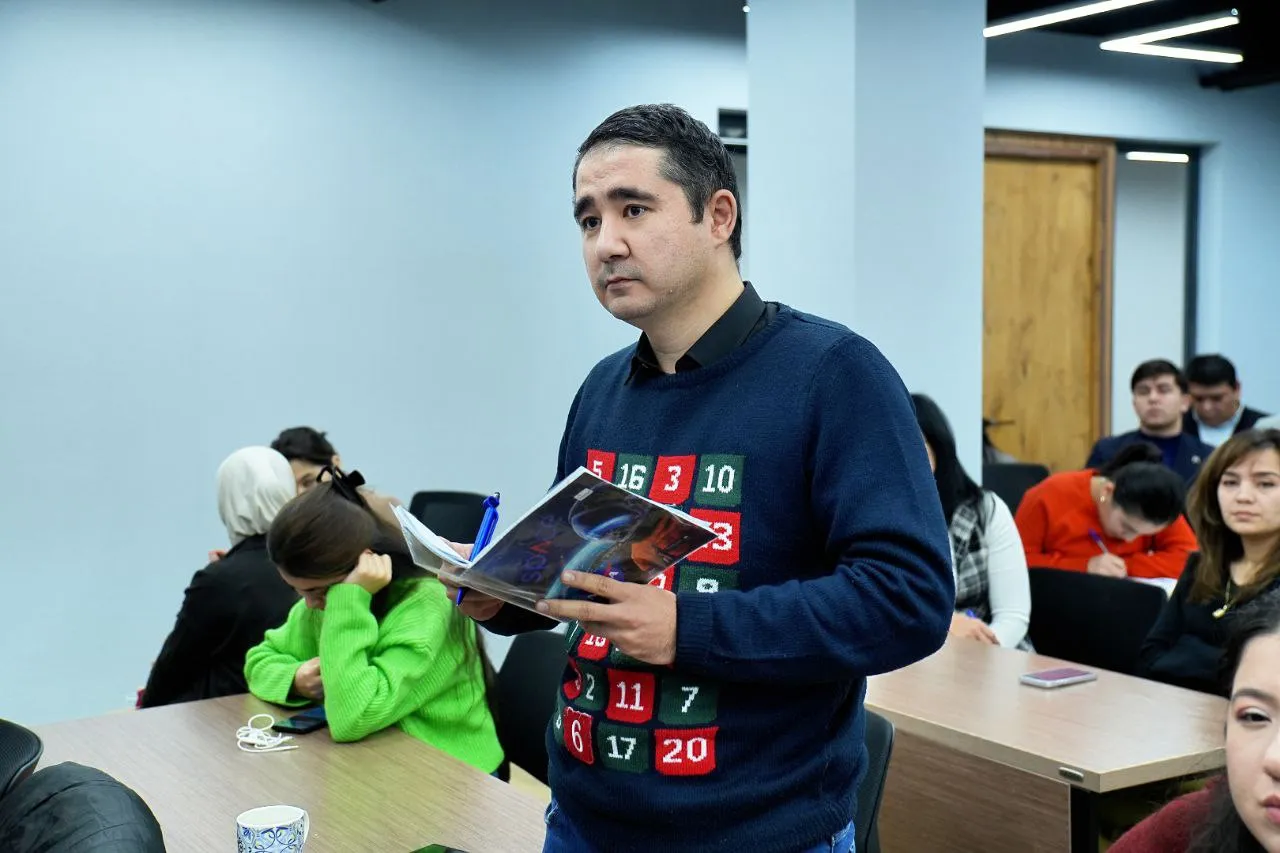
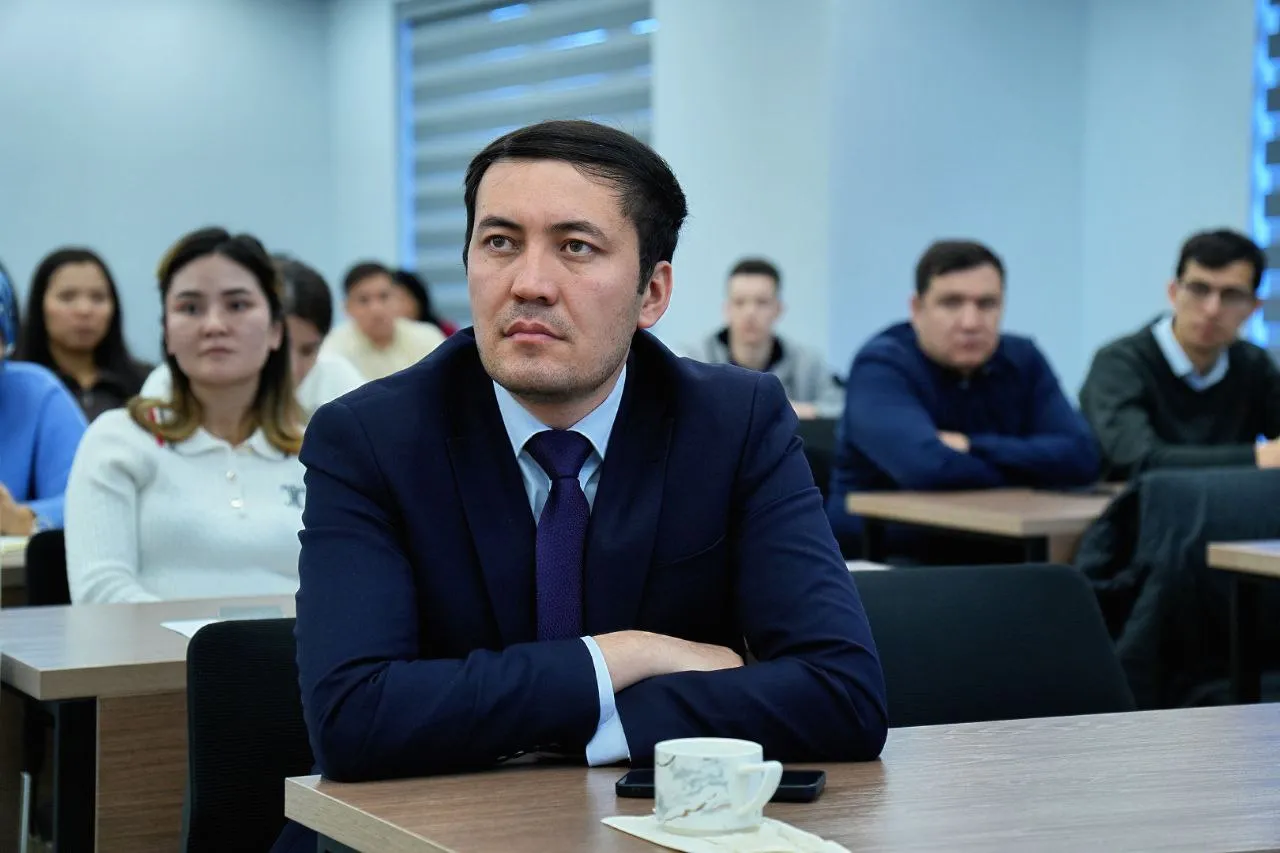
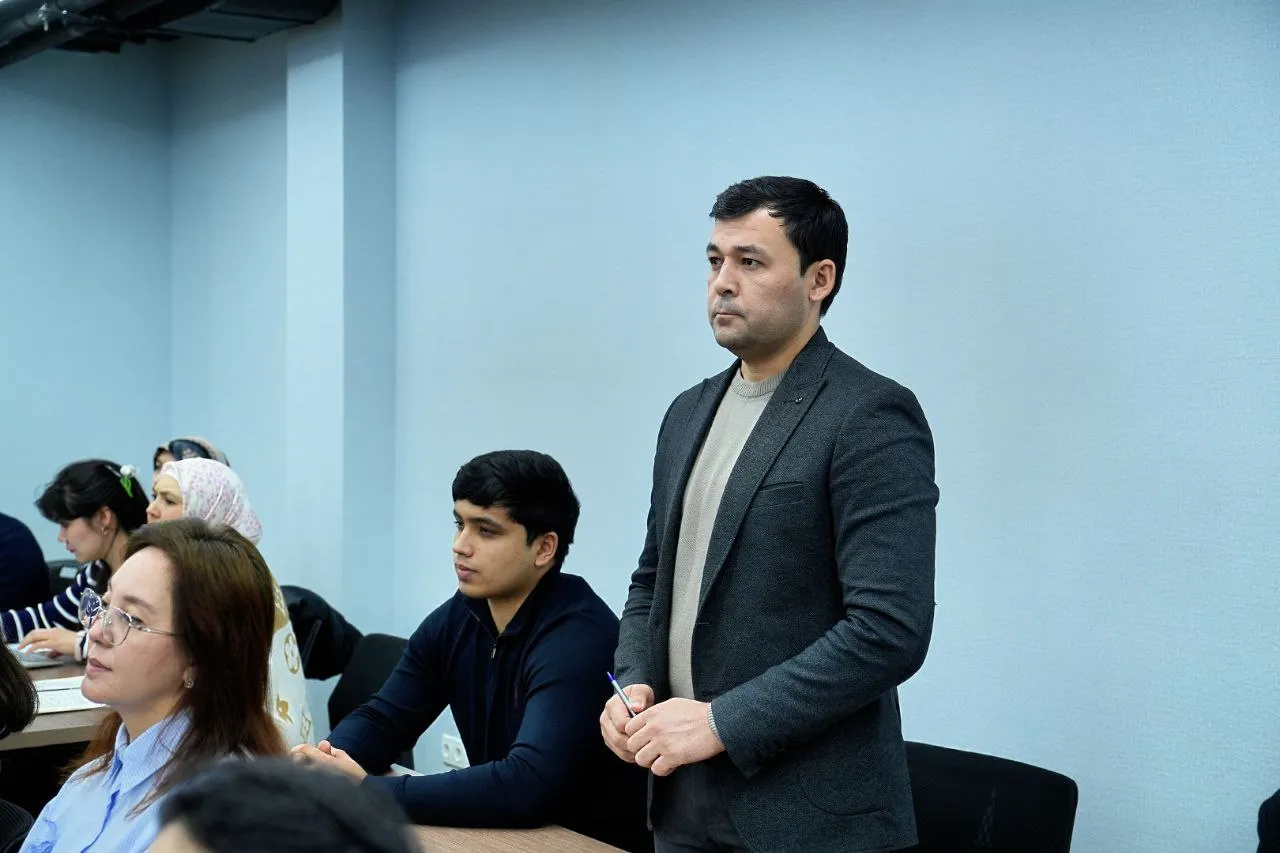
At the end of the seminar, faculty members’ suggestions and feedback were heard, and their questions were answered.



Follow Nordic on social media