University Council


The University Council is the standing supreme collegial body of Nordic International University. The Council decides on the main areas of the university's activity, hears reports from its leaders and oversees the implementation of its decisions.
Council members
Approved under Annex 2 to Meeting No. 1 of the University Council. 30 January 2026, Rowan Building, Meeting Room (102).
31 members
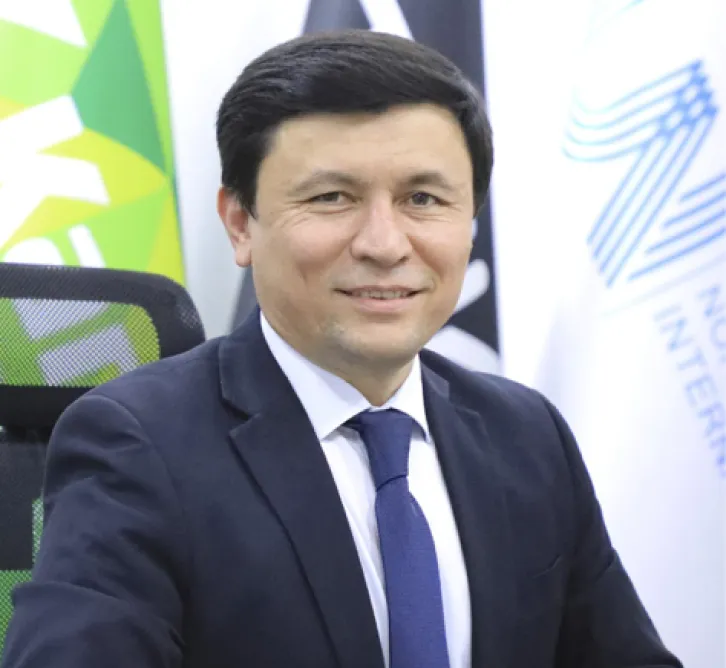 1Sherzod Mustafaqulov IgamberdiyevichRectorLeadership
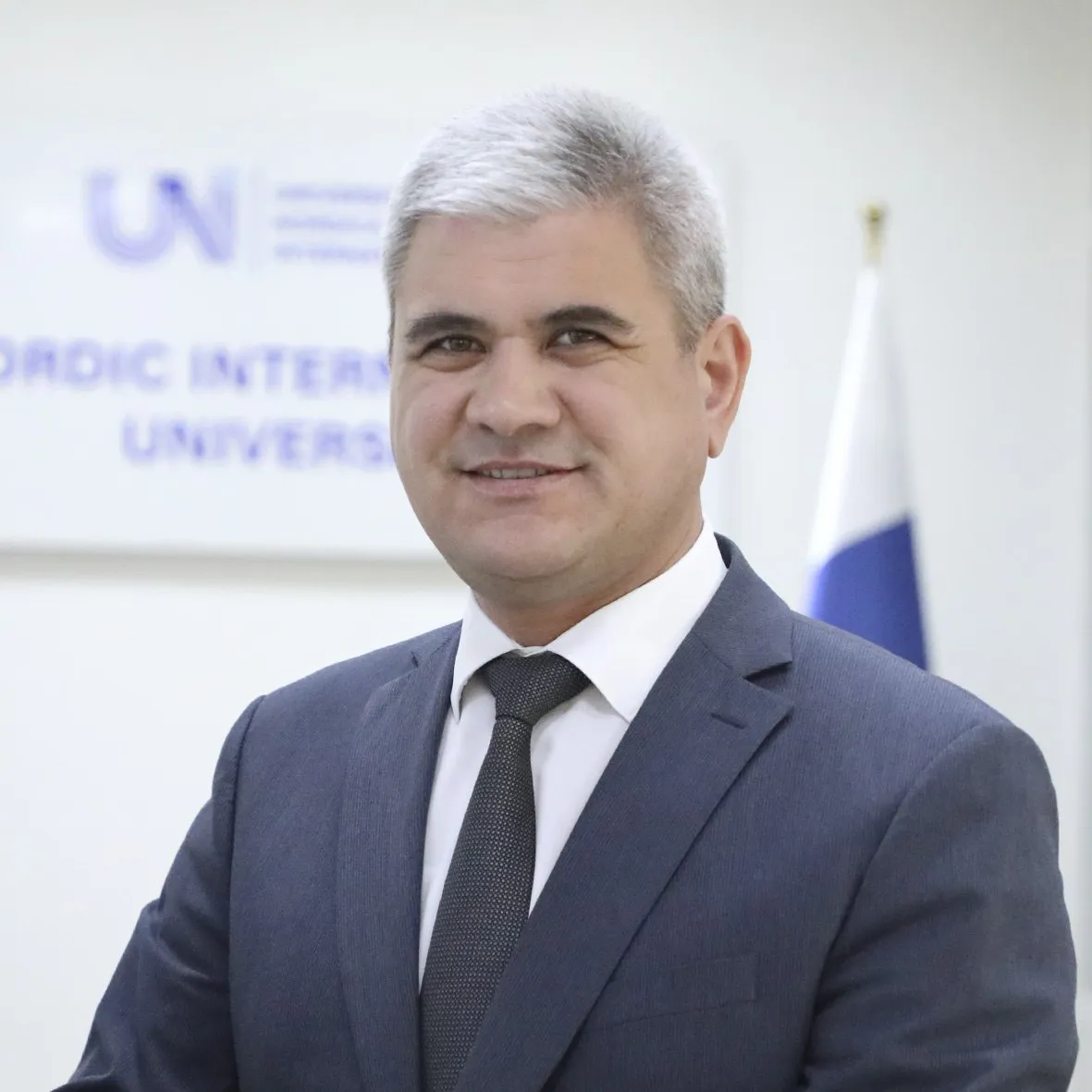 2Muhammadsiddiq AmonboyevVice-rector for Academic AffairsLeadership
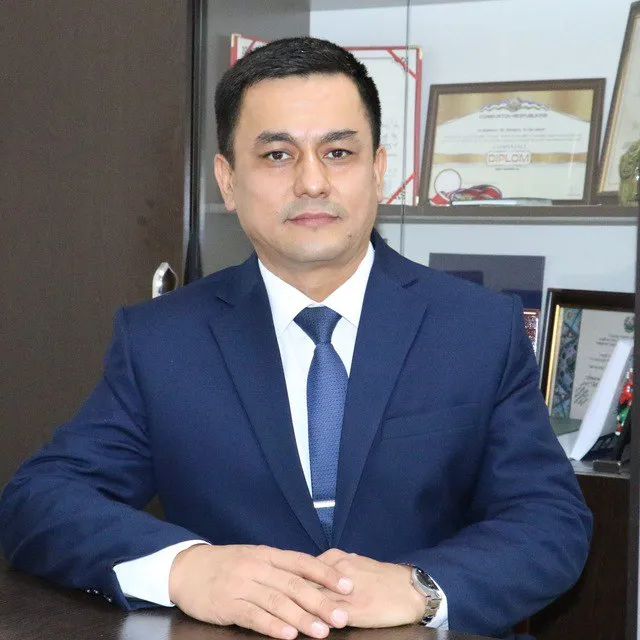 3Odil Qo'ysinov AlmuratovichVice-rector for Scientific Affairs and innovationLeadership
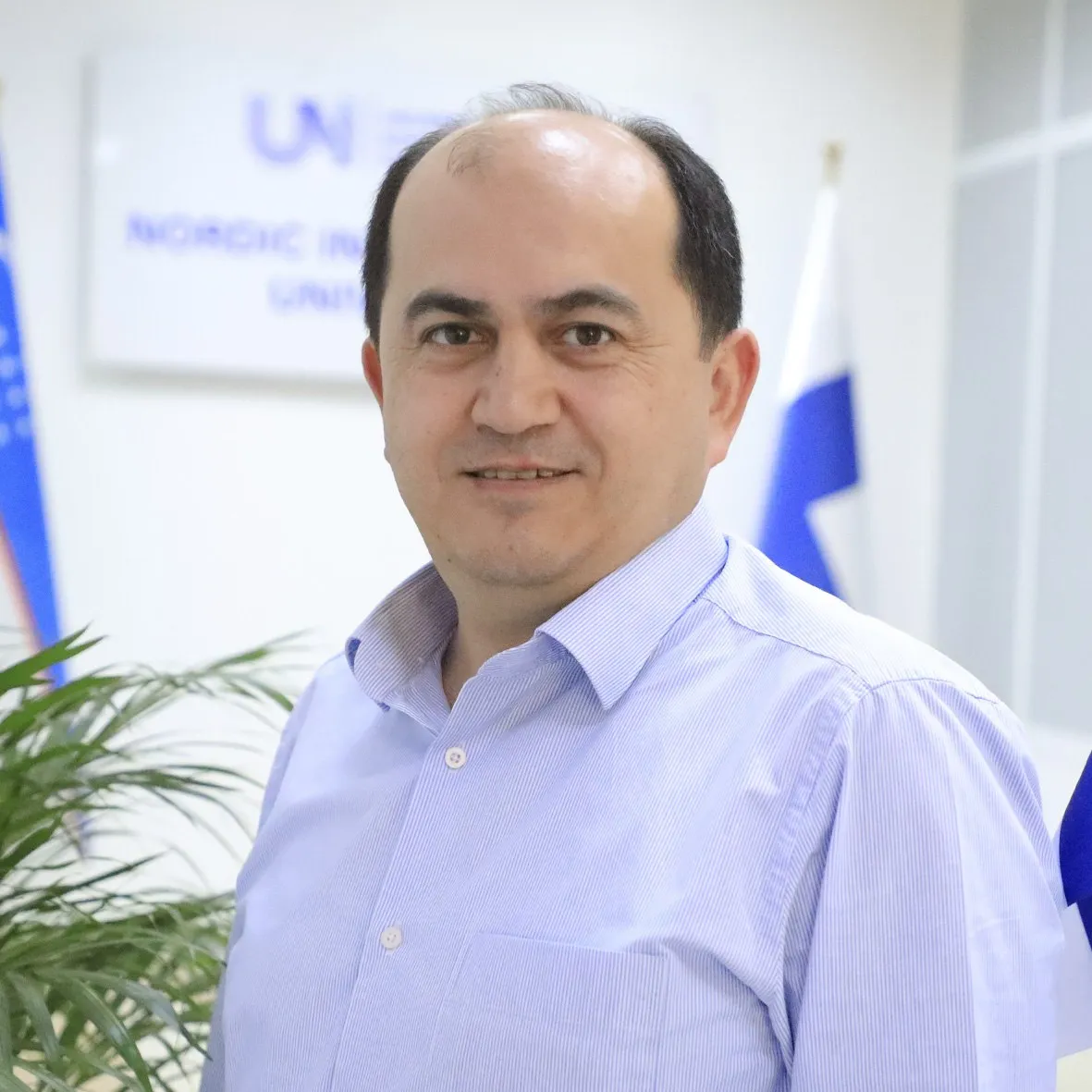 4Nuriddin Muradullayev NasriddinovichVice-Rector for Financial AffairsLeadership
- AO5Akramov Olimxon AxrarovichAdviser to the RectorLeadership
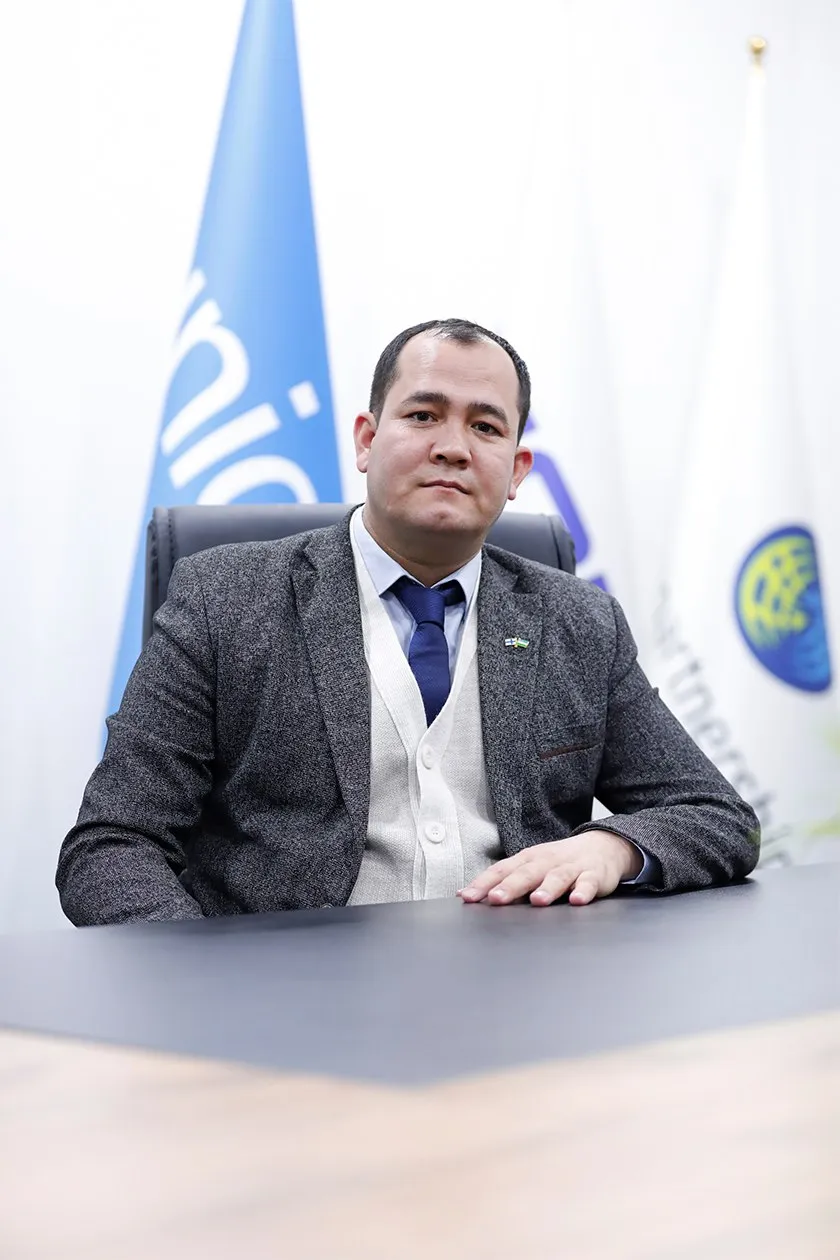 6Haydarov Abduvohidjon Nurmamat o‘g‘liChief AccountantHeads of divisions and units
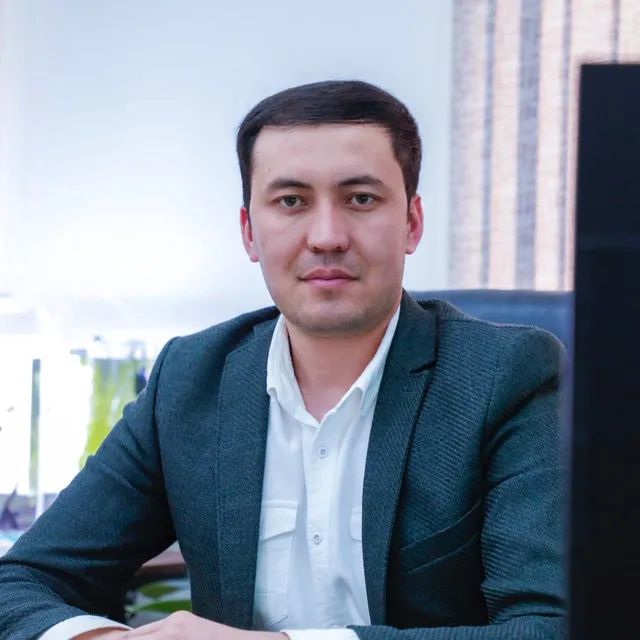 7Raximberdiyev Oybek Alisher o‘g‘liHEAD OF ACADEMIC AFFAIRS DEPARTMENTHeads of divisions and units
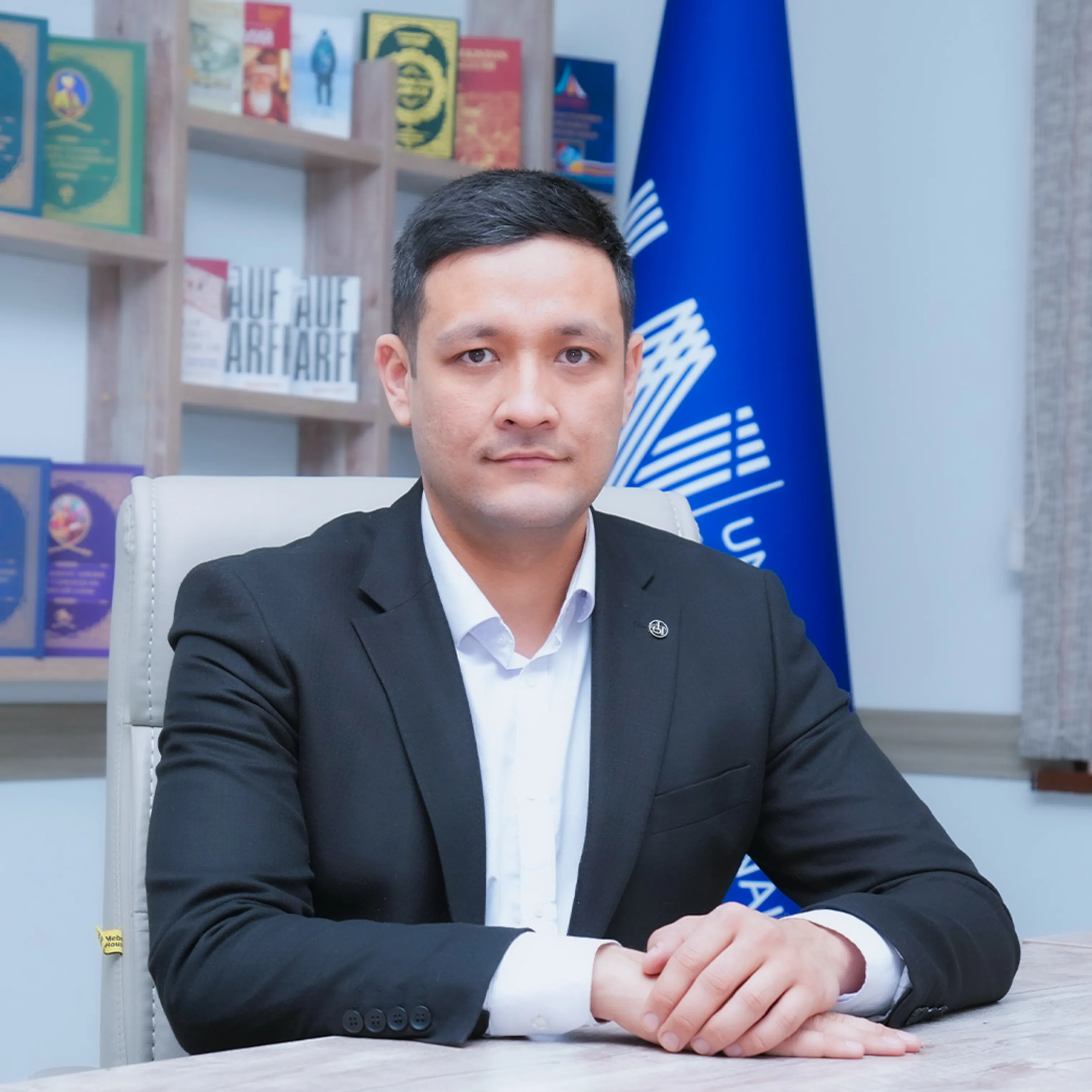 8Maksudov Mashxurbek Abdurahim o‘g‘liHead of the Education Quality Development DepartmentHeads of divisions and units
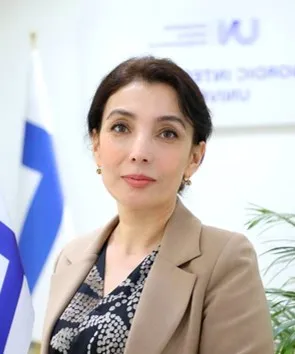 9Xamidova ZulfiyaDean of Graduate SchoolDeans
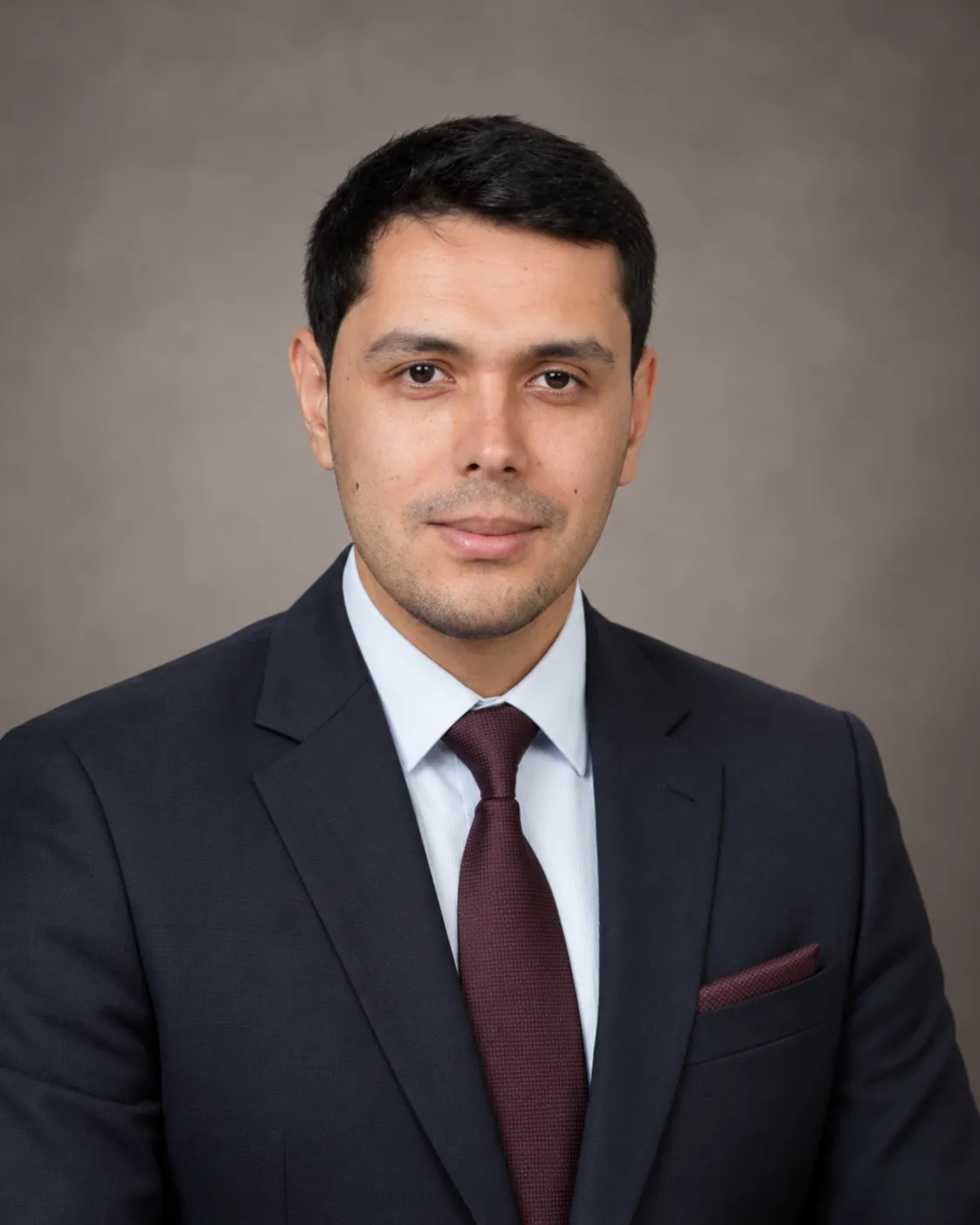 10Umarov ElshodDean of the Faculty of Economics and PedagogyDeans
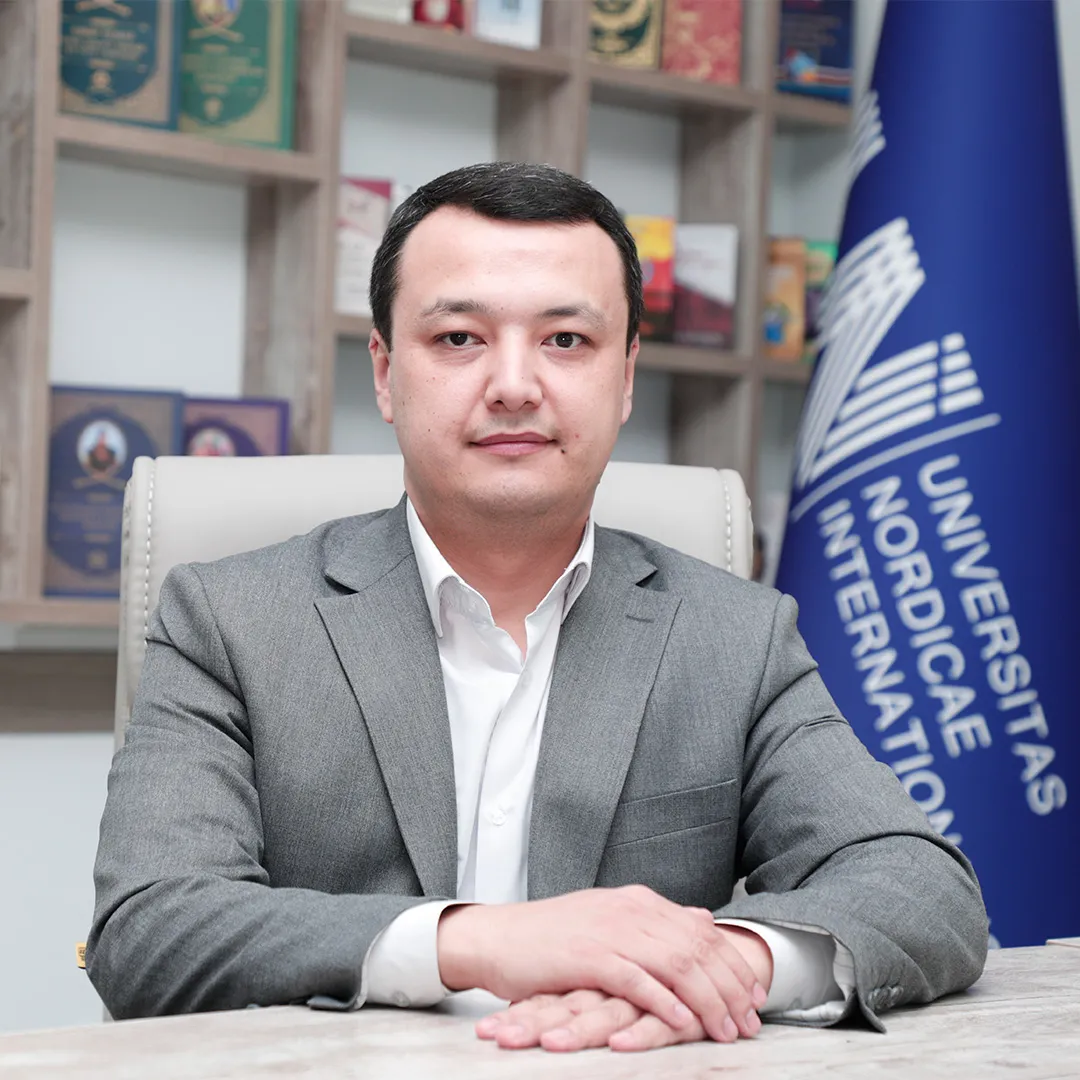 11Irisqulov Farxod SultonboyevichHead of the Research and Innovation DepartmentHeads of divisions and units
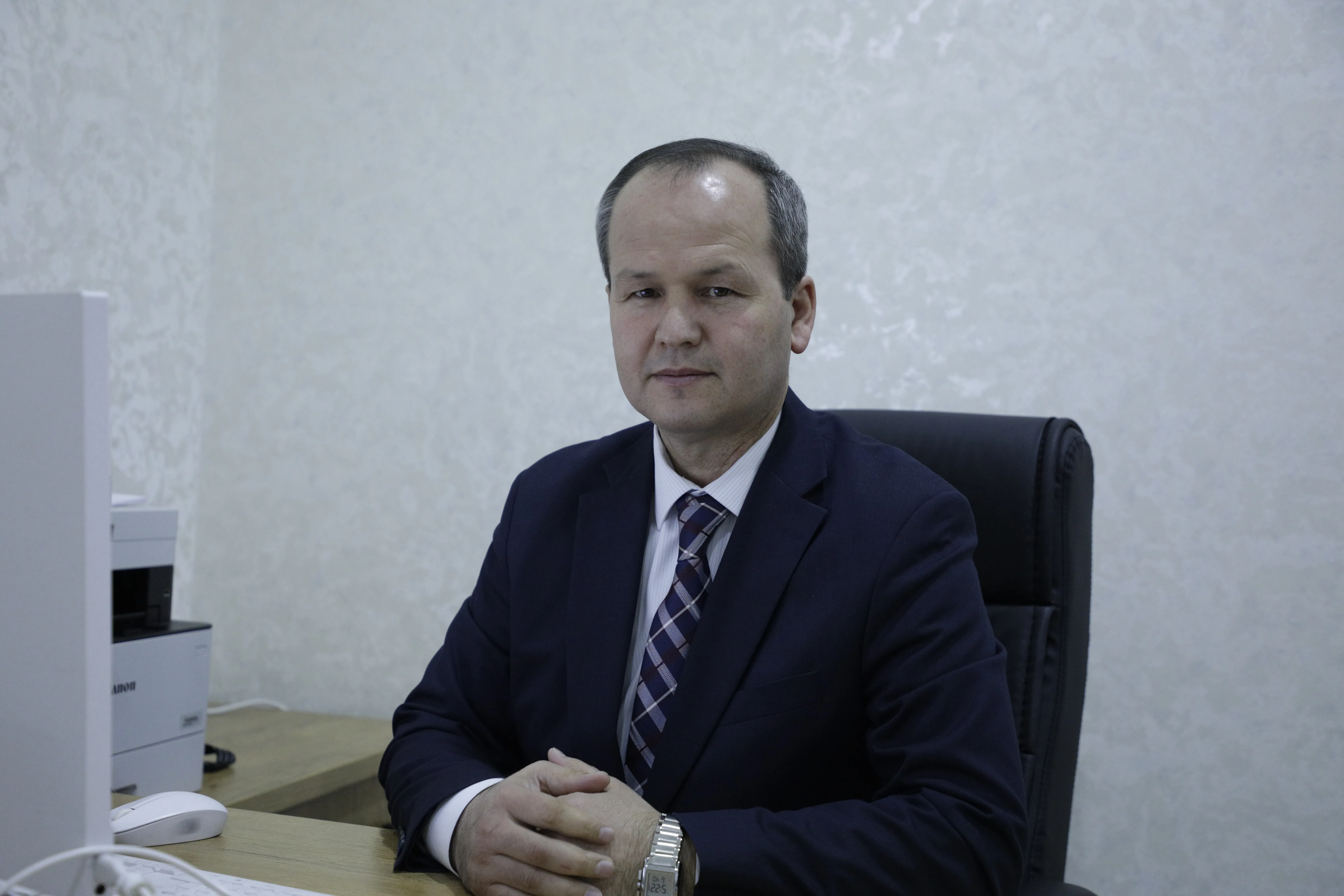 12Qodirov Najmiddin Ne’matovichHead of the Chair of Social Sciences and JournalismHeads of departments (chairs)
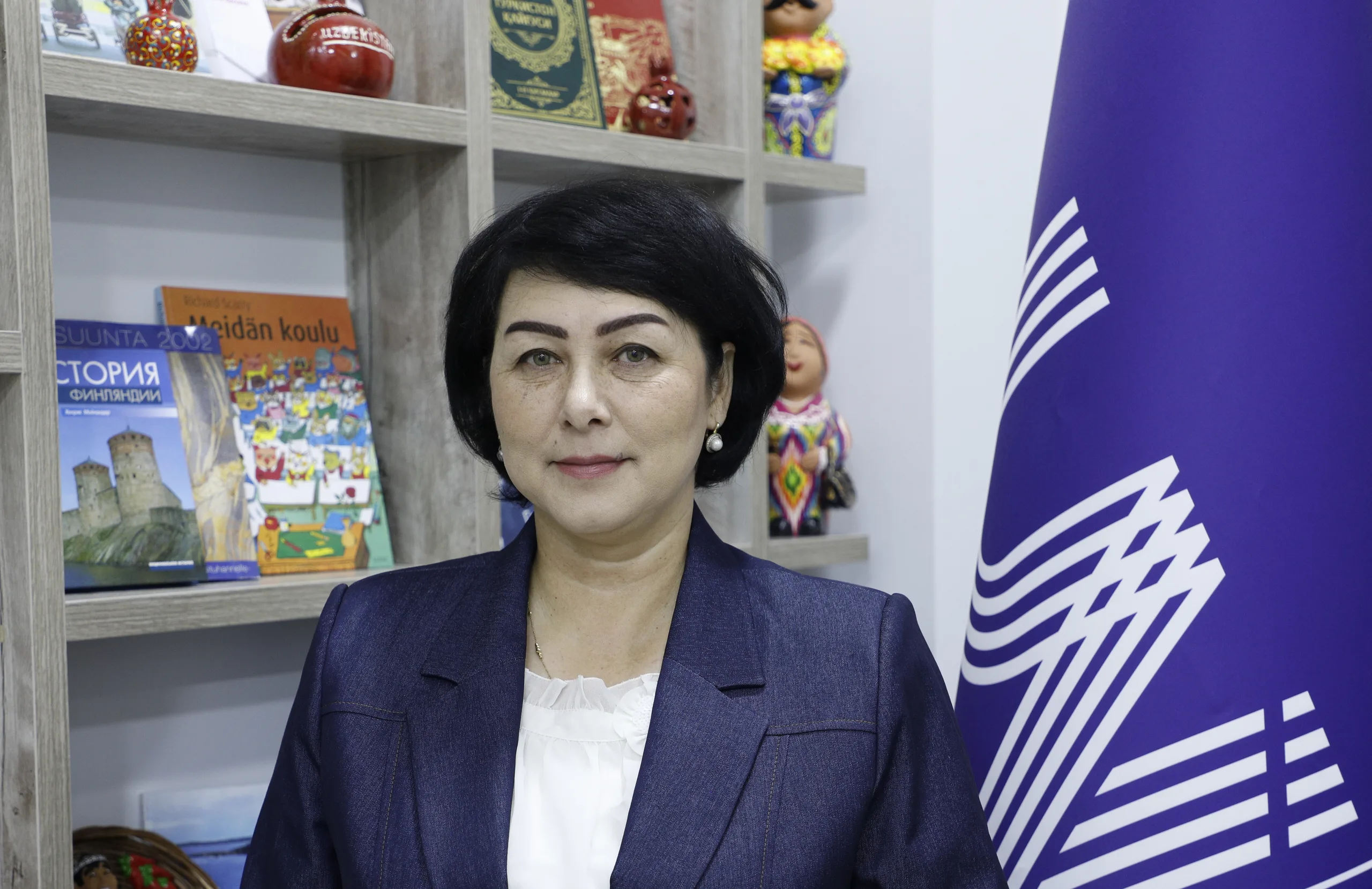 13Lutfullayeva Nigora XalimbayevnaHead of the Chair of Psychology and Preschool EducationHeads of departments (chairs)
- MD14Miraliyeva DilafruzHead of the Chair of PedagogyHeads of departments (chairs)
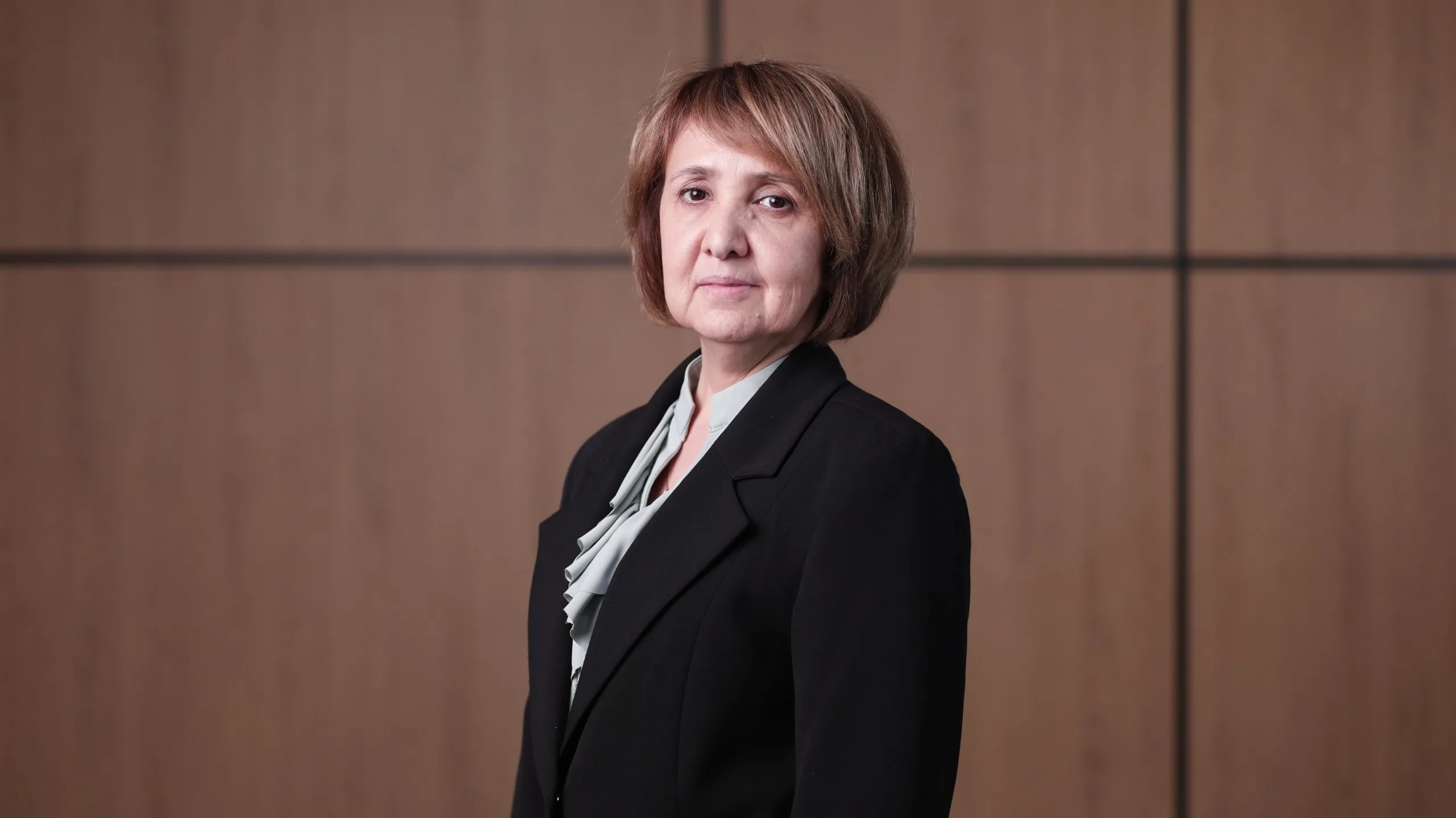 15Narbekova Zuxra TadjibayevnaHead of the Chair of Foreign LanguagesHeads of departments (chairs)
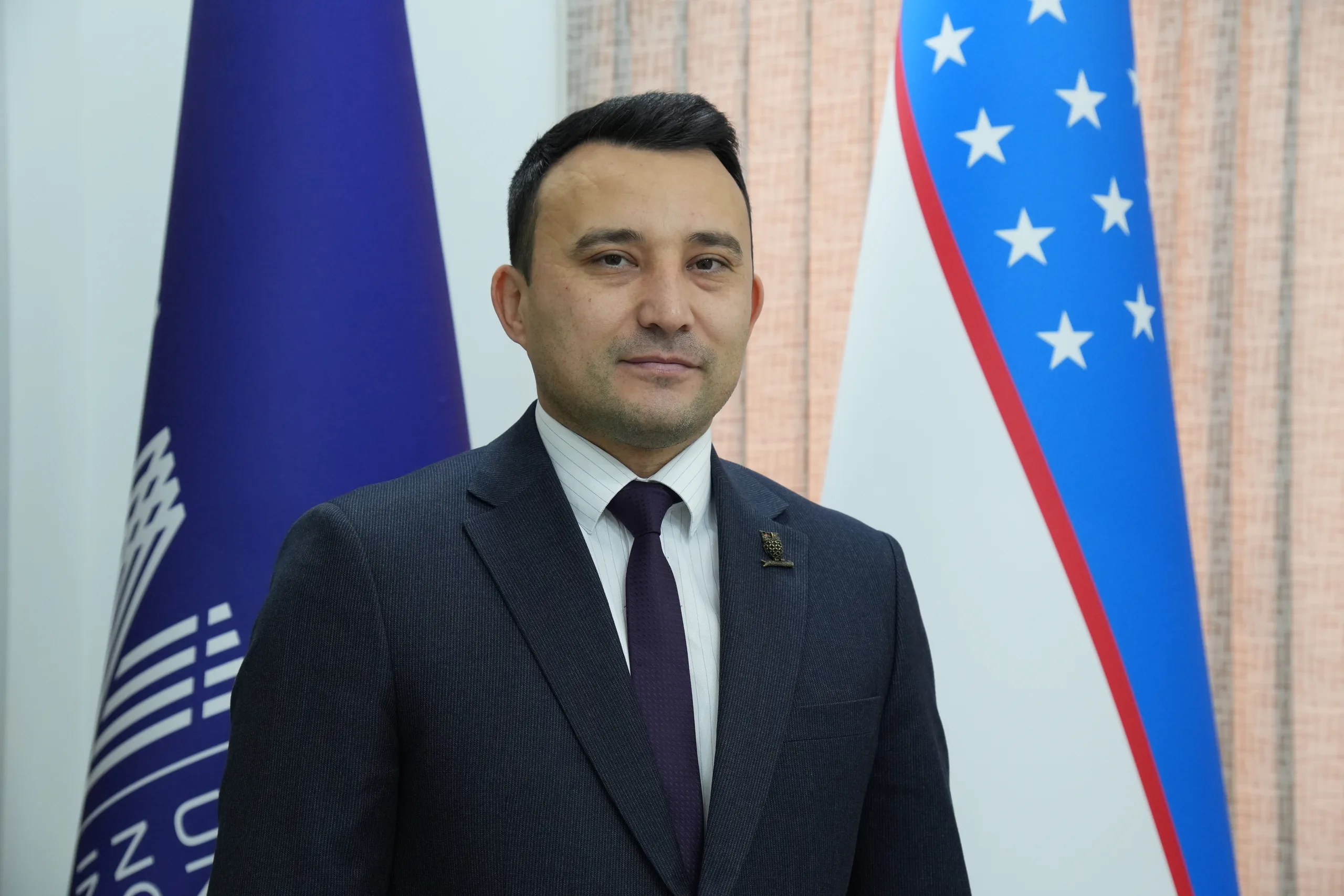 16Sabirov Xasan NusratovichHead of the Chair of Economics and Business ManagementHeads of departments (chairs)
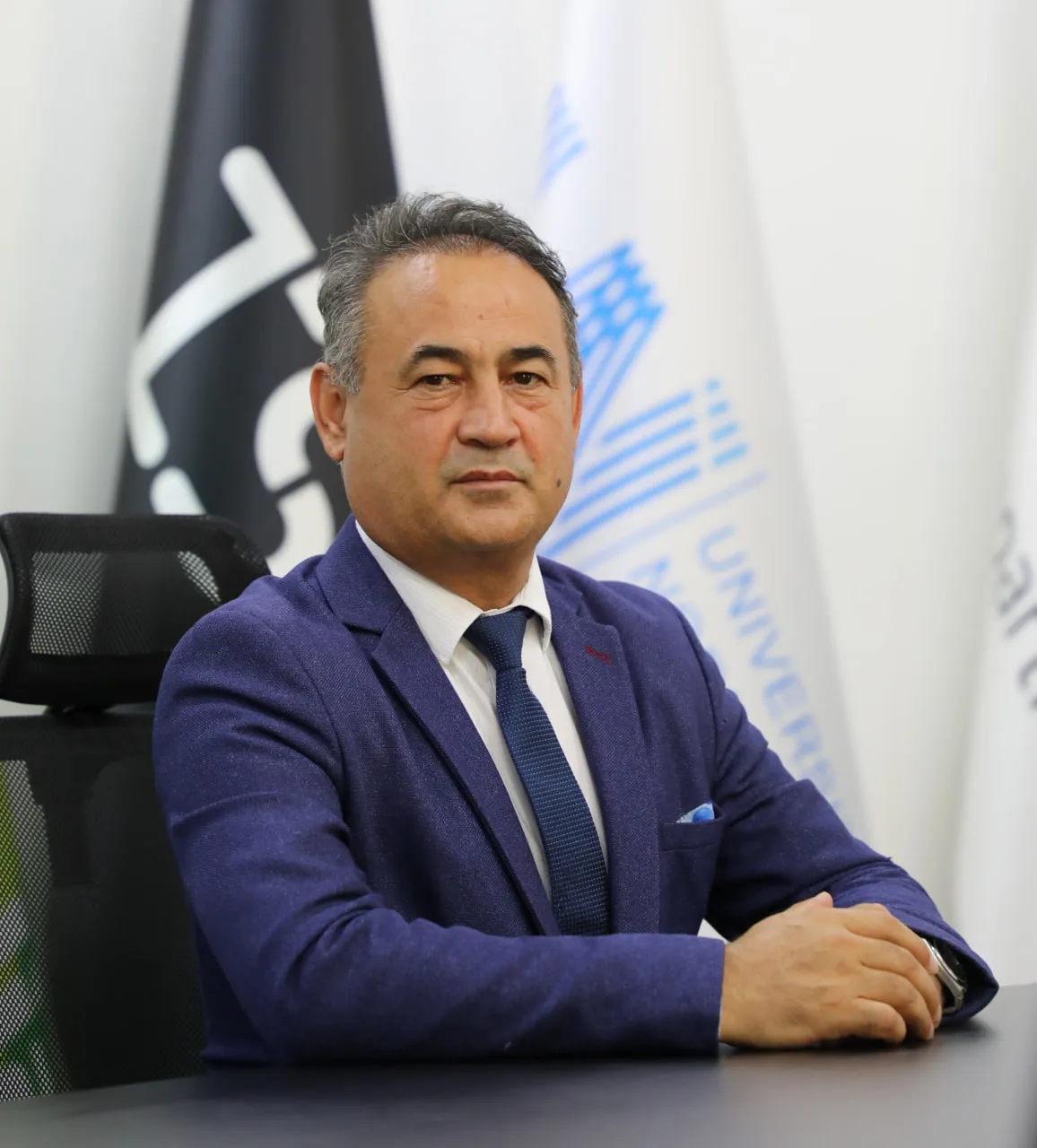 17Qurbanniyoz Panjiyev BerdiyevichHead of the Chair of Music EducationHeads of departments (chairs)
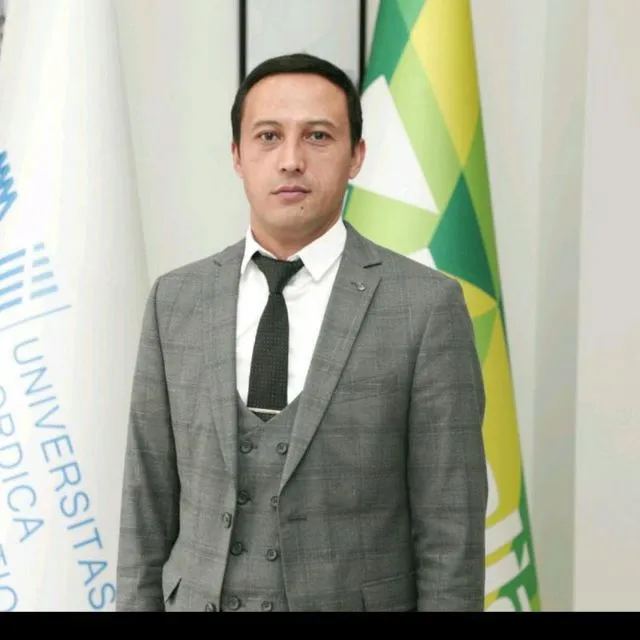 18Nasriddinov Dilshod A’zamkulovichHead of the Chair of Foreign Language and LiteratureHeads of departments (chairs)
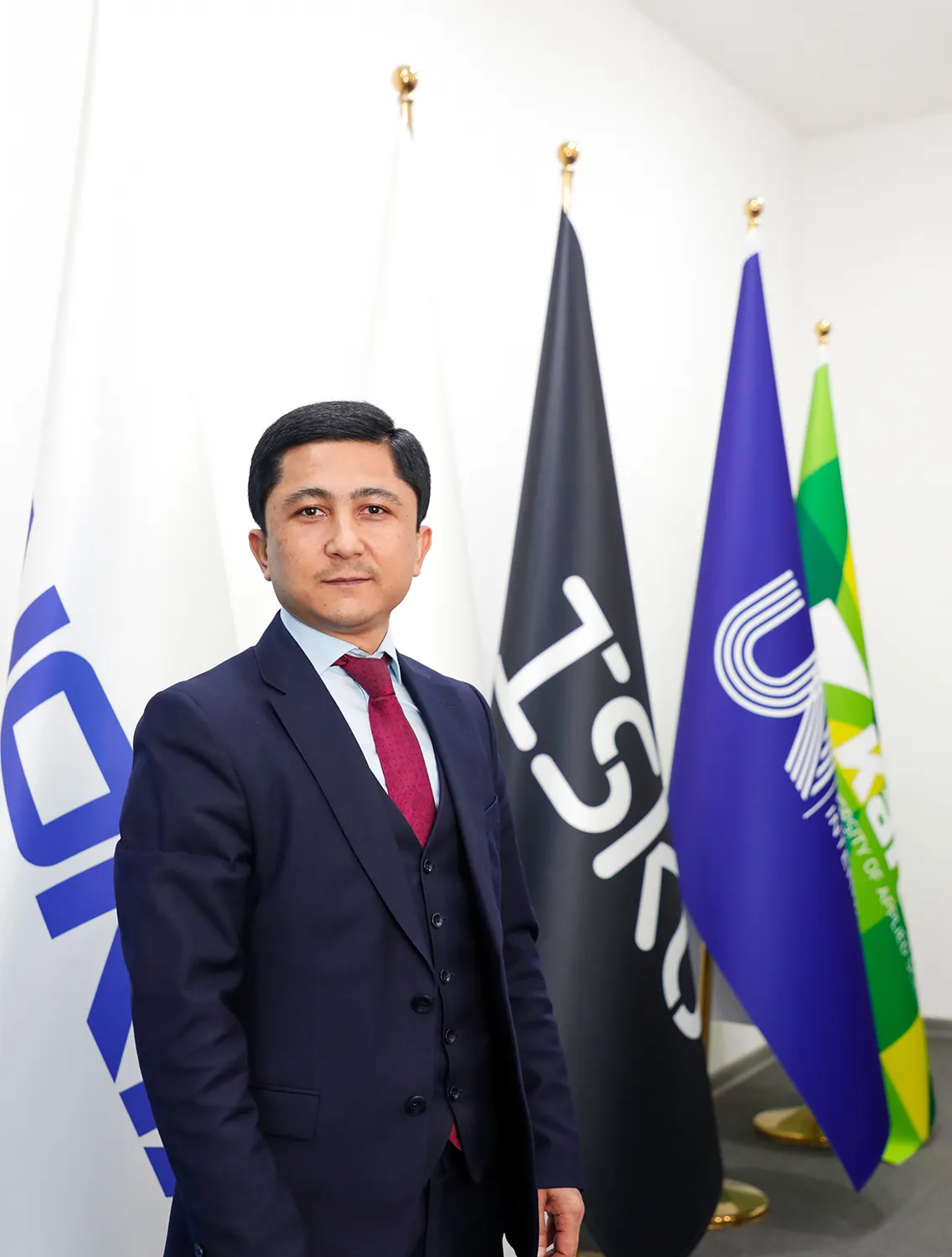 19Abdullayev Munis KurbonovichIndustrial Management and Digital TechnologiesHeads of departments (chairs)
 20Ibroximova ShirmonoyHead of the Information Resource CenterHeads of divisions and units
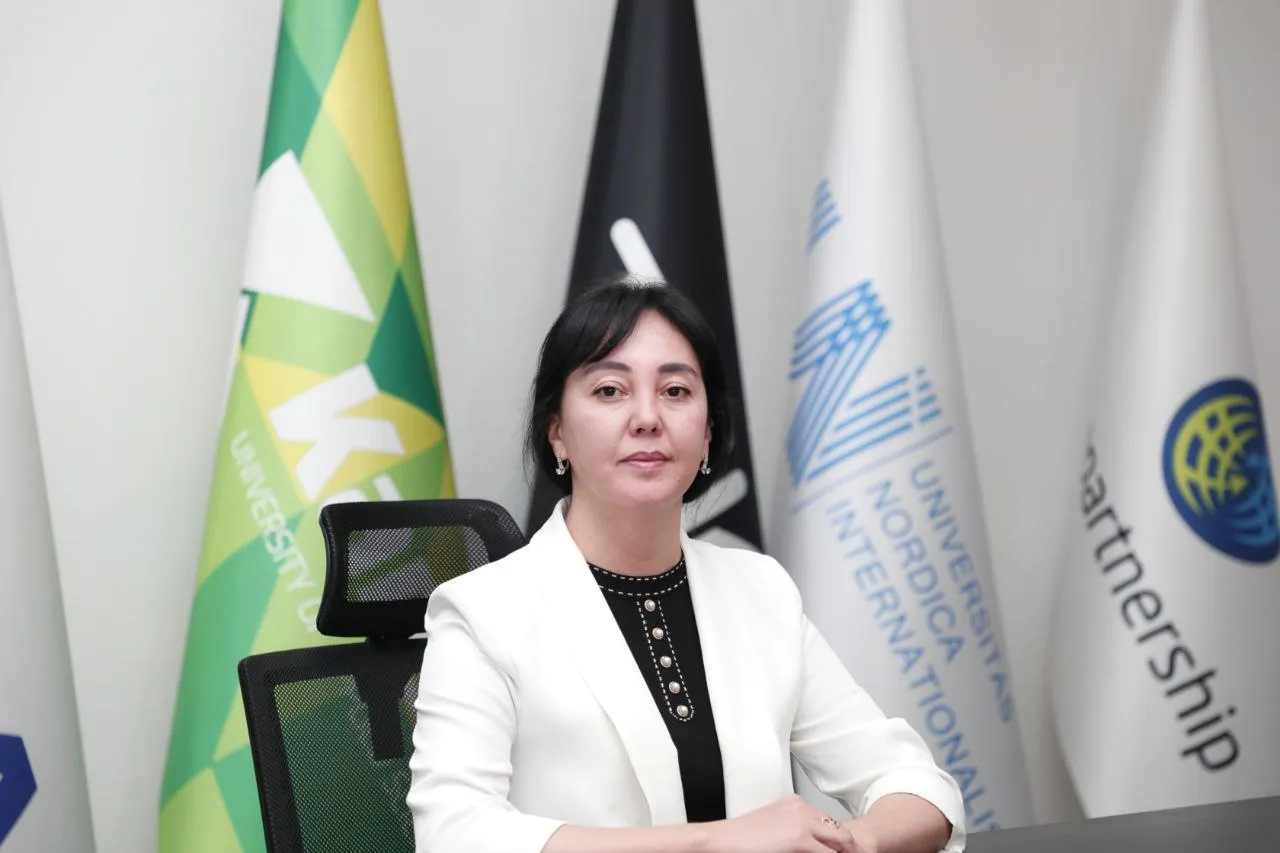 21Isaqova Muxtasar SaʼdullayevnaPress secretaryHeads of divisions and units
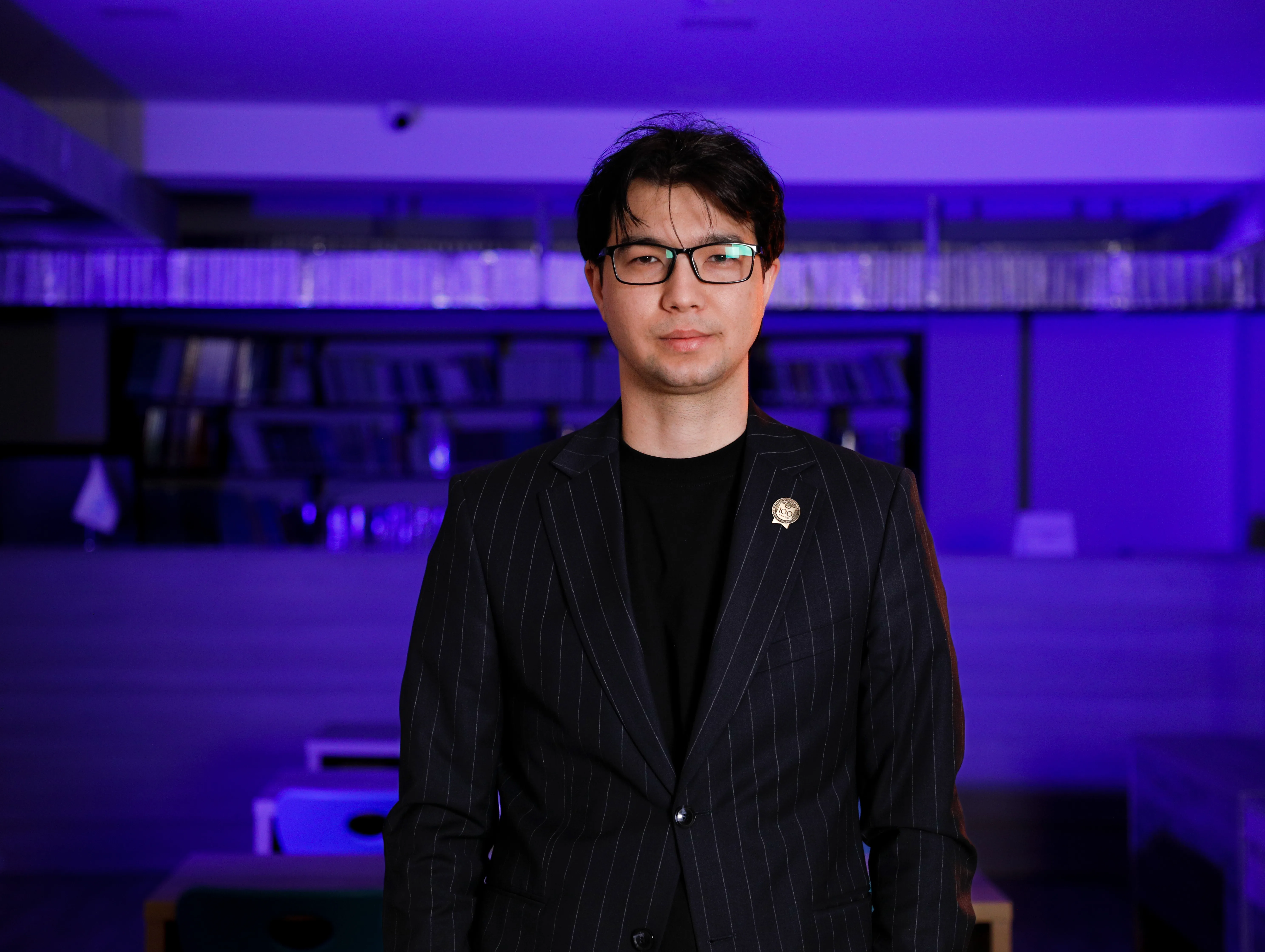 22Olimjonov Bobirjon Farxod o‘g‘liHead of the Marketing and PR UnitHeads of divisions and units
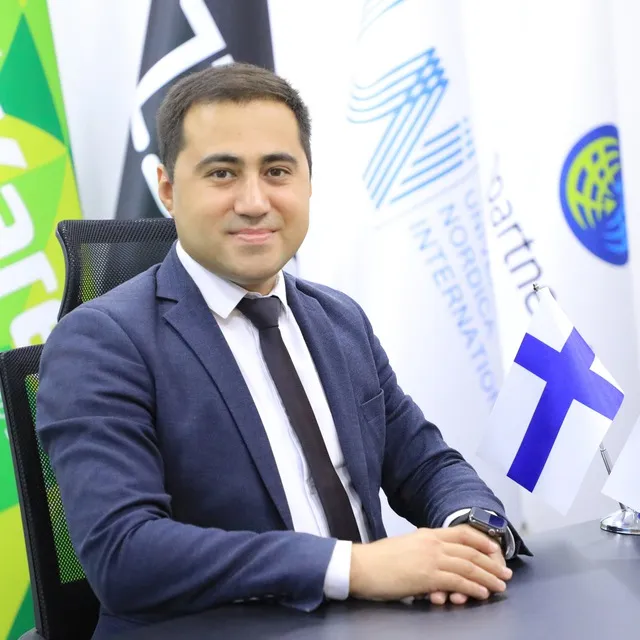 23Abdurauf TolibovHead of the Department of international relationsHeads of divisions and units
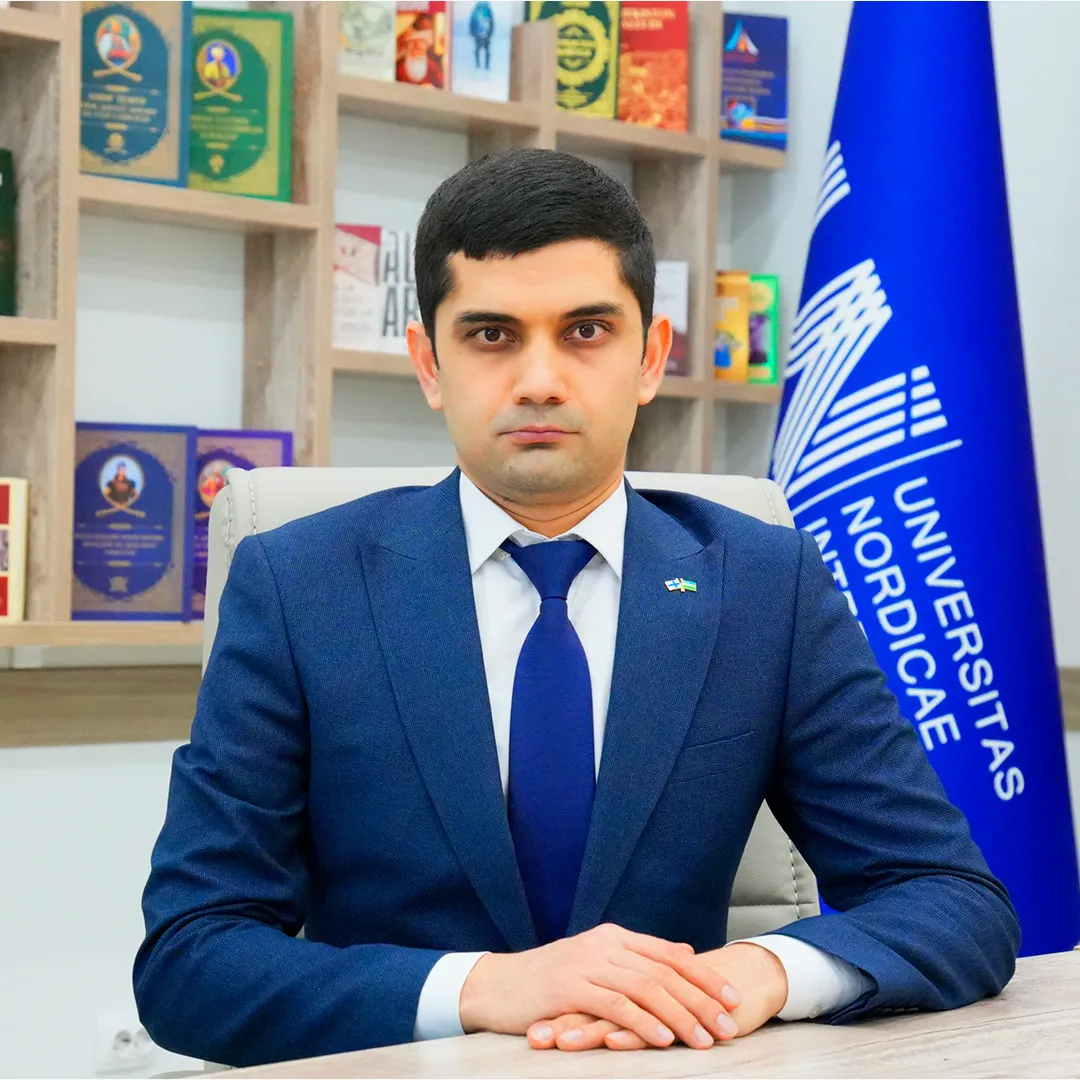 24Navruz IslamovHEAD OF DEPARTMENT OF INTERNATIONAL PROJECTS, PROTOCOLS AND ORGANIZING TRIPSHeads of divisions and units
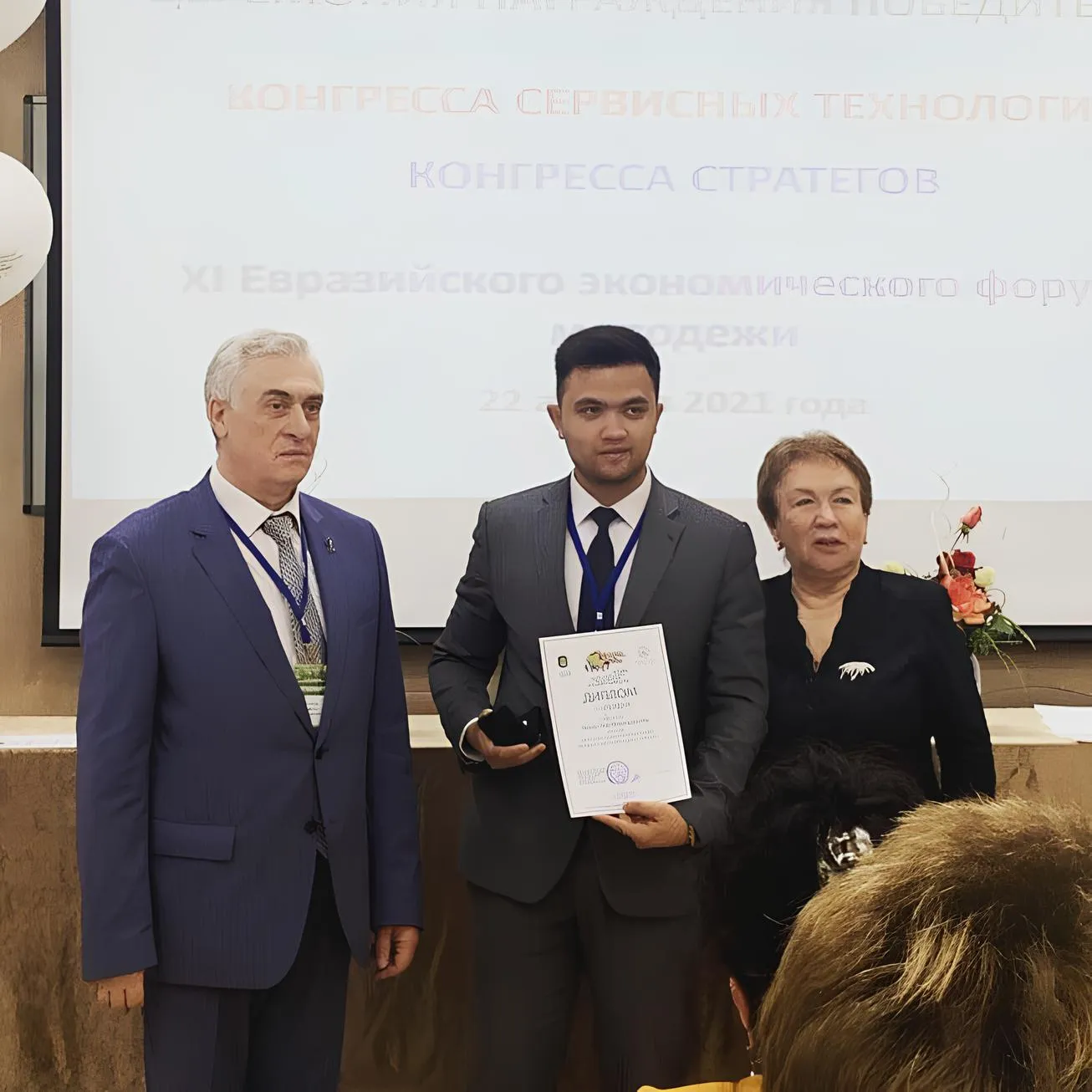 25Topilov XasanHead of the IT DepartmentHeads of divisions and units
- AB26Azimov Baxtiyor KamildjanovichHead of the Operations DepartmentHeads of divisions and units
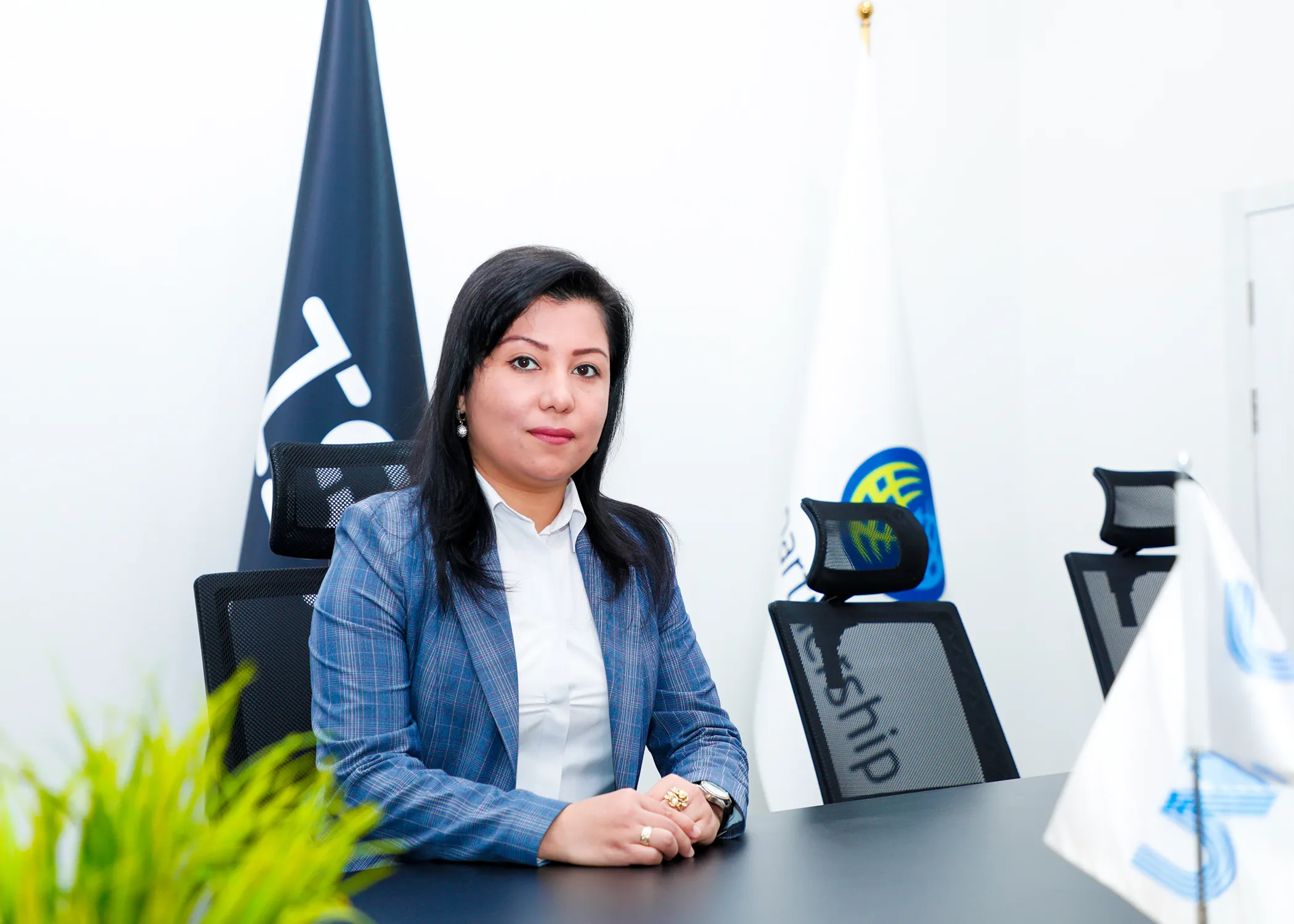 27Madieva Zuxra IskandarbekovnaHead of the Admissions DepartmentHeads of divisions and units
- TM28Tulayev Mirzakul SalamovichHead of the Finance ClinicHeads of divisions and units
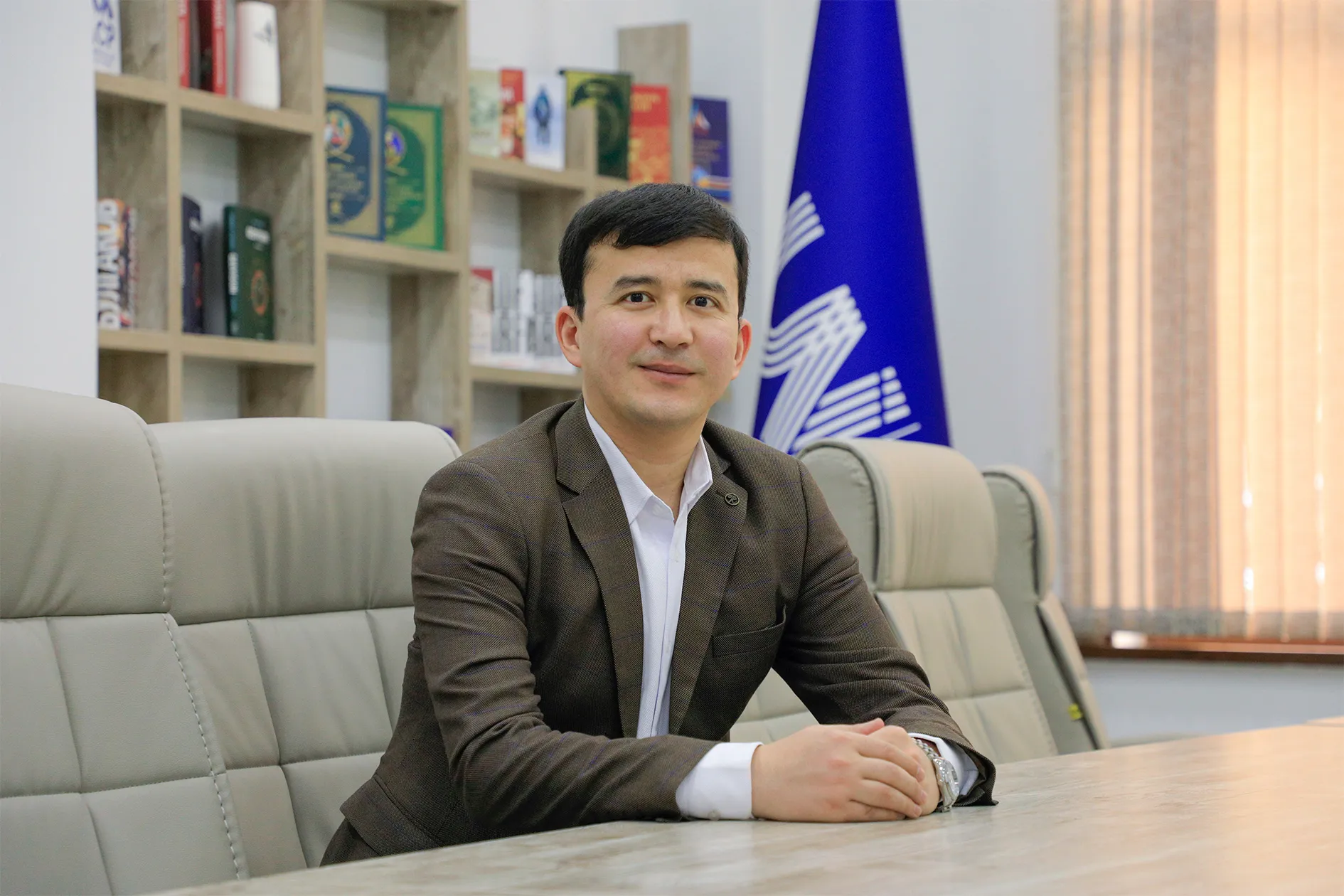 29Muhammadali MamadaliyevEditor-in-ChiefHeads of divisions and units
- AB30Alixanov Bekzodjon Boriy o‘g‘liInternational expert, public representativePublic representative · online
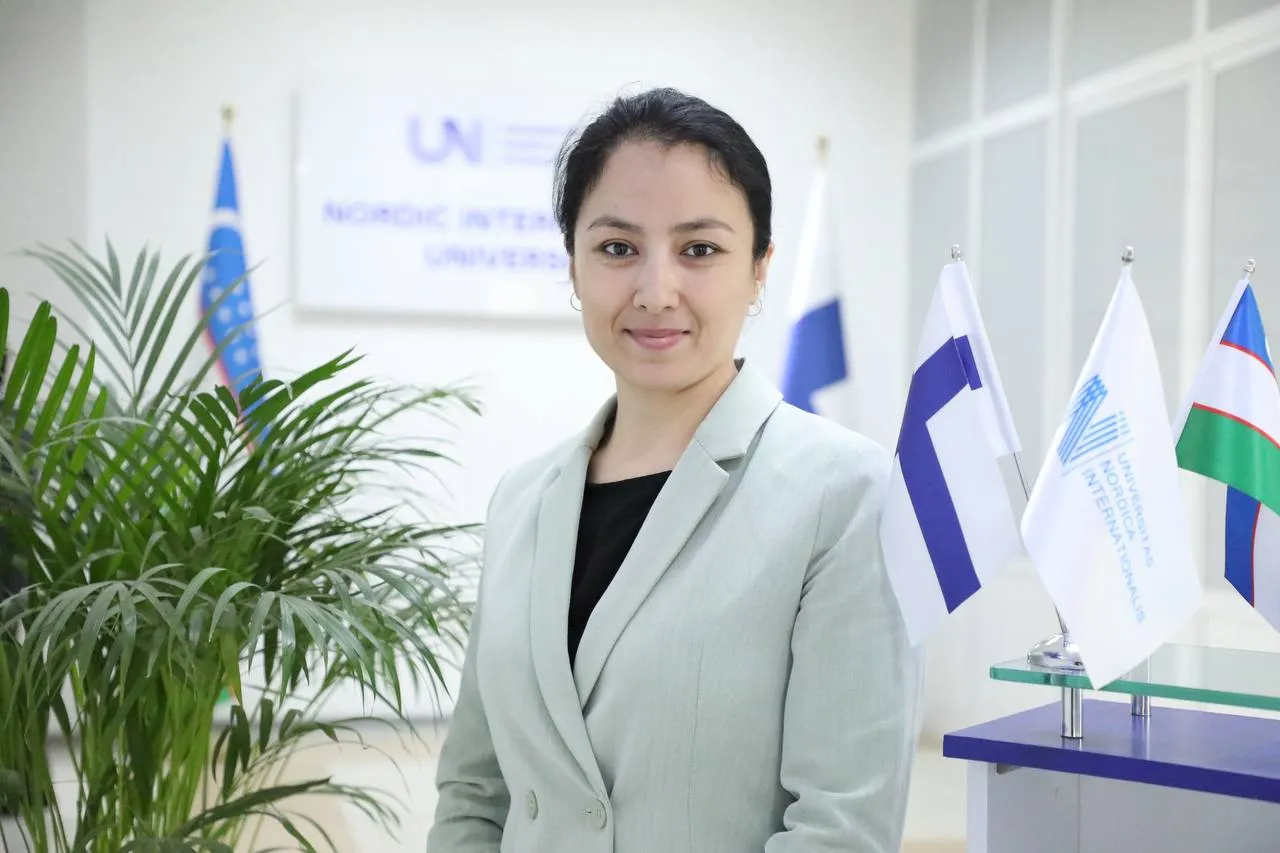 31Bakhtigul TolipovaActing Council Secretary, Head of the HR and Staff Development DepartmentCouncil Secretary
How the Council works
Once a month
Council meetings are held monthly; the Chair may convene an extraordinary meeting when needed
2/3
A decision is valid when at least two thirds of the members are present
Simple majority
Open vote; in the event of a tie the Chair of the Council has the casting vote
5–7 / 5 / 3 minutes
Time allotted for a report, a contribution to the debate and a briefing
How the annual work plan is prepared
- 1
By 1 June
Vice-rectors, deans, heads of chairs and divisions submit proposals to the Council Secretary
- 2
By 15 June
The Secretary consolidates the proposals and submits the draft plan to the Chair of the Council
- 3
New academic year, 1st meeting
The draft is discussed by the Council and approved by the Chair
- 4
Within one week
The approved plan is sent to every unit and staff are briefed on it
- 5
Throughout the academic year
Monthly meetings; decisions are enacted by university orders and their implementation is monitored
Regulation on the Council
Approved by Annex 3 to the minutes of Meeting No. 1 of the Council of Nordic International University dated 26 September 2022. Tashkent — 2022.
General provisions
1.1This Regulation establishes the procedure for the activity of the University Council (work planning, preparation of matters for discussion, holding meetings and adopting decisions, monitoring the implementation of decisions, record-keeping and the like).
1.2The University Council (hereinafter — the Council) is the standing supreme collegial body of the university.
1.3The Council acts on the basis of the Constitution and laws of the Republic of Uzbekistan, decrees, resolutions and orders of the President of the Republic of Uzbekistan, resolutions of the Cabinet of Ministers of the Republic of Uzbekistan, board decisions and orders of the Ministry of Higher and Secondary Specialised Education, the Regulation on Higher Education, the Charter of Nordic International University and this Regulation.
1.4The Council carries out its activity on the principles of legality, transparency, independence, freedom of opinion, a balance of collegiality and individual responsibility, and consideration of the views of the staff.
1.5Amendments and additions to this Regulation may be introduced by a decision of the Council.
Powers and main tasks of the Council
2.1The Council works on the main areas of the university's activity. In particular:
- effective organisation of educational, methodological, research and other activities to train qualified teaching and specialist staff for all areas of the education system;
- meeting the intellectual, cultural, spiritual and moral needs of the individual through pedagogical education, and the needs of the state and society for qualified specialists with higher pedagogical education and highly qualified academic staff;
- training of research and academic staff, carrying out fundamental and applied research;
- implementation at the university, within their respective remits, of regulatory documents, current and state programmes, annual plans, board decisions and orders of the Ministry, and instructions of the founders' council;
- monitoring the quality of education and deciding on matters related to launching or discontinuing training under a programme;
- strengthening performance discipline and increasing the personal responsibility of university leaders and staff for the timely and high-quality performance of their duties;
- retraining of teaching staff and professional development;
- developing and ensuring the implementation of measures required by the relevant regulatory documents in spiritual and educational, teaching and methodological, upbringing and research work;
- hearing reports from the rector, vice-rectors, deans, heads of chairs, departments and centres on the performance of the tasks assigned to the university;
- reviewing the remits of vice-rectors, university departments and centres, faculties and chairs in respect of their activity;
- considering candidates for vacant positions in accordance with the labour legislation of the Republic of Uzbekistan and the Regulation approved by the university;
- deciding matters such as recommending candidates for the academic titles of professor and associate professor to the Higher Attestation Commission of the Republic of Uzbekistan.
The Council is entitled to consider other matters within the university's competence and related to its life that require collegial discussion.
Composition of the Council
3.1The composition of the Council is approved by order of the rector on the basis of a decision of the University Council.
3.2The rector, vice-rectors, deans of faculties and heads of departments are members of the Council ex officio.
3.3At a Council meeting, candidates for Council membership from among heads of chairs, heads of structural units and academic staff are considered, elected by vote and approved by order of the rector.
3.4Representatives of other interested bodies, as well as prominent scholars and specialists dealing with the problems of the lifelong education system, may be included in the Council.
3.5.Chair of the Council
3.5.1The rector of the university is the Chair of the Council.
* By decision of the founders' council this may be assigned to a vice-rector.
3.5.2Rights of the Chair of the Council:
- to make changes to the Council's composition arising from changes in the university's staff;
- to convene an extraordinary meeting when necessary;
- where necessary, to propose that the Council hold a closed session;
- to take disciplinary measures against Council members who fail to perform their duties to the required standard.
3.5.3Duties of the Chair of the Council:
- provides overall leadership of the Council's work;
- approves the Council's annual work plan and decisions;
- presides over Council meetings;
- exercises overall oversight of the implementation of Council decisions.
3.6.Secretary of the Council
3.6.1The Council Secretary is employed by the rector on the basis of a staff position of the university.
3.6.2The Council Secretary has the same rights and duties as Council members.
3.6.3Duties of the Council Secretary:
- drawing up the Council's annual work plan;
- preparing Council meetings and collecting materials on the items on the agenda;
- registering participants before a Council meeting begins and informing the Chair of the attendance of members and invitees;
- keeping the minutes of Council meetings;
- preparing a report on the implementation of the Council's work plan at the end of the academic year.
3.7.Rights and duties of a Council member
A Council member is entitled to:
- propose items for the Council's agenda;
- express opinions and make proposals on matters discussed at a Council meeting;
- elect and be elected to commissions, working groups and similar bodies set up by the Council;
- express a position on decisions being adopted by the Council and make proposals;
- propose the election of members to the Council and their removal from it;
- propose to the Chair that an extraordinary meeting be convened.
A Council member must:
- submit draft Council decisions no later than the set deadline;
- arrive at least 10 minutes before a Council meeting begins;
- be ready to express an opinion on the items on the agenda;
- promote Council decisions locally (faculty, chair, department and the like);
- take personal part in ensuring the implementation of Council decisions and set an example to others in this.
Planning and organisation of the Council's work
4.1.Drawing up and approving the Council plan
4.1.1The Council's work plans are drawn up for one academic year, taking into account the university's work plans, and are approved by the Chair after discussion by the Council.
4.1.2Planning of the Council's work is carried out in accordance with the general principles and requirements for planning the university's activity.
4.1.3The plan specifies the precise content of the matters submitted for discussion by the Council, the deadlines for their consideration, those responsible for preparing them (Council members and others), and the university units and staff responsible for drafting the decision of the Council meeting and other materials.
4.2.Drawing up the Council's work plan
4.2.1Vice-rectors, deans, heads of chairs and departments and other interested representatives submit their proposals for items to be included in the draft work plan to the Council Secretary in the prescribed form by 1 June each year.
4.2.2The Council Secretary consolidates the proposals and comments received, prepares the draft plan and, in agreement with the vice-rectors, submits it to the Chair by 15 June of each academic year. The draft work plan, revised on the Chair's instructions, is submitted for discussion at the Council's first meeting of the new academic year.
4.2.3After the draft work plan is endorsed at a Council meeting, it is approved by the Chair of the Council.
4.2.4The Council Secretary sends the approved work plan to the vice-rectors, the dean, heads of chairs and departments, who within one week brief their staff on the plan and ensure oversight of the timely and precise implementation of the scheduled activities.
Adjustments to the approved Council plan are made by a decision of the Council.
Proposals to remove items from the Council's work plan or to change the deadlines for their consideration are considered at a Council meeting on the submission of the persons responsible for the item. In such cases the person responsible for preparing the item must submit an appropriate justification to the Council.
Overall oversight of the implementation of the Council's work plan is exercised by the Chair of the Council.
Holding Council meetings and adopting decisions
5.1Council meetings are held once a month.
5.2Where necessary, an extraordinary meeting may be held at the proposal (with the consent) of the Chair of the Council.
5.3The agenda, date, time and venue of a Council meeting are set by the Chair of the Council.
5.4Once the materials have been prepared in accordance with the approved work plan, the Council Secretary draws up the meeting agenda and submits it to the Chair for approval.
5.5The Council Secretary organises the registration of participants before a Council meeting begins. On completion of registration, the Secretary informs the Chair of the attendance of Council members and invitees.
5.6Persons invited to the Council take part in discussions on matters concerning them in an advisory capacity. With the permission of the Chair (presiding officer) they may take part in the debate, voice their objections and proposals, and provide information on the matters under discussion and the draft documents prepared.
5.7The presiding officer introduces the invitees to the Council members, organises the discussion of the items and announces requests, information, appeals and proposals.
5.8A Council meeting begins with the consideration and approval of the agenda and the procedure for the meeting.
5.9As a rule, 5–7 minutes are allotted for reports, up to 5 minutes for speakers in the debate and up to 3 minutes for briefings and information. Where necessary, the Chair (presiding officer) may change the time allotted for a speech.
5.10Personal applications and notes addressed to the Council may be communicated by the Chair to the meeting participants at the end of the meeting or during the discussion. Speeches on the matters under discussion are closed by decision of the presiding officer; once the discussion of an item has ended, the rapporteur or co-rapporteur is given the floor for a closing statement.
5.11Significant objections and proposals voiced during the discussion of items at a Council meeting must be considered. The results of the discussion are recorded in the minutes of the meeting on the instruction of the presiding officer.
5.12Audio recording and stenography, video and photo recording are carried out in agreement with the Chair (presiding officer) or on the basis of a Council decision.
5.13Organisation of audio recording, transcription, video and photo recording is assigned to the staff of the university's information technology centre.
5.14The texts of reports and speeches are handed to the Council Secretary at the end of the Council meeting.
5.15Draft decisions and other materials on matters to be considered by the Council are submitted to the Council Secretary, signed by the vice-rector, after consideration at the council under the vice-rectors responsible for the relevant areas.
5.16The person responsible for preparing a matter to be considered by the Council studies, based on its content, the laws and other regulatory documents relating to it. When matters in the form of a report are considered at a Council meeting, a note on the work performed and a slide prepared on the basis of the report materials are attached to the draft decision.
5.17.Adoption of a Council decision
5.17.1The Council adopts a decision on the matter considered by open vote (unless a different procedure is provided for in the documents).
5.17.2A Council decision is valid (competent) when 2/3 of the Council members take part in the meeting.
5.17.3A Council decision is adopted by a simple majority of the votes of the Council members present at the meeting (unless a different procedure is provided for in the documents). In the event of a tie between votes «for» and «against», the vote of the Chair of the Council is the casting vote.
5.18.Draft Council decisions
5.18.1Draft decisions on matters to be considered by the Council are delivered to Council members via «e.xujjat», and a draft must meet the following requirements:
- the reasoning part of the draft decision must be clearly worded;
- to avoid repetition, the draft decision must take into account decisions previously adopted on the matter;
- the draft decision must provide for specific assignments to those responsible, with deadlines for implementation;
- the draft decision must name the responsible person who will monitor its implementation.
5.19If it becomes necessary to amend or revoke a previously adopted Council decision, the person responsible for preparing the matter submits to the Chair a notice precisely stating the name of the decision item, the serial number and date of the minutes, and containing a briefly reasoned recommendation.
5.20If, during the approval of a draft decision or other documents, a disagreement arises between the person responsible for preparing the matter and other interested persons, the head of the interested party attaches to the draft decision, in writing, their objections, proposals and comments with a brief justification.
5.21Matters not included in the plan are placed on the agenda for consideration by the Council, on the basis of a reasoned note from the initiator, only with the permission of the Chair of the Council.
5.22The final version of the agenda of the next Council meeting is determined by the Chair and drawn up by the Council Secretary.
5.23The Council Secretary ensures that the agenda of the next Council meeting is communicated to Council members during the meeting.
Monitoring the implementation of Council decisions
6.1Overall oversight of the implementation of Council decisions is exercised by the Chair of the Council.
6.2Direct oversight of the implementation of Council decisions, based on the content of the assignments they contain, is assigned to the Council members designated as responsible for their implementation, and is also exercised by all Council members in the course of their current work.
6.3The Council continuously reviews the implementation of the decisions adopted at its meetings and hears reports on work done from the persons responsible for monitoring their implementation, vice-rectors, deans and heads of other departments.
6.4The Council regularly draws conclusions on its activity and also analyses and reviews at its meetings the results of the work of Council members in preparing and implementing Council decisions.
6.5The responsible persons charged with monitoring the implementation of specific Council decisions report regularly to the Council on the actual implementation of the decisions adopted in the previous academic year.
6.6Council decisions are implemented by orders of the university.
Council documents and record-keeping
7.1Council documents and record-keeping are the responsibility of the Council Secretary.
7.2Decisions and other Council documents containing information that may not be distributed to everyone are kept by the persons who receive them as documents equivalent to confidential ones.
Acting Secretary of the University Council — B. Tolipova
Follow Nordic on social media