


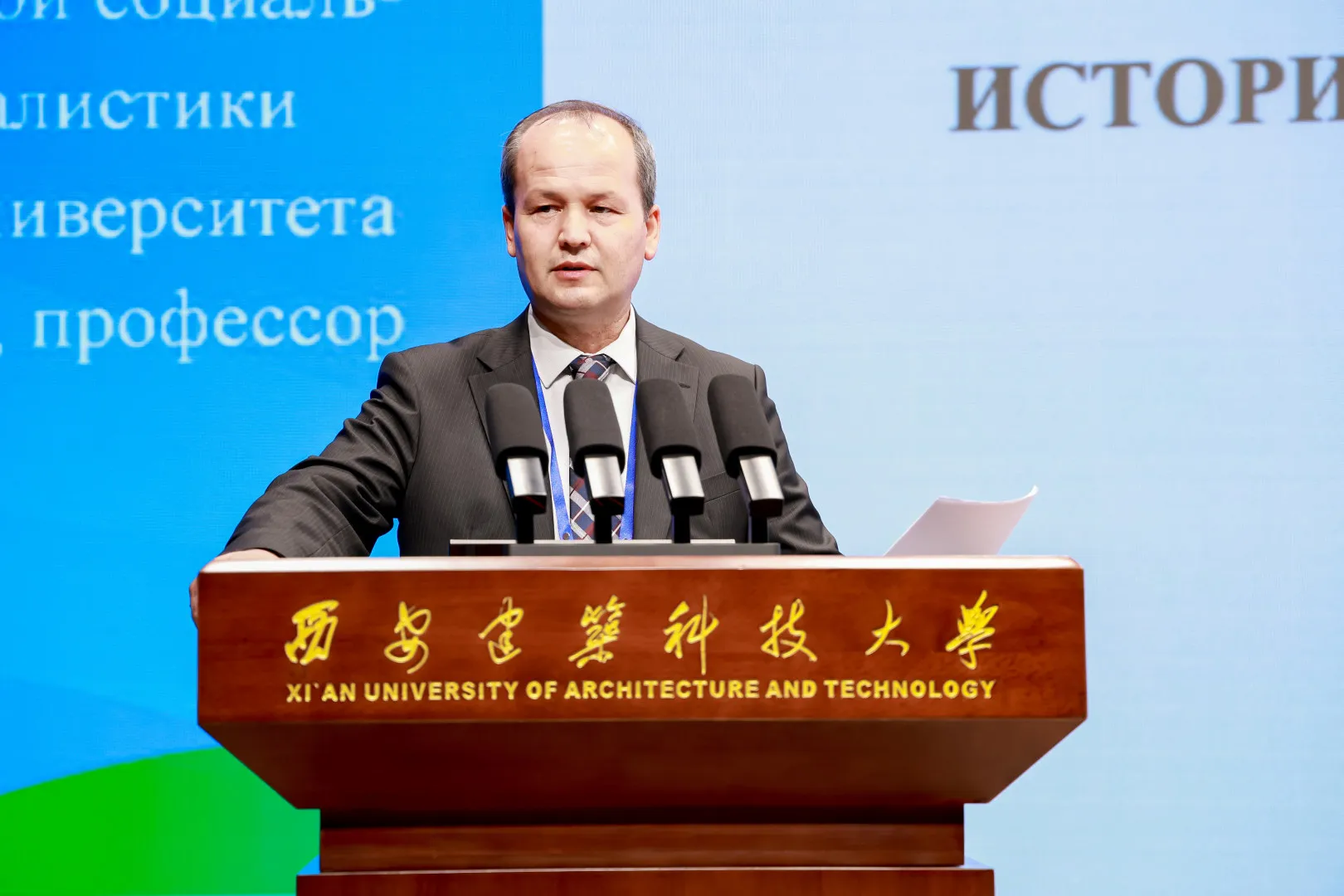
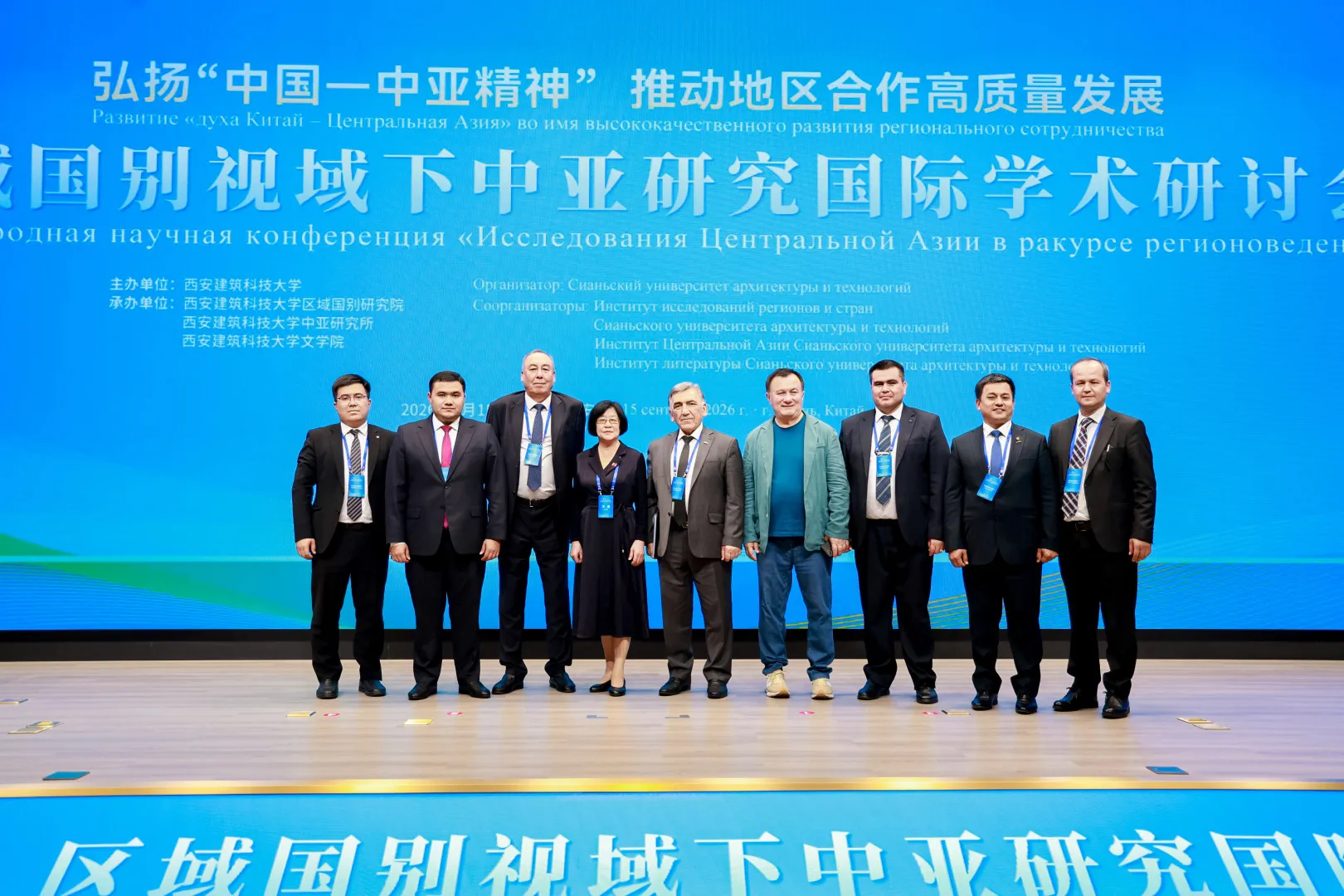
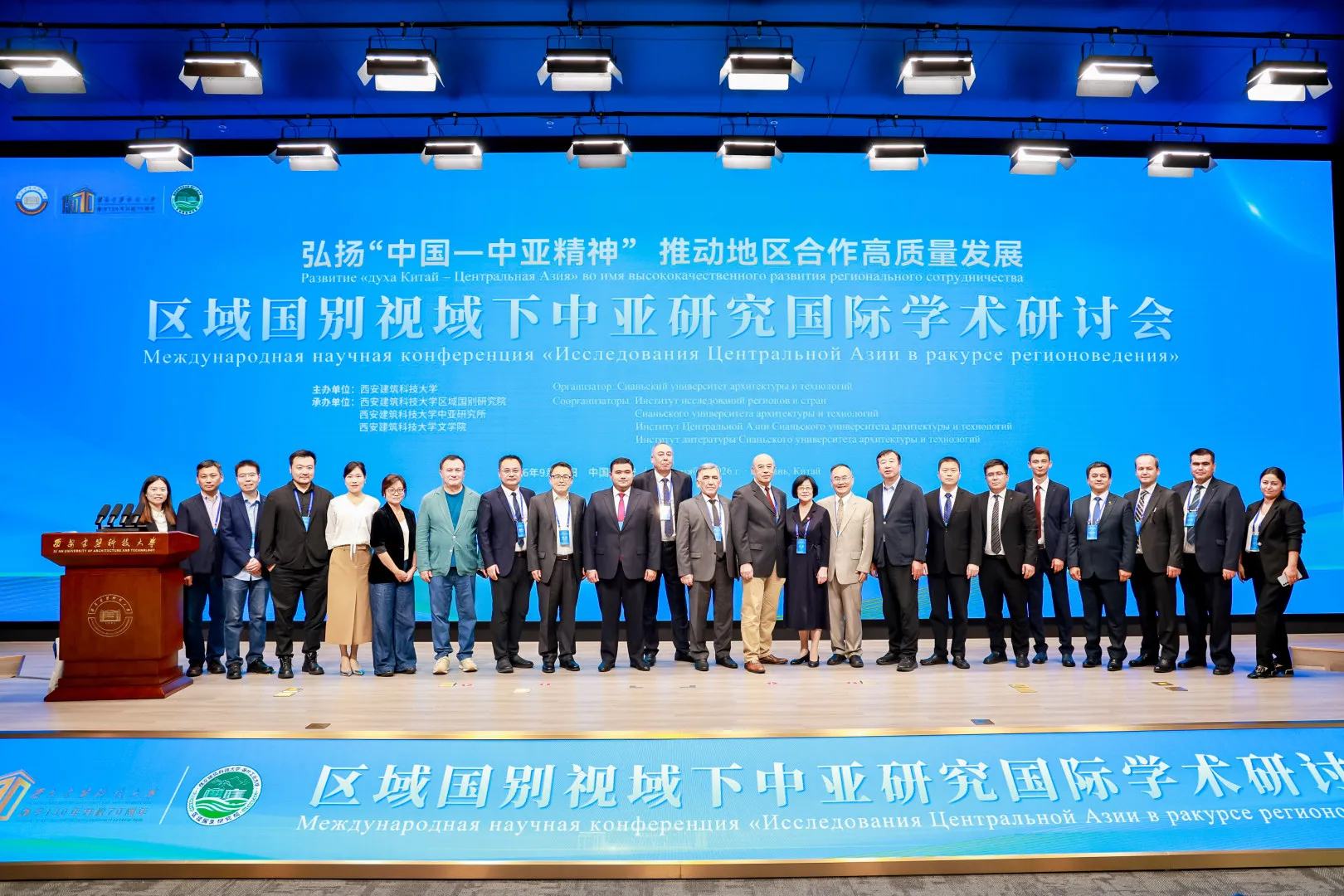
At the international academic symposium being held in Xi’an, Najmiddin Qodirov, Head of the Department of Social Sciences and Journalism at Nordic International University and Associate Professor of History, delivered a presentation on the historical roots of cultural cooperation between China and Central Asia.
According to the scholar’s research, contemporary China–Central Asia cultural diplomacy — encompassing Confucius Institutes, the “Cultural Silk Road” initiative, international summits and joint research projects — represents a modern continuation of centuries-old civilizational exchange.
In ancient times, grapes, alfalfa, walnuts and the renowned Ferghana horses travelled from Central Asia to China, while silk, paper and various technologies spread from China in the opposite direction.
Yet the most significant exchange involved the movement of knowledge and people.
The activities of the 13th-century astronomer Jamal al-Din Bukhari, who travelled from Bukhara to China, are cited as a compelling example of this intellectual and cultural exchange.
“Cultural diplomacy should not be viewed merely as the promotion of one side’s culture — it is a platform for civilizations to learn from one another,” the scholar emphasised.
Reflecting on the symbolic significance of the first China–Central Asia Summit, held in Xi’an in 2023, the scholar stressed that the choice of the city was far from accidental. Modern-day Xi’an evokes the central role of ancient Chang’an along the historic Silk Road.
The Xi’an Declaration, adopted at the conclusion of the summit, laid the groundwork for strengthening cooperation in education, science, culture, tourism, archaeology and youth exchanges.
In conclusion, the scholar highlighted that the historian’s role is not only to provide contemporary cooperation with a profound historical foundation, but also to remind us that exchanges of the past were genuinely multidirectional and shaped by multiple centres of civilisation. This perspective offers an important analytical framework for assessing balance and reciprocity in today’s cooperation.


Follow Nordic on social media