


Organised as part of the implementation of the objectives set out in Resolution No. PQ-308 of the President of the Republic of Uzbekistan, concerning the development of the state language, the initiative holds particular significance in strengthening the status of the mother tongue in society, recognising the professional competence of Uzbek language and literature teachers, and promoting the nation’s rich literary heritage.
The initiative was implemented by Nordic International University and UzReport News Agency, in cooperation with the Ministry of Education and Science of the Republic of Uzbekistan and the Tashkent Region Hokimiyat.
A total of 15,903 teachers from all 14 administrative regions of the country registered to participate in the “E Voh” Olympiad. Of these, 72 successfully advanced through the selection stages to compete in the final.
During the final round, held on 21 October, participants demonstrated their knowledge and professional expertise through creative essay writing and testing. The essays were assessed with particular emphasis on logical coherence, the culture of written expression, literary literacy, and the effective use of the Uzbek language. The assessment and verification of results were conducted in accordance with established criteria, with the participation of ten distinguished jury members.
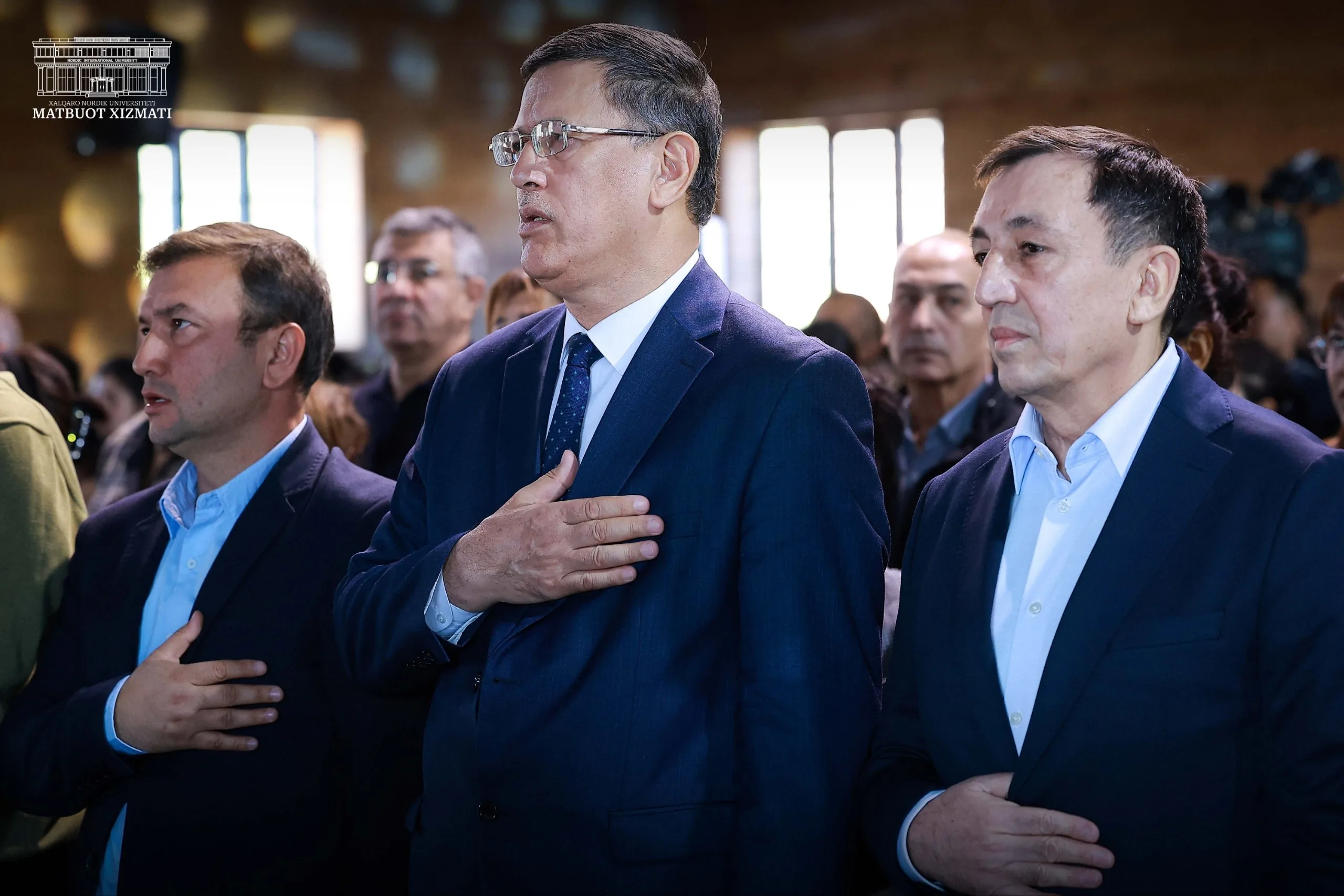
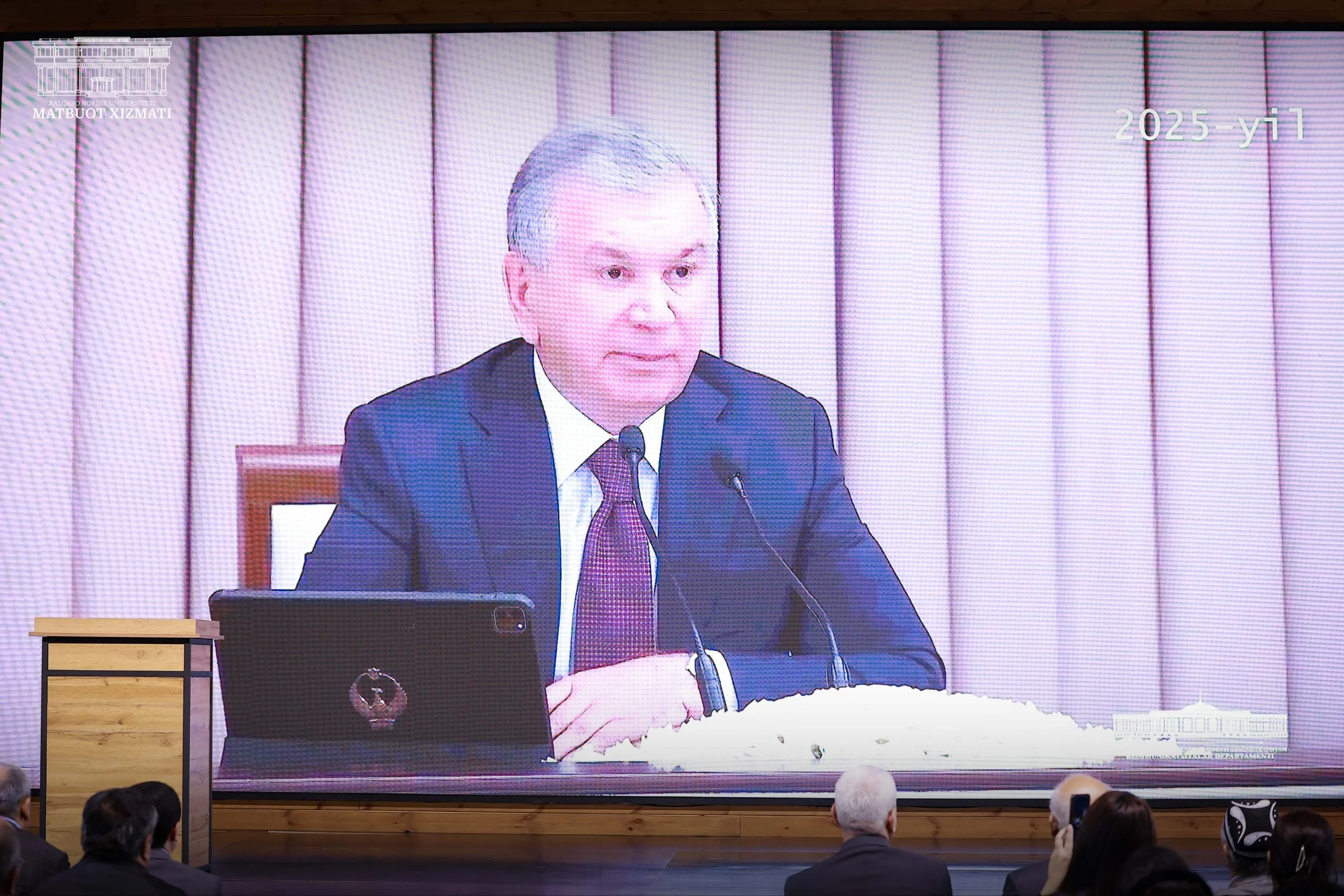
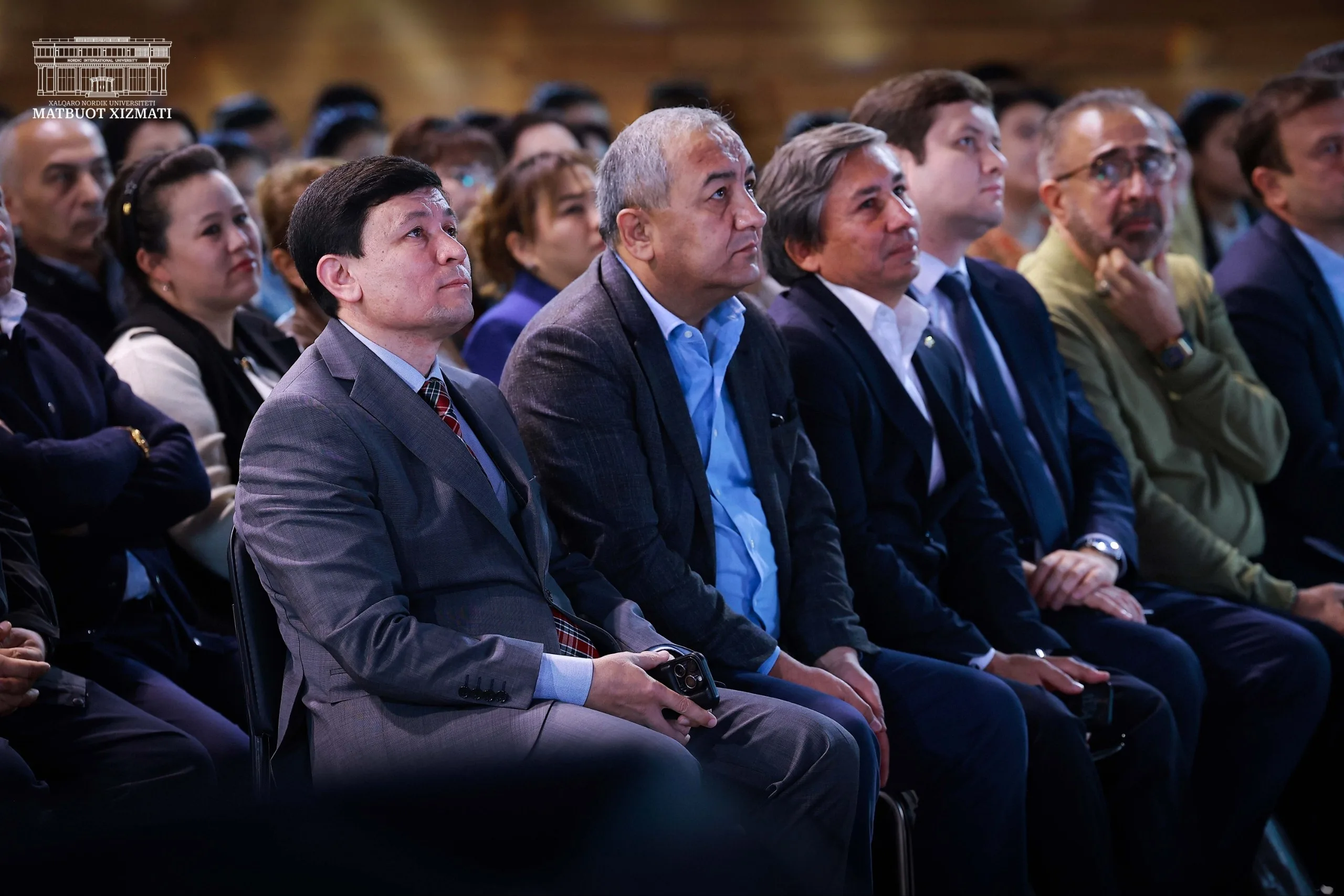
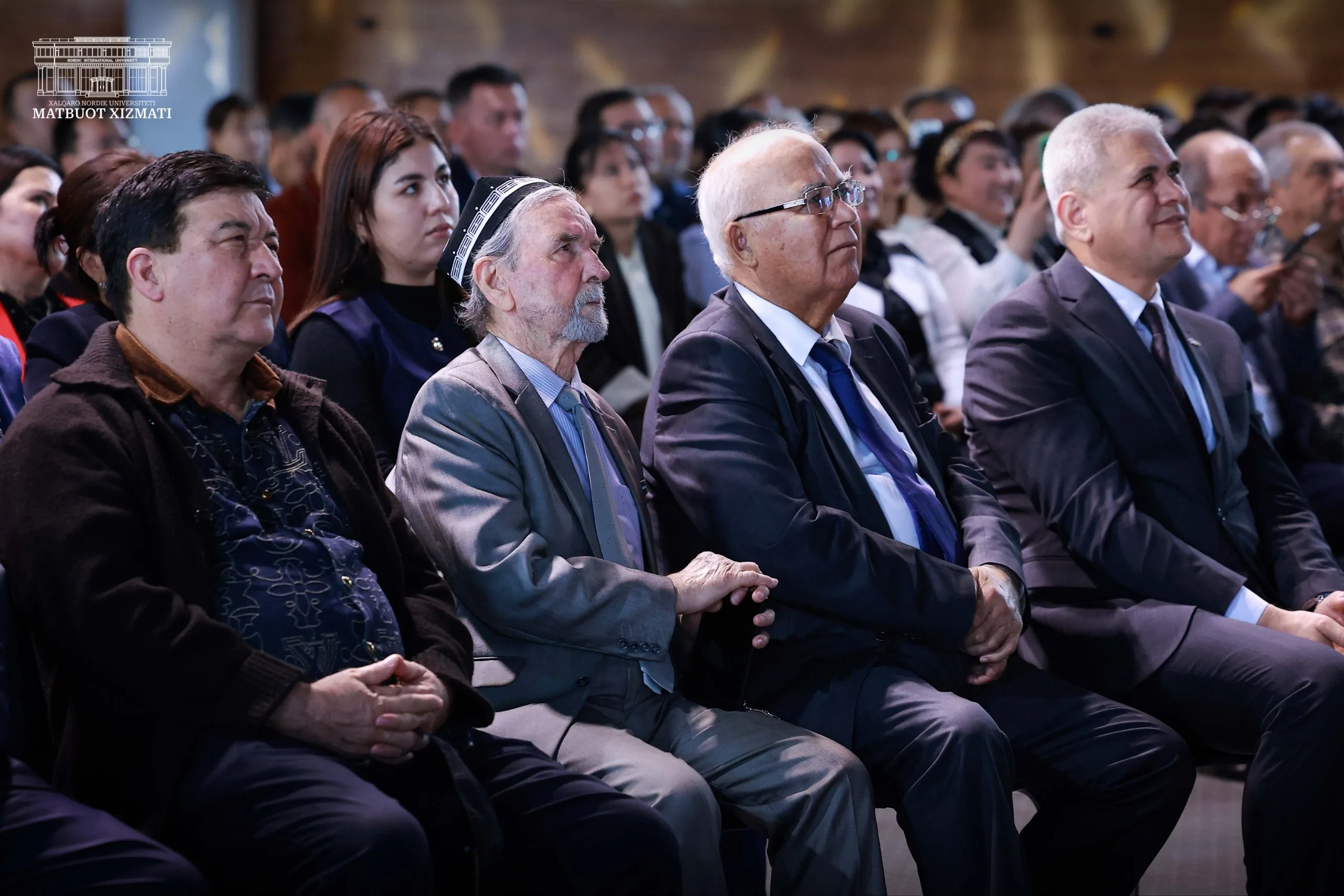
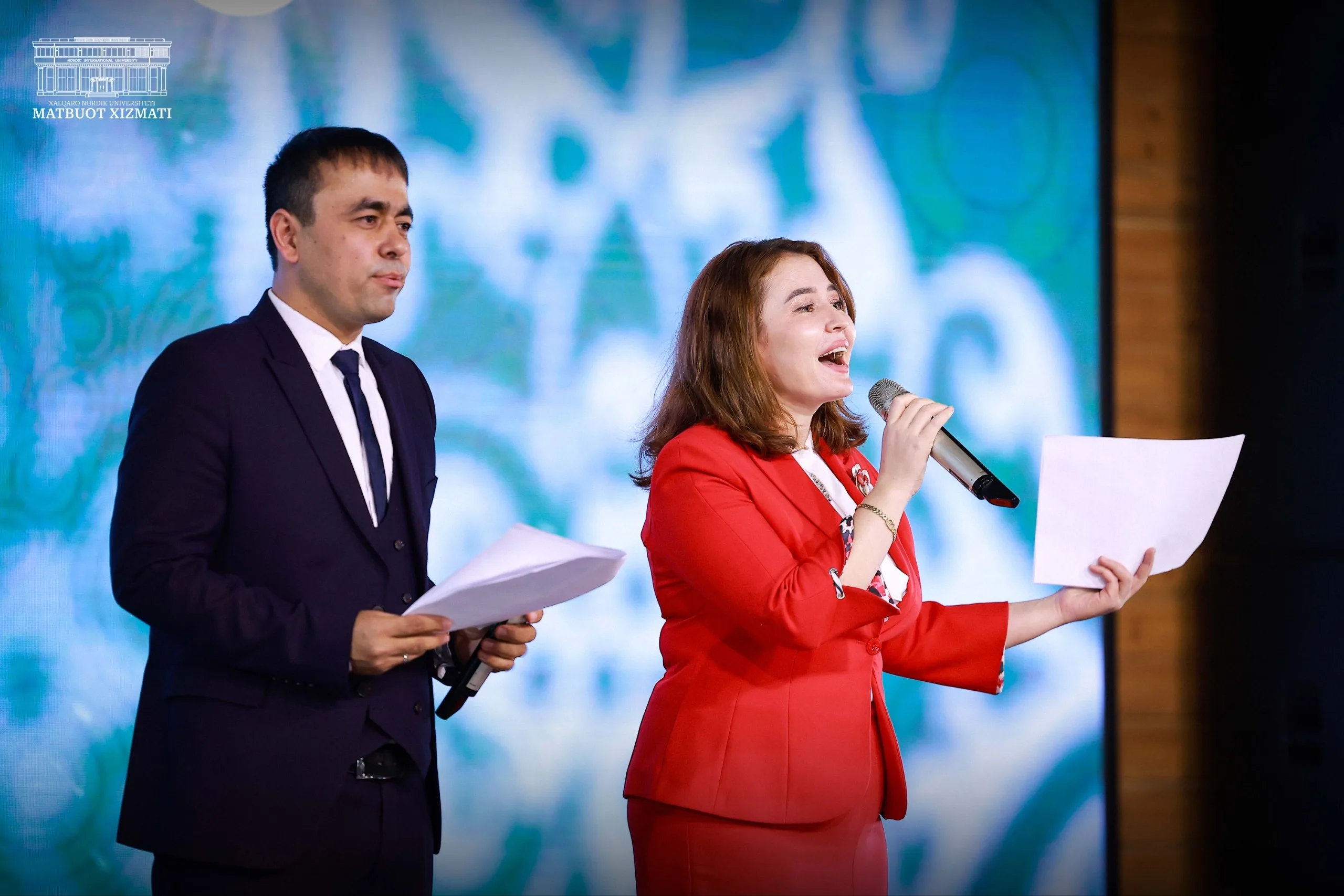
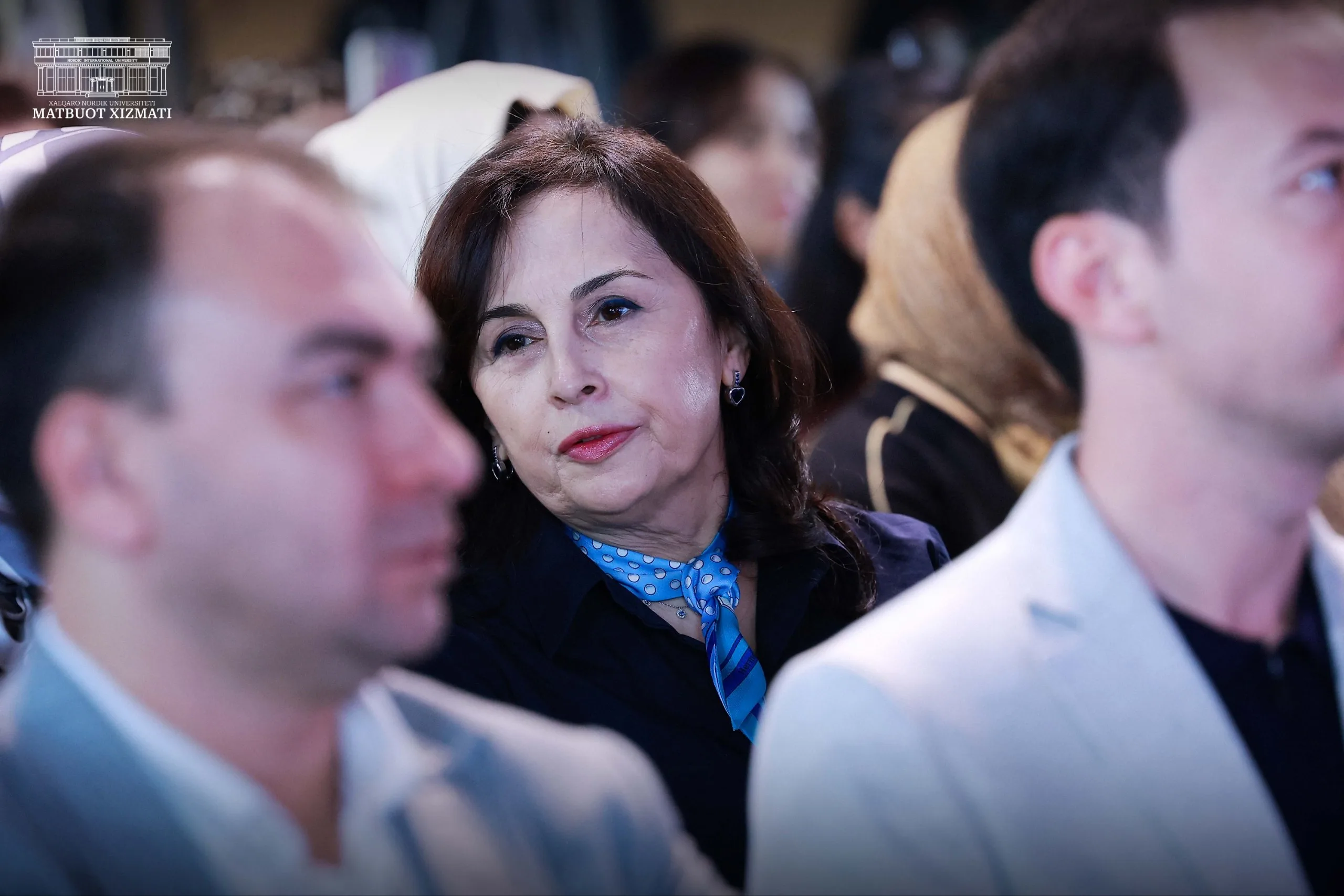
The ceremonial award presentation on 22 October commenced with the national anthem of the Republic of Uzbekistan. The event brought together representatives of government and public organisations, education officials, prominent poets and writers, teachers, staff and students of the Erkin Vohidov Creative School in Margilan, young people, and representatives of the mass media.
Among the distinguished guests were Akromjon Fozilov, Deputy Adviser to the President on Non-Governmental Organisations and Youth Affairs; Jamshid Bobojonov, Deputy Hokim of Tashkent Region; Minhojiddin Mirzo, public figure, journalist, poet, and Deputy Chairman of the Writers’ Union of Uzbekistan; Ravshankhon Djurayev, Director General of UzReport TV News Agency; and Sherzod Mustafakulov, Rector of Nordic International University. Family members of Erkin Vohidov also attended the ceremony.
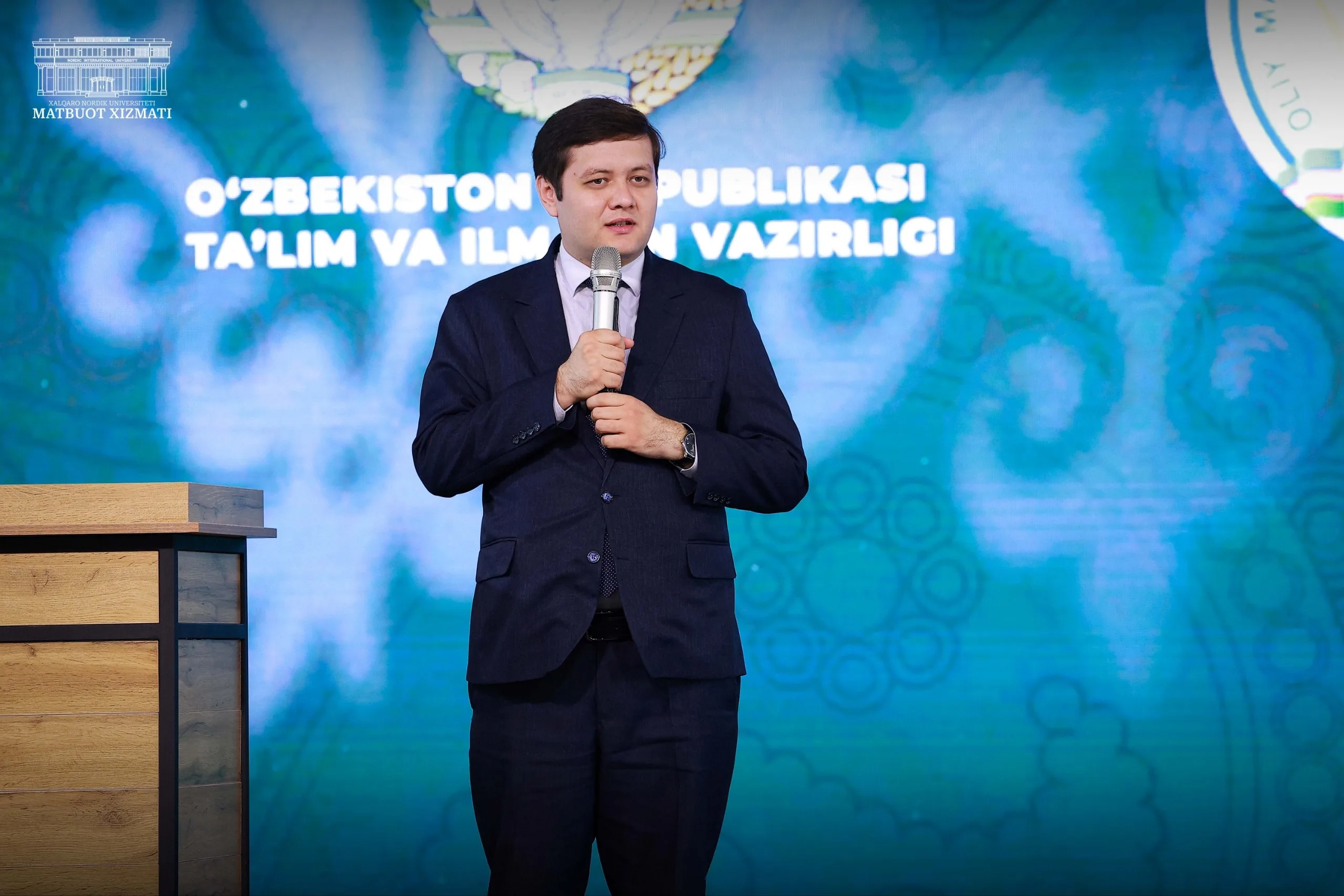
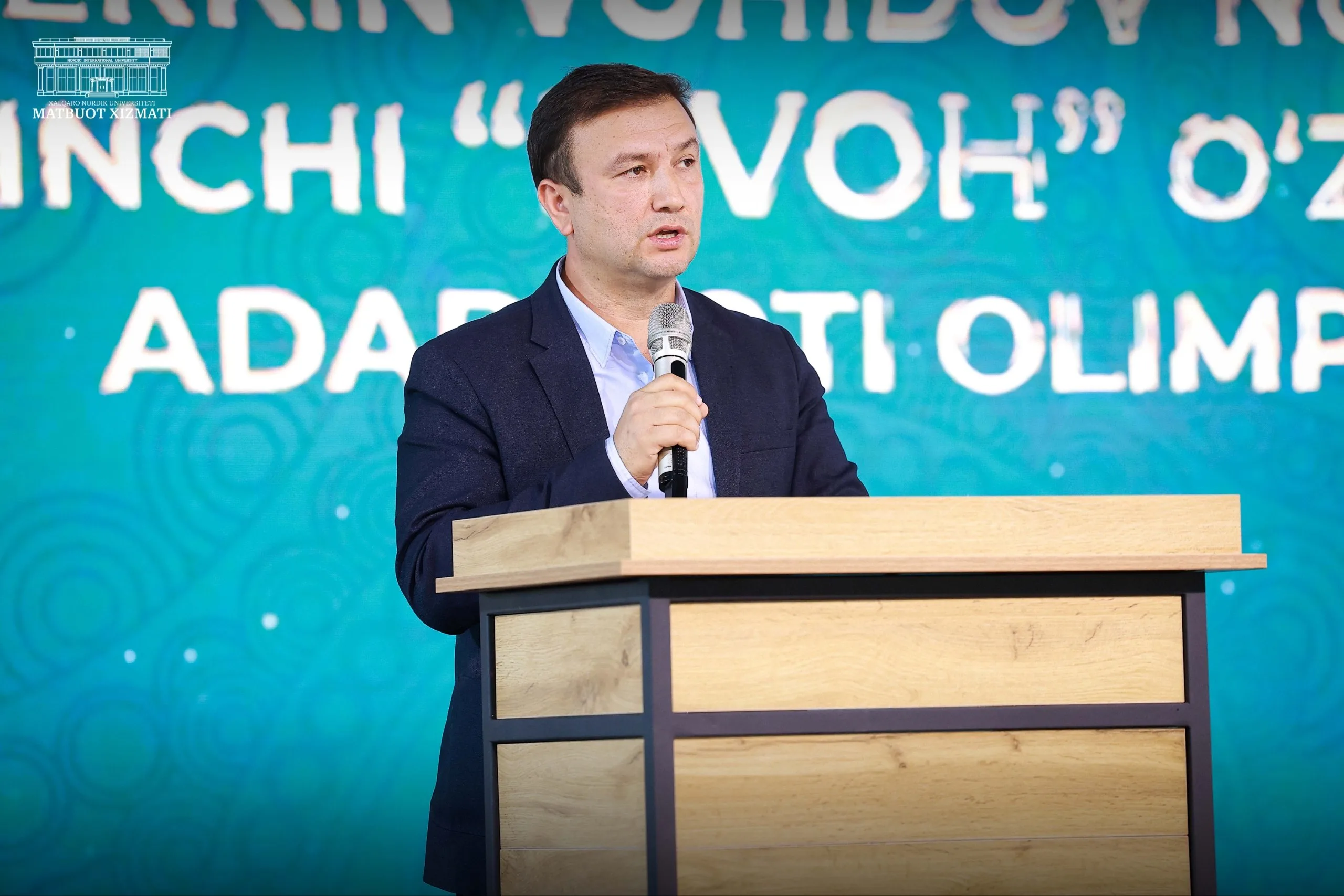
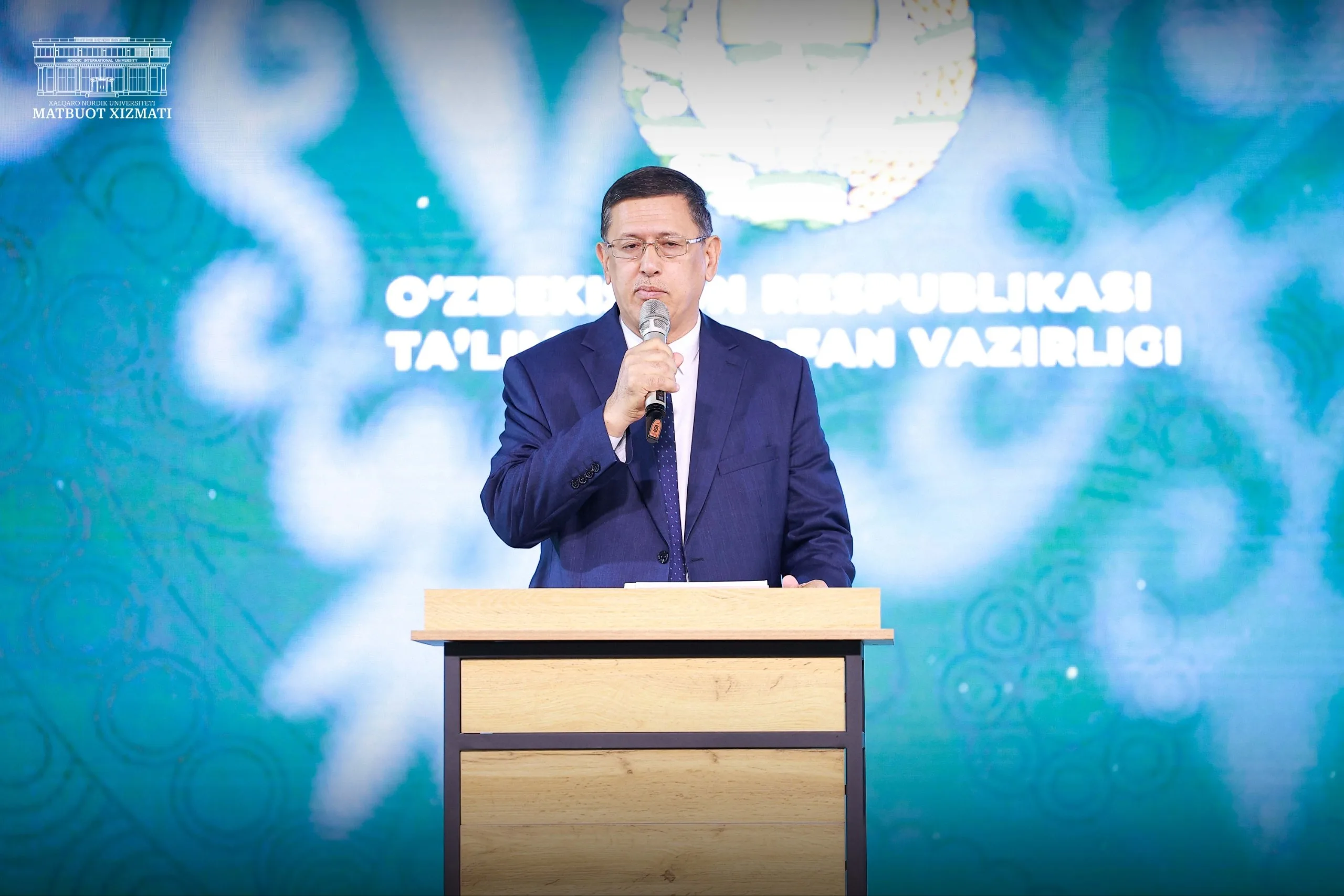
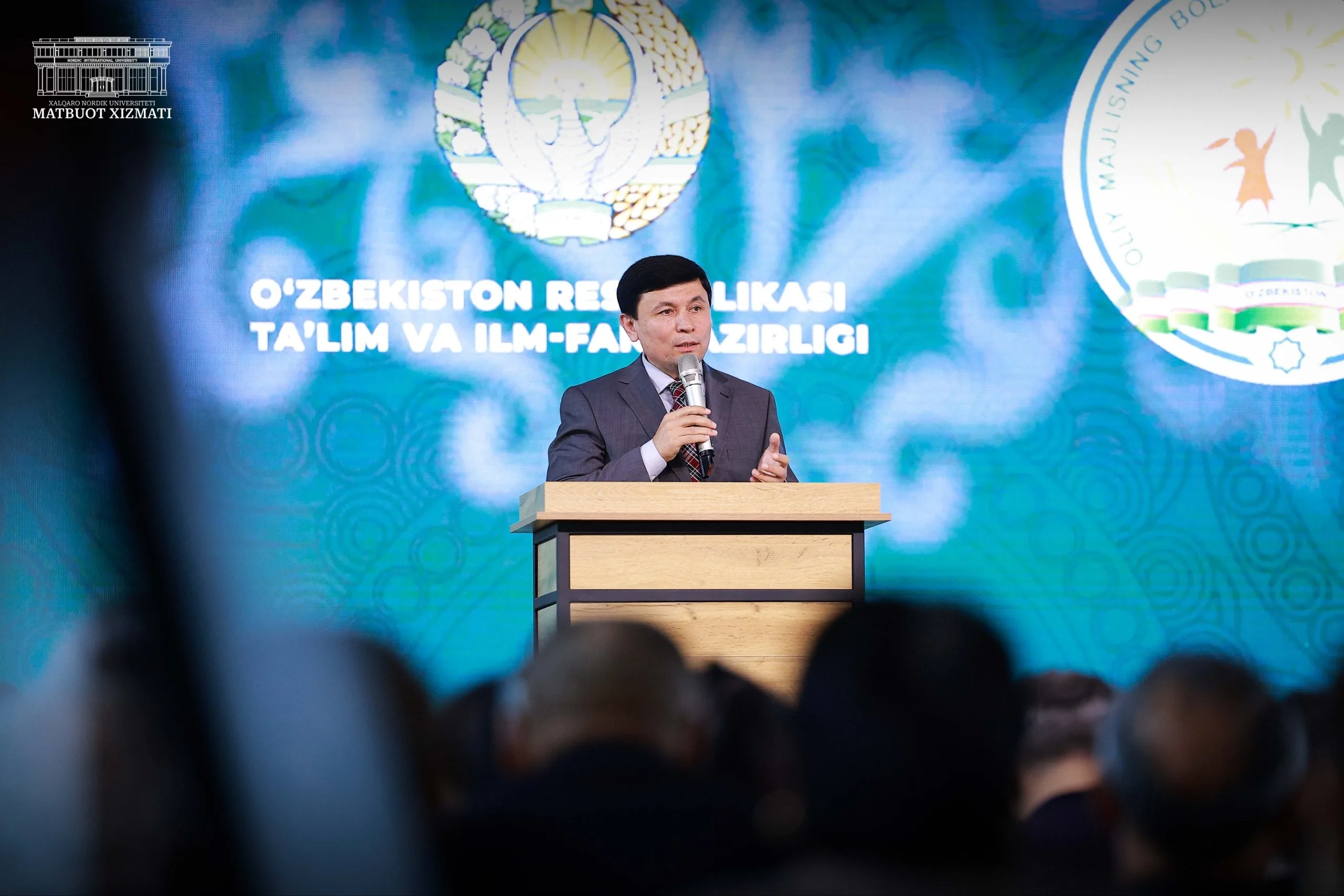
In their congratulatory addresses, the speakers highlighted the importance of enhancing the prestige of the state language, preserving the national literary heritage, appropriately recognising teachers’ dedication, and continuously improving the quality of education.
They emphasised that Erkin Vohidov was one of the great poets bestowed upon the Uzbek people, whose literary legacy is deeply intertwined with the ideals of national identity, patriotism, and freedom.
The speakers also noted that the poet’s works reflect the nation’s historical memory and spiritual world, underscoring the importance of passing his literary legacy on to younger generations and promoting his works to a wider audience.
“Nearly 16,000 of our teachers — Uzbek language and literature educators — voluntarily expressed their interest in the Olympiad and demonstrated their commitment to the cause,” said Sherzod Mustafakulov, Rector of Nordic International University. “Participants came not only from Tashkent and its surrounding districts, but also from the most remote parts of the country. All 14 administrative regions were represented, and, most gratifyingly, five Uzbek language and literature teachers travelled from the Republic of Karakalpakstan to take part.”
The organisers highlighted the Olympiad’s expanding reach and explained how a dedicated digital platform had enabled the systematic management of the competition and facilitated engagement among participants. They also emphasised the importance of making the finalists’ essays accessible to the wider public and showcasing the creative work of outstanding educators.
This initiative provides a valuable opportunity to share professional teaching experience while fostering literary thinking and strengthening standards of written communication.
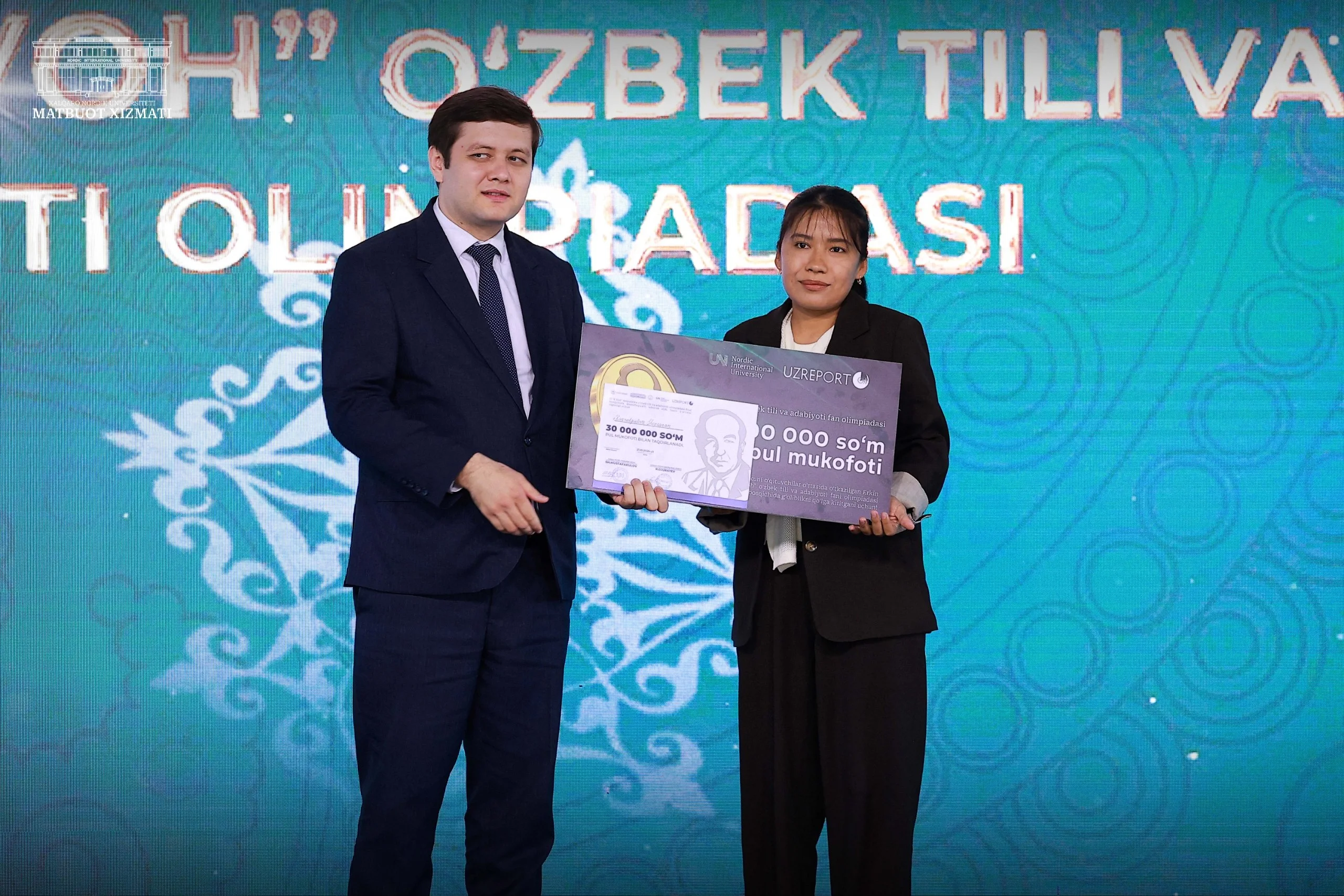
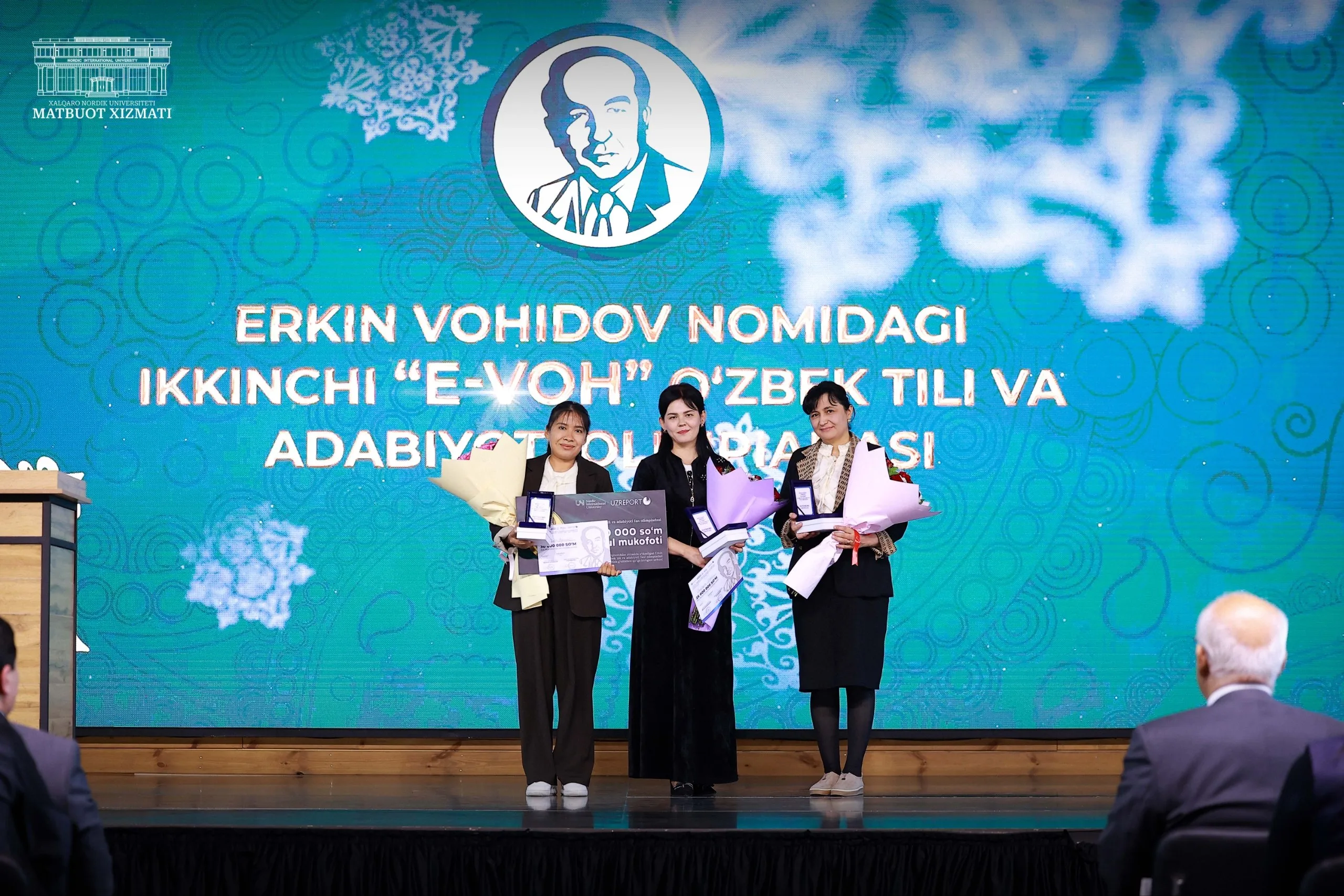
At the award ceremony, the Olympiad’s winners received gold, silver, and bronze medals, cash prizes, and commemorative gifts.
The most outstanding teachers emerged as the champions of “E Voh–2026.”
🥇 Gold Medal — Xazratqulova Shoxsanam Sharafiddinovna (Shorchi District, Surxondaryo Region).
🥈 Silver Medal — Nurullayeva Gulshan Sunnatulloyevna (Yakkasaroy District, Tashkent City).
🥉 Bronze Medal — Dadaboyeva Mohira Komiljonqizi (Parkent District, Tashkent Region).
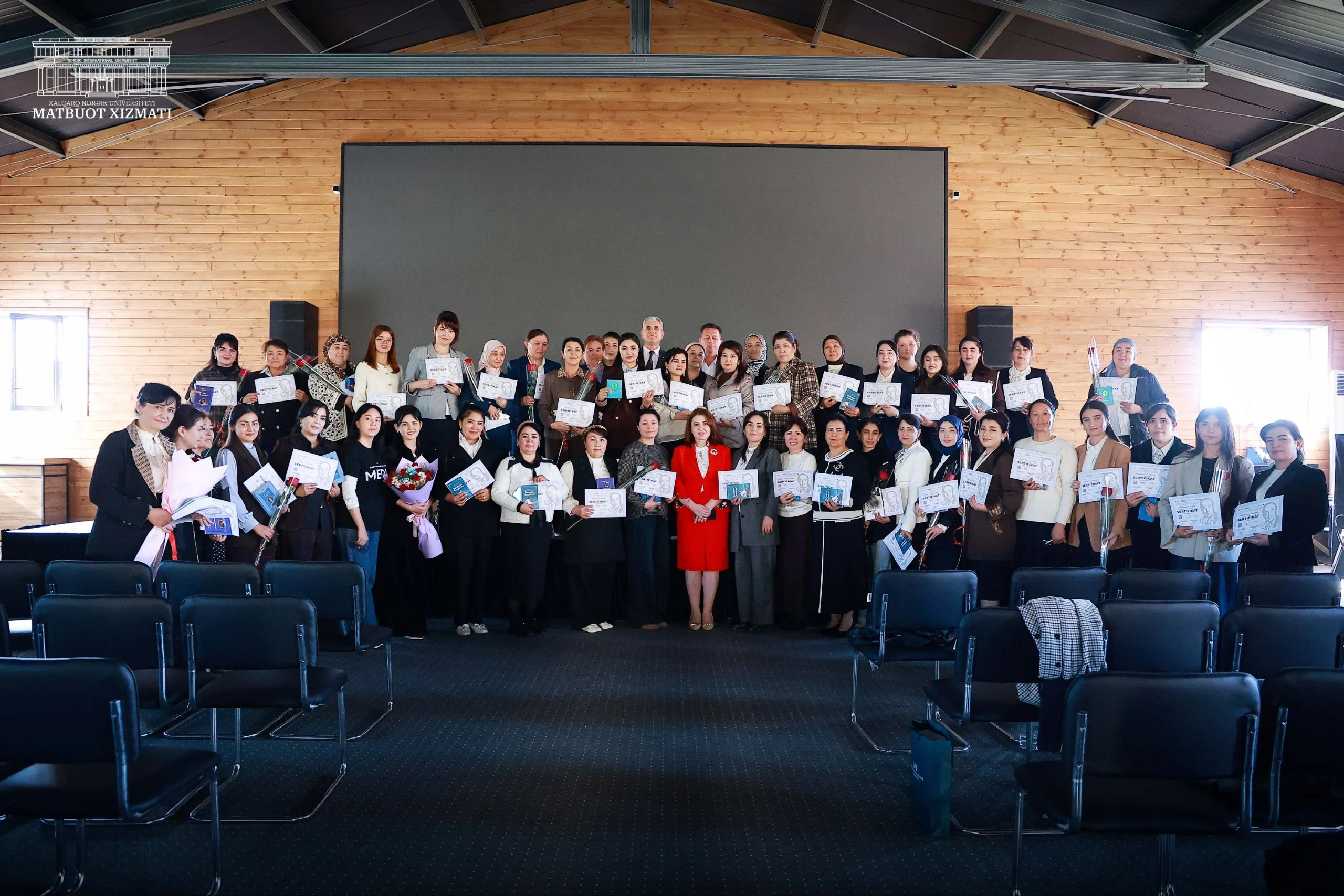
All finalists received certificates and commemorative gifts. This recognition stands as a tribute to their dedicated efforts to advance the Uzbek language and literature and to nurture a knowledgeable, morally grounded, and well-rounded younger generation.
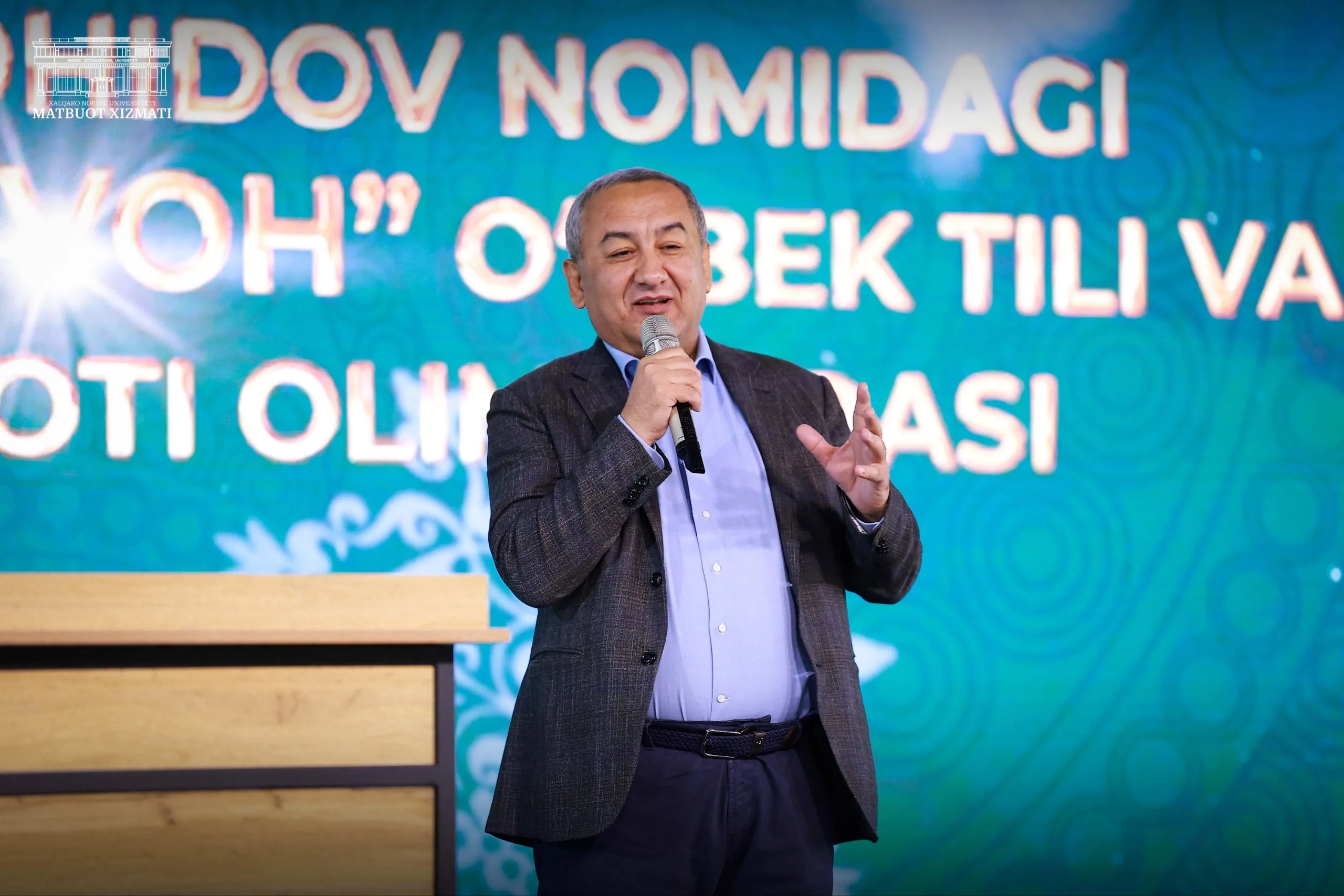
As part of the event, renowned poets, writers, and educators exchanged views and reflections. Contributions from Erkin Vohidov’s contemporaries and students, together with creative performances by students of the Erkin Vohidov Creative School, enriched the festival’s literary and educational programme.
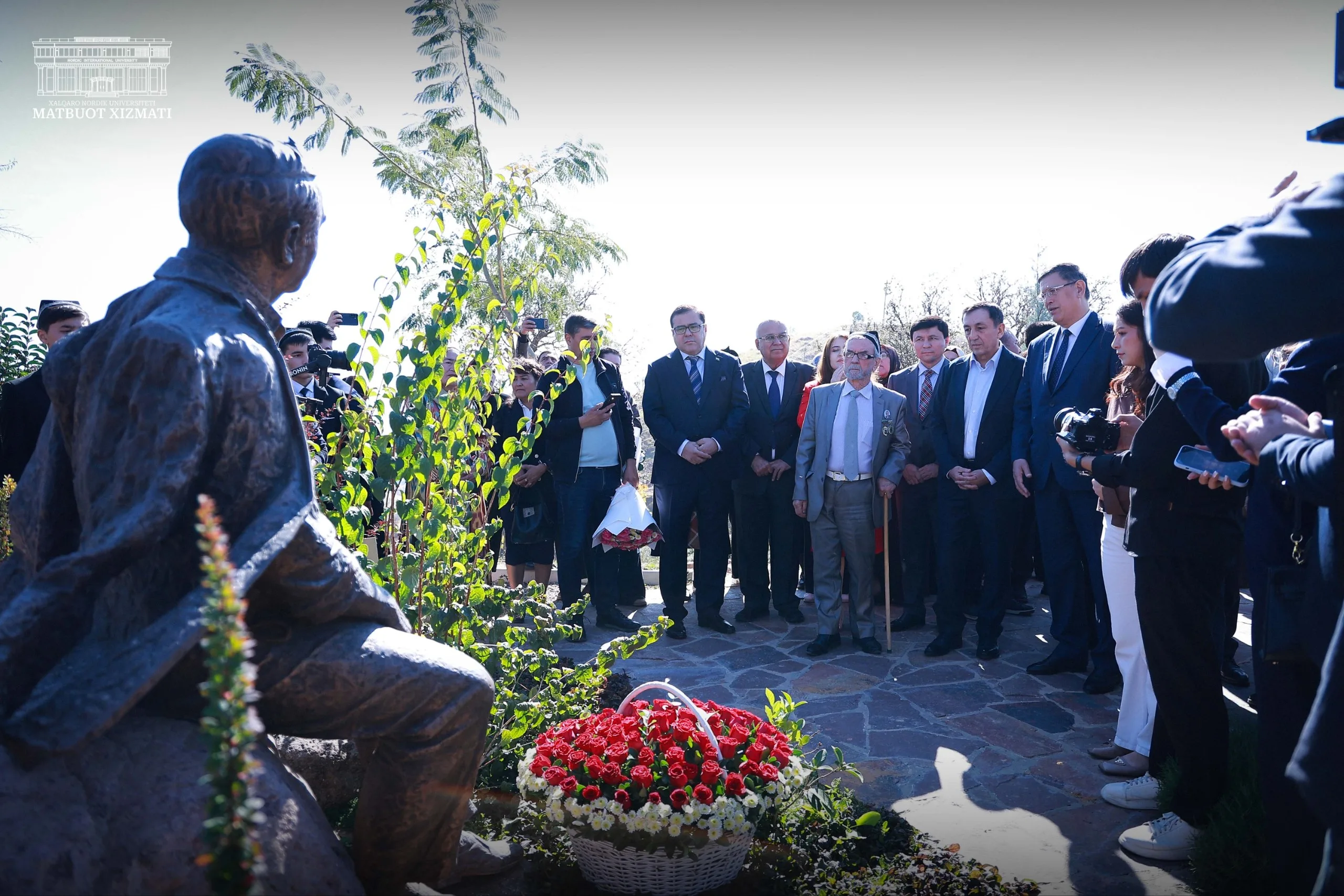
At Erkin Vohidov Park, participants paid tribute to the poet’s memory by laying flowers at the foot of his monument.
The festival’s artistic programme featured poetry recitals and creative performances, once again celebrating the beauty of the mother tongue, the richness of national values, and the enduring educational power of literature.
The “E Voh–2026” Olympiad proved to be far more than a competition of knowledge and skill. It emerged as a significant educational initiative dedicated to enhancing the prestige of the Uzbek language, supporting teachers’ professional development, and transmitting the nation’s literary heritage to future generations.
The festival and Olympiad were united by the inspiring motto: “May the Prestige of My Mother Tongue Ever Shine Brighter!” This message encapsulates the event’s central purpose: the continued advancement of the state language is inextricably linked to the dedicated teachers who impart it, the young people raised to respect it, and a society committed to preserving and cherishing its linguistic heritage.


Follow Nordic on social media