


Can artificial intelligence assess dissertations with the rigor of expert reviewers?
Is it possible to identify methodological weaknesses before the dissertation defense?
To what extent can AI enhance the transparency, quality, and efficiency of academic council proceedings?
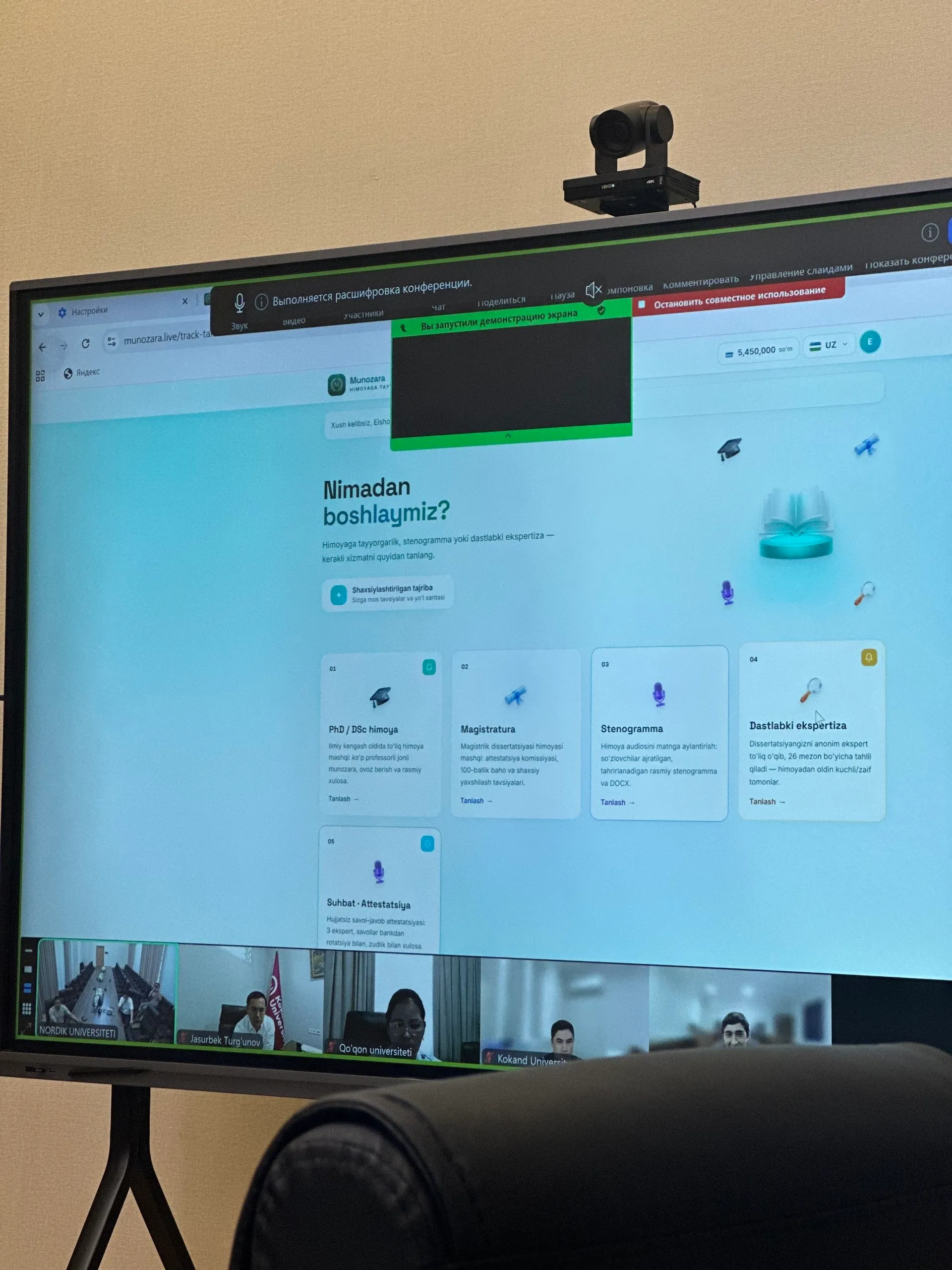
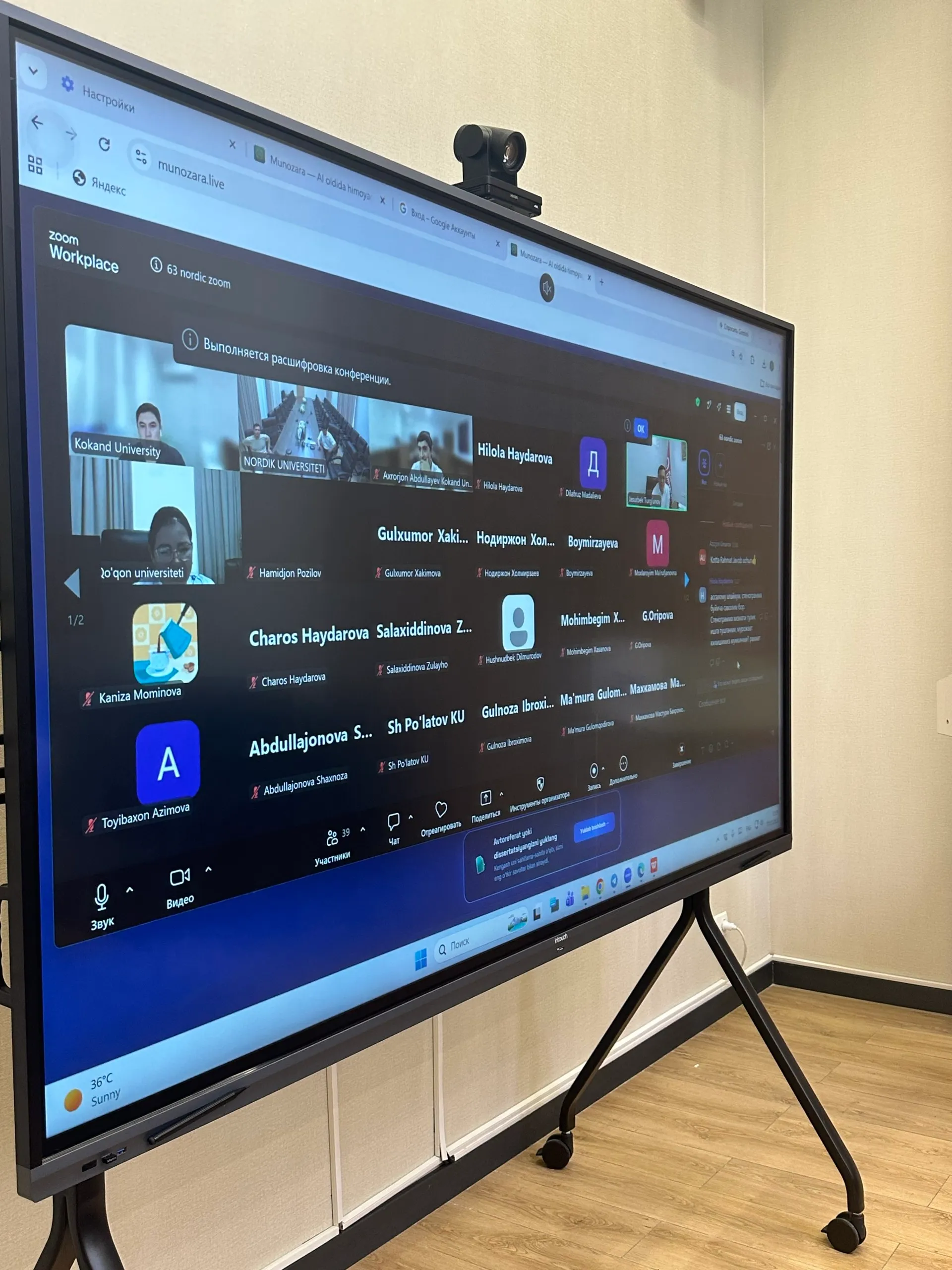
These key questions formed the core of the presentation, during which the developers introduced the platform and demonstrated its practical capabilities. Participants witnessed a live simulation of an AI-powered academic council, featuring AI Professors designed to support the dissertation review process.
The platform showcased its ability to conduct expert-level analyses of dissertations, detect scientific and methodological shortcomings at an early stage, and generate evidence-based recommendations for improvement before the formal defense. Such functionality has the potential to strengthen the quality assurance process and significantly improve research outcomes.
During the discussion, the presenters emphasized that AI is not intended to replace academic supervisors, reviewers, or members of dissertation councils. Rather, it serves as an intelligent decision-support tool that provides comprehensive analysis, objective insights, and rapid recommendations to facilitate more informed academic judgments.
The initiative was recognized as an important milestone in advancing the quality of scientific research, improving dissertation preparation and evaluation procedures, and accelerating the digital transformation of higher education and research management.
Designed for academic supervisors, university faculty, doctoral researchers, and the broader scientific community, the platform represents another innovative step toward integrating artificial intelligence into research governance, fostering more transparent, efficient, and evidence-based academic practices.



Следите за Nordic в социальных сетях